
Defending 'Stranger Things' 5
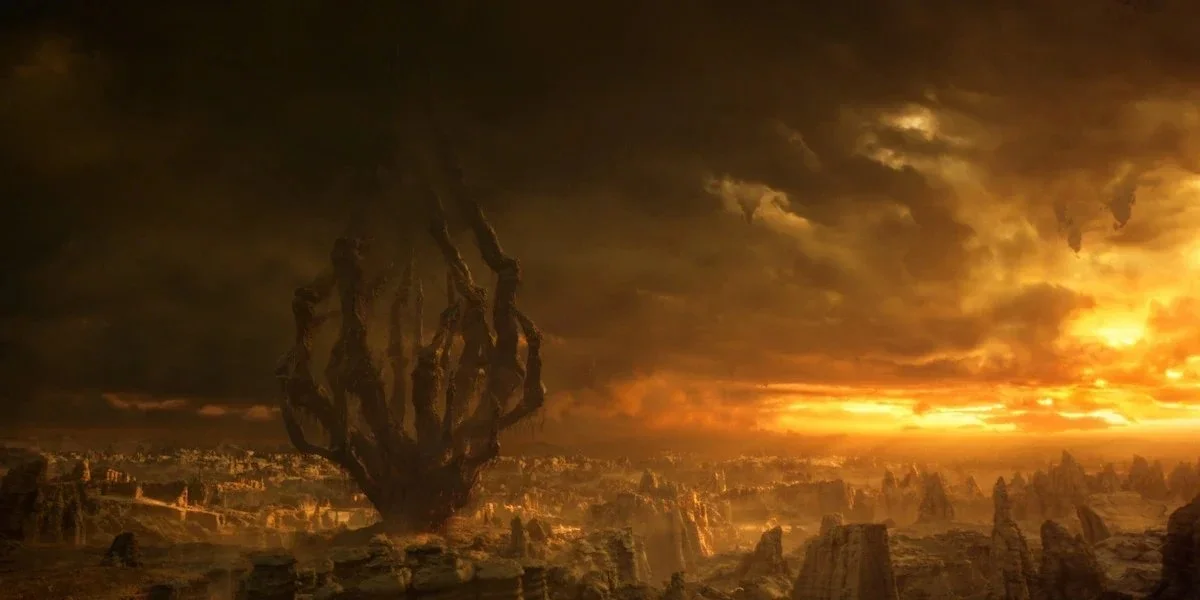
Image Source: Fandom
Spoiler Alert!
Stranger Things was the biggest mystery-box TV show of modern times. However, as with all ongoing mystery shows, the horror epic flirted with disaster. It is the same trap all mystery boxes must contend with in the age of the internet: the more details that are thrown into the ringer, the more the fandom will build up their expectation for how it should all end. There are a few fair points to throw against the penultimate episode of Stranger Things. Like, why does it feel like Mike and Eleven are no longer the main characters of their own show? Why were there no Demos protecting the Mind Flayer in the Abyss? What happened during the Epilogue time jump that convinced Hopper to conquer his grief? Did Eleven need to “go out” in a blaze of glory? Some expectations may have been dashed, some logic pushed aside for emotional storytelling, but it CAN be argued that Season 5 fits right at home with the earlier seasons.
One thing many took issue with was how less perilous it felt to watch this go-to show. Early seasons conveyed how terrifying ONE Demogorgon could be. It is only natural to feel less scared about these wordless monsters because audiences have spent so much time with them. Let’s say a child is too afraid to go to bed because there are too many scary shadows in their room. Chances are it is their imagination that is keeping their fear alive. The monsters have been shown plenty of times. The Stranger Things kids have faced these cryptids time and time again. They have learned how to tactfully fight them. Like the flip of a switch, a light has revealed “the Monster”, and what was once a terrifying shadow in the corner is really a stack of books.
RELATED:
Image Source: Fandom
The same analogy goes for the mastermind behind all this. Vecna, for a significant portion of Season 4, was an unstoppable entity with unknowable goals. But as the heroes and villains reach their conclusion, the mystery box is fully open, completely and utterly revealed to the light. There cannot be the same sort of tension from watching season 1 as there is from watching the final season because the monsters are revealed, the way out is laid, and the villain is rendered pitiful because he exposed himself, revealed to be all too human all along.
Another of the biggest debates going into season 5 was “Who Will Fall.” Stranger Things has garnered a reputation for developing well-rounded characters before abruptly killing them off. It happened with Bob. It happened with Eddie. To some, it felt necessary to keep the stakes high by having another on the chopping block. Eleven… dies, but not really. Even if unambiguous, the difference between Eleven and the other deaths is that she is not a single-season character. The main kids, and many of the adults, have experienced a lot of terror alongside the viewers. As is the recommendation for writing any horror movie, there needs to be some reprieve by the end so that audiences feel fulfilled for following along on so much violence. More importantly, Stranger Things is a period throwback featuring what it means to grow up and what it means to no longer be afraid. Many young fans grew up through these Hawkins kids. If a major character were to bite it, that would go against the coming-of-age message and what it means to survive one’s greatest fears.
That does, however, leave Eleven’s ultimate treatment up for debate. Millie Bobby Brown’s character is the glue that ties everyone together. If the magic goes, does she truly need to go? Would it be better if she survived but lost her telepathic powers? There may be no fitting answers, but the ambiguity does demand further study from fans. If she died, then she would save a world that has refused her gifts. If she lived, she would choose a fresh new identity that wipes away all the abuse she has long suffered.
CultureSlate: Made by humans, for humans.
Please consider supporting our AI-free content via our Patreon page.
READ NEXT:

Latest News
Featured




• All sizes are adult unisex
• Printed art on the front
• 100% cotton
• Pre-shrunk fabric
• Shoulder-to-shoulder taping
• Culture Slate Exclusive Design
See more products here