
What Do The 'Thunderbolts*' Positive Reactions Mean For The Future Of Marvel?
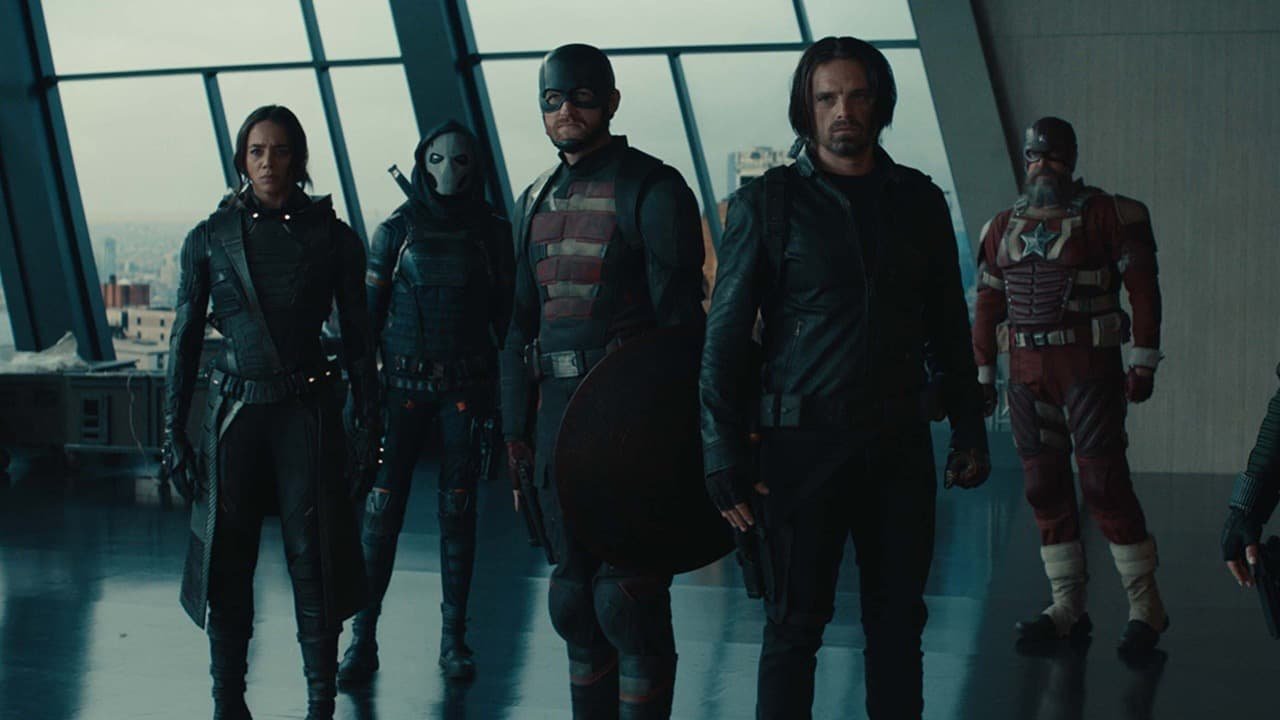
Image Source: TechRadar
The Marvel Cinematic Universe finds itself at a crossroads. While the franchise has delivered unprecedented box office success and cultural impact since the release of 2008's Iron Man, recent years have seen a noticeable dip in both critical and commercial reception, leading to widespread discussion of "MCU fatigue." However, the recently released Thunderbolts*, the 36th film in the MCU and an official part of Phase 5, presents a fascinating paradox. Despite overwhelmingly positive critical and audience reactions, its commercial performance has been notably lacklustre. This raises a crucial question: What do Thunderbolts*'s positive reactions mean for the future of Marvel?
Let's begin by examining the financial realities of Thunderbolts*. With a budget of $186 million, the film opened domestically to $74 million. While this might seem respectable on its own, its current standing as the 7th highest-grossing film of 2025 – a year still in its early stages – paints a less than optimistic picture when compared to the MCU's historical dominance. On Rotten Tomatoes, Thunderbolts* boasts an impressive 88% rating, placing it 14th out of 36 MCU movies in terms of critical acclaim. Yet, according to The Numbers, its worldwide box office performance only surpasses Captain America: The First Avenger, The Incredible Hulk, and The Marvels within the entire MCU canon.
RELATED:
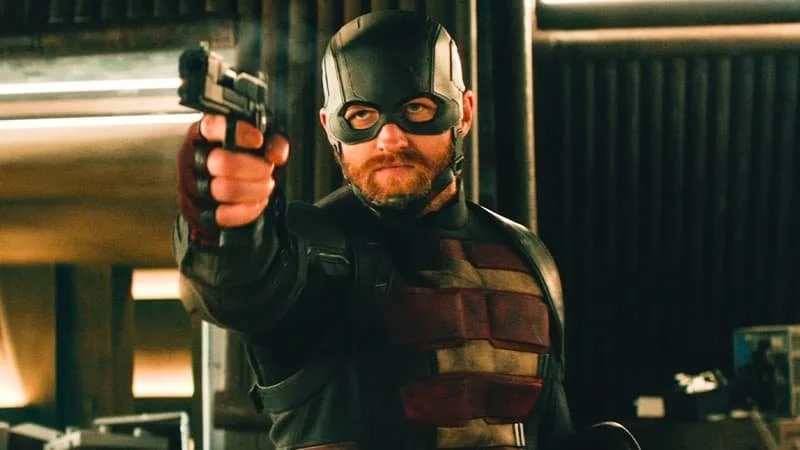
Image Source: ComicBookMovie.com
This commercial struggle, despite some of the best reviews for a cinematic Marvel release in recent memory, highlights the pervasive issue of MCU fatigue. Phase 5, in particular, has been widely considered the least successful period in the MCU's history, and Thunderbolts*, for all its merits, appears to be caught in this downward trend. The film's enjoyable nature and critical success feel bittersweet; many viewers express a longing for such a tonally perfect film to have arrived immediately after Avengers: Endgame, where it could have helped to pick up the pieces and usher in a new, exciting phase.
So, what exactly is it about Thunderbolts* that has resonated so strongly with critics and audiences? Much of its success can be attributed to its deliberate departure from the cosmic, multiverse-spanning narratives that have characterized much of the post-Endgame MCU. Thunderbolts* is stripped back to a more pure state: gritty, grounded, and emotionally charged. It feels less like a typical Phase 4 or 5 entry and more akin to the character-driven, emotionally messy films of Phase 2.
The film, directed by Jake Schreier (known for his work on the critically acclaimed Netflix series Beef) and co-written by Joanna Calo (also a Beef alum and writer for Bojack Horseman), clearly benefits from this pedigree. There's a shared sensibility of exploring mental illness, guilt, and loneliness among imperfect people, themes that are woven deeply into the fabric of Thunderbolts*.

Image Source: JoBlo
Instead of focusing on world-ending stakes, which have become a constant, almost numbing element in the post-Endgame MCU, Thunderbolts* centers on a more intimate, relatable conflict. The film is fundamentally about depression and finding solace and community in others, a narrative that resonates with the everyday person while also offering a welcome reflection for Marvel fans who have felt the aimlessness of the MCU in recent years. This isn't a situation where the entire universe is at risk, a refreshing change of pace that allows for genuine emotional exploration.
The "found family" trope is expertly employed, set against the familiar backdrop of New York. Callbacks to Captain America through Wyatt Russell's character and Black Widow through Yelena Belova provide a sense of continuity and comfort. Familiar tropes are woven into a completely new subject matter, allowing for a fresh take on established elements.
One of the most compelling aspects of Thunderbolts* is its exploration of a "B-Team" of misfits. Unlike the clean-cut heroes of the Avengers, the Thunderbolts are completely fractured individuals on paths to redemption. They are not pure Captain America types; their morality is complex, and the film delves into discussions of worth and whether redemption is truly possible. This nuanced portrayal of characters, where not everything is black and white, adds a layer of maturity rarely seen in the MCU. The film gradually builds connections between these disparate personalities, moving from initial disdain to the foundations of genuine friendship.
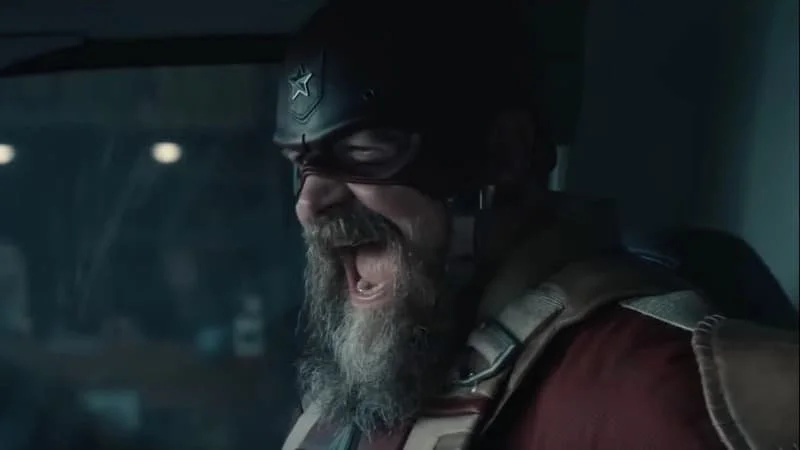
Image Source: Cinema Blend
The ensemble cast shines, with Florence Pugh's Yelena Belova emerging as the undeniable heart and soul of the film. Pugh delivers a raw and powerful performance, particularly in a scene with her surrogate father figure, Red Guardian, where they confront loneliness and guilt. Her portrayal of Belova is more dimensional and interesting than Scarlett Johansson's Black Widow, who was often mistreated by the MCU. Pugh's Belova is a powerful lead in this film of broken people, given a personality far beyond the standard sex symbol often attributed to Johansson's character.
Sebastian Stan's Bucky Barnes serves as a conflicted anchor, a congressman trying to do good but struggling. His presence provides a sense of reassurance for unsure audiences, gently guiding this new team while connecting them to the origins of the MCU. David Harbour's Red Guardian is a consistent source of comic relief and heartfelt moments, bringing an infectious energy and excitement to the emotionally charged movie. Wyatt Russell's imperfect Captain America carries significant weight in his performance, demonstrating a more broken and complex version of the character than seen in his previous appearances.
While Hannah John-Kamen's Ghost provides a sharp and funny performance, she struggles to stand out among such a strong ensemble, despite her character's interesting journey from a minor Ant-Man villain to a significant hero. However, the standout performance undoubtedly belongs to Lewis Pullman as Bob/Sentry/the Void. His slow-burn revelation and the way his body language and voice change for each of his three distinct characters are mesmerizing. Pullman, often presented as a silhouette in his Void form, uses these limitations to deliver a powerful performance about mental illness and loneliness, creating a sometimes haunting presence that complicates every scene he inhabits. It will be fascinating to see how Marvel attempts to "solve" or "treat" his fractured identity in future instalments, particularly in Avengers: Doomsday.
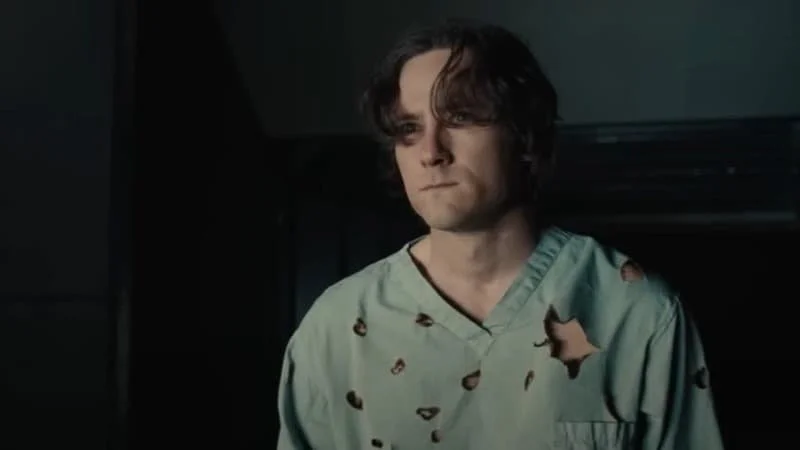
The excitement of watching these scattered characters from various MCU shows and movies come together, clashing and testing each other's boundaries, is palpable. This dynamic shifts into something undeniably genuine, albeit unclean.
Thunderbolts* expertly interweaves themes of grief, identity, guilt, and mental illness into the core of its story. This contrasts sharply with the often goofy tone of the Guardians of the Galaxy films, and even the somewhat pretentious yet classic dynamic of the Avengers. While the Guardians have their emotionally complex moments, these are often undercut with humour, as if the films are unable to fully sit with discomfort. Thunderbolts*, on the other hand, delves into this hurt and embraces the uneasy, displaying a mature restraint that allows these moments to truly resonate.
Beyond its thematic depth, the film also excels technically. The action sequences are quick-paced and gritty, and the cinematography is superb. The editing, in particular, enhances the overall tone, highlighting the film's raw texture. Thunderbolts* portrays trauma as a lived reality, not something that is conveniently fixed within its runtime. It's a feeling that lingers, and the scattered emotional moments throughout the film elevate this MCU entry to new heights.
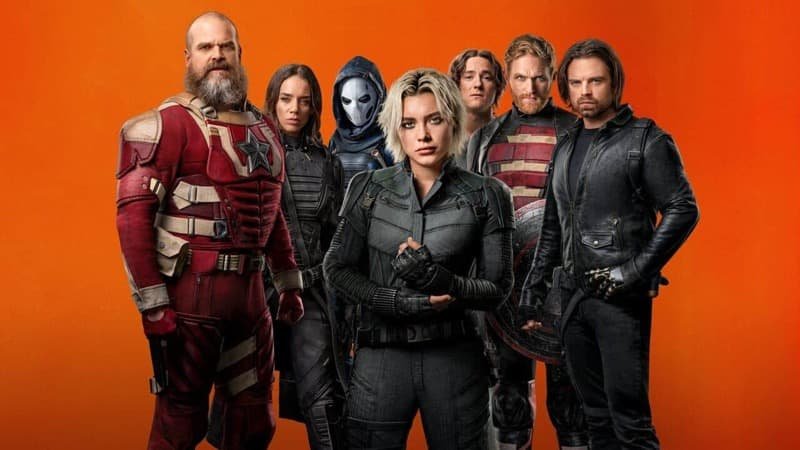
Image Source: Inquirer.Net
Despite its overwhelmingly positive reception, Thunderbolts* faces the undeniable challenge of commercial underperformance. While the film is well-liked, it simply isn't making its money back at the box office, suggesting that the MCU fatigue remains a significant hurdle.
However, the critical and audience praise for Thunderbolts* offers a clear roadmap for the future of Marvel. The film's success lies in its willingness to break away from the typical MCU formula, embracing a stripped-back, character-driven approach that prioritizes emotional depth and relatable themes over cosmic spectacle. It demonstrates that audiences are hungry for stories that feel grounded, gritty, and emotionally complex, narratives that resonate on a personal level rather than constantly raising the stakes to universal destruction.
The film's only notable flaw, a somewhat disappointing and unnecessary character death, highlights a minor misstep in an otherwise strong narrative. But this minor detraction doesn't diminish the film's overall impact.
Thunderbolts* feels like a glimmer of hope for a "silver age" of comic book movies, a period of rebuilding and refocusing before potentially escalating to another grand narrative like Avengers: Doomsday. The film provides a much-needed sense of forward momentum for the universe, something that has been lacking since Endgame. While the current climate of MCU fatigue means that audiences might not be as interested in this momentum six years after Endgame, the positive reactions to Thunderbolts* serve as a powerful message. Marvel needs to learn from this film: embrace character-driven stories, explore complex emotional landscapes, and allow its talented filmmakers to deliver grounded, mature narratives. If Marvel can truly internalize these lessons, Thunderbolts* might just be the quiet, critically acclaimed success that lays the groundwork for a revitalized and emotionally resonant future for the MCU.
READ NEXT:

Latest News
Featured





• All sizes are adult unisex
• Printed art on the front
• 100% cotton
• Pre-shrunk fabric
• Shoulder-to-shoulder taping
• Culture Slate Exclusive Design
See more products here