
How James Gunn's DCU Creates Sympathy For Classic Villains
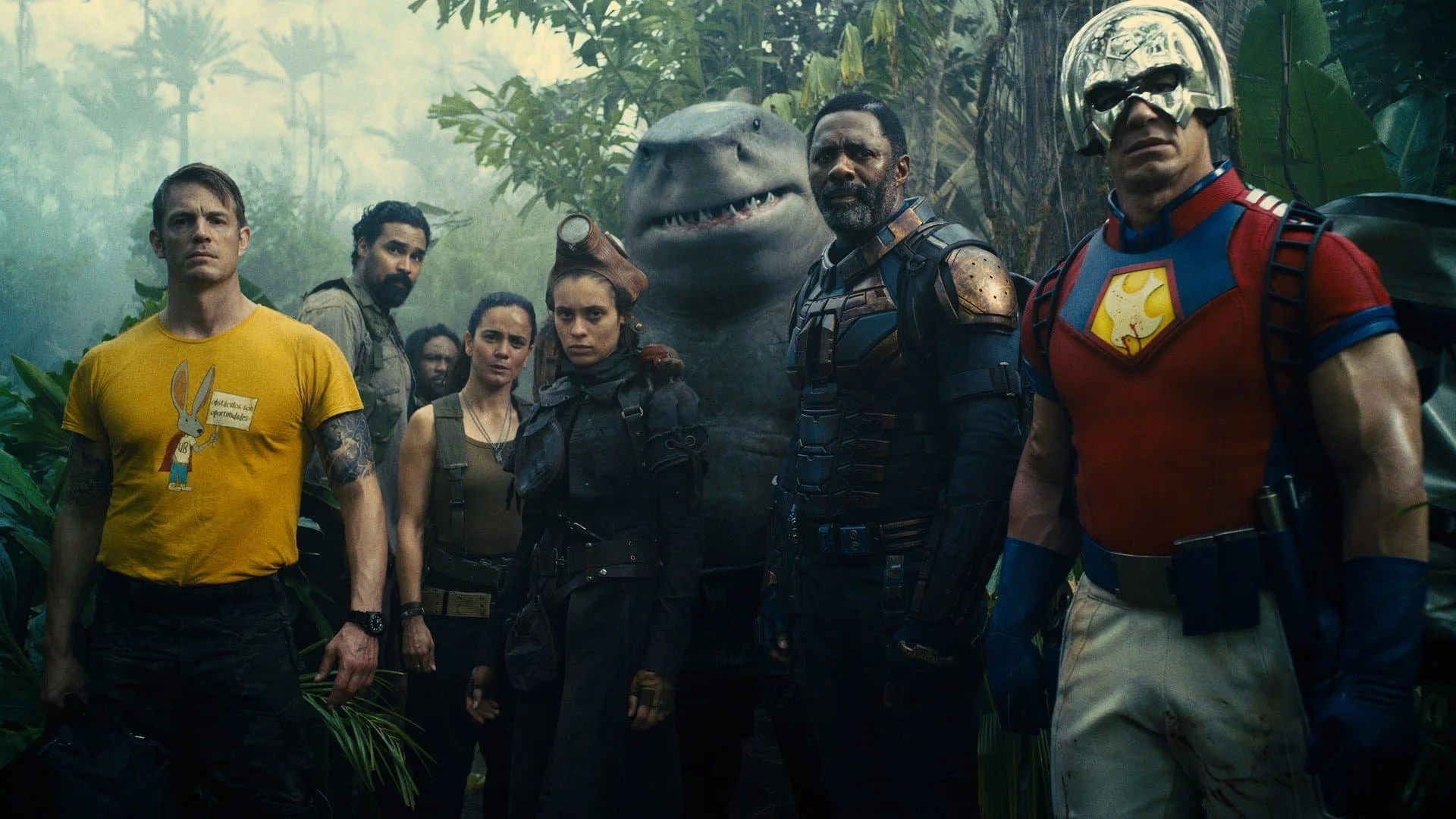
Image Source: IMDB
James Gunn rocked the comic book world when he left Marvel to write and direct for the DC Comics universe (DCU). Some fans wondered how he could make a better film than Guardians of the Galaxy, but then he debuted The Suicide Squad, Peacemaker, and Creature Commandos. His most notable creative skill has been turning DC Comics villains and anti-heroes into sympathetic characters with a few creative techniques that transform how everyone experiences DCU content.
What Is A Sympathetic Villain Or Anti-Hero?
Morally ambiguous characters are some of the most striking. Researchers found that people often love them because they want to live vicariously through revenge storylines they can’t enact in their own lives. Others may love the complexity of someone who redeems themselves from previous bad choices or breaks the rules to help people.
RELATED:
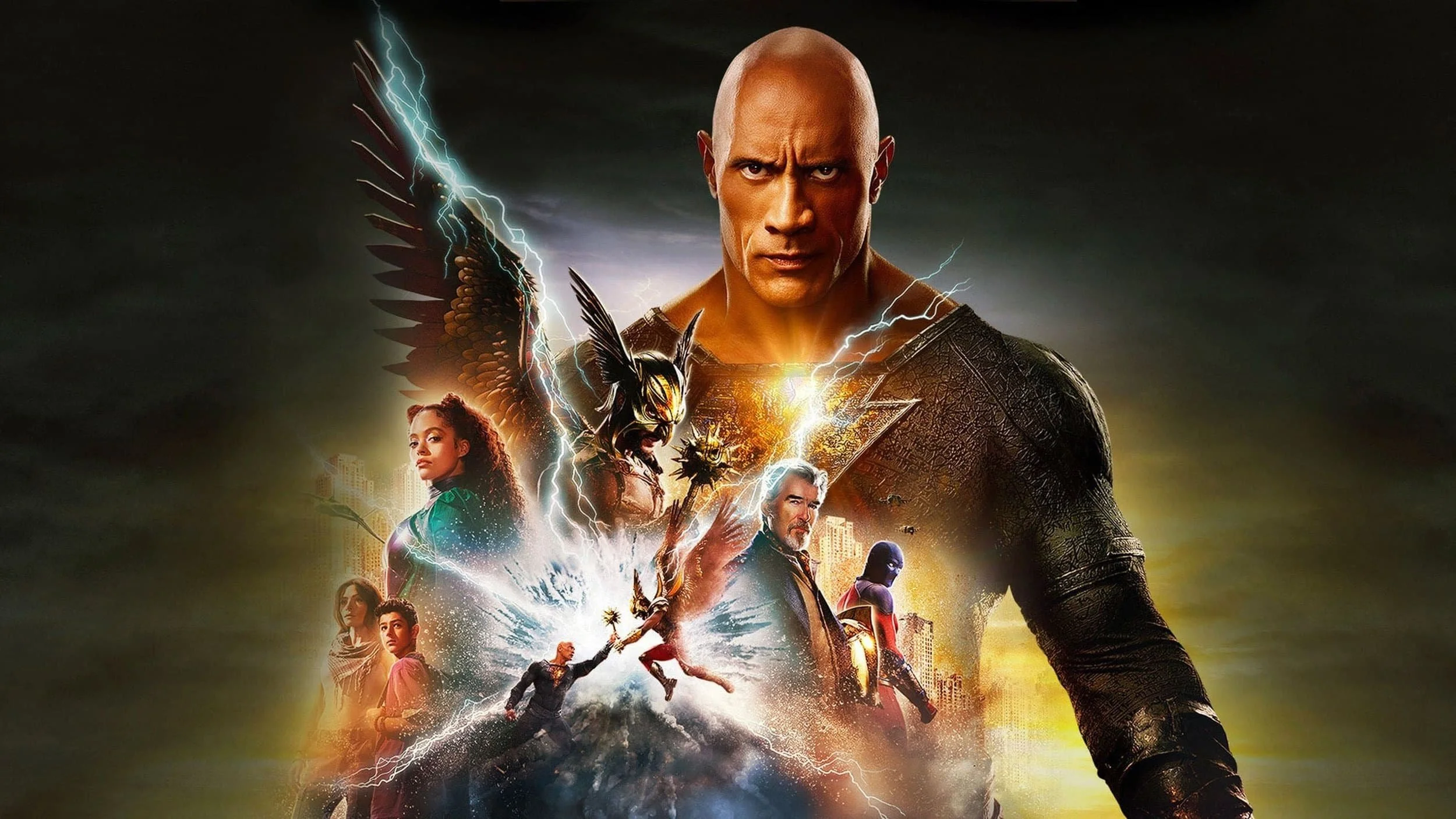
The most crucial part is that the character can’t have an intrinsically evil motivation. Batman likely wouldn’t get a 2027 sequel if he used his crime-fighting skills on innocent civilians. Instead, he defends Gotham as one of the most beloved anti-heroes ever.
Sympathetic villains work against the heroes and anti-heroes, but often have backstories that tug on your heartstrings. Harvey Dent — also known as Two-Face — is an excellent example. His difficult childhood and abusive father didn’t exactly set him up for success. After an accident turns him into Two-Face, Harvey becomes a much more sympathetic figure than others like Darkseid or Bane.
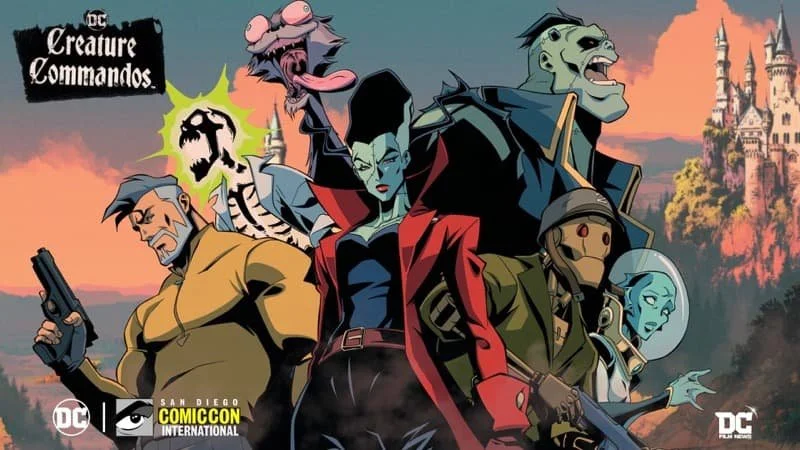
Image Source: IMDB
How James Gunn Makes Morally Gray Characters Fan-Favorites
Writing is the key to the classic antagonists in James Gunn’s work. The Suicide Squad has some of the most notable ones. He turned Idris Elba’s Bloodsport into a disgruntled dad who only hurt people to protect his daughter. Family loyalty and a protective father instinct make Bloodsport much more sympathetic.
Christopher Smith’s Peacemaker presents as a villain in the same movie. He ultimately ruins the primary effort to save the day by killing the protagonist, Rick Flag. Although it hurt to watch, James Gunn said that was the turning point for Peacemaker’s transition from antagonist to anti-hero. When the first season of Peacemaker debuted, fans learned about Christopher’s painful childhood and deep love for his friends. The show teaches him to choose differently, making everyone root for him.
Harley Quinn is another famous supervillain with the most sympathetic light in James Gunn’s work. She becomes an anti-hero in The Suicide Squad as we watch her enjoy a rainshower, keep Javelin company so he doesn’t die alone, and even save Polka-Dot Man before jumping away from the oncoming fireball. Gunn makes her a well-rounded character with agency and purpose while staying true to her chaotic nature.
Fans have yet to see how James Gunn will write Lex Luthor in his upcoming Superman movie, but viewers can anticipate a complex character arc. The commitment to morally gray lawbreakers makes Gunn’s work more compelling compared to previous DCEU features with straightforward bad guys like Green Lantern, Aquaman, and Blue Beetle.
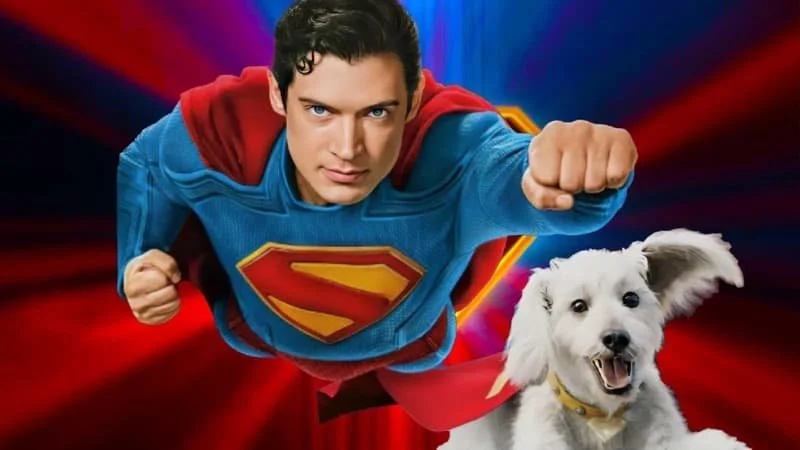
Image Source: IMDB
Why His Writing Is So Refreshing
DC fans start liking antagonists in Gunn’s movies and TV shows because the characters get time to unpack their traumatic histories. Instead of portraying villains as people who experienced one bad thing and snapped, Gunn explores themes like Peacemaker’s abusive dad or Harley Quinn’s emotional manipulation by the Joker. Researchers found that 88% of Americans are comfortable talking to their close friends about their mental health. Gunn’s work sparks similar conversations, which people are more open to understanding and sympathizing with.
James Gunn also writes sympathetic antagonists by contrasting their ambiguous natures with actual villains. If you had to choose between Bloodsport and Amanda Waller, you’d likely root for Bloodsport. They both have daughters, but there’s a notable lack of warm love between Waller and her child. Bloodsport’s affection is subtle, but it's the softest part of his heart. The difference makes him more relatable because there’s someone else to fear.
Frankly, the DCU has been in desperate need of a refresh for a while. Theaters are already struggling, with only 17% of millennials going to the movies monthly, down from 27% before the pandemic. An excess of movies to compete with, declining critic scores, and encroaching superhero fatigue all would’ve spelled disaster for the DCU without something changing at the core of what was being put out.
Does Humor Also Humanize Villains?
You know you're going to laugh when you start watching a James Gunn TV show or film. His comedy defined his brand as a filmmaker in his Guardians of the Galaxy days. Gunn's storylines don’t take themselves too seriously until they combine every subplot into a heartrending finale.
Whether or not the comedy helps make his antagonists sympathetic is up to each person. The humor even makes some people nervous when thinking about him writing storylines for the Superman world. The success may also come down to the final editing, music choices, and acting abilities pulling off a bad guy who’s more likable than others.
Showcasing Complex Characters Takes Skill
No matter how you feel about James Gunn’s ability to write villains and anti-heroes, his fresh perspective on character development redefined what superhero content can be. Upcoming DCU TV shows and films may feel funnier, deeper, and more human than before with Gunn at the helm. Fans will have to wait and see if his legacy continues through work like Superman as he builds the DCU from the ground up.
READ NEXT:

Source(s): APA PsycNet, DC, Pew Research, SoftPlay
Latest News
Featured



• All sizes are adult unisex
• Printed art on the front
• 100% cotton
• Pre-shrunk fabric
• Shoulder-to-shoulder taping
• Culture Slate Exclusive Design
See more products here