
Ranking The Most Interesting Fighting Game Series Lore
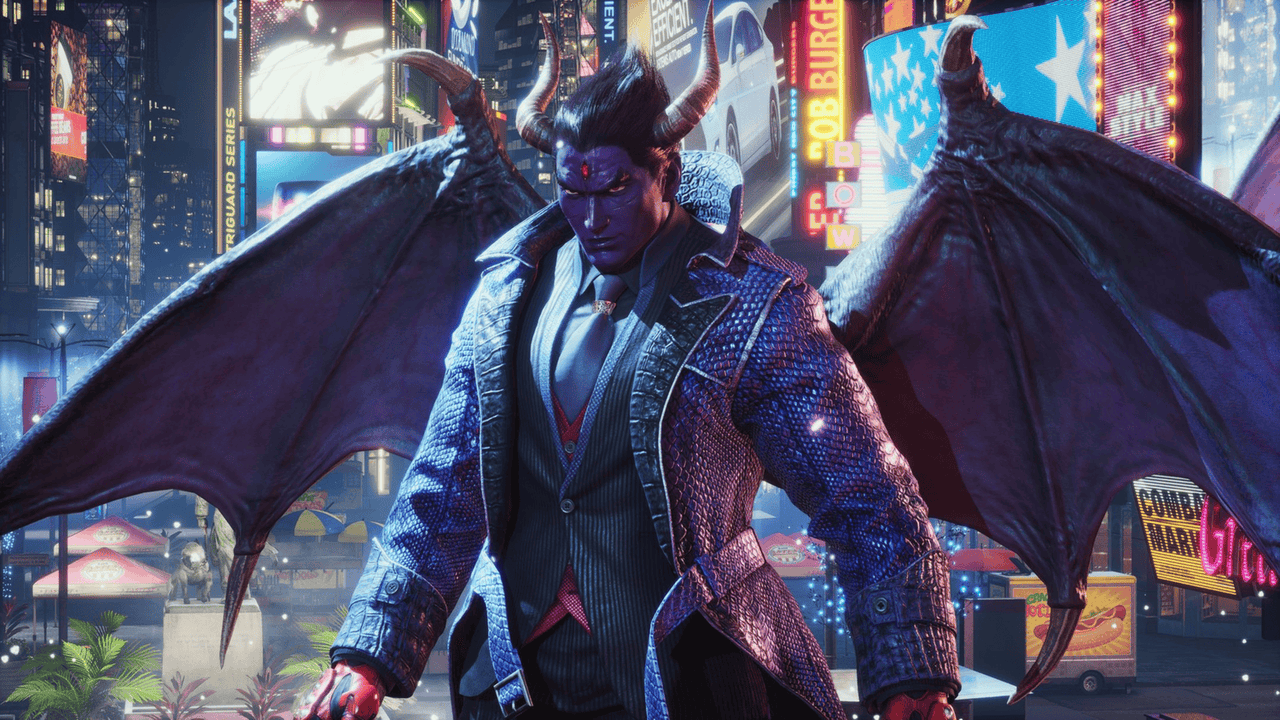
Image Source: Tekken.com
Some gamers like to play fighting games for the character design and graphics, while others prioritize the complexity of styles and combos. Lore is often swept under the rug since it may have little impact on most game modes.
However, you’d be surprised at how interesting the worlds and stories behind some of the most popular titles are.
RELATED:
6. The King of Fighters

Image Source: SNK
The King of Fighters is an iconic game with various characters from Fatal Fury, Art of Fighting and more. The idea is that a fighting tournament attracts different fighters, all wanting to become the best of the best. Unbeknownst to the characters, they are lured into a trap where the host attempts to turn them into stone statues.
One of the leads who directly originated from The King of Fighters series is Kyo Kusanagi. He’s a young martial artist with pyrokinetic powers and comes from a clan that banished serpent-like demons.
While other installments introduced different characters and storylines, the lore was pretty much the same — a good guy tries to prevent bad things from happening. It’s riveting at first, but it can also get a little repetitive.
5. Street Fighter
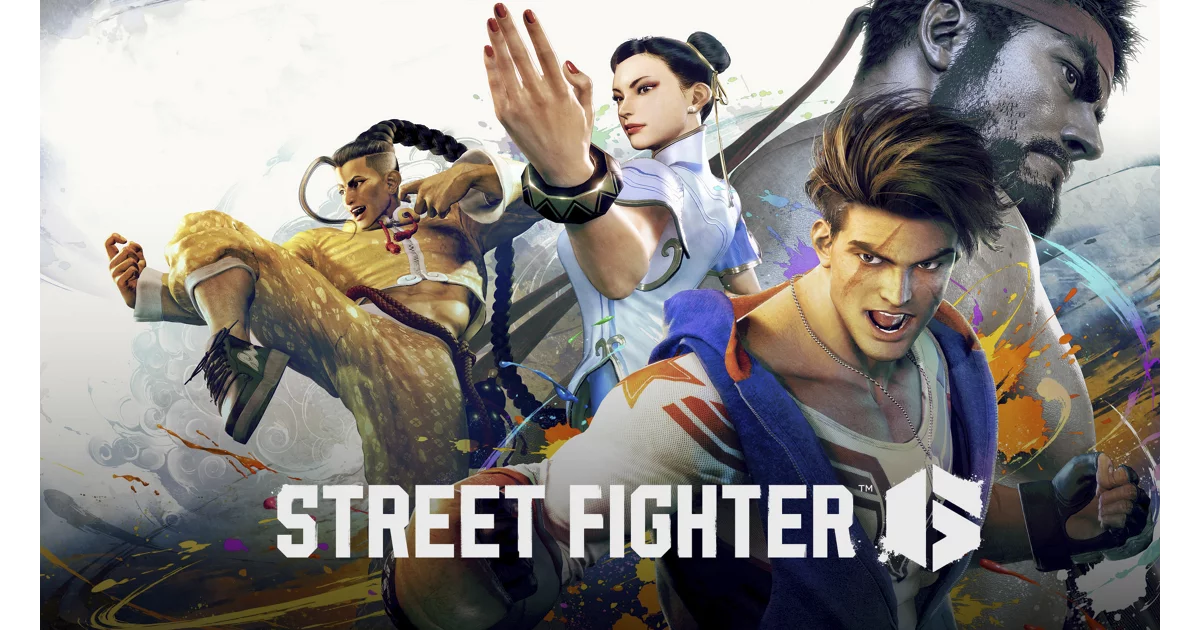
Street Fighter is undoubtedly one of the most iconic games on this list. However, world-building takes a backseat as the series continues. For instance, in the first installment, Ryu achieves a straightforward win against strong characters like Sagat in a fighting tournament.
Later on, Ryu gets a hidden martial arts power that helps him beat Sagat in one blow after heavily struggling. While he was cocky before, he now seems afraid of his own power.
Overall, the lore can be slightly inconsistent, given the various rewrites. However, if you want to skip all that, the latest entry lets you just play as yourself by customizing your character and becoming the ultimate Street Fighter rather than figure out who’s the strongest.
4. Dead or Alive
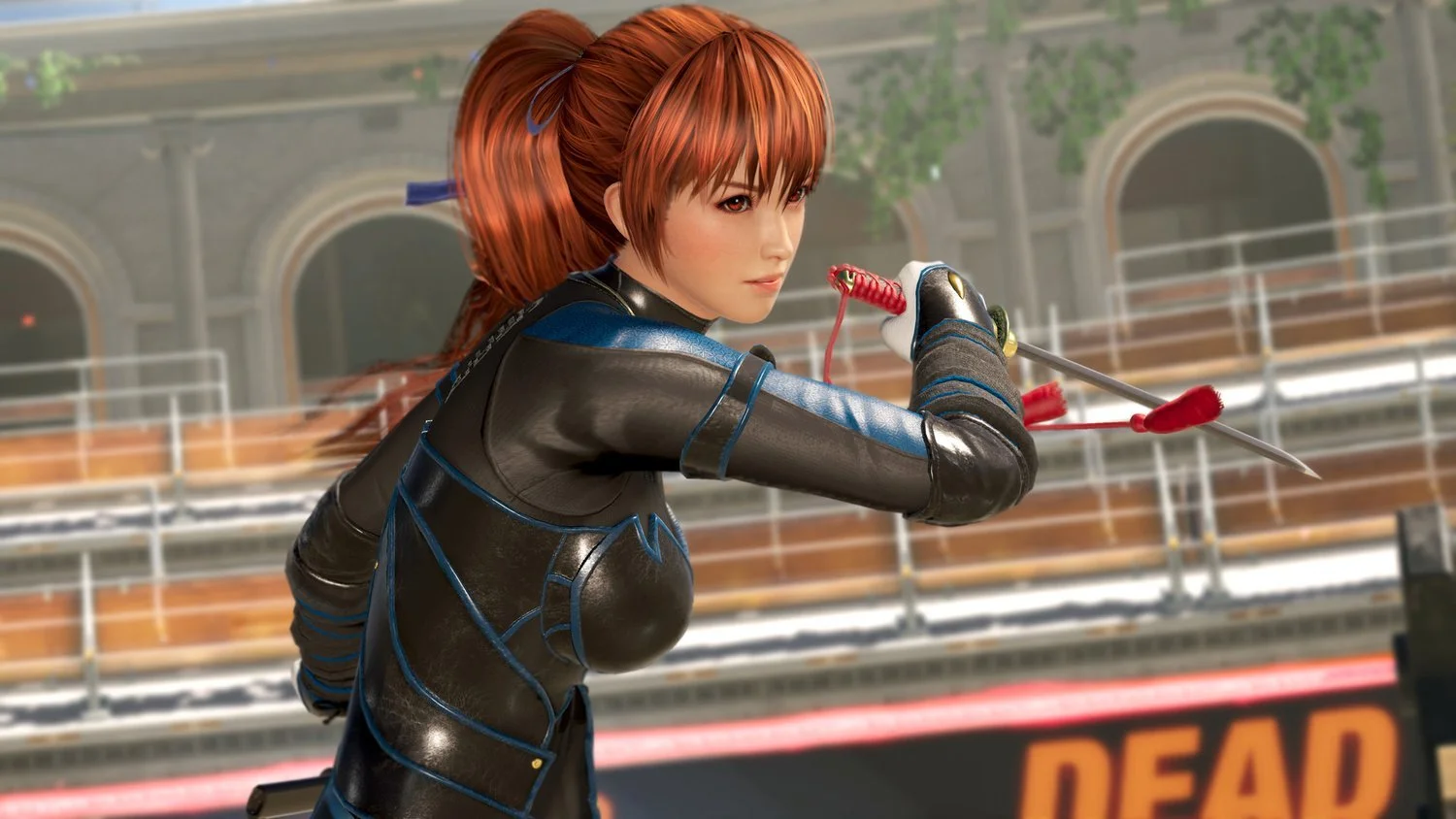
Image Source: Steam
Dead or Alive also features skilled martial artists from different arenas worldwide. Kasumi — a female ninja — seeks revenge against her archenemy — Raidoo — because he defeated her brother and seeks to destroy her clan. She successfully kills him but later becomes a fugitive.
In the next installment, the tournament is still going on, but there’s a bio-weapon experiment that creates human weapons in the midst of it all.
There’s also a new antagonist who escapes to the human world and attempts to take over before being killed by the tournament winner.
All in all, Dead or Alive has a lot of depth but eventually deviates from what made it great by overdoing and complicating the plot. The game could have received more praise if the whole storyline had been more fleshed out.
3. Guilty Gear
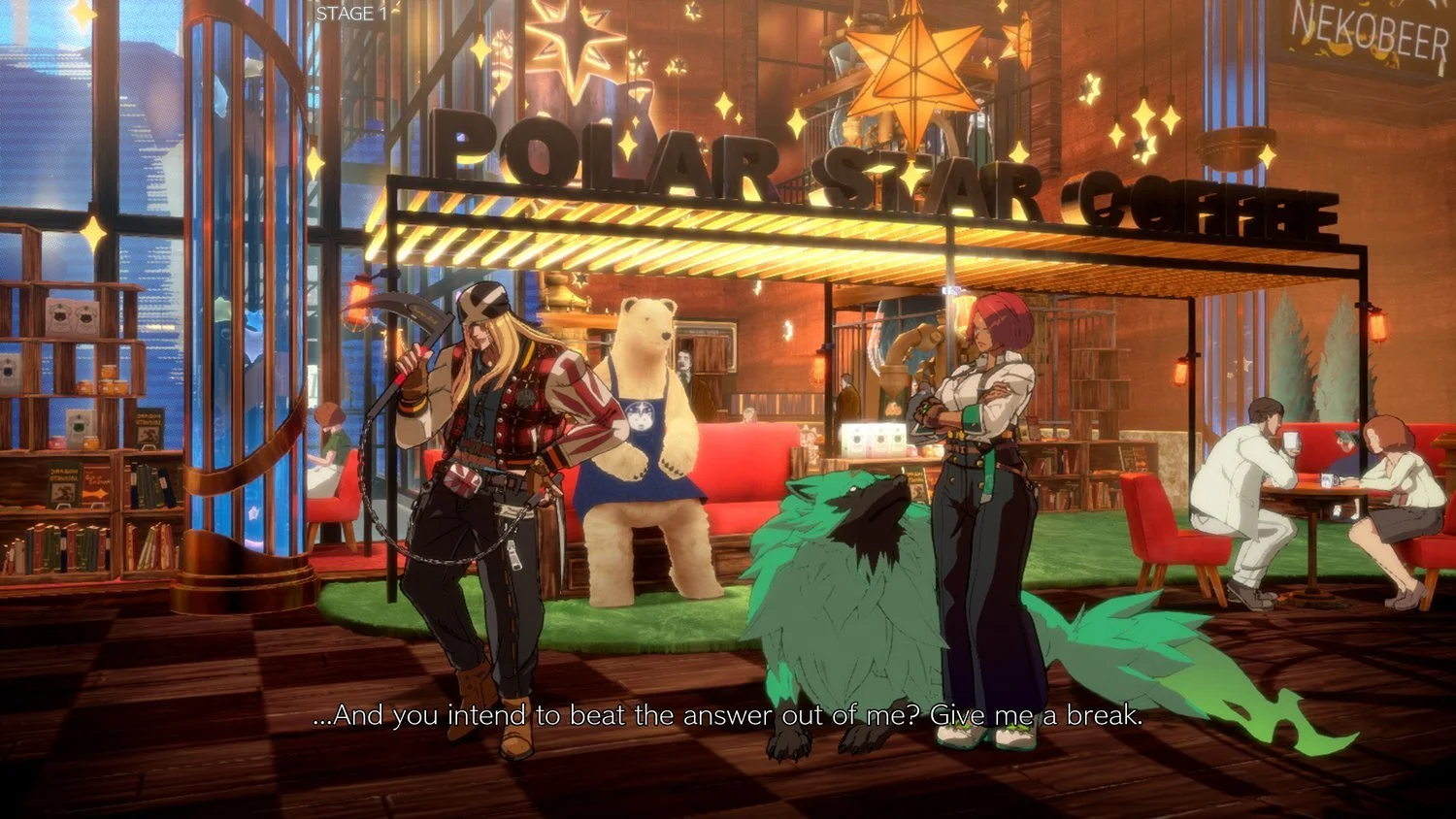
Image Source: Guilty Gear
Imagine a world run by magic instead of modern-day technology. Guilty Gear is one of the few fighting games that skip having a fighting tournament. Instead, it creates a world where people are trying to survive against magic-infused creatures called Gears.
The story's main character — Sol — is a bounty hunter who has contributed to creating the monsters and becomes a Gear himself.
The series is a journey that showcases how he takes vengeance while navigating his guilt.
There are many other layers to Guilty Gear’s world — like religious motifs and racial prejudice — that make it feel real and elaborate. With great pacing and explanation, it’s surprising to encounter gamers who haven’t enjoyed the story.
2. Mortal Kombat
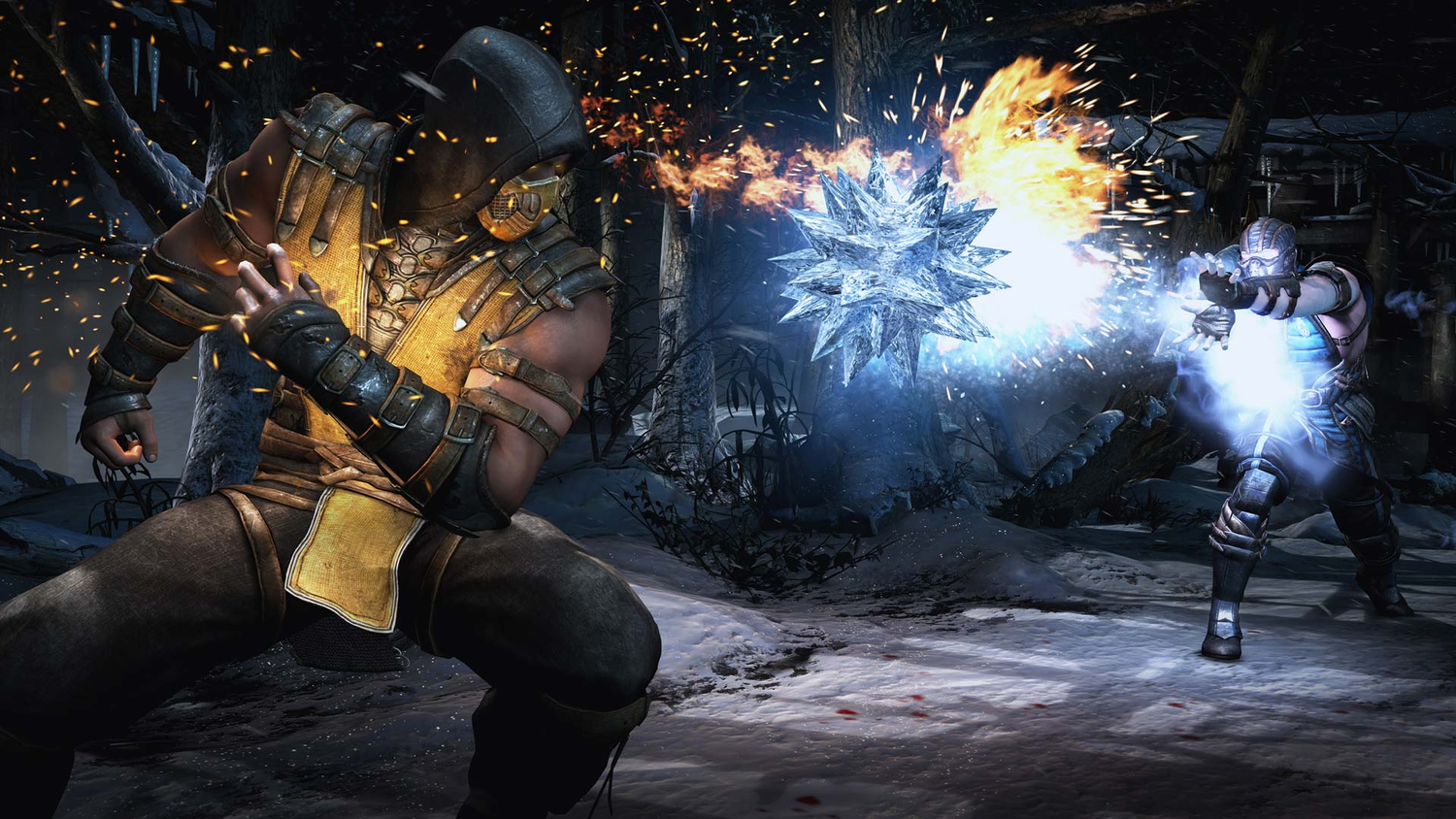
Image Source: PlayStation
In Mortal Kombat, numerous realms are created by the Elder Gods. Warriors from these different worlds are all attempting to take over one another’s home through a fighting tournament.
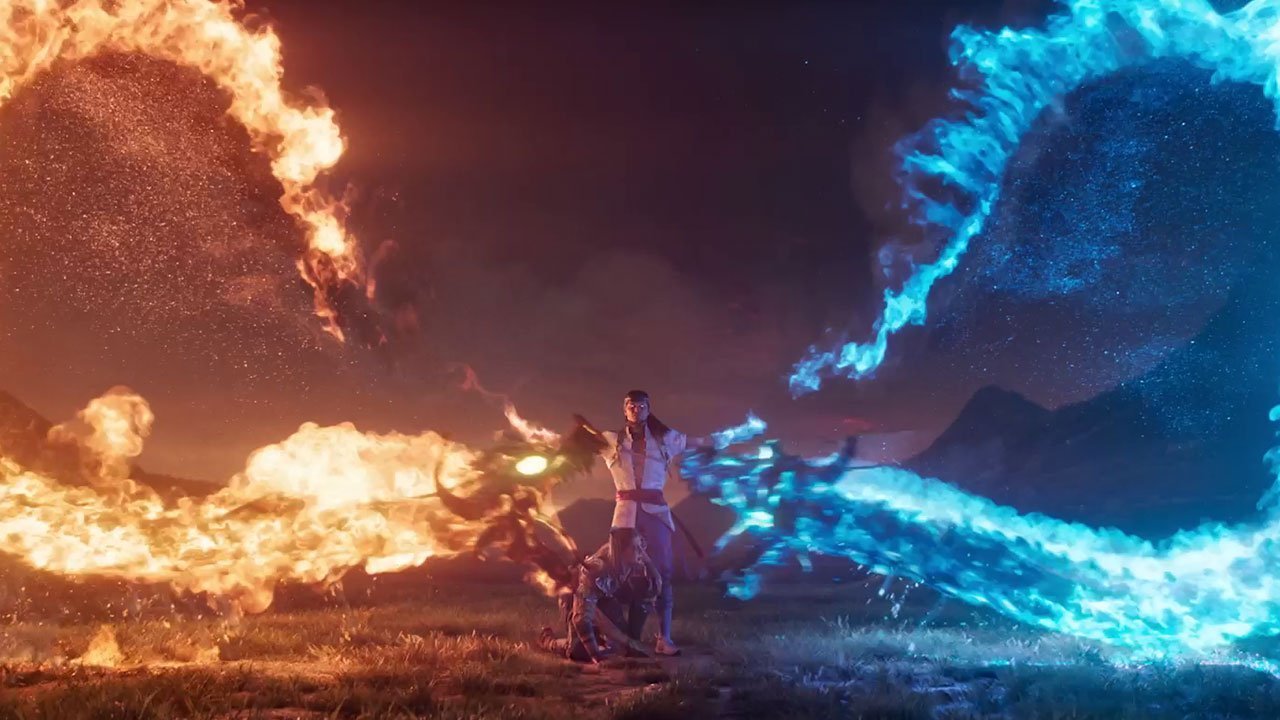
Multiple timelines showcase the tension and turmoil of this world. Liu Kang is a great representation of the chaos in this series.
From becoming a warrior monk, the first tournament winner, a zombie and a Revenant to becoming the God of Fire, he’s been through it all.
While time travel may not be everyone’s cup of tea, Mortal Kombat executes it relatively well. The only caveat is that certain side characters appear and disappear with little impact, but this is inevitable as the story progresses.
1. Tekken
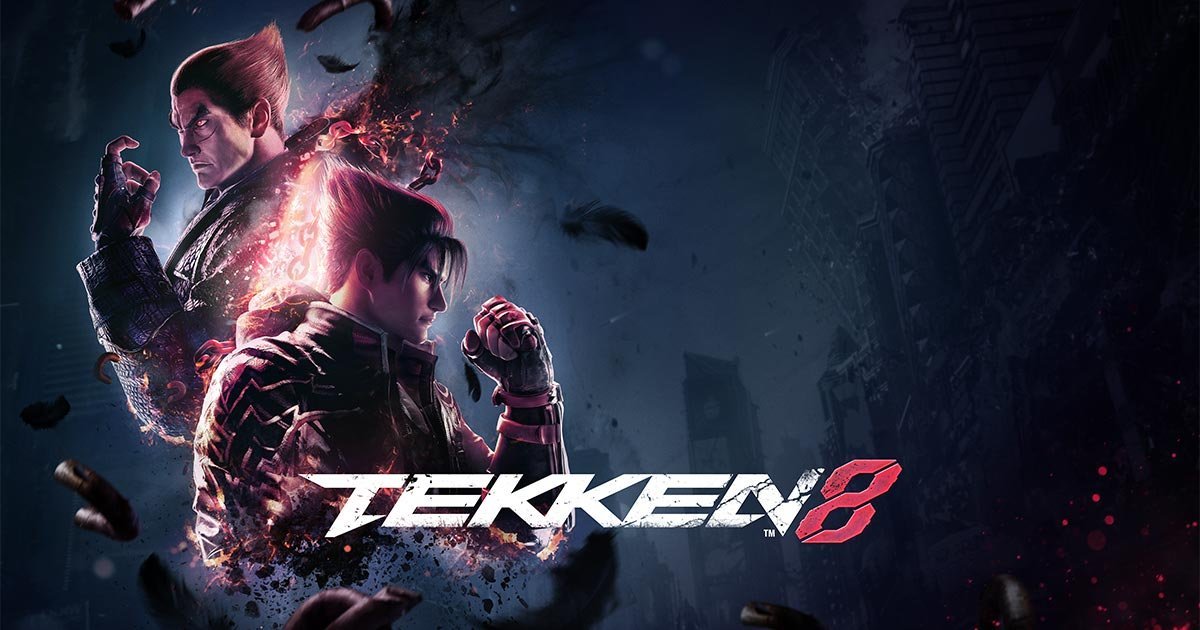
Image Source: Tekken.com
Tekken is complex yet easy to follow. Its creators have repeatedly added depth to the story mode throughout each installment.
The story revolves around a worldwide martial arts tournament run by a massive financial corporation, the Mishima Zaibatsu. Heihachi Mishima, Kazuya Mishima and Jin Kazama reflect three generations of the family navigating internal strife due to supernatural powers and quests for revenge. Their dynamics throughout the series get particularly intense and dramatic, often resulting in fights to the death and even wide-scale warfare.
Side stories from other tournament participants add a refreshing and humorous feel to balance out the main plot. It’s a tight-knit world where you see the domino effect between characters as they rise to prominence, form rivalries and face down otherworldly threats.
There’s plenty of story progression and character development throughout the installments. The most recent installment, Tekken 8, centers on the protagonist Jin as he grapples with both his father and the morally gray demon inner demon that’s been growing in him throughout previous entries. This series is easily top-tier in terms of lore.
Worldbuilding and Stories Still Matter
Some fighting game series lore goes back so many years and is still going on to this day. There’s so much content to dive into if you want to check out the story behind your favorite franchises. If developers and companies realize gamers appreciate these aspects of gameplay, they may invest more time and money into quality worldbuilding and stories.
READ NEXT:

Latest News
Featured





• All sizes are adult unisex
• Printed art on the front
• 100% cotton
• Pre-shrunk fabric
• Shoulder-to-shoulder taping
• Culture Slate Exclusive Design
See more products here