
The Evolution Of 'Star Wars': How It Changed Over The Years
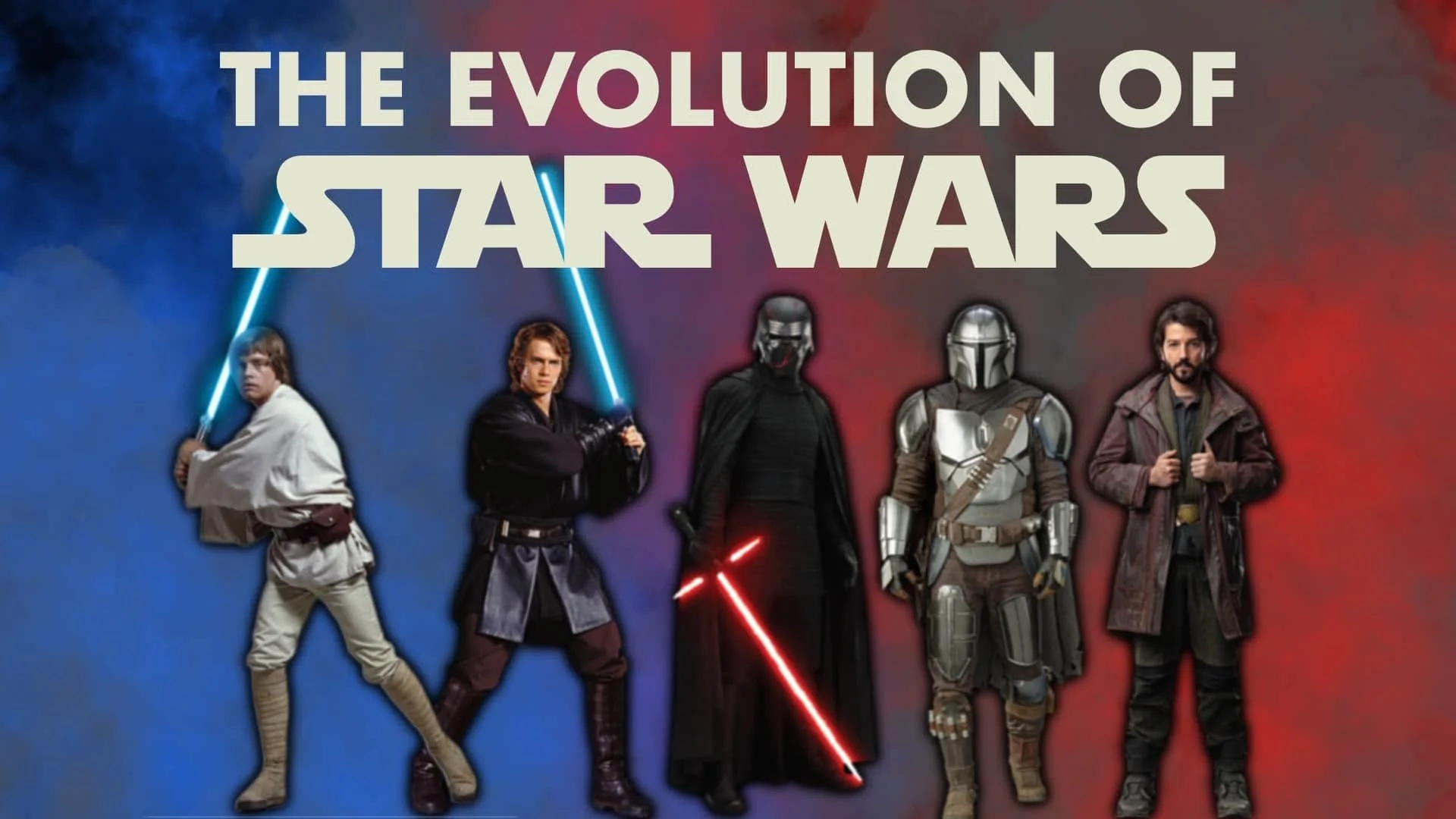
Image Source: CultureSlate
In less than two years, the original Star Wars film will celebrate its "golden jubilee". On May 25, 1977, Star Wars (without the Episode IV prefix or the A New Hope subtitle) was released in just 32 theatres across the United States.
Hardly anyone involved in the production of the movie - neither George Lucas, nor the cast and crew, and especially not 20th Century Fox (except maybe for Alan Ladd Jr.) had expected Star Wars to become this cultural (and financial) phenomenon, revolutionizing not only how modern blockbusters are produced and marketed, but also creating whole new industries (like special effect companies) and technologies (like the Dykstraflex or the EditDroid).
But as the world as a whole and the entertainment industry have changed over the last five decades, so has Star Wars. What started as an independent film, made for a (then still massive) $ 11 million budget by a young man from Modesto, California, is now a franchise worth $ 4.05 bio. (at least for Disney in 2012).
RELATED:
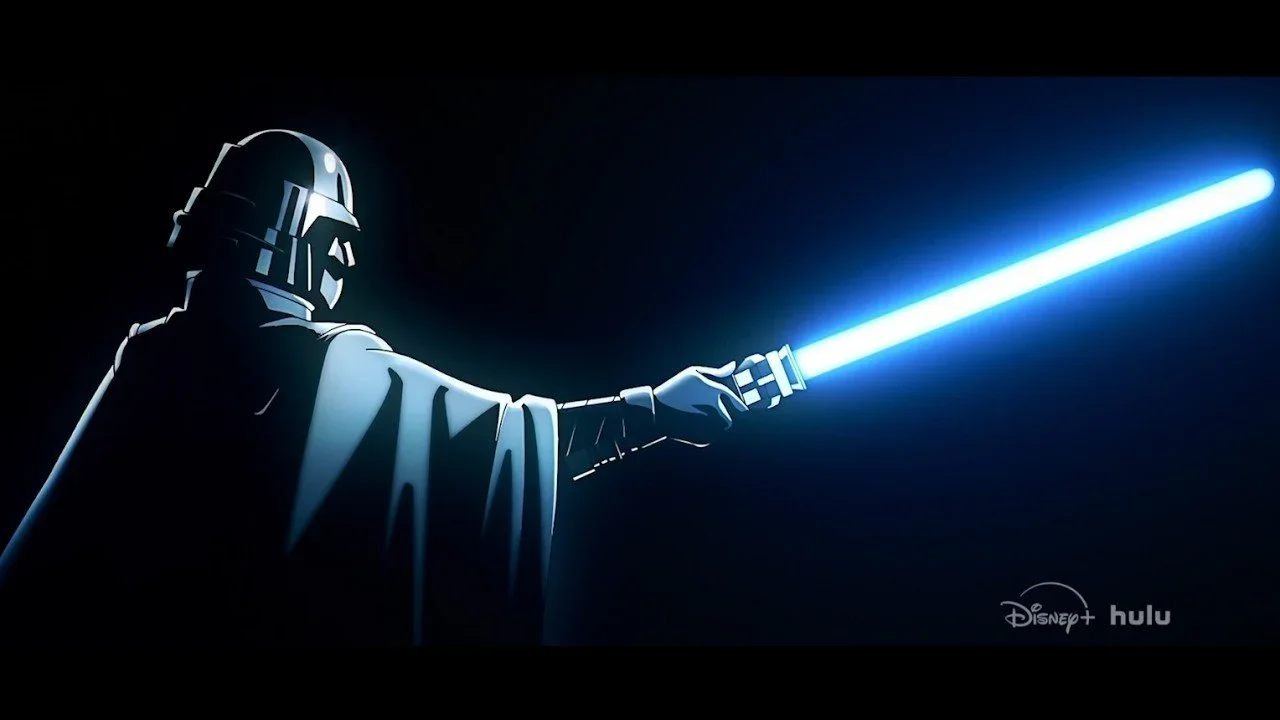
To The Death Star (And Back Again)
When Lucas started working on Star Wars, he drew his inspiration from the TV serials he watched in his youth, like Buck Rogers or Flash Gordon. So he wanted to give a young audience a modern fairy tale, something that could help them escape the harsh realities of the Vietnam War, economic struggles, and the mostly dark and depressing films that were released in cinemas during the early 70s.
Crafting the story of a farmboy on a desert planet, who looked out at the twin suns, he applied the stages set out by Joseph Campbell's The Hero's Journey.
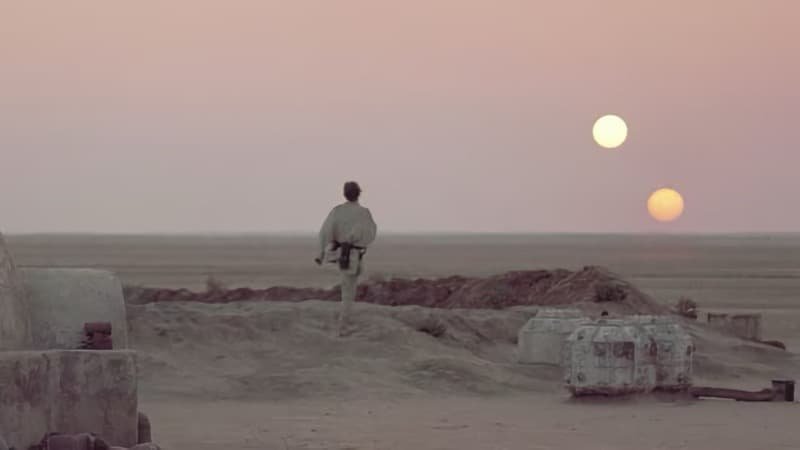
Image Source: SYFY
One might argue if A New Hope includes the complete journey of Campbell's monomyth, or if Luke only reached the 17th stage - Freedom to Live - after he redeemed his father, but ultimately it doesn't matter, as the Original Trilogy followed a rather simple, yet very compelling way of storytelling.
This changed when Lucas started to work on the Prequel Trilogy in the mid-90s. He was now a father with kids of his own, which had a huge influence on him, when he came up with a 9 year old slave boy, a clumsy alien, or farting creatures. At the same time, the stories became more complex. While no one knew (or cared) how and why the Empire had become the ruling power in the galaxy, there were now debates in the Senate, taxation of trade routes, and a banking clan that funded the creation of a droid army.
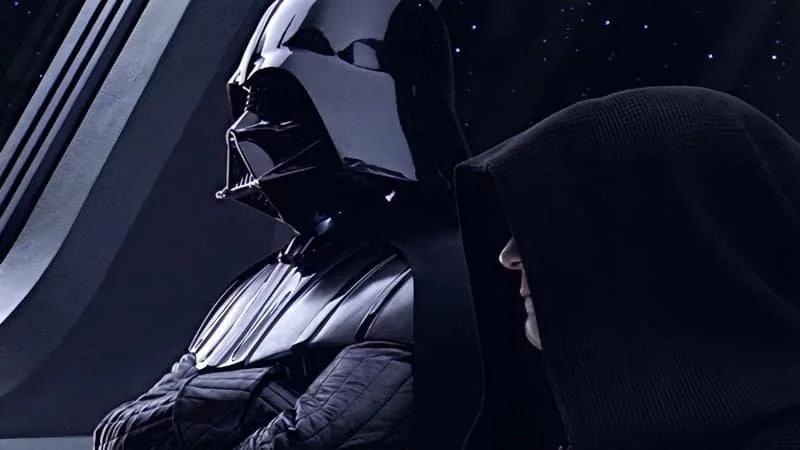
Image Source: ScreenRant
While the events of the OT took place within just 4 years, the PT covered 13 years (with a 10 year gap between the first and the second film) There were still three main characters (two men and a woman), but it was clear from the beginning that their story would not end with a "Feedom to Live". One would die, one had to go into exile, and the third would become the ultimate villain of cinema history. There is a shimmer of hope at the end of Revenge of the Sith, but it's nothing like the "Yub-Nub" in the finale of Return of the Jedi.
Fast forward another decade: Lucas is no longer at the helm of his company and his space opera. Disney has bought Lucasfilm and all its IP and plans to make the Sequel Trilogy. With no single mind to steer the ship (and seemingly no common strategy for Episodes VII to IX), the sequels turn into a kind of disjointed mess: While The Force Awakens heavily played on the nostalgia strings (J.J. Abrams making a kind of A New Hope 2.0), Rian Johnson decided to not realy care about the 101 of Star Wars storytelling. Abrams again was forced to pick up the shattered pieces to bring the Skywalker Saga somehow to a conclusion, while lacking much of a creative vision ("Somehow Palpatine returned").
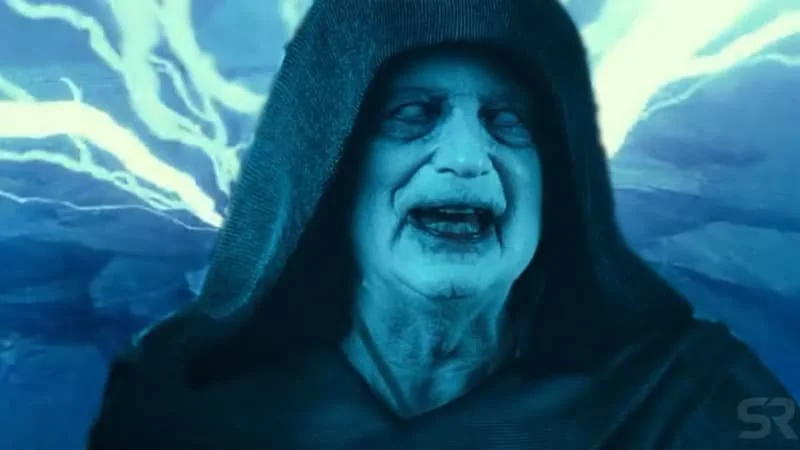
Image Source: ScreenRant
The three films of the Prequel Trilogy failed to satisfy both the old-school Star Wars fans, while many of the new generation simply find the OT too slow and too dialogue-heavy. An unprecedented rift in the fanbase was the consequence.
"I Love You" - "I Hate You"
Growing up in the late 70s and early 80s, it was easy to think that Star Wars was everywhere and everybody loved Star Wars. Whole toy aisles were filled with action figures, while today it is hard to find anything with the Star Wars logo on it on the shelves, except for Lego, maybe.
But this "universal love" wasn't true even back then: Critics had always mocked Lucas for his "wooden dialogues" and refused him his Oscar for Best Picture in 1978. And while many regard The Empire Strikes Back as not only the best film of the saga, but the best sequel of all time, the "vox populi" already turned against Lucas when he introduced the Ewoks in Episode VI, accusing him of doing that only to sell even more toys.
And while there will probably never again be such an anticipation and hype as before the release of The Phantom Menace, the pure joy of getting three more Star Wars movies soon began to sour, when fans relised that the film they had waited for for 16 years was not what htey had expected and that one of the main chracters was the above mentioned clumsy alien and theother one was a slightly annoying young boy and not a Jedi in his prime.
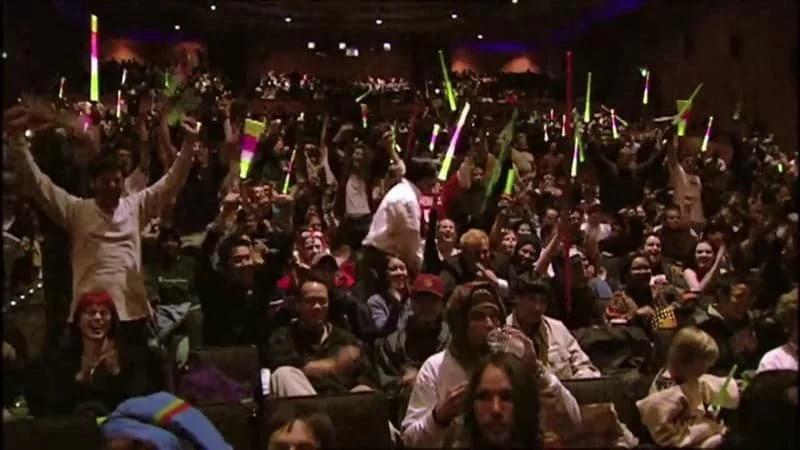
Image Source: Reddit
A rather flat and uninspired love story between Anakin and Padme in Attack of the Clones didn't do much to sooth the angry minds of the fans and while Revenge of the Sith was (and still is) regarded as the best film of the Prequels, the overall consensus seemed to be that the new trilogy was only a far cry from the Originals.
Lucas, who had invested more than a decade of his life and a substantial amount of his money into these films, decided he was done with Star Wars, as he saw no use in creating new content when everybody constantly shouted at him that he was an idiot.
And this was before social media and YouTube really took off!
Things have gotten much worde since then, when Abrams, Johnson and esüecially Lucasfilm CEO Kathleen Kennedy have received (and probably stilldo every day) countless death treats, new shows onDisney+ get review bombed before their release and everybody on YouTube and social media knows for certain beforehand that each new project announced will absolutley crash and burn, and "no one cares about Star Wars anymore".
From Blue To Green To Practical
Say what you want about Lucas's ability to write dialogue or to direct his actors beyond "faster, more intense", but you can never diminish his contribution to modern filmmaking and technology. Unable to find a company that could produce the special effects for A New Hope, he hired a group of young misfits and tasked them with accomplishing the impossible. And while this group first struggled to find their mode of working (due largly to Lucas shooting in North-Africa and not being able to guide them, men like John Dykstra, Joe Johnson or Dennis Muren not only found ways to bring a lightsaber to life, but to make a four foot long model of a Star Destroyer seemingly fly endlessly over your head and to create dog-fights in space that sill hold up today. All this without any CGI and using largely blue screen and matte paintings.
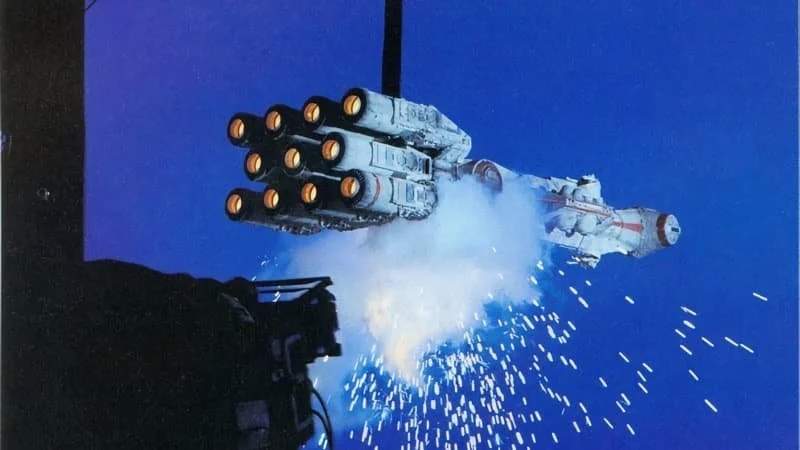
Image Source: X
Still, Lucas was unhappy with the result and started tinkering with the OT more than a decade later, altering shots and adding new effects once digital technology had caught up.
The time of the Prequels was the time of giant green screen sets. Lucas realised that he could build much of his films on the computer, creating not only someone like Jar Jar Binks, but replacing or modifying the faces of his actors, or removing a character altogether if he decided that he didn't fit in a scene anymore.
Starting with Episode II, he pushed for digital cinema, not only when shooting the films, but also for presenting them to their audience. Instead of sending large film reels throughout the world, everything was on a hard drive and projected digitally, reducing not only the production cost but also dramatically improving quality. Cinemas today would probably not be what they are had Lucas not pushed so hard for digital cameras, editing tools, and projectors.

Image Source: Reddit
Although technology has very much improved since 2005, the Sequels returned to a more practical way of shooting, with large real-life sets instead of giant halls covered in green. Shows like The Mandalorian or Ahsoka rely heavily on the Volume, the large semi-sphere with wall-to-wall LCD panels that project the surroundings and even adapt to movements, while Andor used extensive outdoor settings that were digitally amended.
Beyond The Silver Screen
Unlike Star Trek, Star Wars started on the big screen. Even before the Disney era, it had expanded to TV, first with the infamous Holiday Special, then with the Ewoks movies and two animated shows for kids in the mid-80s, and then, of course, with (The) Clone Wars series.
Over time, Lucas had also become more comfortable with letting others play in his sandbox, allowing parodies like the Robot Chicken specials, Family Guy, or Phineas and Ferb. Before the sale to Disney, he had even planned his own parody show with the shelved Detours series.
Star Wars invading the small screen only accelerated after Disney took over wth at least one new show (or at least season) on Disney+ since 2019. Under the leadership of Bob Iger, it now seems that the franchise will mainly return to the place it once started
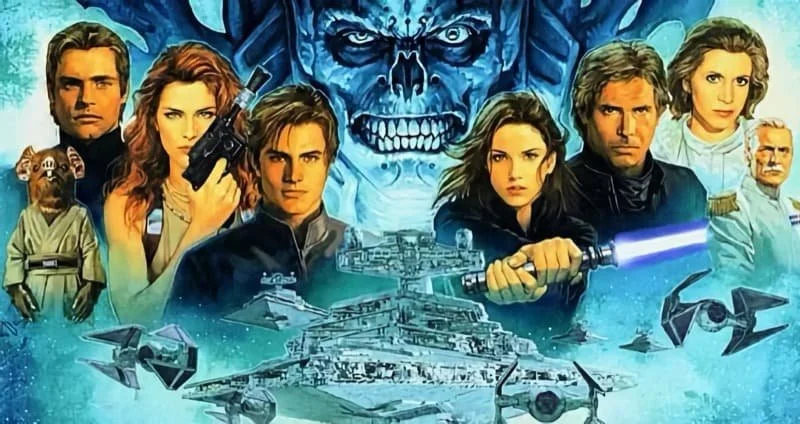
Image Source: ScreenRant
Ever since the late 70s, Lucas had allowed other authors to expand the universe he created. For years, Marvel ran a comic series that not only chronicled the events of the OT but also told stories set between and after the films. Timothy Zahn brought back Star Wars into public consciousness in the early 1990s, and to this day, each month, new comics and books with the Star Wars logo get published, even if the former EU is now Legends.
All these media not only added new genres to the space fantasy of Star Wars, like horror, western, romance, and (yes!) science-fiction, but also introduced characters and events far beyond the Skywalker saga.
And while Lucas allowed these stories to be told (and made good money from them), the books, comics, and video games had always been on a lower level of canon compared to the films and TV shows. With the relaunch under the Disney umbrella, all stories are now principally equal when it comes to lore.
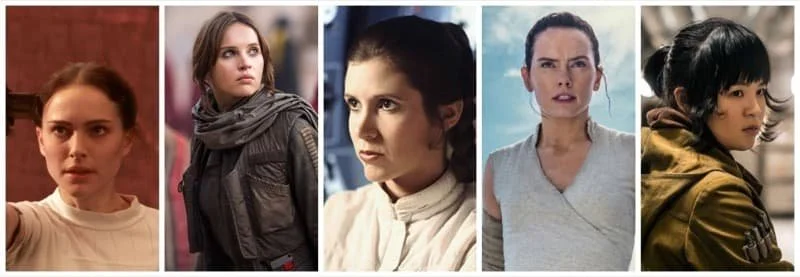
Image Source: Geeks
While Billy Dee Williams was the only actor of color who had a larger role in the OT, many main characters are now played by non-Caucasian actors and actresses. Same-sex relationships are no longer taboo, and directors like Bryce Dallas Howard or Deborah Chow are naturally handed over projects like The Mandalorian or Obi-Wan Kenobi.
Star Wars has evolved much in the last five decades, and while not all of these changes are purely positive, it is still good to be part of a franchise that is far from being forgotten.
READ NEXT:
Sources: J. W. Rinzler: The Making of Star Wars, PaulDuncan: The Star Wars Archive

Latest News
Featured


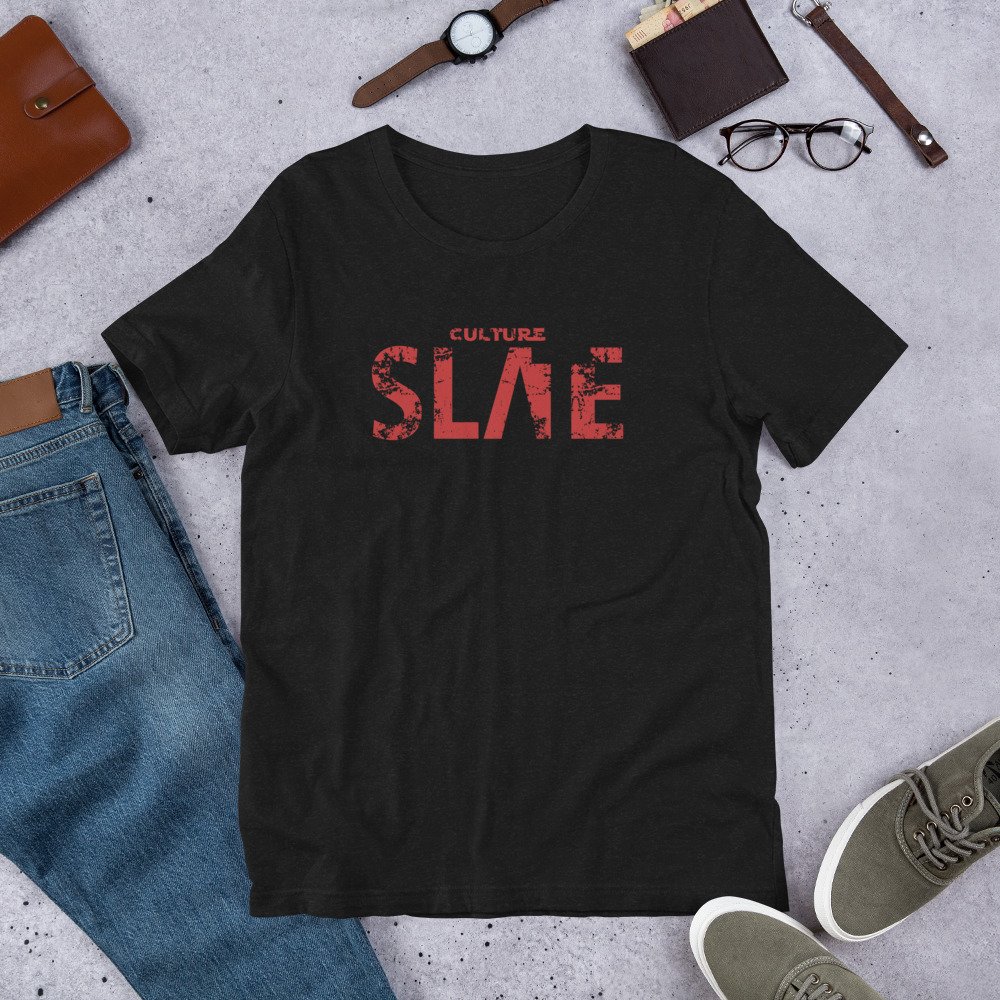

• All sizes are adult unisex
• Printed art on the front
• 100% cotton
• Pre-shrunk fabric
• Shoulder-to-shoulder taping
• Culture Slate Exclusive Design
See more products here