
A Look Back At Jerry Lawson, the Father of Modern Gaming
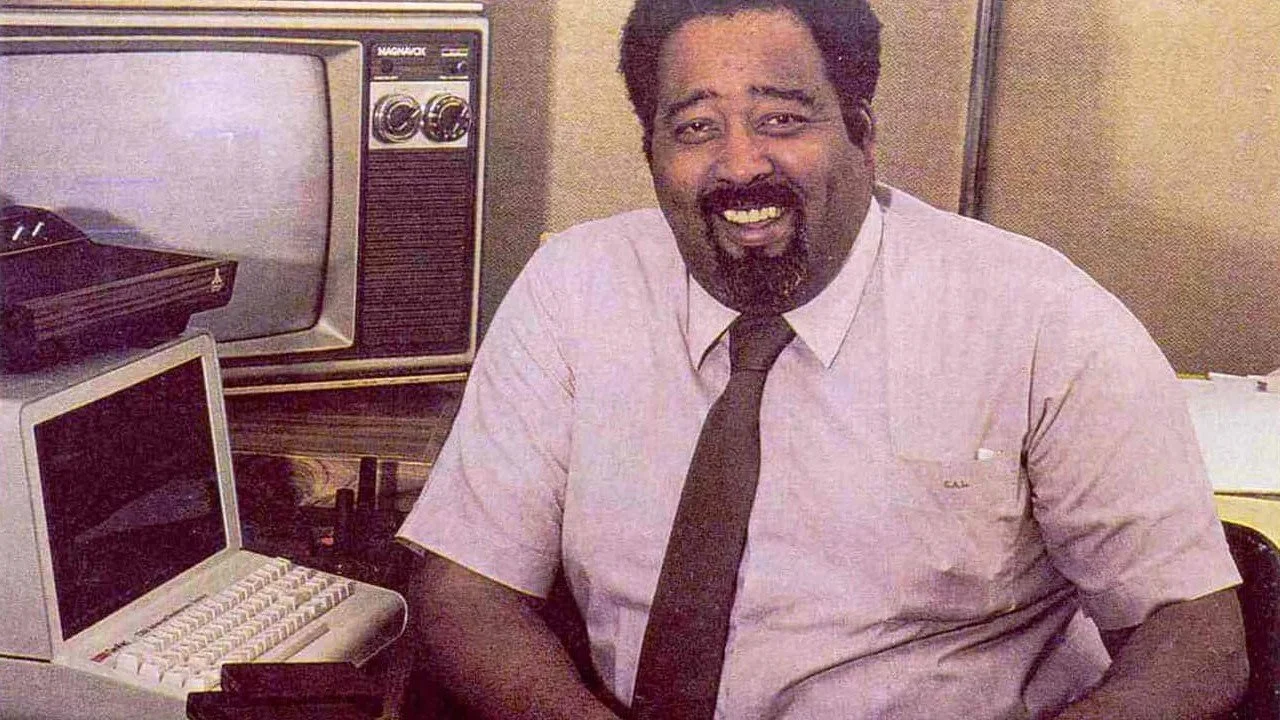
Image Source:
The gaming world is dominated by names like Nintendo, Steam, PlayStation and Xbox. Stakeholders in these organizations are pop culture celebrities, but many forget the foundations of today’s dynamic gaming world.
If you explore the sector’s origins in the late 1970s and early 1980s, you will find Jerry Lawson. Many consider him the father of modern gaming, and for good reason.
RELATED:

The Life of a Gaming Pioneer

Image Source: IMDB
Gerald “Jerry” Lawson was born on December 1, 1940, in Brooklyn, New York. He attended several universities and studied to become an electronic engineer. He eventually got a job at Fairchild Semiconductor and created a coin-operated arcade game in his spare time called Demolition Derby. The project combined his knowledge of microprocessors with his adamant love of video games.
The initiative impressed his superiors so much that management made him the lead engineer of the company’s gaming arm. This is what started his professional dive into the video game universe. It led to the development of the company’s Fairchild Channel F console in 1976. The machine was an early example of a console with interchangeable cartridges. Lawson also designed the revolutionary eight-way joystick for the controller.
His tenure catalyzed every other move in his career, including founding Videosoft in 1980. The company spearheaded many projects for the Atari 2600, which eventually caused the Channel F’s demise. While many projects never saw the light of day, the effort left its mark until Lawson eventually dove into consulting after Videosoft’s closure.
He passed away in California from diabetes complications in 2011. Imaginative thinking and engineering intuition run in the family, as his children — Anderson and Karen — continued pursuing fields like computer science thanks to their father’s inspiring life.
Lawson’s Enduring Influence on Gaming

Image Source: Atari Mania
Videosoft guide and cartridge for testing colors on the Atari 2600 - Image Source: Atari Mania
Lawson was a self-made electronics expert, known as a young professional for repairing TVs around his neighborhood. He also got his ham radio operator’s license and handmade walkie-talkies. These were only some of his early examples of the entrepreneurial spirit that would motivate generations of game developers.
When Alpex Computer Corporation pitched the console idea to Fairchild, it was skeptical. Encouraging consumers to change delicate electronics and potentially introduce electrical and fire hazards was a liability.
However, Lawson was the man behind swappable game cartridges. He influenced even the most modern consoles like Nintendo’s Switch 2 and partnered with other team members to find a way to make them safe to use at scale. This is where console staples like the spring-loaded door were born. The idea eventually became part of the Nintendo Entertainment System’s design and many others.
The technology changed gaming forever. Console libraries were no longer limited by their internal storage. Customers had become long accustomed to equipment like the Pong console, which was sold with games embedded into it. Now, companies could release titles and extend a console’s lifespan for years because software did not need to be soldered onto the primary circuit board.
For over a decade, the Strong National Museum of Play has chronicled and logged Lawson’s documents and impact. It contains artifacts like original video carts and circuit board prototypes. It also has drafts of early concept designs from Videosoft, which the museum called the first Black-owned game development company. Gamers can see these industry-shifting technologies in person, making connections between modern and old hardware.
While most of Lawson’s inventions seem like simple hardware updates, they set the tone for consumer behaviors and developer release cycles.
Companies were suddenly able to create more titles, earn greater profits and continue making more games for audiences. This would not have been possible if Lawson had not collaborated to find new ways to store game data.
Lawson’s Contributions Beyond the Cartridge
Image Source: Wikimedia Commons
Discussing Lawson’s legacy requires a critical look at intersectional gaming and representation in STEM fields. Shortly before his death at the age of 70, the International Game Developers Association’s Minority Special Interest Group honored him for his work for future generations.
Lawson was an innovator and inspiration, especially for Black individuals wanting to enter the scientific, electronic and gaming industries. He was the sole Black man at the Homebrew Computer Club’s meetings in the 1970s and paved the way for engineers of color in Silicon Valley. His promotion and leadership at Fairfield demonstrated how important it was — and is — to have all backgrounds included in the industry.
The gaming sector still suffers from a lack of diversity. The erasure of Black voices and racism in some games still continues to this day. People like Lawson are an essential part of history because, without their contributions, progress may be even slower than it is. It is because of Lawson that many designers and developers of color entered the field with optimism, knowing the landscape will eventually change with their input.
Today’s gaming consoles would look nothing like what they do without Lawson’s mind and determination. It is possible that games would be hard-wired onto systems for decades longer, and many of the industry’s brightest minds would not be there if not for his participation. The mission to provide inclusive, safe and consumer-focused products with a visionary edge began with Lawson and continues in game developers’ offices today.
READ NEXT:

Latest News



Featured







• All sizes are adult unisex
• Printed art on the front
• 100% cotton
• Pre-shrunk fabric
• Shoulder-to-shoulder taping
• Culture Slate Exclusive Design
See more products here