
A Retrospective Of The Fox 'X-Men' Universe: The Originals
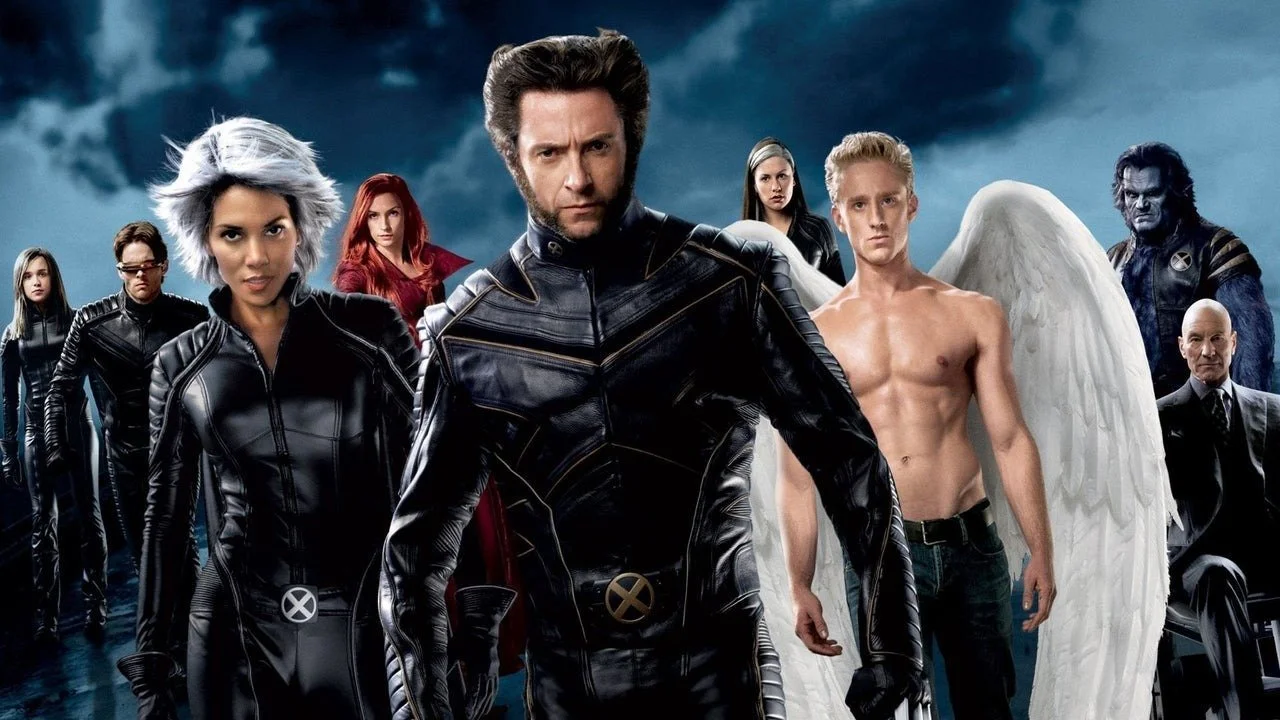
Image Source: IGN
It's hard to believe sometimes, but there was a period in which a superhero movie was a film of relatively low expectation.
Before Robert Downey Jr. unofficially kicked off the Marvel cinematic renaissance with his portrayal of Tony Stark—a.k.a Iron Man—and before he would be brought back to attempt to save it with his casting as Dr. Victor Von Doom, we heralded stars like Tobey Maguire, Wesley Snipes and of course, and most relevant for this, Hugh Jackman, the face of 20th Century Fox's X-Men franchise.
RELATED:
Nowadays, Disney and Marvel have seized the rights to the famous mutants, and plan to unveil their acquisition with 2026's Avengers: Doomsday. However there are still a baker's dozen of Fox produced X-Men films, some focusing on the Wolverine himself, others attempting their own forms of prequels and others still attempting to retcon the subject of today: the original trilogy.
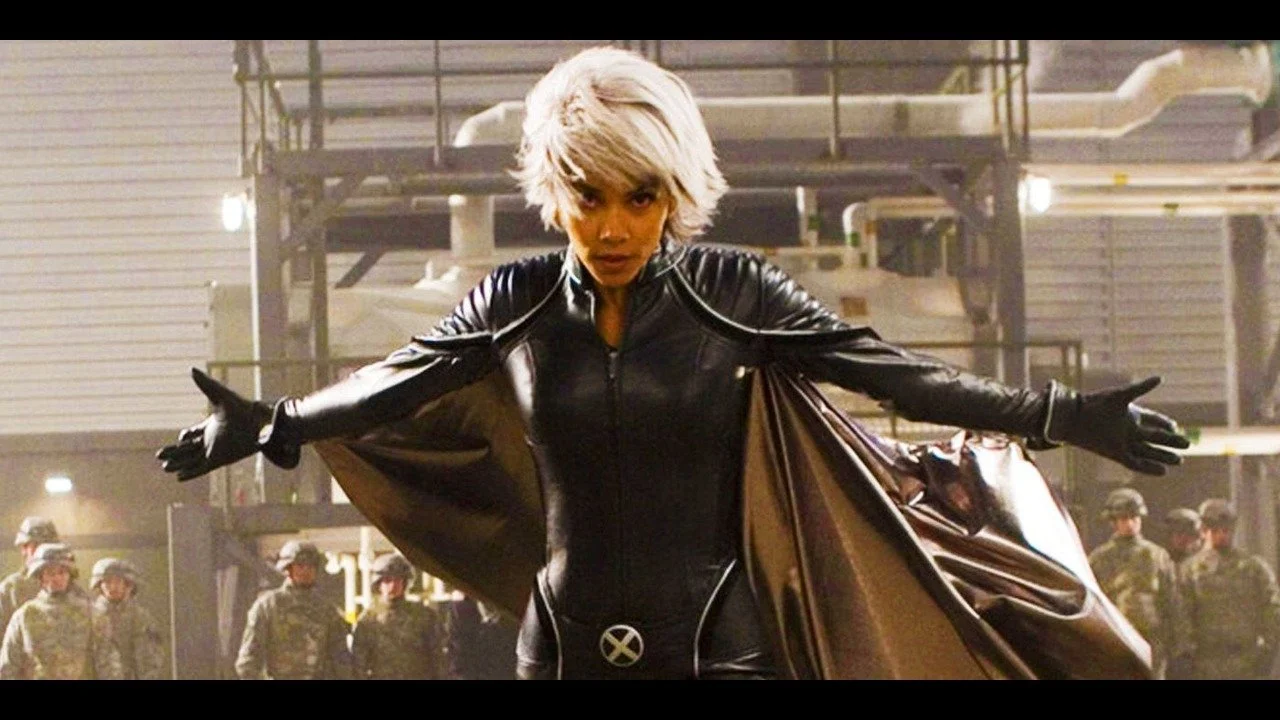
Image Source: ScreenRant
Said trilogy, consisting of X-Men (2000), X2 (2003) and X-Men: The Last Stand (2006), formulated the backbone upon which Fox's storylines utilizing the franchise would be based. While later additions would change minor details, utilize better CGI, or be humorously poked at in films set in the same universe such as Deadpool, there persists an unmistakable charm and influence that is hard-pressed to be replicated.
X-Men, the series' kickstarter, is relatively basic in terms of story, which is part of the reason it works so well. While the political elements are there, the story presented is more personal, showcasing a young Rogue's fear and growth as her new abilities turn over her life, an amnesiac Logan/Wolverine finding a new home, and setting the groundwork for the ideological war that separates Charles Xavier's X-Men from Magneto's Brotherhood.
X2, also released as X-Men: United and X-Men 2, builds upon that groundwork, taking the discriminatory elements presented in the first film and expanding it. Where the likes of Senator Kelly are largely solitary in X-Men, X2 makes them a vital plot point. The Xavier Mansion, the homestead and sanctuary of young mutants are breached by hostile government agents, forcing the cold water of the outside world into their lives. It's a symbolism we see in real life all the time: places of worship, schools, community centers and charity organizations—they can be attacked, with guns, bombs and threats. Places that should be safe are now full of danger.
And it has consequences—Jean Grey dies, and in doing so a lover, friend, teacher and pupil is lost. The tragedy isn't only who dies but who gets left behind, and what they choose to do. Some refuse to let it define them or alter their morals.
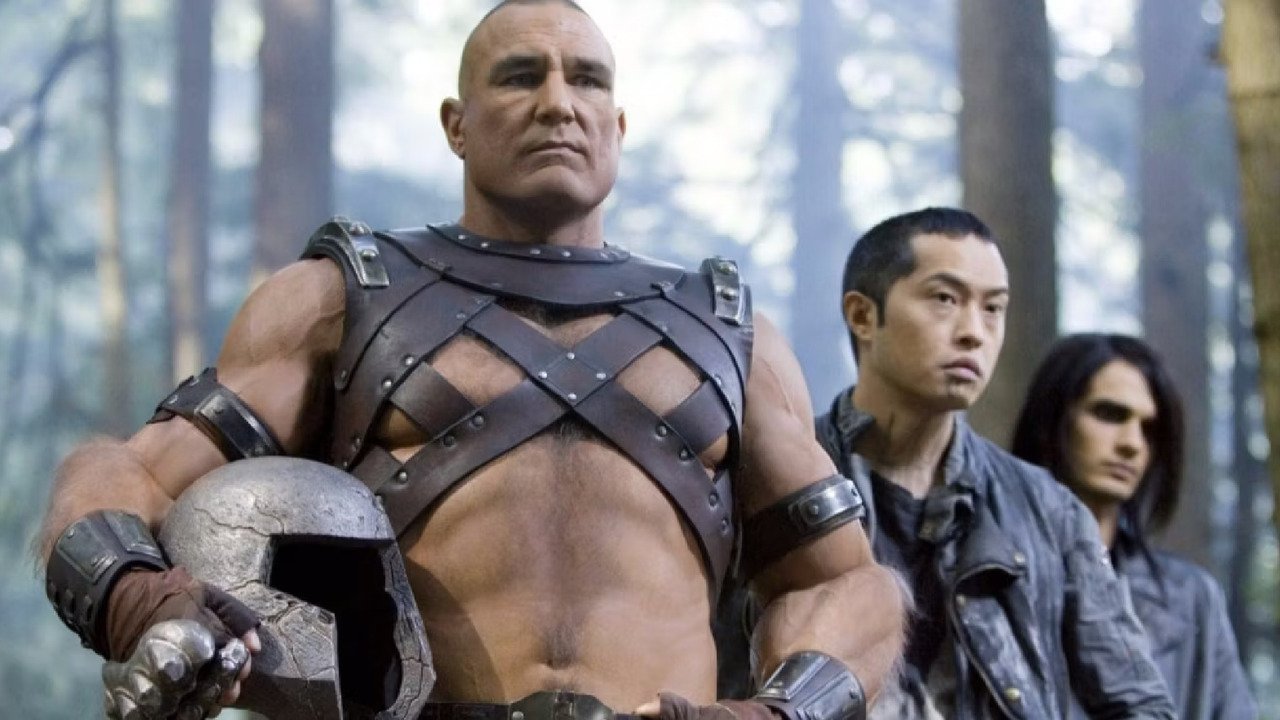
Image Source: GamesRadar
X-Men: The Last Stand is ostensibly about attempted genocide, and a layer below that, a compressed Dark Phoenix saga. But in conjunction with X2, it can be argued that all together, the film is about radicalization. The easy answer for the resurrected Jean Grey's dark deeds as the Phoenix is that it's simply a hostile entity within her. Yet at the same time…its alao still Jean.
Jean dies. Nobly, willingly, but dies nonetheless, drowning because of the cumulative actions of one man's greed, paranoia and fear. And so yes, the Phoenix is there, but there's also the fact that a part of Jean wants to lash out. A part of Jean wants revenge. A part of Jean is hurting and wants the world to hurt, wants the world to be cleansed. Just like Magneto. Just like the people they hate in turn.
It's about abuse—Charles sealed a part of Jean away as a child, without consent, without knowledge. It's a stark reminder that even some of the most upstanding members of society can make grievous errors or abuse their status.
And it's about letting go—Xavier dies. Jean cannot, will not stop, and must be forcibly put down. Sometimes the path one takes is one that cannot be followed. Standing behind a monolith (be it the X-Men following Xavier, the Brotherhood following Magneto, or Warren Worthington III bowing to the fears of his loving but intolerant father) is inspiring, but it's also easy. A people cannot grow if their values die with a singular entity.
Which, to their credit, they do. The X-Men continue to grow, teach and protect. They do not simply mire themselves in the isolation of the past but work to embrace the dream that Xavier envisioned: humanity and mutant kind working and living in tandem. It's not perfect, of course; hate groups still persist, and Magneto is hinted at not only maintaining his ideology but his regaining his lost abilities. It's messy, but it's life.
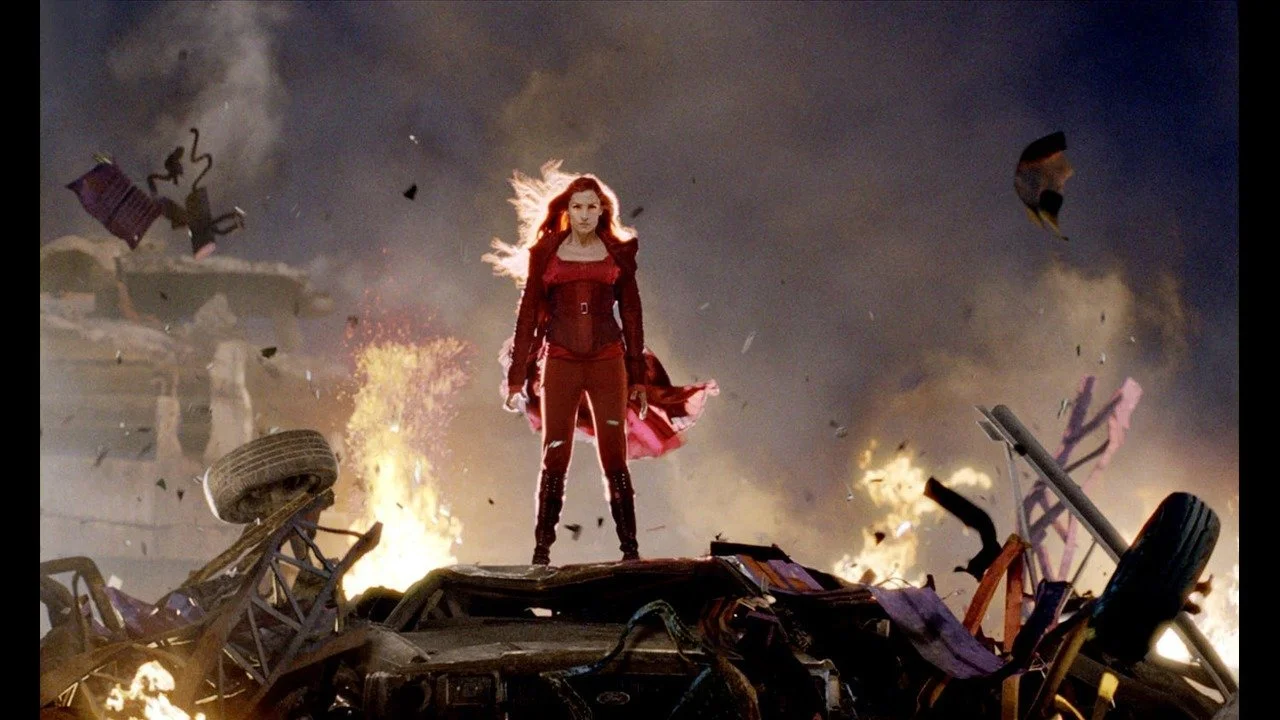
Image Source: Medium
Which, to their credit, they do. The X-Men continue to grow, teach and protect. They do not simply mire themselves in the isolation of the past but work to embrace the dream that Xavier envisioned: humanity and mutant kind working and living in tandem. It's not perfect, of course; hate groups still persist, and Magneto is hinted at not only maintaining his ideology but his regaining his lost abilities. It's messy, but it's life.
And perhaps that is why, while not perfect, the original trilogy holds up well over two decades later. There is, ironically, a human element that shines through, that we can connect to. Cool battles and meme worthy lines are well and good, but some of the most upstanding moments that get remembered are the quiet emotional ones. Moments that, for many, have gotten lost in more recent superhero films, replaced by a bid to make things bigger, better and bolder.
Whether future films come to follow this example or whether it is s style of storytelling now lost to time, one cannot say. However it cannot be denied that the original X-Men trilogy remains a treasure worth revisiting.
READ NEXT:
Latest News
Featured


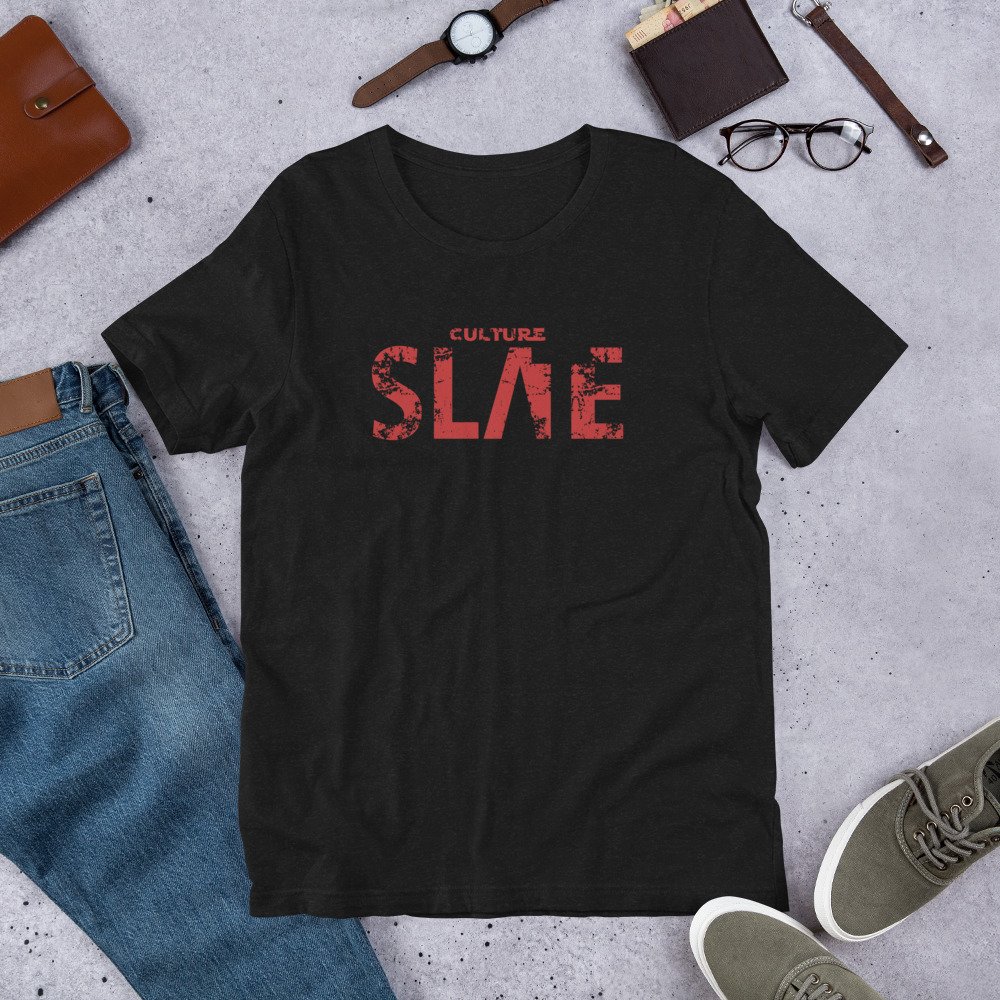


• All sizes are adult unisex
• Printed art on the front
• 100% cotton
• Pre-shrunk fabric
• Shoulder-to-shoulder taping
• Culture Slate Exclusive Design
See more products here