
'Star Wars' Guidebook: Lothal
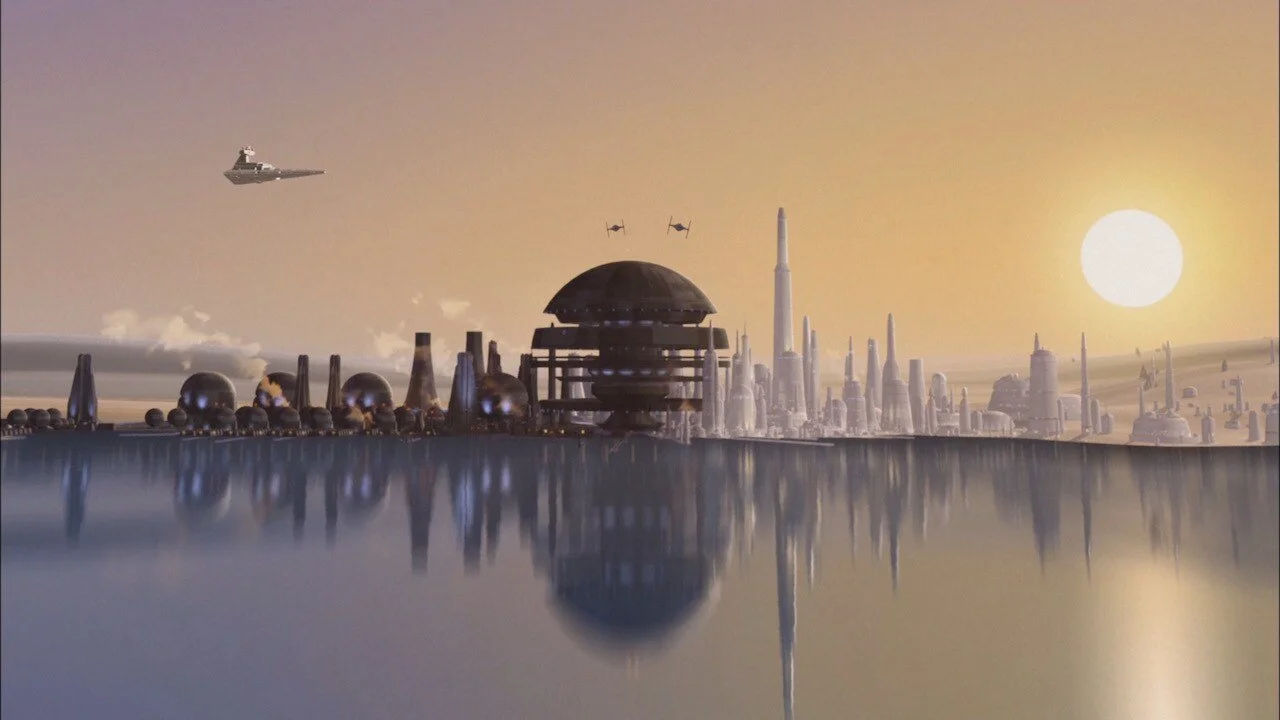
Image Source: Starwars.com
The Star Wars galaxy consists of billions of stars and millions of inhabited worlds. Some of them are just birthplaces of certain characters, locations of temporal refuge, or sites of exchange of certain goods and services, but some of these planets hold a greater importance for the overall story of Star Wars.
One of these planets is Lothal.
General Information
Location
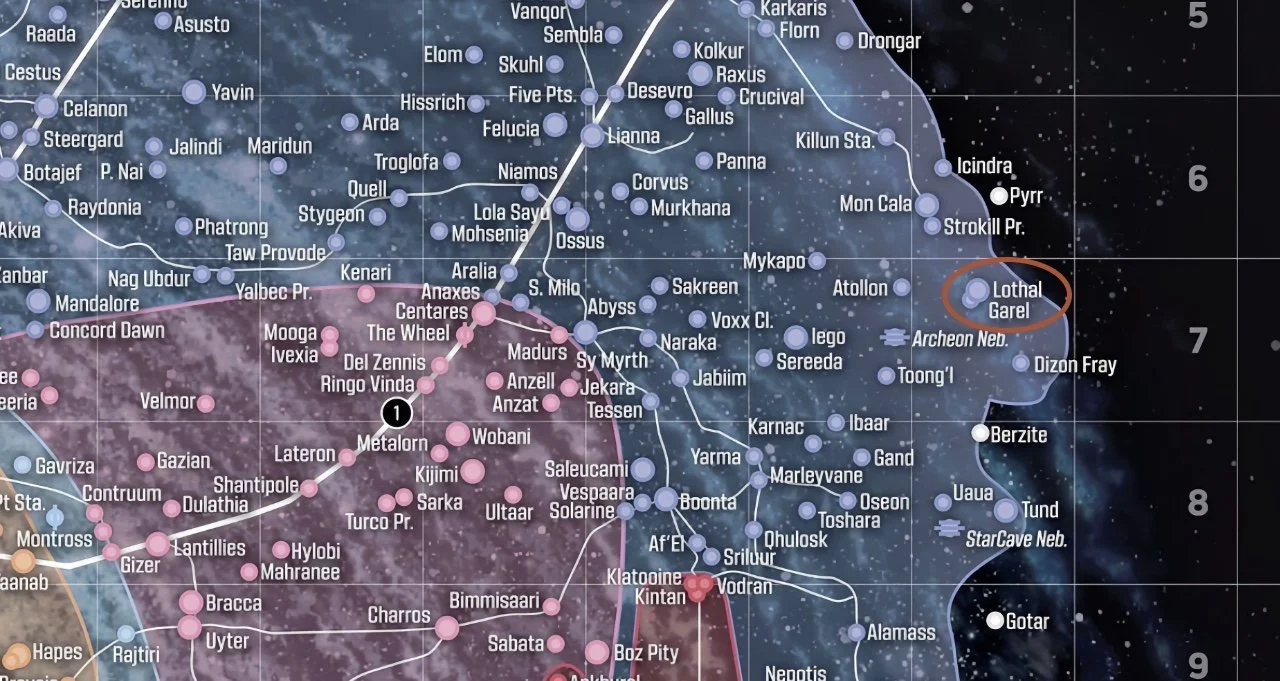
Image Source: starwars.com
The planet Lothal was part of the Lothal system, which itself was located in the Lothal sector that included 13 other star systems as well as the planet Oon and the Archeon Nebula. Set on the border of the Outer Rim territories in the "north-east" of the galaxy, it was far from any of the five major trade routes, but connected to the rest of the galaxy via the Outer Rim Trade Route.
RELATED:
It shared a border with the Calamari sector "to the north". Lothal, as a planet, had one sun (also called Lothal) and two moons.
Landscape
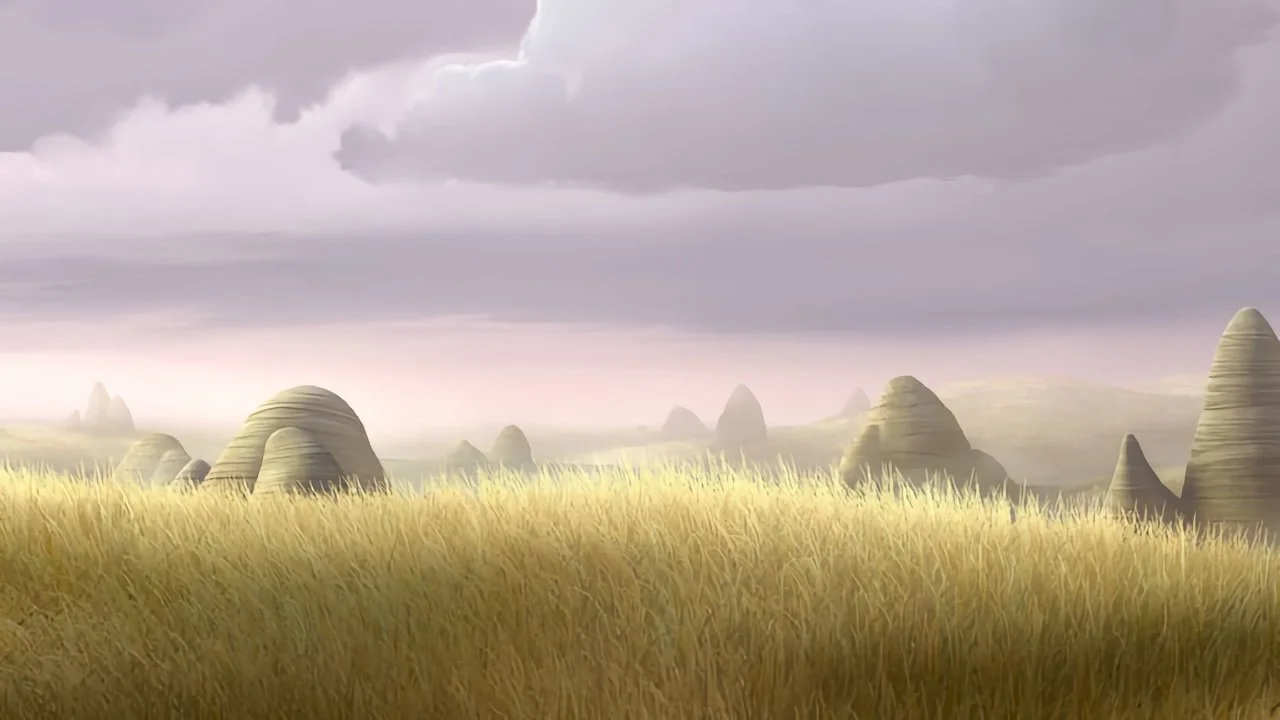
Image Source: Porgology
Lothal was a Type I planet, which means it had a breathable atmosphere. Its landscape was made up of vast prairies and grasslands, interrupted by rock formations and snowy mountains, and inland seas with fresh water.
Population and society
As a colonized planet, Lothal was home to many sentient species. Aside from humans, it was home to many Ithorians, Rodians, Aqualish, Gotals, Ugnaughts, and many others, all usually living in peaceful coexistence. Galactic Basic was the most prominent (and official) language, though many species stuck to their own tongue when talking among themselves.
Major Settlements and Landmarks
Capital City
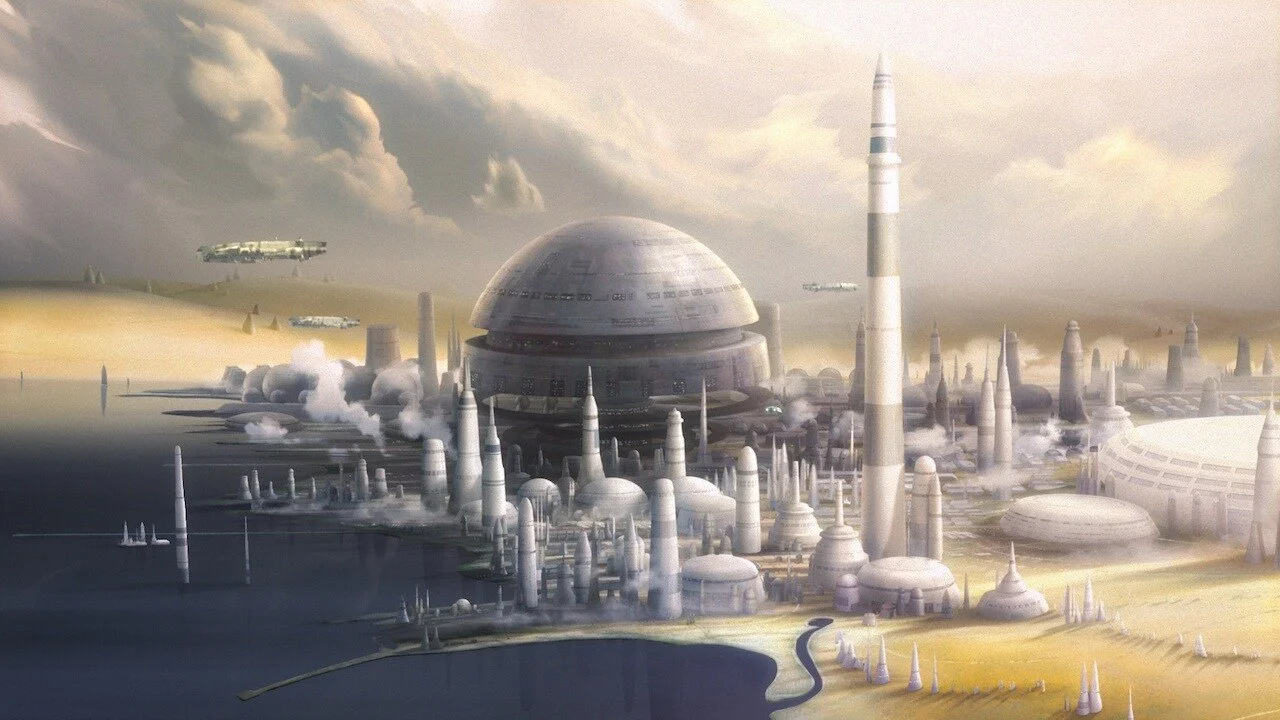
Image Source: Porgology
Established on the site of the planet's main trading hub by the early colonists of Lothal, Capital City was by far the biggest town on Lothal and also its capital.
Initially made up of mostly one or two-story houses like many settlements in the Outer Rim, with markets and small plazas spread between them, the town's center was the Lothal City Capital Building, home of the governing entity - the Senate.
This peaceful and quiet appearance changed after the arrival of the Empire, which depopulated and demolished whole sections of the city, erecting skyscrapers, academies, factories, and a massive dome, overarching the city in their place.
Over time, the old parts of Capital City began to deteriorate while the cold and grey imperial architecture dominated more and more.
After the fall of the Empire, the city regained its beauty with massive white spires and skyscrapers, turning Capital City into a modern and hopeful place to live.
The Jedi Temple
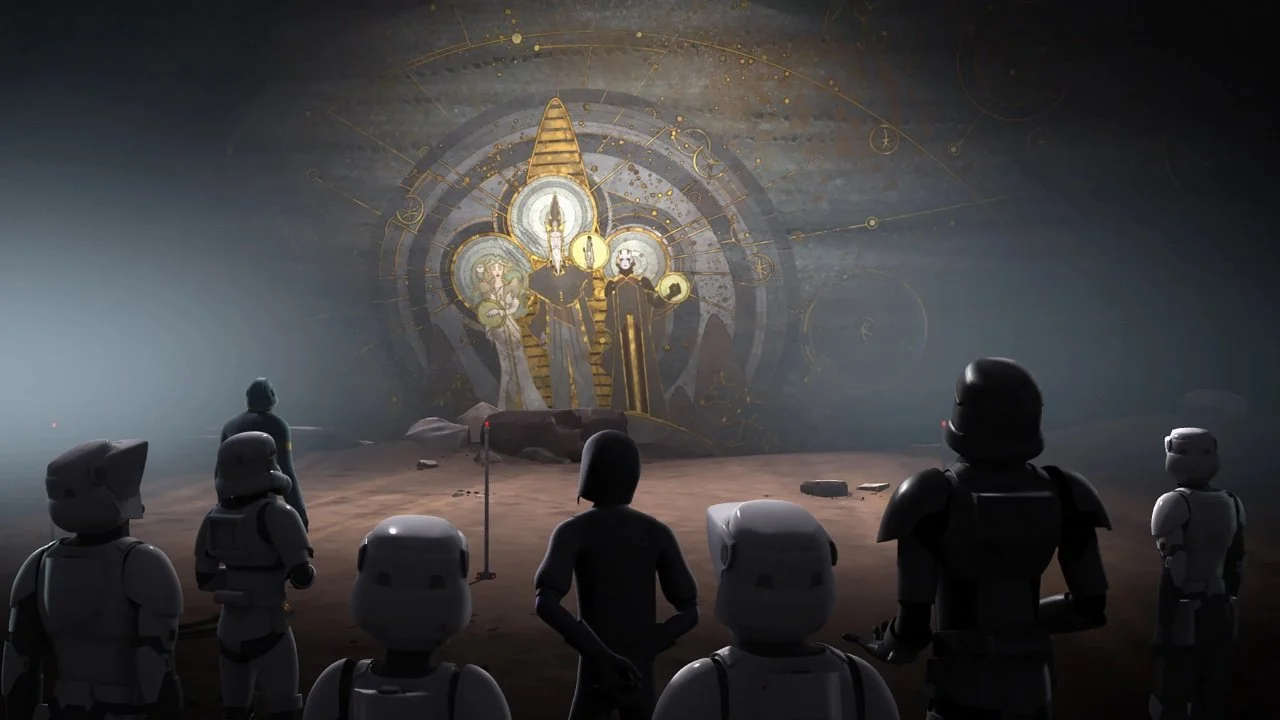
Image Source: Mynock Manor
Located in the northern hemisphere of Lothal, the ancient Jedi Temple was built upon a vergence in the Force and existed until 1 BBY.
The main reason for it not to be destroyed by the Empire like many other Jedi Temples was that its entrance was within a giant stone spire that was usually hidden in the ground.
It took the combined efforts of a Jedi and his Padawan to raise this spire and allow entrance to the massive cave system that constituted the temple.
For centuries, it was used as a place for Jedi Trials, determining the strength of the bond between a Master and his or her apprentice.
Once the entrance was open, the Master stayed in the entrance hall meditating, while the padawan went deeper and deeper into the underground labyrinth, experiencing visions in the Force. Those who could not withstand these visions and find their way back would be trapped inside the temple forever.
The temple also held a mural of the Mortis Gods, which could create a portal to the mystical realm of the World between Worlds. When the Empire discovered the Temple, it frantically tried to open this portal to allow Palpatine to alter time and space, but failed, ultimately bringing the Temple down, hiding it underground forever.
Notable fauna
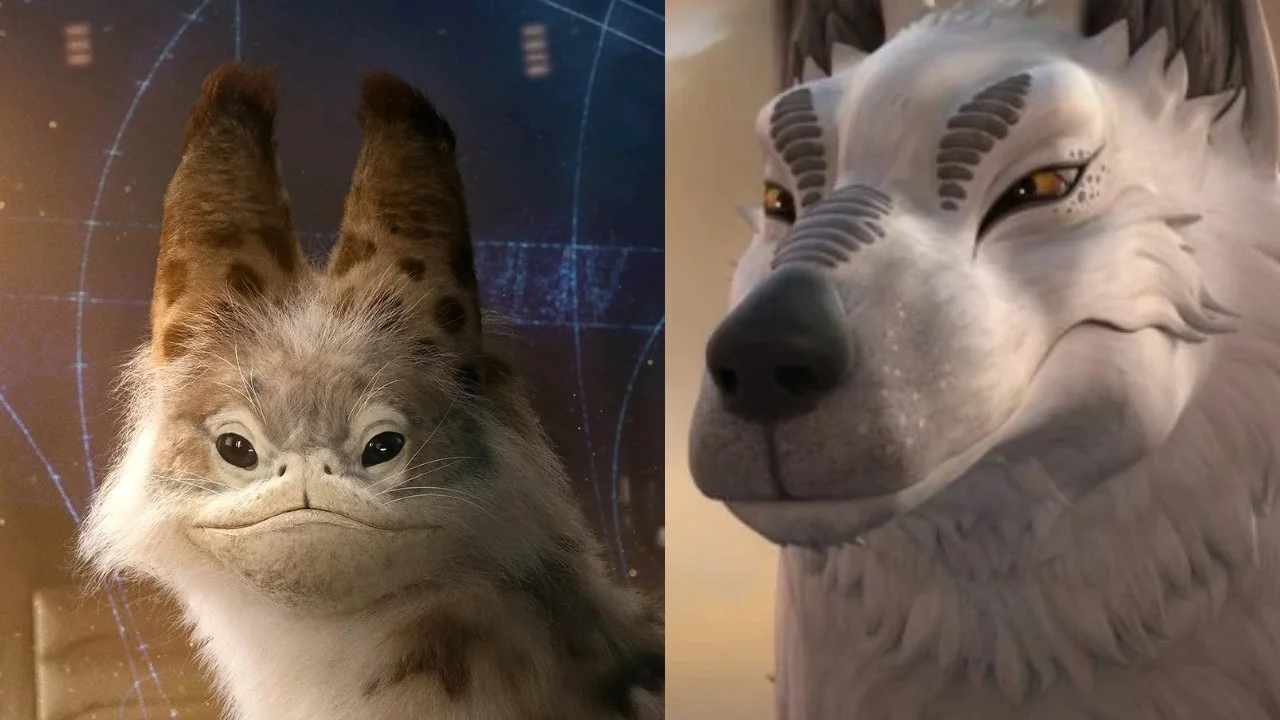
Image Source: CultureSlate
Loth-cat
This non-sentient feline species was part of the Tooka family, living in the grassy plains of Lothal. Covered in fur aside from the four black paws, they hunted smaller animals, especially Loth-rats.
While initially wild and not attuned to humans, some Loth cats were domesticated and held as pets, even on planets far away from Lothal.
Loth-wolves
With a height of more than two, and a length of more than five meters, these sentient creatures were a sight to behold and feared by the early settlers of Lothal. By the time of the Empire, the wolves were mostly thought to have been extinct, but a few remained, hiding from the regime until their time had come.
While the animals could speak some Basic, but hardly did, what set them apart was their deep connection to the Force, making them a kind of guardians of the Light Side.
They were also able to create hyperspace-like tunnels through the core of Lothal, enabling them to travel from one hemisphere ot the other in no time.
While despising the Empire, the wolves only over time learned to trust the Jedi Kanan Jarrus, Ezra Bridger, and the other rebels.
The largest wolf, called "Dume", gave Ezra a mystical stone that enabled him to enter the World between Worlds inside the Jedi Temple and to save Ahsoka Tano.
History
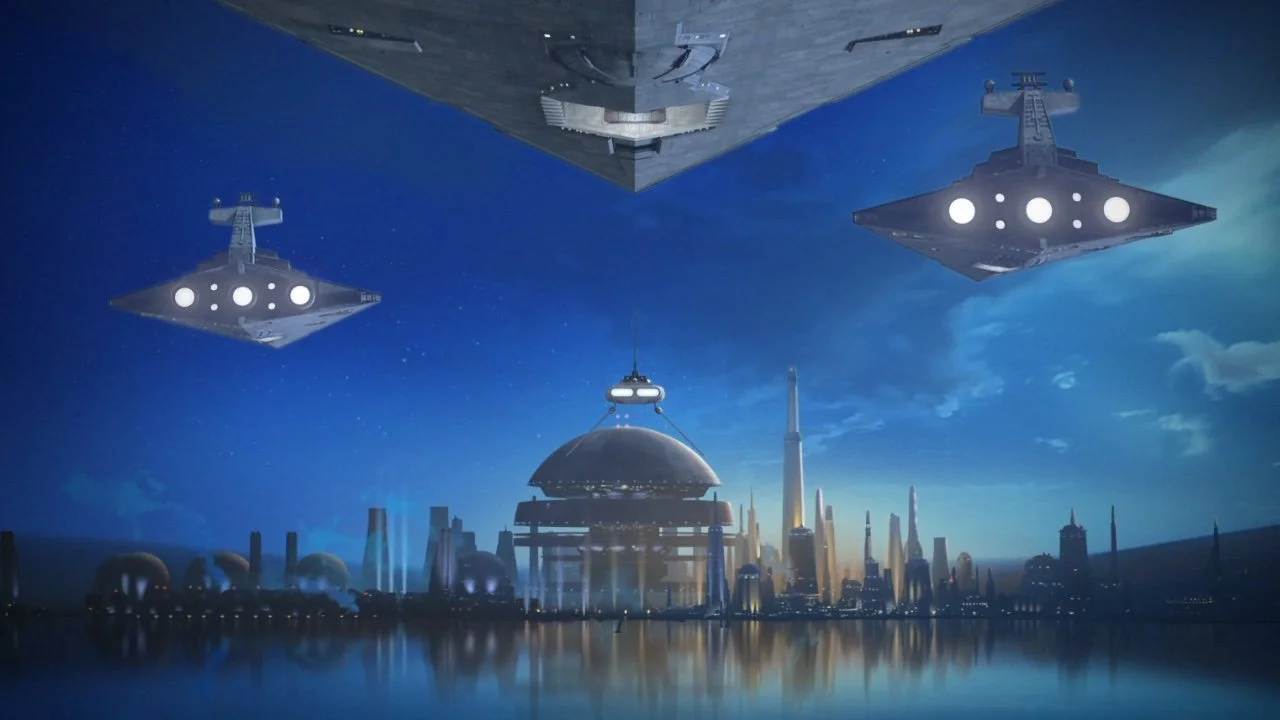
Image Source: Star Wars Thoughts
Millennia before the Battle of Yavin, a group of Jedi traveled to Lothal, building a Jedi Temple on one of the tundras where they sensed a nexus of the Force.
Roughly 3,200 years before the declaration of the Empire, the first settlers arrived on the planet. Benefitting from the mild climate and unbothered by everything happening in the galaxy, more and more emigrants of various species came to Lothal, establishing a community of farmers, growing fruits and grain, and raising livestock. As the farmers produced more than they could use themselves, many of these goods were exported, leading to growth and prosperity for centuries.
This changed when, during the time of the Clone Wars, a severe drought and a plague hit the planet, leading to a nearly complete collapse of agriculture. Hoping for aid from the Republic, the Lothal Senate had to learn that winning the war was more important than the suffering of a planet that was not even involved in the conflict.
When things didn't get better after the fall of the Republic, Lothal turned to the Empire, which quickly saw the potential the planet offered for the new regime: Deep under the surface, where important materials like Doonium and Kyber that the Empire needed for its growing war machine, the vast plains offered enough space for military facilities and testing grounds for various vehicles, and the farmers and technicians who had suffered for years offered a constant source of cheap workforce.
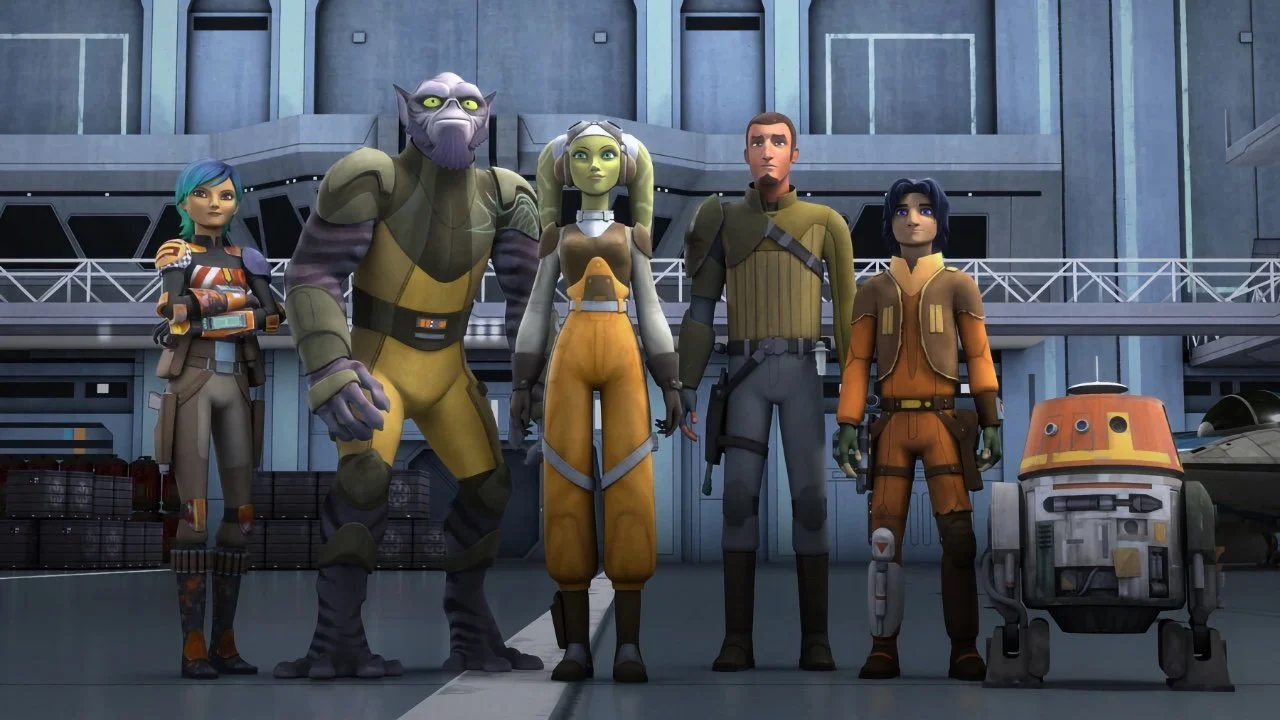
Image Source: Wookieepedia
Lothal became home to several imperial academies and schools, where young people, both local and from abroad, were indoctrinated by Imperial propaganda. Siena Systems built an Advanced Project Laboratory there, and in the later years of the Empire, the planet was used as a testing facility for the TIE Defender Elite starfighters.
After initially welcoming the arrival of the Empire, the population soon had to find out that their "benefactors" had absolutely no interest in the well-being of the planet and its population. Stripping Lothal of its natural resources and polluting soil, air, and water, resistance began to grow, giving the Empire an excuse for even more oppression.
The ruthless and eager Governor Arihnda Pryce, who was well established in the Imperial hierarchy and never hesitated to crush anyone who threatened her power, made Lothal a naval facility and regional hotspot of the Empieral fleet.
But the ever-growing oppression only led to more sparks of rebellion: By 5 BBY, a group calling themselves Spectres, consisting of the pilot Hera Syndulla, the Jedi-in-hiding Kanan Jarrus, the former thief and later Jedi Ezra Bridger, the Mandalorian Sabine Wren, the Lazat Zeb Orrelios, and the astromech droid Chopper, started to spoil Imperial operations on Lothal, first by stealing food and weapons, but later also by infiltrating and sabotaging Imperial infrastructure.

Image Source: Star Wars Thoughts
With Pryce being unable to deal with the insurgency quickly and swiftly, the deeds of the Spectres brought Grand Moff Tarkin, Grand Admiral Thrawn, and even Darth Vader to Lothal, all of them using the full force of the Empire to crush any resistance and bring the planet back in line.
Fearing that their endeavors would only worsen the situation for the local population, the Specrtes left Lothal for some time, but then decided to return and free their world from the Empire once and for all.
Expecting their return, Pryce and Thrawn set several traps for the rebels, one of them killing Jarrus, who sacrificed his life to save those of his comrades and forcing Ezra to join Thawn on board of his star destroyer Chimaera only to have the ship and its crew taken by a group of Purgills into another galaxy.
With Pryce killed and Thawn gone, Lothal was liberated, and although the population feared that the regime would return with a vengeance, that never happened.
Years after the Battle of Endor, Ahsoka returned to Lothal to pick up Sabine to start the search for the missing Ezra.
Appearances of Lothal in the Current Canon
Lothal was featured heavily in the animated show Star Wars: Rebels (43 of 74 episodes). It also appeared in the first two episodes of the live-action show Ahsoka, which is kind of a fifth season of Rebels.
Lothal was a location in many of the tie-in material to Rebels (books, comics, magazines, and video games), most notably in the Servants of the Empire book series by Jason Fry.
Outside of Rebels, Lothal appeared in two of the Adventures in Wild Space YA novels, issue 19 of Marvel's main Star Wars comic line from 2020 (where Luke Skywalker hopes to find some answers on Lothal), and the Galaxy of Heroes mobile RPG game, to name just a few.
READ NEXT:

Source(s): Adam Bray: Star Wars Rebels - The Visual Guide, Adam Bray et.al: Star Wars: Absolutely Everything You Need to Know, Simon Beecroft et.al: Star Wars: Complete Locations, Emil Fortune: Star Wars: Galactic Atlas
Latest News
Featured




• All sizes are adult unisex
• Printed art on the front
• 100% cotton
• Pre-shrunk fabric
• Shoulder-to-shoulder taping
• Culture Slate Exclusive Design
See more products here