
Panel Highlights From G-FEST 2025
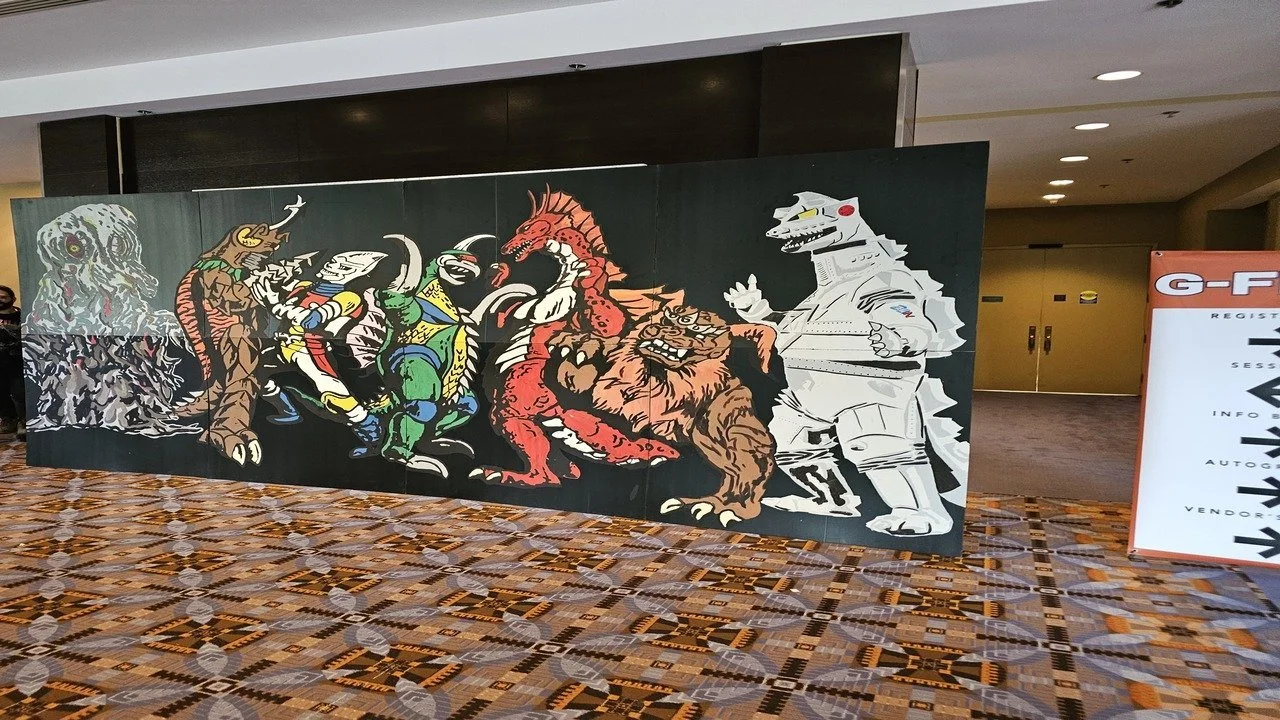
Image Source: CultureSlate
This weekend, I attended G-FEST, the largest kaiju convention in the world. It’s like your average con, with a vendor hall, artist alley, panels, autos, you name it, but solely focusing on giant monsters like Godzilla. I didn’t attend too many panels, but I did catch parts of some, the entirety of one focused on one of my favorite films of all time, Godzilla Minus One. The panel was extremely interesting, and it will have me looking at the film in a new way.
One of the panels I saw a part of was the Ultraman panel, which included the original suit actor, Bin Furyua. While I didn’t catch the entire thing, I did manage to catch some of the questions that were asked. One of the things that Bin Furuya said was how tough it used to be for suit actors, but now there are a bunch of people who want to be suit actors.
RELATED:
Another question asked about the difference between the films now and back then. He jokes that it’s the budget of the movies now, compared to the budget they had in the 60s for the original Toho movies, but that the passion for it remains the same. He also has a hidden talent for tap dancing, and even performed for us a little bit, which was a lot of fun.
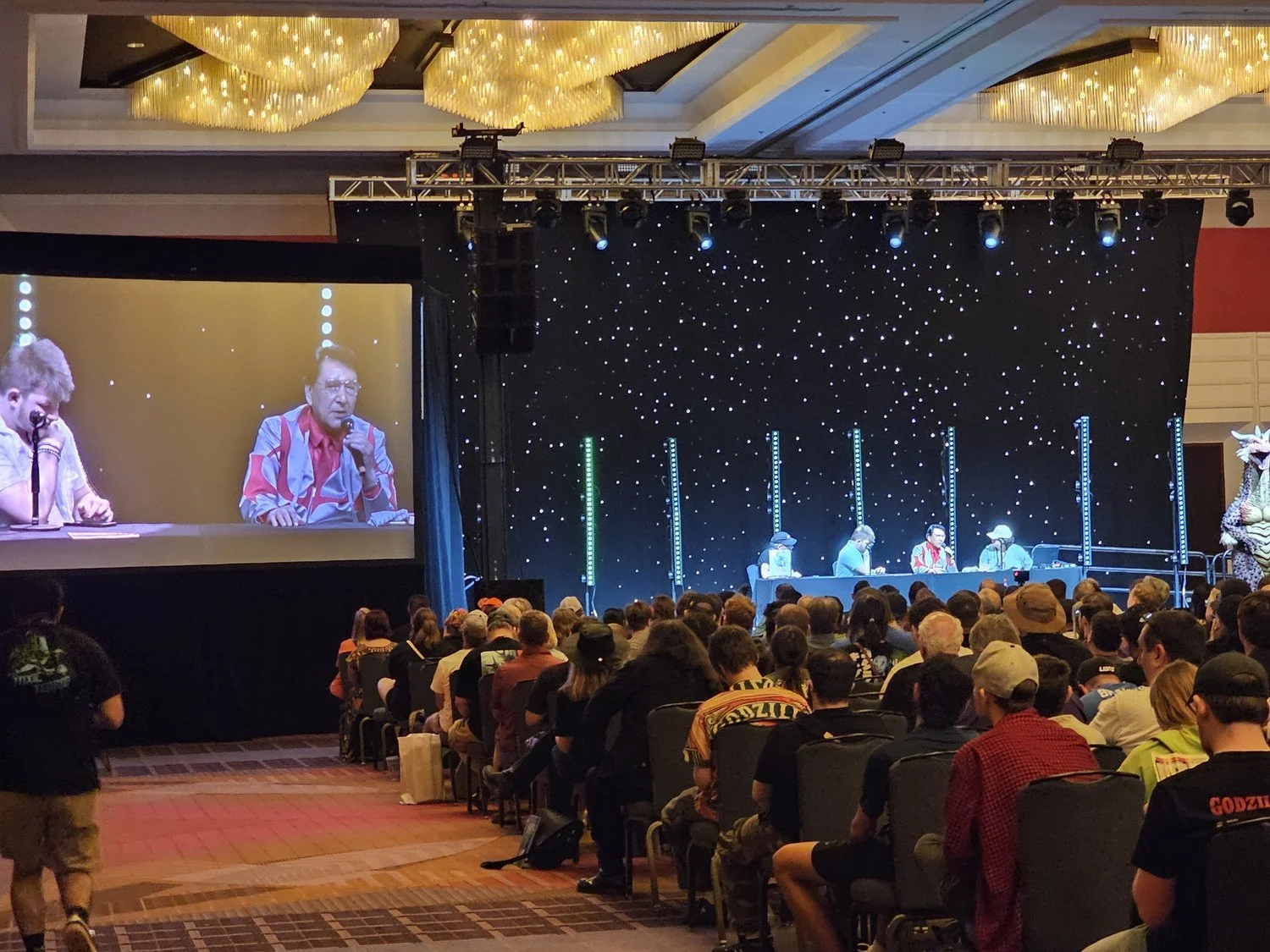
Image Source: CultureSlate
Another panel I caught the end of focused on the kaiju films of Minoru Kawasaki. I have never heard of this director before, but after attending part of this panel, I will definitely be checking out some of the films that were mentioned. They all seem absolutely insane, and also a ton of fun. The two panelists were also having a great time talking about these films and how ridiculous some of them are. They also mentioned that the film Outerman is a good watch for anyone who grew up watching Ultraman.
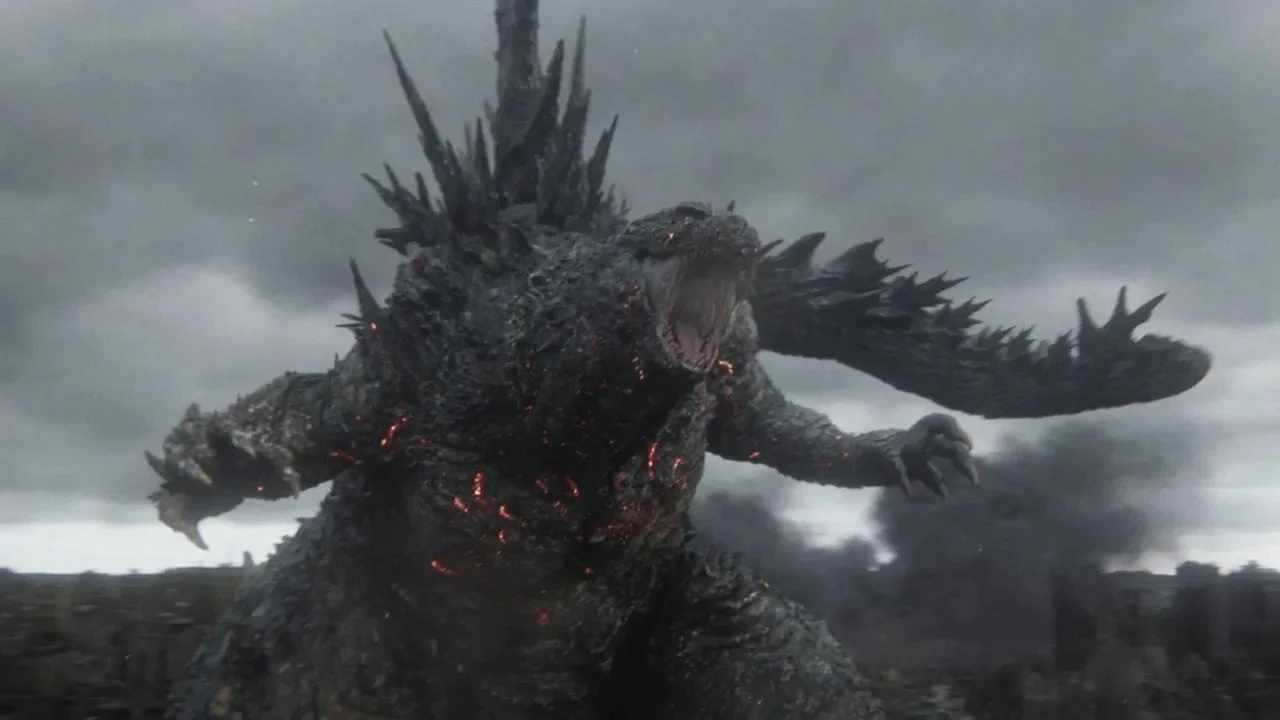
Lastly, I attended a panel about Godzilla Minus One. This panel specifically focused on the history, society, and symbolism within the movie. The first panelist talked about the history of the Godzilla films. Godzilla movies have always been political, even back when he was first introduced in 1954. It's no coincidence that Godzilla Minus One takes place right after the events of World War II. He also mentioned some criticisms of the movie, which he said took a lot of research to find. Some say the film was romanticizing kamikazes, glorifying war, and included historical revisionism.
The next panelist talked about the societal metaphors shown in the movie, in both the characters and Godzilla himself. Godzilla was a representation of trauma, war, and nuclear devastation. The original movie was somber, serious, and came out 9 years after the bombings of Hiroshima and Nagasaki. He was used as a metaphor for the societal dangers of nuclear weapons. When talking about Godzilla Minus One, however, Godzilla is a physical manifestation of Koichi’s survivor's guilt, which he is able to overcome by the end of the movie, during the final fight against Godzilla. Koichi himself is a metaphor for wartime trauma, and even though his life becomes pretty good after returning home, he cannot overcome his trauma and PTSD from the war. It’s nice to see someone like Noriko be more than just a supporting character, and get some agency herself, with her job in Ginza. Lastly, it’s great that no one dies in the final battle, because at the end of the day, it was regular people who took down Godzilla in the end.
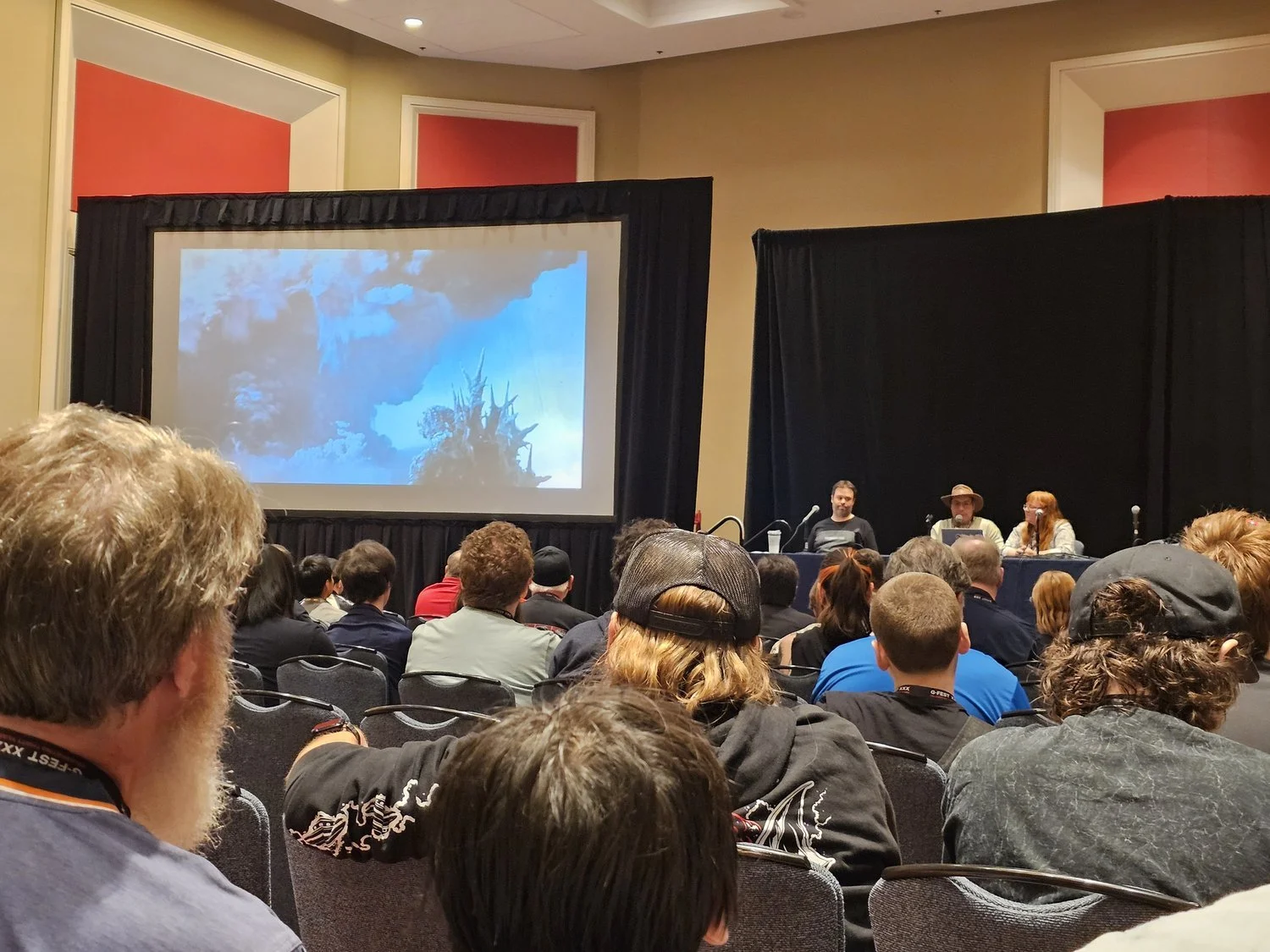
Image Source: CultureSlate
The final panelist talked about the symbolism within the movie. She says the American and Japanese color symbolism is very similar. Some of the examples she mentioned were the color red, which in the beginning of the film stood for strength and authority. This could be seen in the targeting system, and Godzilla’s eyes right before he’s about to attack. Later, however, it stands for protection, happiness, and good fortune, which is shown with Akiko in her red blanket.
Bars and vertical lines represent social order and conformity. All throughout the movie, Koichi is surrounded by bars and vertical lines. This shows that he is being trapped by his grief and trauma. Eventually, Tokyo gets rebuilt as Koichi understands grief. She also mentioned how this movie shows that people can positively heal their trauma, and how you can always find a group of people as passionate as you are about something.
READ NEXT:
Latest News
Featured


• All sizes are adult unisex
• Printed art on the front
• 100% cotton
• Pre-shrunk fabric
• Shoulder-to-shoulder taping
• Culture Slate Exclusive Design
See more products here