
10 Biographical Movies That Lied To Us
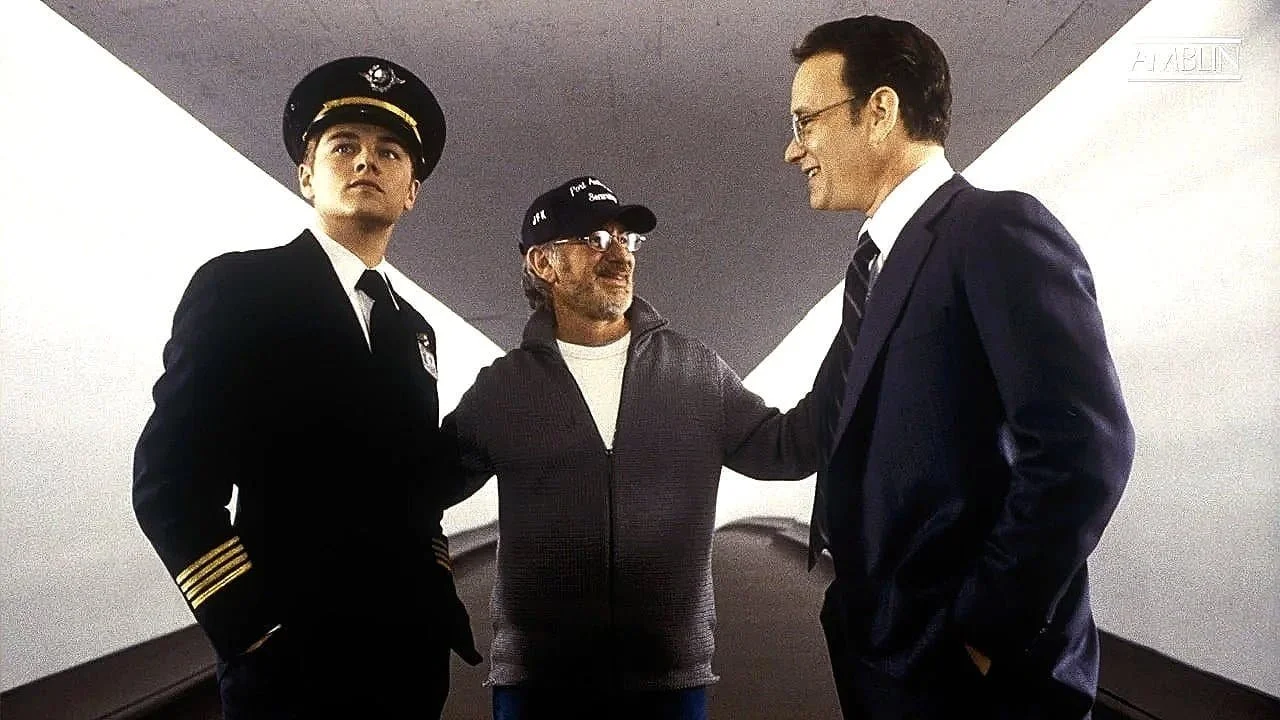
Image Source: Amblin
Never trust a biopic or a historical movie. Although movie-goers might expect an accurate depiction of real people and events, many directors and scriptwriters are just interested in a good story and a pretty shot. See below for ten times that biographical films have lied to audiences.
10. Straight Outta Compton
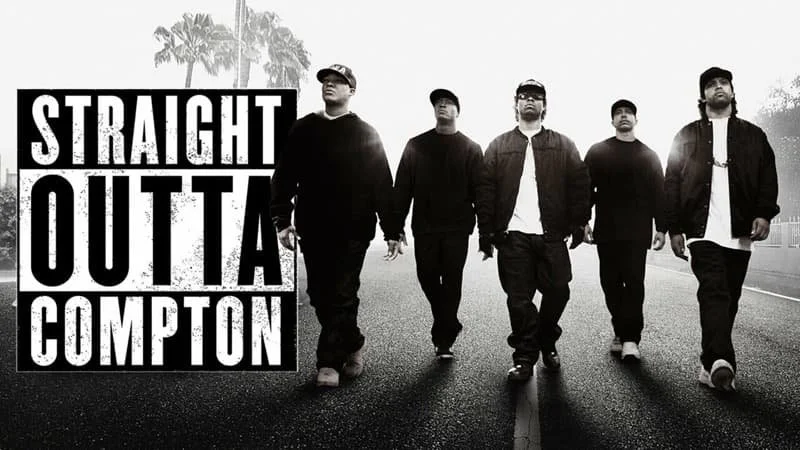
Image Source: TV Insider
Ice Cube and Doctor Dre’s first show wasn’t at a club, but at a Skating Rink called Skateland. Dre was supposedly wearing a lavender puffer jacket, but actually that costuming was for his performances with World Class Wreckin’ Cru, who don’t appear in the film. Straight Outta Compton also made it appear as if Ice Cube came up with the hit song "F**k Tha Police" on the spot after an incident of police brutality (although this was the motivation for recording it), when in fact it had been in the works for some time. Dre had to hand himself in to the County Jail on weekends, so he was hesitant to record it. Ice Cube actually wrote the lyrics because he got bored when Dre was locked up.
RELATED:
9. Pocahontas

Image Source: TV Insider
Pocahontas (her actual name was Amonute) was only around 10 years old when she met an adult John Smith. Unlike the Disney version, there was no romance between them, and she actually married Kocoum in 1610. Relationships between the British and Powhatans deteriorated, and she was kidnapped and ransomed, and her husband was killed. But John Smith had left the Americas by this time. Pocahontas remarried British-born John Rolfe and immigrated to England.
8. Bohemian Rhapsody
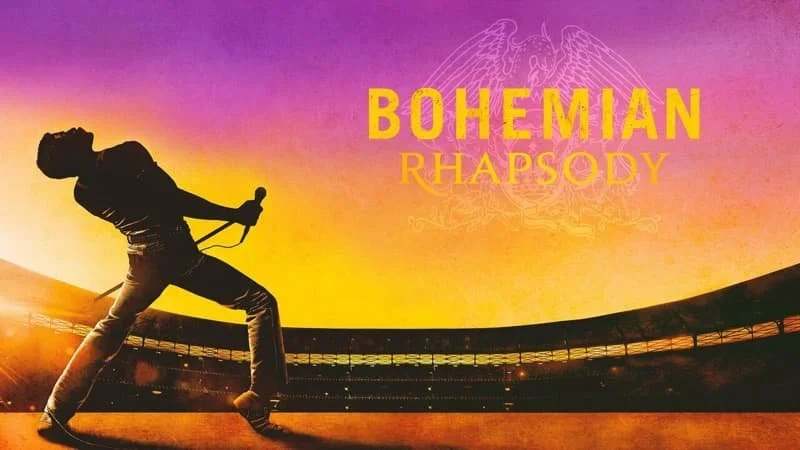
Image Source: TV Insider
The Queen biopic took liberties with several dates; it placed the infamous concert Rock in Rio ten years earlier, and showed Fat Bottom Girls and We Will Rock You being performed years before they were written. Most of the scenes surrounding Live Aid were false, from the order in which artists performed to the drama backstage. In the film, Freddie Mercury confesses his HIV status to the rest of Queen at this event. However, Mercury didn’t receive this information until two years later. Bohemian Rhapsody portrayed Queen as not having played together for some time before Live Aid, when that wasn’t true. They’d just completed a tour just two months before, after the release of their second album.
The movie also makes Queen seem more argumentative than they were; Freddie didn’t dramatically fire his manager, and Freddie’s solo success didn’t lead to a split. In fact, Queen never officially broke up. They took breaks due to everyone’s work and family commitments and continued touring together right up until Freddie died in 1991.
7. Oliver Stone’s JFK
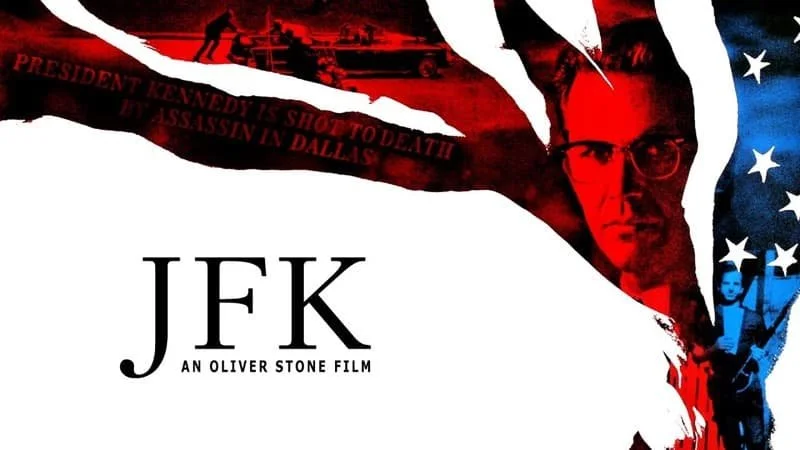
Image Source: YouTube
The movie is based on an investigation conducted by District Attorney Jim Garrison (played by Kevin Costner) and the trial of Clay Shaw, the only time a man has been prosecuted for the president’s death. However, Stone was selective about which parts of Jim Garrison’s story he put on screen.
Joe Pesci hints to Kevin Costner several times about the conspiracy and his guilt. But in real life, David Ferrie always protested his innocence. JFK also suggested that Ferrie’s death was murder. But Ferrie underwent an autopsy, and it was deemed that he died of natural causes. Garrison, Stone’s protagonist, never challenged this in court.
Garrison’s primary witness in the trial of Clay Shaw, insurance salesman Perry Russo, was, in reality, given sodium pentothal by Garrison, which made him extremely suggestible. The movie doesn’t show how real-life Garrison drugged him or how he failed two polygraph tests ordered by the DA.
6. Braveheart
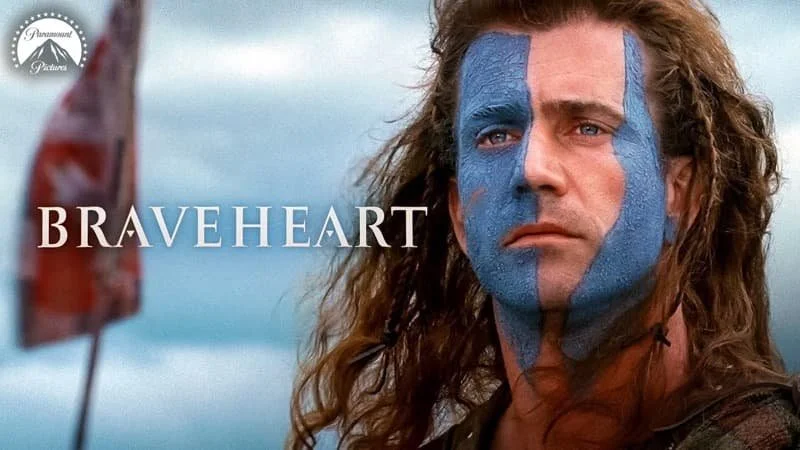
Image Source: YouTube
There’s very little about Braveheart that’s accurate. The Scottish rebel is portrayed as a poor highlander, when in fact he was a minor noble living in the south of the country. Although William Wallace’s wife was murdered, jus primae noctis had nothing to do with it, as this was never a real law anywhere in Great Britain.
The Princess that the movie has William Wallace a romance with would have been a small child, and she was living in France. But real Scots are probably more offended about how Braveheart does Robert De Bruce dirty and cuts out John De Graham and Adam de Moray completely.
None of the costumes, including the tartan are correct. But the main faux pas is the blue face paint, which was actually practiced by the Picts, who lived in Scotland in Roman times, a thousand years earlier.
5. A Beautiful Mind
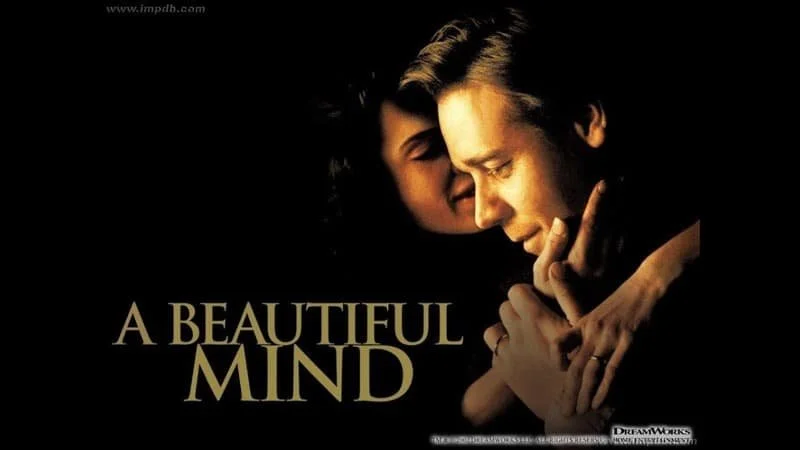
Image Source: YouTube
The climactic pen scene at Princeton didn’t happen. No such custom exists at the University, and if anything similar did, most of the professors of the time period thought Nash was insufferable to be around. The Wheeler Laboratory at MIT, which the movie said that Nash attended, is also fictional.
The main premise of the film is that the protagonist thought he was engaging with an imaginary deep throat. But the real John Nash didn’t see people as a result of his schizophrenia, and he didn’t make up spies in his head. The movie also suggested that he ended up working for the Pentagon, which isn’t true.
The movie had a heavy romance element, but in fact, John Nash had a really problematic relationship with his wife. He was documented as throwing her to the ground and putting his foot on her neck at a Mathematics department picnic. This is in sharp contrast to the cute picnic date in the movie. Alicia divorced him in 1963, so she wasn’t present for his Nobel prize win (which he didn’t give a speech for). Nash also had homosexual experiences with other men and admitted to having ‘complicated feelings’ towards them. None of this was suggested in the movie.
4. The Greatest Showman
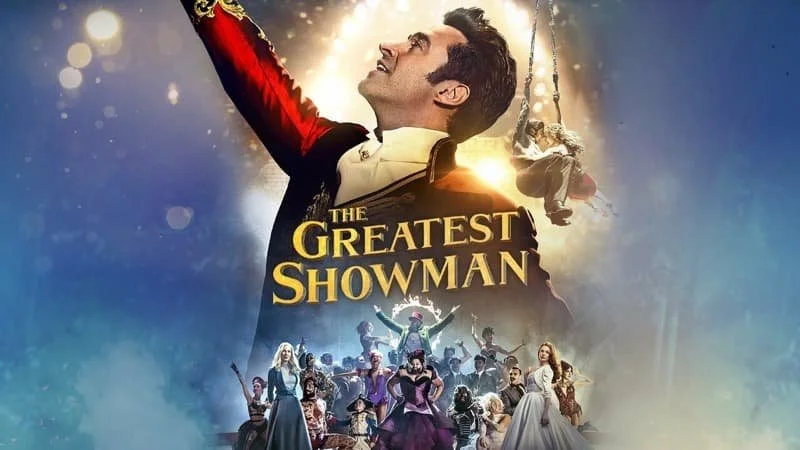
Image Source: TV Insider
The Greatest Showman version of B.T Barnum is the polar opposite of the real-life character. Barnum didn’t empower marginalized groups; he exploited them. His treatment of African Americans was particularly brutal. At age 25, he bought an elderly black slave and packaged her to the masses as a 161-year-old former nurse of George Washington. After she died, he charged 1,500 spectators 50 cents each to watch a surgeon dissect her body.
Barnum actually brought Jenny Lind to the States before he acquired his American Museum, so The Greatest Showman messes with the timeline as well.
3. The Blind Side
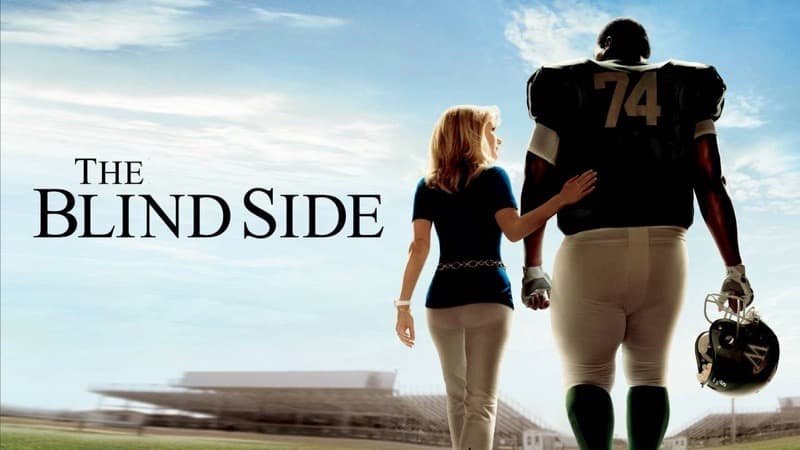
Image Source: Our Reality Show
The Oscar-winning movie based on Michael Oher’s life story is more fact than fiction. The Tuohy family never actually adopted the NFL star and instead tricked him into a conservatorship. The movie also portrayed him as lacking in intelligence, not being able to read or write, or even understand the strategy of football, when in fact he had been articulate enough to read and demonstrate the playbooks for the team since the second grade.
Michael Oher is currently involved in legal proceedings against the Tuohy family, claiming that the Tuohy family exploited him so they could take advantage of his sporting talent and boost their college football team.
2. Catch Me If You Can

Image Source: TV Insider
Catch Me If You Can was based on a 1980 autobiography, written by the con artist himself, Frank Abagnale Jr. In 1981, a local detective heard him speak about his exploits on the book’s promotional tour and decided to research his claims. Although he did pose as a Pan-Am air pilot to impress women (and take one or two jump seats) and go to prison in Europe, that was about the extent of his exploits.
There was no proof that he ever worked as a professor, a doctor, or a lawyer. He definitely did not pass the bar exam on the first time with only a few weeks of revision. Even his Pan-Am cons and cheque forging abilities were seriously embellished in the book. Frank Abagnale Jr also never had a great rivalry with an FBI agent; he wasn’t big-time enough.
The detective who dug up all this information took it to the media, so it would have been available at the time that Steven Spielberg decided to make this movie. He either didn’t investigate or chose the better story.
1. The Salt Path
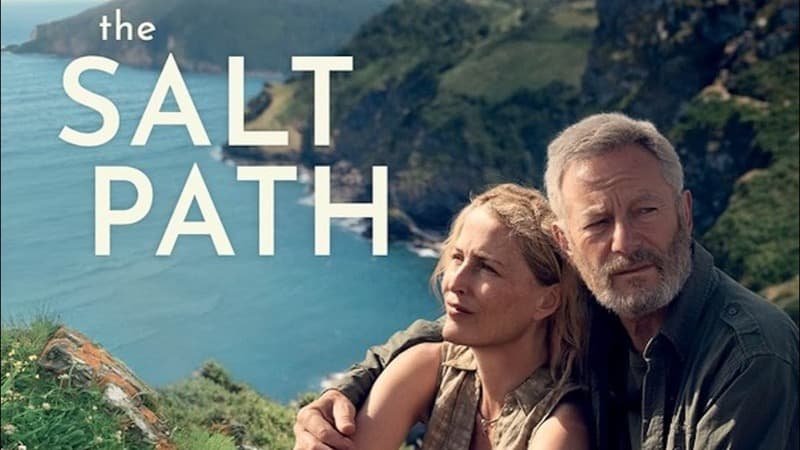
Image Source: YouTube
An account of a homeless couple, one of whom is suffering from a long-term medical condition, walking around the coastal paths of Britain, but it seems to be another movie based on a book with dubious accuracy. The couple claimed they lost their home because of a bad investment in a local business that the wife worked at, but it was a lot more complex. Sally Walker stole a large sum of money from the business when she worked as a bookkeeper. She managed to negotiate an agreement to pay the money back if he did not pursue criminal charges and borrowed the cash from a relative.
Walker attempted to start her own publishing company, but by this point, the relative demanded repayment of the £100K, and creditors deemed that if she did not do so in a year, the house would be repossessed. Even though the house had a judgement against it, Walker put her house up as a prize in a draw for people buying the book (by a small, unknown Welsh author) to encourage sales, hoping it would raise enough money to pay the debt. It didn’t, and the house was taken in 2013.
Which is how Sally Walker began her journey on the Salt Path. However, in The Salt Path, the Walkers say they had no option but to wild camp, when in fact they also owned land in France. There have also been accusations that Moth’s illness may be fraudulent. But no one thought to look into any of this before publishing the Salt Path or making it into a major motion picture. Oops.
CultureSlate: Made by humans, for humans
READ NEXT:





Source(s): NY Post, Smithsonian, Observer, Today, Scotland’s Stories, Screenrant
Latest News


Featured






Commodo cursus magna, vel scelerisque nisl consectetur et. Donec id elit non mi porta gravida at eget metus.