
'White Wilderness': The Disney Documentary That Circulated A Lie About Lemmings And Ended Up Winning An Oscar
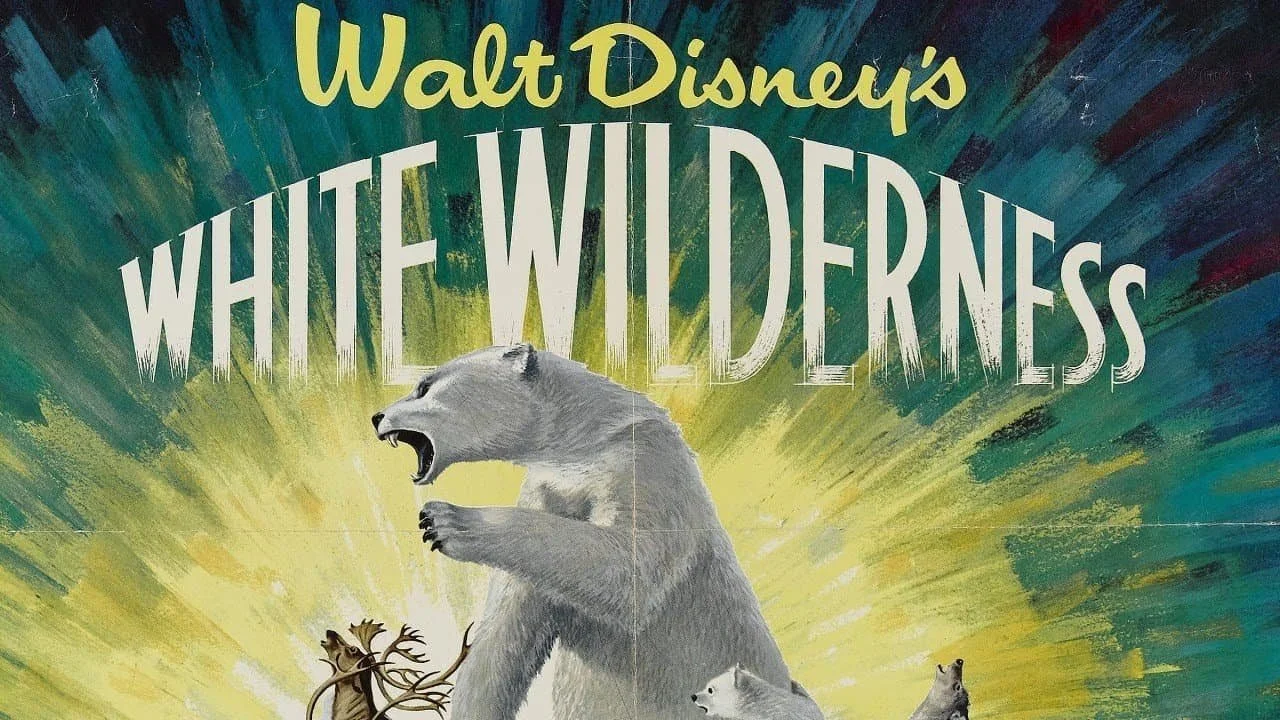
Image Source: YouTube
In 1958, Disney released White Wilderness, the arctic installment of its True Adventures series of nature documentaries. The movie may have won an Oscar, but the crew had created a giant lie and killed animals on film to do it.
White Wilderness was supposed to be an informative documentary about animals in Canada’s subarctic. It includes sequences of various animals, including wolverines and musk ox. The making of this documentary went off the rails. Despite appearing to observe animals in nature, parts of the snowy Arctic shots were filmed in a studio in Calgary, and the animals were flown in. But the scene that caused all the controversy was the lemmings.
There is nothing about the lemmings’ scene that is factual. Filming for White Wilderness took place in Alberta, Canada. But the small rodents don’t live that far south, so production bought a bunch from Inuit children in Manitoba and shipped them out. Lots of the scenes of the lemmings scurrying on the ground were filmed on turntables with a camera fixed above. Every point of the shoot was manipulating the animals’ behaviour, so audiences never got to see them as they are in nature.
But it gets worse.
RELATED:
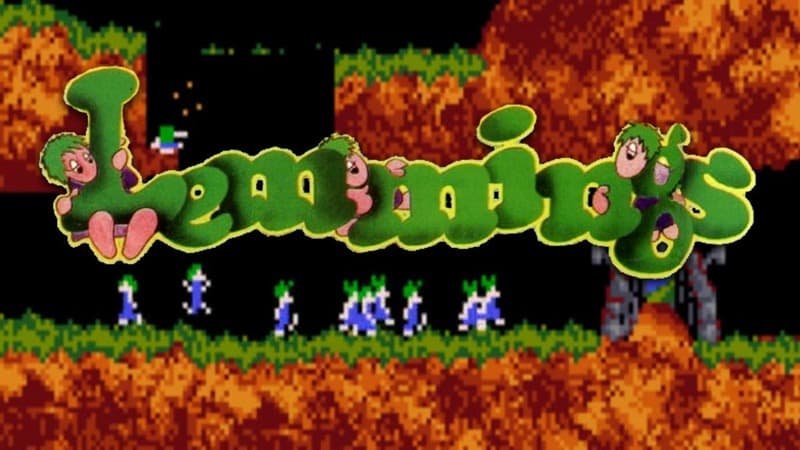
Image Source: YouTube
According to White Wilderness, every 7-10 years, lemmings decide there are too many in the group and collectively decide it’s time for a cull. Lemmings committing suicide en masse was a popular myth. There was even a series of video games about it. But this doesn’t actually happen in nature (the species in the movie doesn’t even migrate). Although Disney wasn’t the first one to come up with the misinformation, they were responsible for making it so widespread.
In the footage, lemmings are seen jumping off cliffs, rolling down steep inclines, dropping into water, and swimming into random rivers and drowning. But all of it was the crew throwing the animals from a great height or pushing them over a precipice to get the shots. This included a large number being left to die in the sea from exhaustion.
The clip below is the original White Wilderness scene,
Watch with care if you find animal deaths distressing.
When it was released, audiences had no idea it was a pack of lies. They trusted Disney, especially considering White Wilderness was part of a series named True-Life Adventures. The documentary was well-received, and it received an Oscar that year. It was praised for its cinematography and insight into the natural world. And yes, everyone loved the lemmings.
The extent of White Wilderness’ deception wasn’t uncovered until 1982, when a CBS program investigated Disney’s treatment of animals in their movies. Apparently, White Wilderness wasn’t the only one with issues.
Disney reported not knowing anything about what happened. James R. Simon, cinematographer, took the blame for the incident. Disney tried to claim he was a freelancer, but he’d worked on many pictures for them, including another Oscar-nominated squirrel movie. Perri.
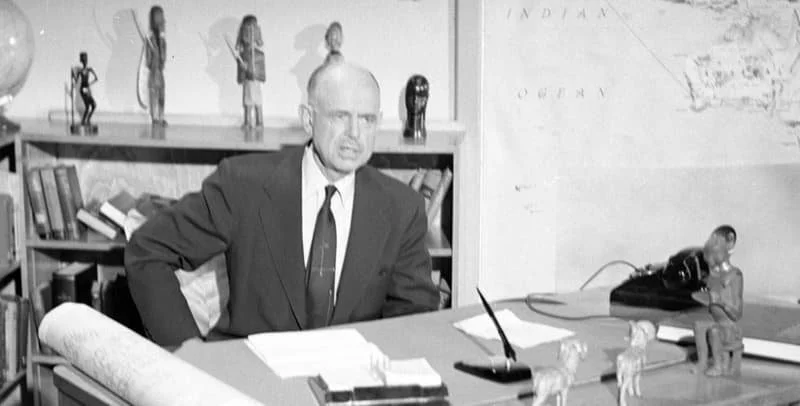
Image Source: D23.com
But it’s very unlikely that writer/director James Algar and producer Ben Sharpsteen were unaware of the widespread deceptive practices in the documentary. James Algar made the Sorcerer’s Apprentice sequence in Fantasia, and Sharpsteen directed several major pictures for Disney, including Pinocchio, Dumbo, Snow White & the Seven Dwarves. Despite Disney’s denial that it was not endorsed by them and done without their knowledge, it was still made by their inner circle. But by the time the CBS exposé aired, anyone with any responsibility for the documentary had retired from filmmaking. Sharpsteen had passed away several years before.
The mistreatment of the animals on set wasn’t illegal in the 1950s, but audiences certainly wouldn’t have liked it. Disney made fourteen True-Life Adventure documentaries, and it would have been very harmful for the studio to have them all tank at the box office if this information had hit the newsstands back then. Disney was extremely fortunate.
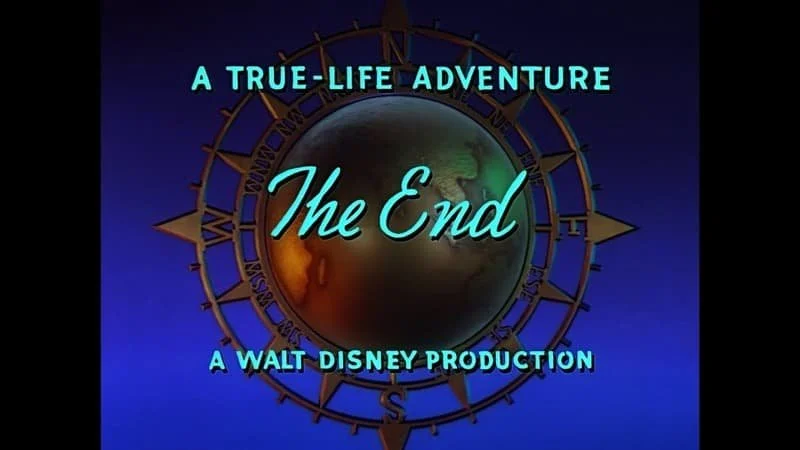
Image Source: YouTube
READ NEXT:

Source(s): NYT, Alaska Dep of Fish and Game, IMDb, Wikipedia

Latest News
Featured





• All sizes are adult unisex
• Printed art on the front
• 100% cotton
• Pre-shrunk fabric
• Shoulder-to-shoulder taping
• Culture Slate Exclusive Design
See more products here