
Childhood Stress And The Importance Of 'Gumball's' "The Wrinkle"
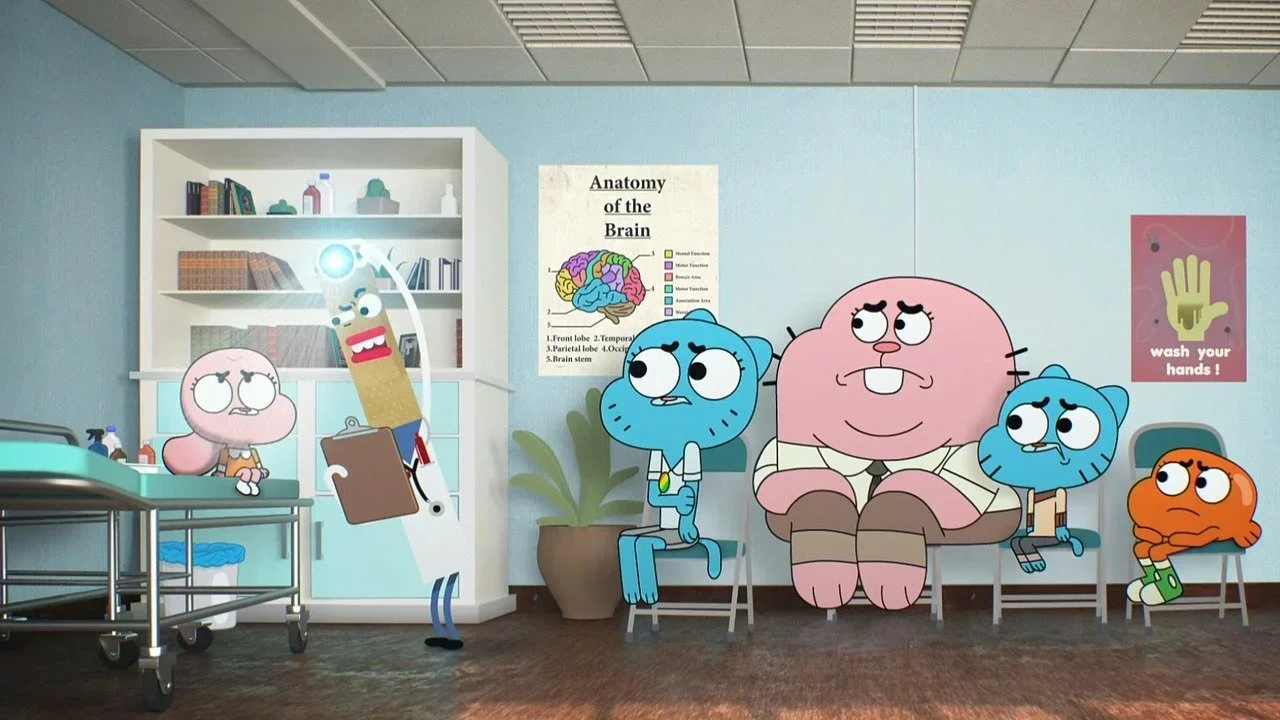
Image Source: IMDB
“Generational trauma” has been a term thrown about the media zeitgeist for a while now. While its forms are nuanced, multilayered and complex, the quick and dirty of it is that the term has been used as an explanation at best and excuse at worst as to why some adult, usually parental figure in the main character's life treats theirs like a chess match to be won.
Many have mixed feelings about the rise of this literary plot device. Some appreciate that life is complex and difficult to define; we're all suffering in some way, shape or form, and while it doesn't excuse the actions one take that leads to another's harm, the fact that they are on fact messy people can add a layer of tragedy to the circumstances that makes their inevitable defeat all the more rich.
RELATED:
Some just want a bad guy to be a bad guy again.
However one feels about it, one cannot deny that the trope has had a significant impact on modern storytelling, and how both villains and various protagonists, from Thanos to Steven Universe, interact and influence the story's plot.
What is neglected in terms of story is generational stress.
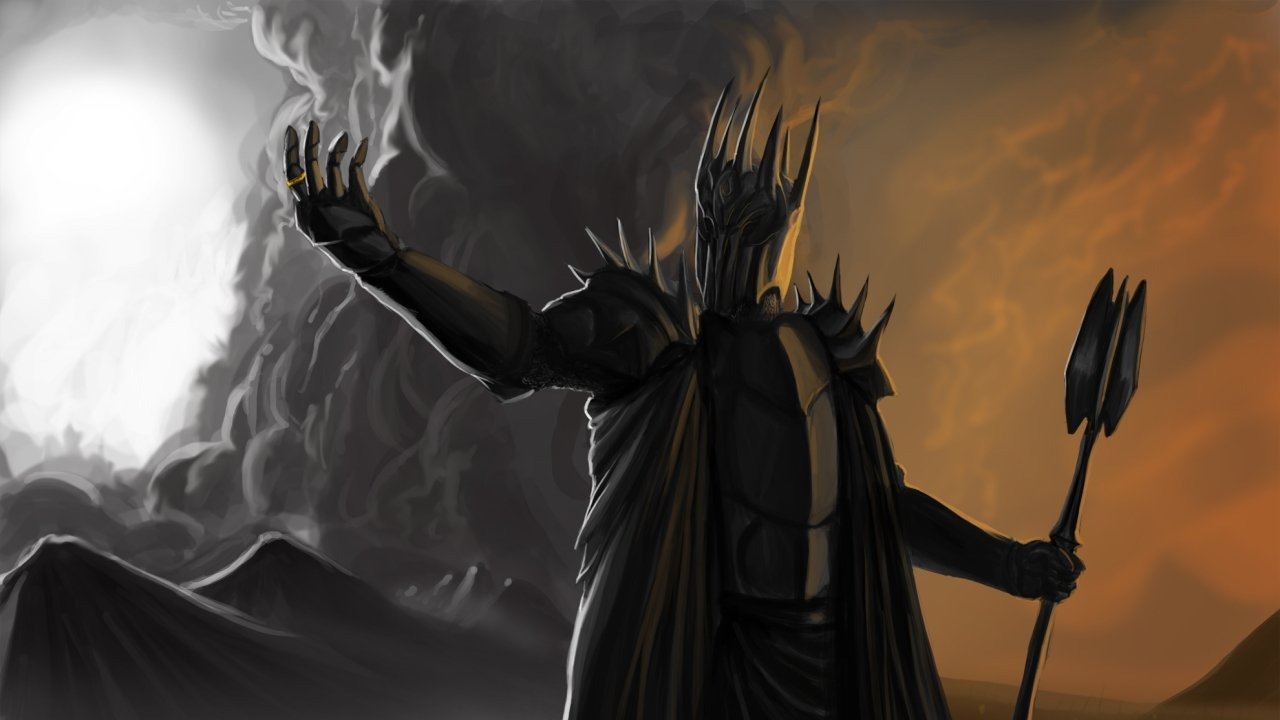
Not to be confused, for example, with childhood trauma, in which a character experiences a horrific or damaging event—often a result of the aforementioned generational trauma—that influences their day to day. Nor am I specifically talking about the stresses of some grand destiny or being the Chosen One of some sort, as we see with the likes of Aang or Korra from the Avatar series or Frodo from Lord of the Rings.
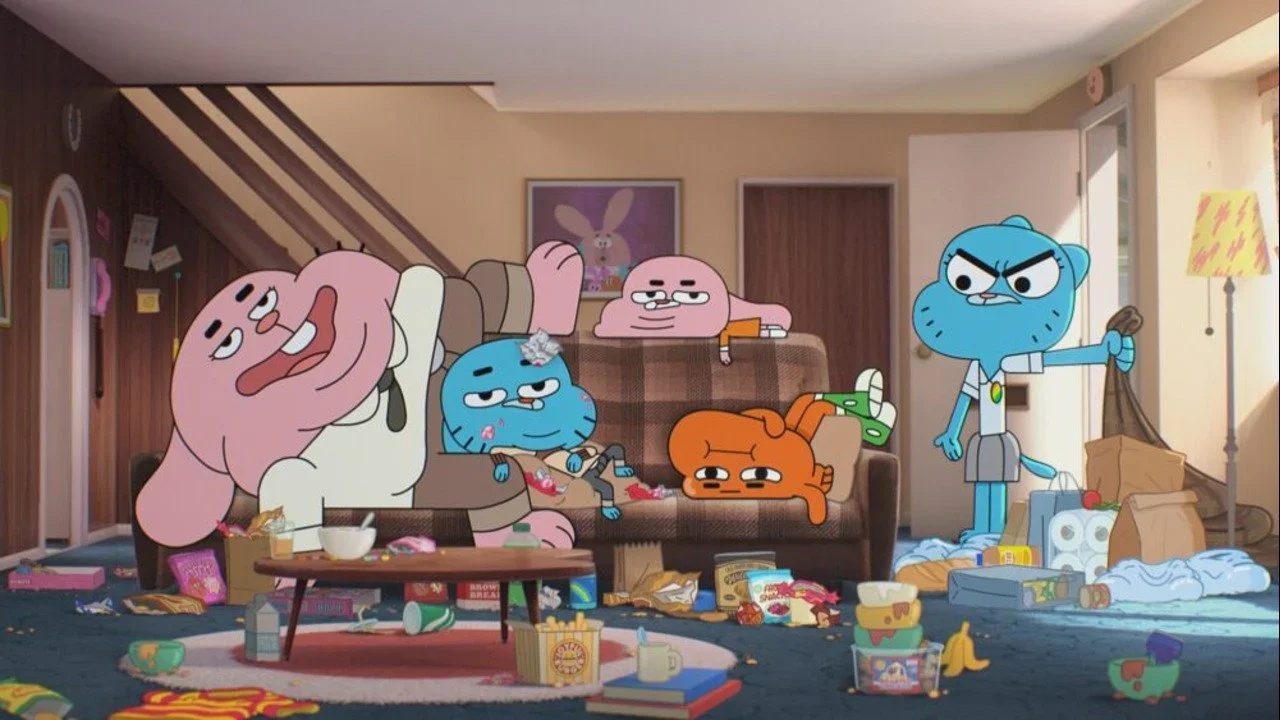
Image Source: Animation Magazine
The fact of the matter is the vast majority of us, nor our children, despite popular belief, will never be the main characters of some grand tale of intrigue, adventure and heartbreak. Nor do many people want to. Interesting times are not necessarily fun times for the common man.
Which leaves these grand tales of adventure, while thrilling, disconnected from the experience of the regular child who finds their worries a lot more mundane, and yet equally pressing, compared to that of fleeing from magical terrorists. It's no secret that while increased access to the information highway that is the internet has been a boon to knowledge, that knowledge has included its ugly underbelly. And while censorship is rarely, if ever, the answer, the fact of the matter is that we have an entire generation increasingly concerned about their futures and their family's futures at younger and younger ages. Forethought is impressive, but when the growing fear of the future begins to outweigh pleasure of the present, there lies a problem.
Which is why Gumball's “The Wrinkle” episode is so interesting.

Image Source: Animation World Network
The Amazing World of Gumball (retitled The Wonderfully Weird World of Gumball for its season 7 release) has always been something of an odd duck. Similar to the likes of Regular Show, the series has a way of balancing the most juvenile of laughs with heart-wrenching realism, tongue-in-cheek political satire and dark humor masterful skill. A cartoon where a titular catboy attends school with the likes of a walking goldfish, his possible eldritch girlfriend and a nudist sentient banana doesn't seem like it should be able to balance the interaction between estranged daughter and parents or deadbeat fathers and yet it does this and more.
“The Wrinkle” is the latest in these long lines of such episodes. Focused around Anais Watterson, the younger and smarter sister of the family, the episode begins with doctors noting that despite being only four, stress regarding her family's antics and their nebulous future is causing the child to wrinkle with alarming speed. Determined to aid her, the family attempts to adhere to her long-term plans for them, only to fail spectacularly and cause the child even more stress and facial creasing.
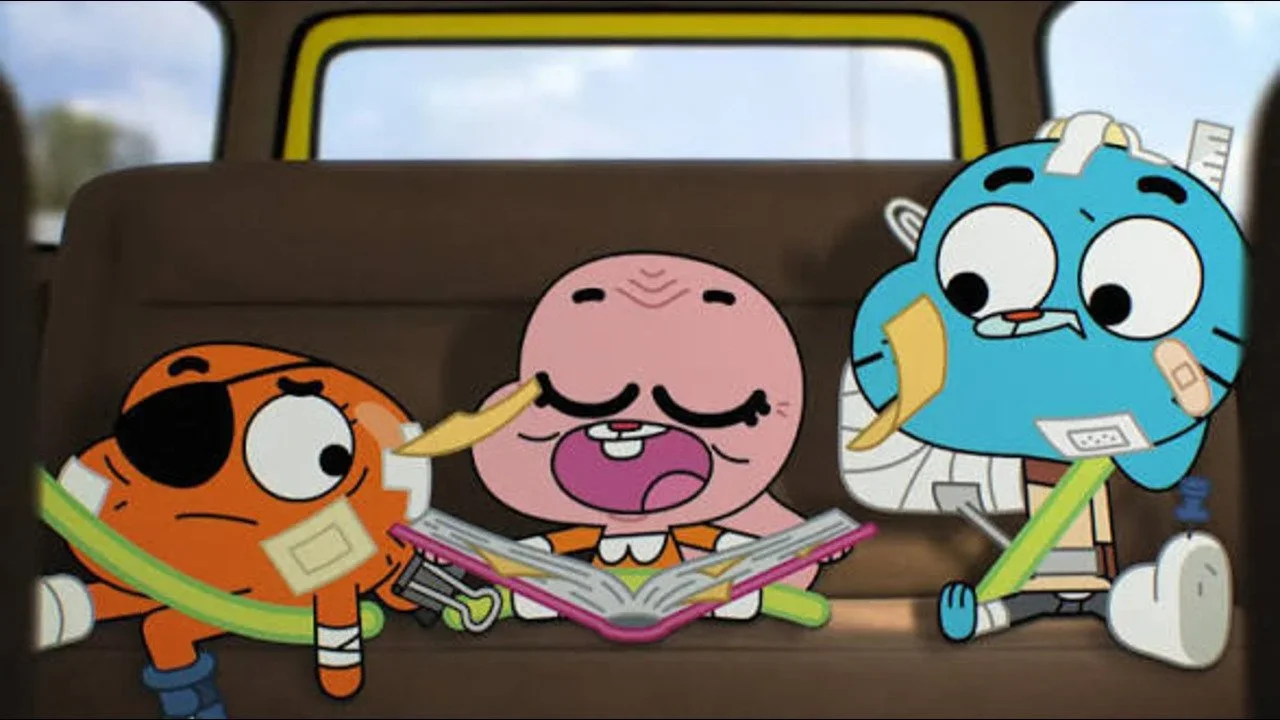
Image Source: IMDB
It's here in which Gumball leads the family into song, encouraging Anais not to worry so much about them or the future, to take life as it comes and enjoy the present with them before fretting over the future that may no longer have them.
Is it cheesy and goofy? Yes. Is it still startlingly poignant? Also yes.
There's something quietly beautiful in being reminded to fill one's life with good to face off against the bad. Despite your plans, life is a series of unexpected events. The world throws curveballs—accidents, natural disasters, war—and as much as you try, you can't always dodge them. What makes the hits all the more bearable are moments of softness—movie nights with friends, an inside joke with parents, the taste of a really good meal.
There may be some who argue that current generations are too engaged with the present. I'd argue that a large part of that is because we've reached a point in which we've poorly equipped kids to handle the weight of an uncertain future. Give them the foresight to understand that bad things may happen to them, but give them the liberty and encouragement to appreciate what's happening now as well.
READ NEXT:

Latest News
Featured





• All sizes are adult unisex
• Printed art on the front
• 100% cotton
• Pre-shrunk fabric
• Shoulder-to-shoulder taping
• Culture Slate Exclusive Design
See more products here