
Classic Disney Villains Vs Modern Disney Villains

Image Source: Youtube
Disney have been making movies since 1937 and their long history is split into seven different eras.
How have their villains changed over the course of each time? Is there any difference between the classic Disney villain and what we see on the screen today?
RELATED:
Golden Age, (1937-1942)
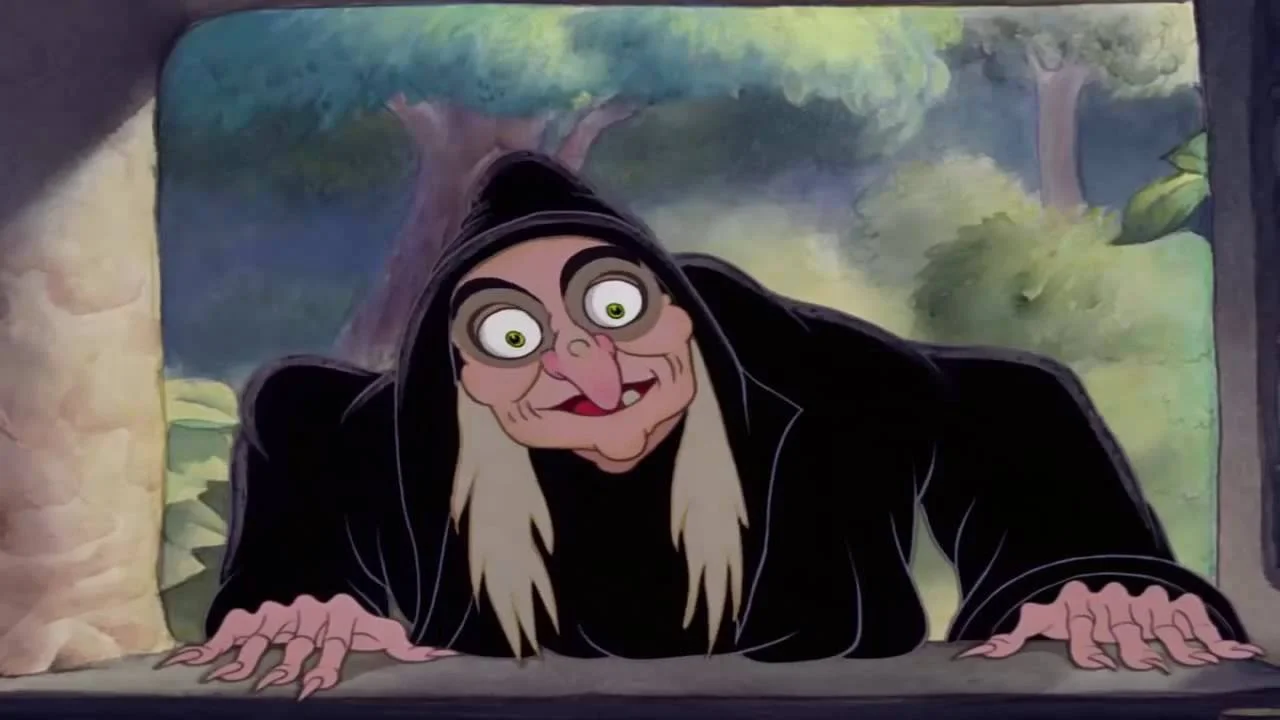
Image Source: Vocal Media
The Evil Queen – Snow White and the Seven Dwarves.
Stromboli – Pinocchio
Chernabog – Fantasia
In Disney’s early movies the villains were there to further the plot and to be as terrifying as possible. The Chernabog from Fantasia was truly a thing of nightmares. But no one gave it a backstory, or a redemption arc. Villains in early Disney were sparce on screen time and details. The Evil Queen didn’t even have a name.
War Time Era, (1943 – 1949)
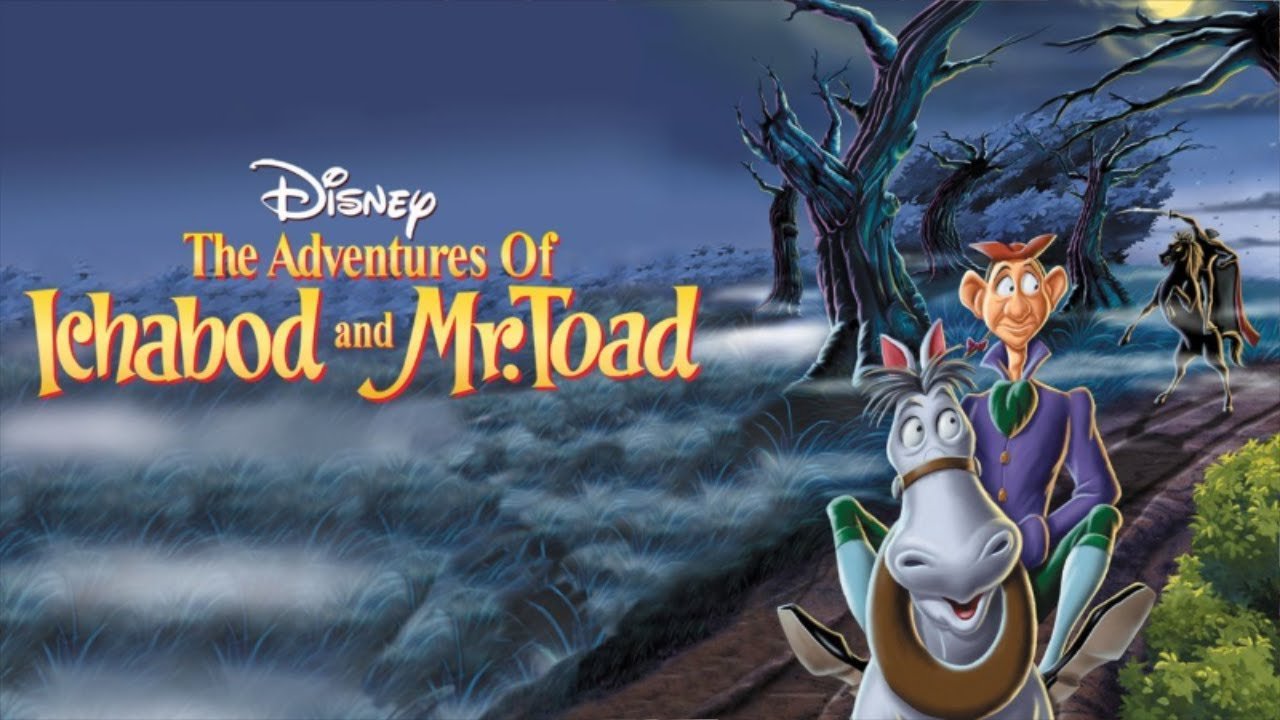
Image Source: YouTube
The Headless Horseman – The Adventures of Ichabod and Mr Toad.
Disney didn’t have the resources for many full-length pictures during this period. Most of their energy went into shorts and propaganda.
Most of their output the average Disney fan wouldn’t recognise, except perhaps for The Song of the South, which Disney took out of circulation due to the subject matter.
Silver Age (1950-1959)
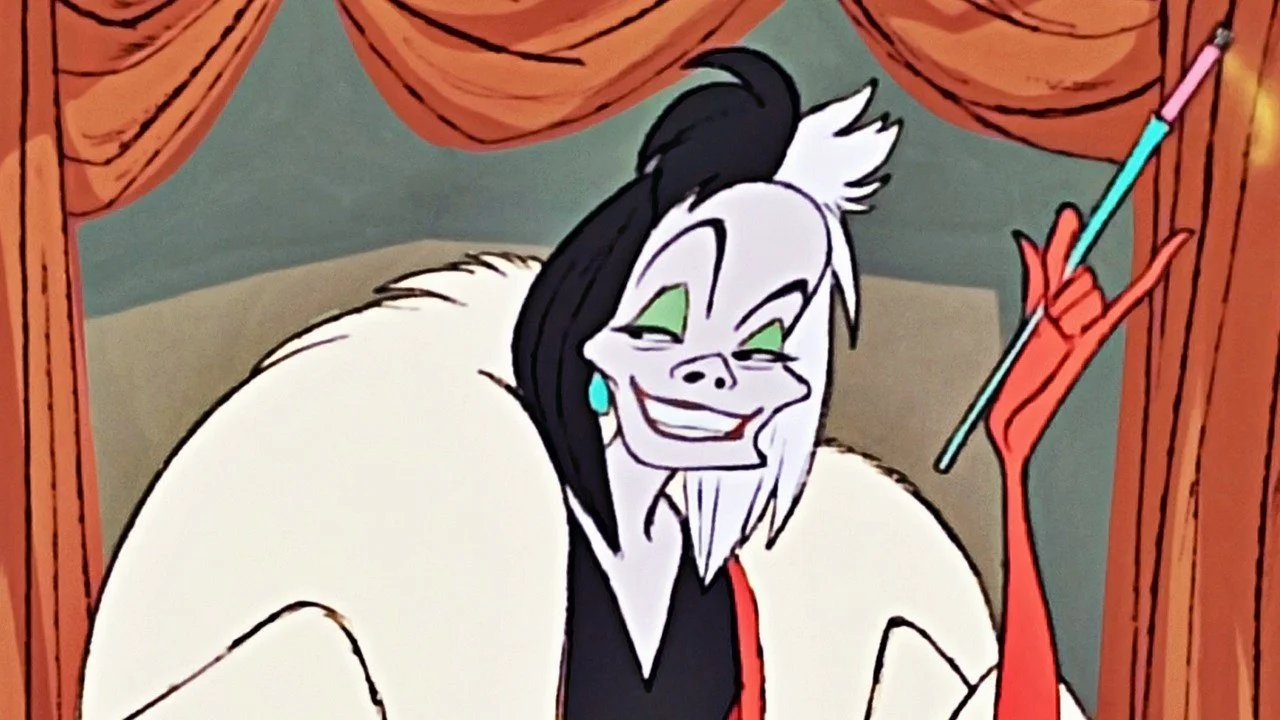
Image Source: IGN
Maleficent – Sleeping Beauty
Cruella – 101 Dalmatians
Hook – Peter Pan
The Queen of Hearts – Alice In Wonderland
Shere Khan – The Jungle Book
Post-war, there’s a shift in the tone. We start to see comedic antagonists, and as a result side-kicks are introduced to serve as a foil. Hook and Smee is a classic example. There are still dark themes, such as Cruella wishing to make a coat out of puppies, but this is not the Disney that shot Bambi’s mother and made kids watch.
Bronze Age (1970-1988)
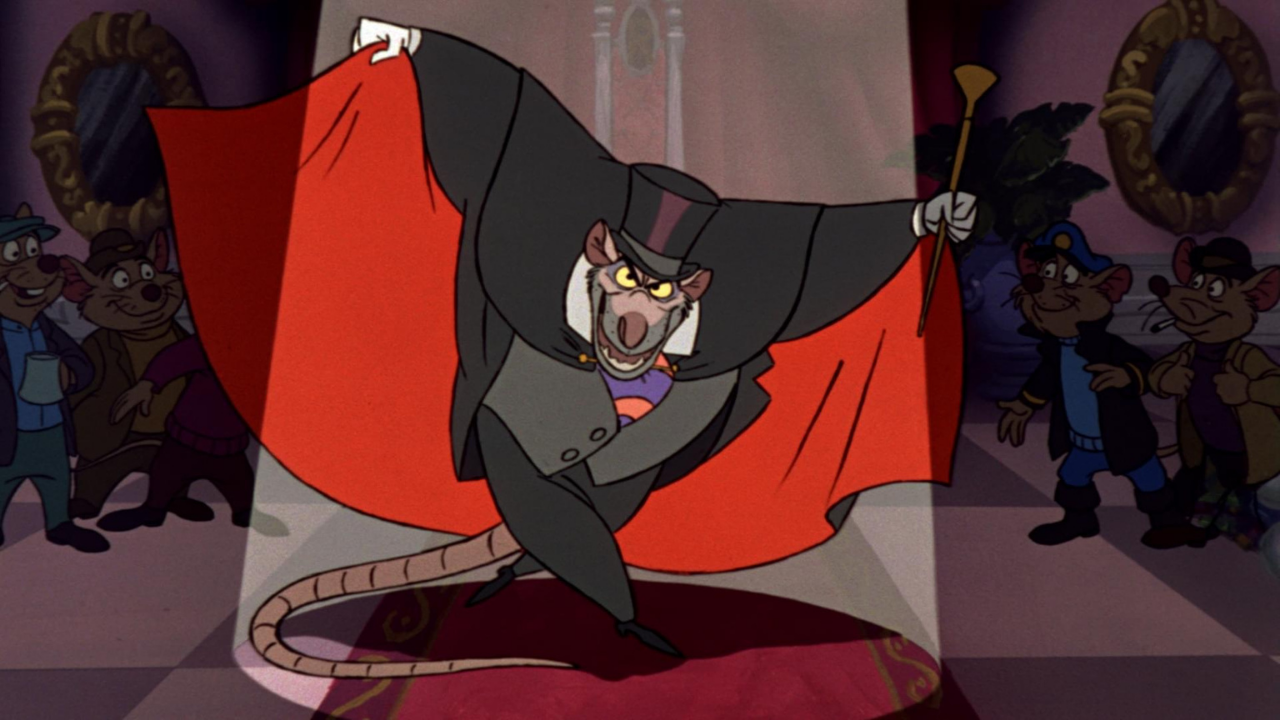
Image Source: Storie De Paperi
The Horned King – The Black Cauldron
Professor Ratigan – Basil The Great Mouse Detective
Madame Medusa – The Rescuers
Edgar Balthazar – The Aristocats
In the Bronze Age, Disney became more experimental with its animation but not with its villains. They all seemed to be copies of other characters. Madame Medusa from The Rescuers was very similar to Cruella Deville. They used the same car chase animation sequence, and Medusa was even called a devil woman in the script. The one bright spot was Vincent Price’s Professor Ratigan (and his side-kick Fidget) in Basil the Great Mouse Detective who stole the movie.
Despite the gentler tone of the previous era, the Bronze age is no holds barred again. Edgar, Madame Medusa and the Horned King all have moments that probably wouldn’t be included in a kid’s movie if it were made today.
Disney’s The Fox and The Hound, did not have an antagonist. This showed Disney that a flagship movie could rely on conflict rather than a verses situation.
Disney Renaissance (1989-1999)
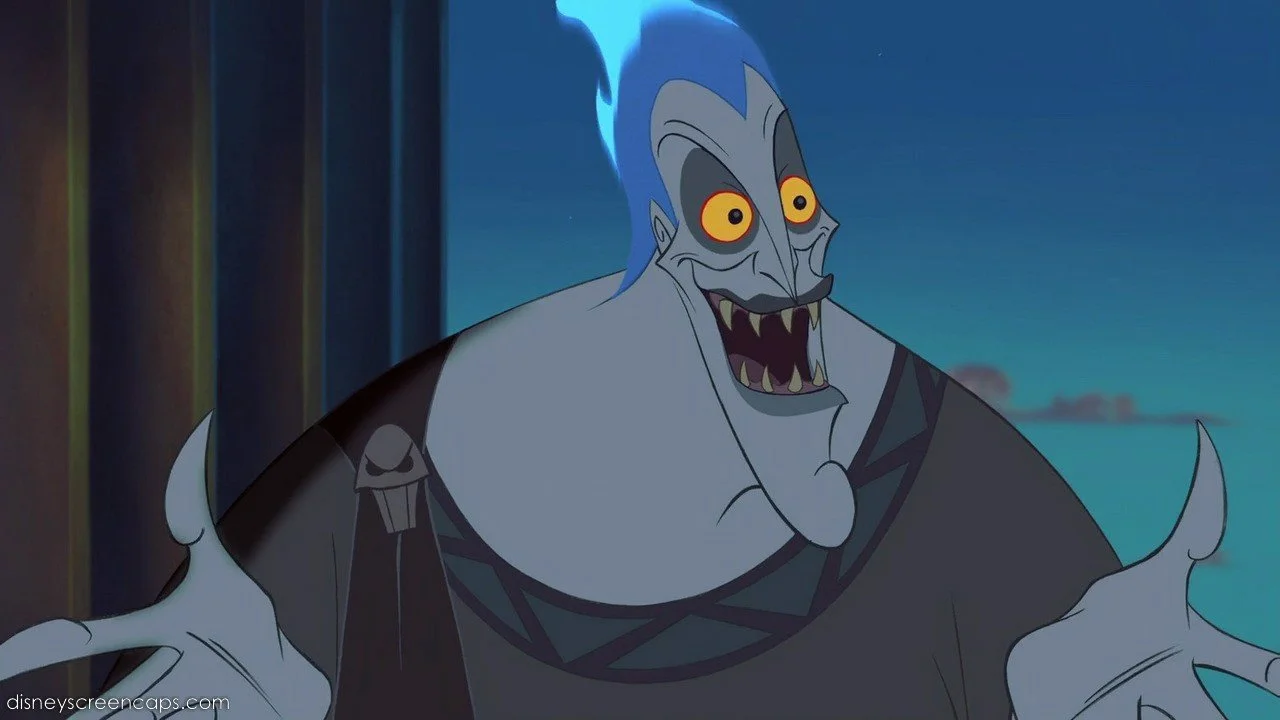
Image Source: Bustle
Ursula – The Little Mermaid
Scar – The Lion King
Hades – Hercules
Jafar – Aladdin
One of Disney’s most successful periods of all time is marked by some of its most iconic villains. After the popularity of Hook and Cruella, they were given better narratives and backstories. Hades had more screen time in Hercules than the love interest Meg and Ursula had a larger role in the Little Mermaid than Prince Eric.
Once again we are back to a more comedic villain with a funny side-kick (Iago, the hyenas etc). Although Disney wasn’t afraid to tackle difficult subjects in these movies, (e.g. loss of a parent) they stopped using insensitive topics as jokes for the bad guy by this time.
Post-Renaissance Era (2000-2009)

Image Source: Tumblr
Yzma & Kronk – The Emperor’s New Groove
Captain John Silver – Treasure Planet
Captain Gantu – Lilo & Stitch
This wasn’t the most successful period for Disney at the box office, but it did bring about a huge evolution in storytelling. This was Disney’s anti-hero era. For the first time we had villains and heroes who were both good and evil. John Silver and fan favourite Kronk were antagonists who both showed lighter qualities. Stitch and Kuzco both started out as the bad guy and evolved through their arc. Disney also embraced the villain free movie, Brother Bear and Inside Out were both released in 2003 and didn’t have a central antagonist. Disney have made more and more movies in this way.
Revival Era (2010-Present)
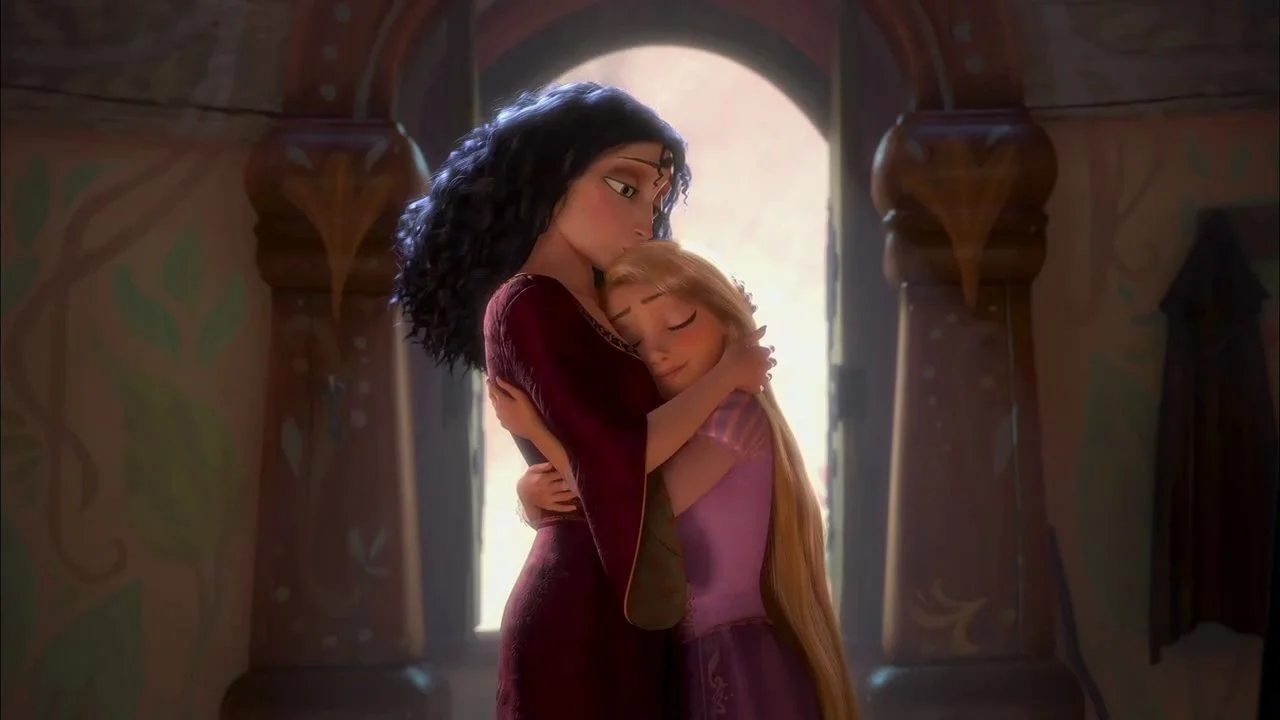
Image Source: Authorquest
Dr. Facilier – The Princess and the Frog
Hans – Frozen
Mother Gothel - Tangled
Maleficent – Maleficent
Mental manipulation seems to be a big feature of the current crop of Disney villains. In some cases, they barely do any physical damage (eg Hans, Mother Gothel). It might be to showcase the importance of mental health, but it also just might be more child friendly to show on screen than violence. Disney are also focusing on remakes. Some more successful than others, they’ve used them to redeem the character of Maleficent, reshaping Sleeping Beauty from her point of view and continuing the anti-hero tradition set down by the previous era.
The antagonists in the Golden Age had two purposes, to scare the audience, and be vanquished by the hero. Disney movies could get dark, but as the years progressed, the House of Mouse pushed that aside. Instead choosing to add comic relief sidekicks and generally lightening the tone of their villains. By the turn of the Millenium, the hero and the villain had almost merged. In the Emperor’s New Groove and Lilo and Stitch it was almost impossible to decide where to place that label. Disney are currently focused on remakes and live action conversions, but it does feel that they’ve become a little bit stuck. Maybe what they need is a new great villain? One that unites what they’ve learned from each era.
READ NEXT:
Source(s): Disneyclassics.com CBR
Latest News
Featured


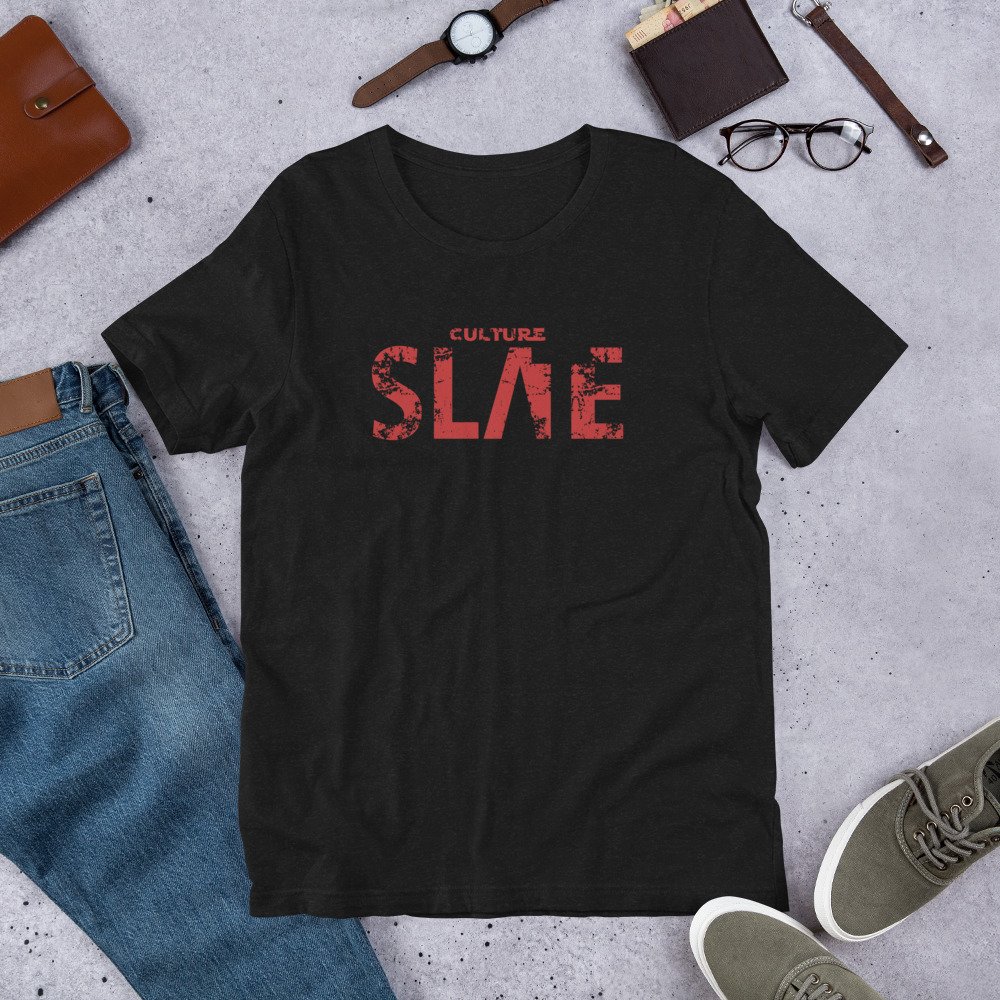

• All sizes are adult unisex
• Printed art on the front
• 100% cotton
• Pre-shrunk fabric
• Shoulder-to-shoulder taping
• Culture Slate Exclusive Design
See more products here