
'Warhammer 40K' Book Review: 'Ahriman: The Omnibus'
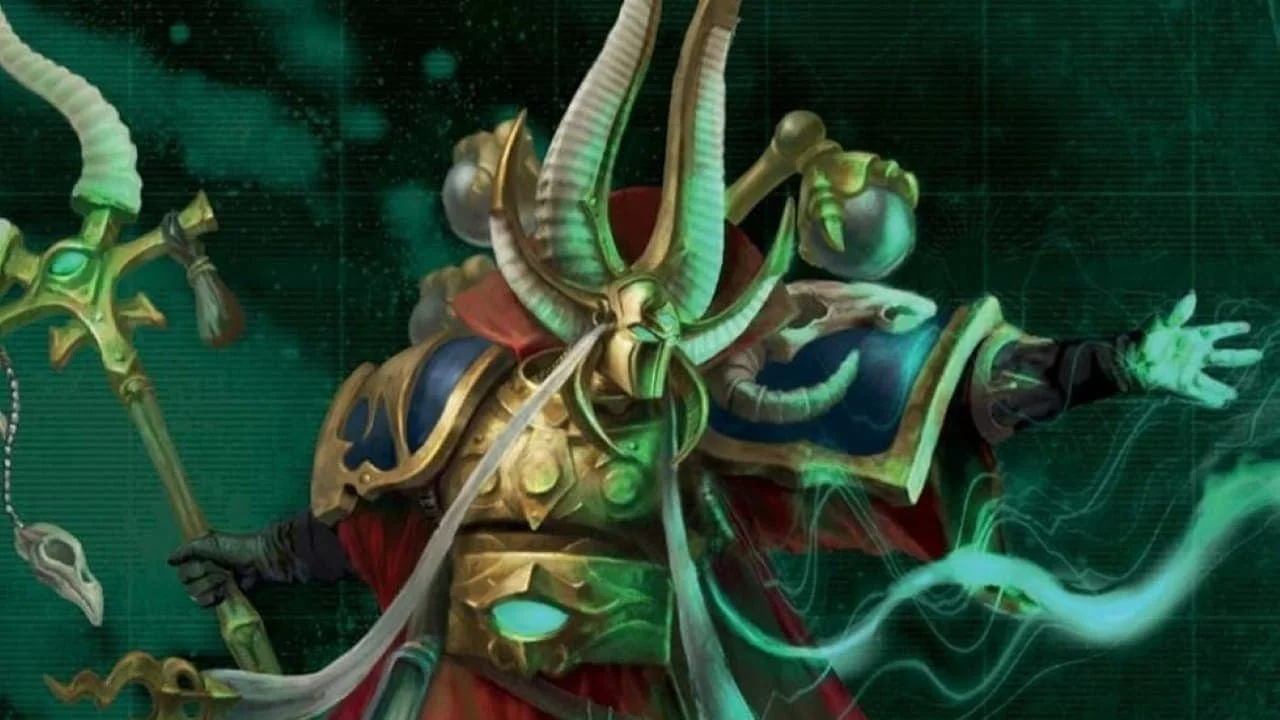
Image Source: Amazon
Gathering three Warhammer 40K novels of years past, Ahriman: The Omnibus offers a complete narrative snapshot of the Thousand Sons sorcerer Ahriman, once the Legion’s Chief Librarian, but after a major failed effort in calling on the Warp for a colossal spell, now an exile from his own people. Exploring a winding narrative with time-travel, a shifting cast of secondary characters, and a substantial exploration of Ahriman’s own person, the omnibus also includes a series of short stories helping bridge the gap between the narratives and reveal more information about some of those secondary characters. It is a complete and complex narrative, all authored by a single creative mind (John French), with few pitfalls in its narrative or structure.
WARNING: This review contains LIGHT SPOILERS for Ahriman: The Omnibus.
The three novels collected in The Omnibus are Ahriman: Exile, Ahriman: Unchanged, and Ahriman: Sorcerer, while the short stories are entitled “All is Dust,” “Hand of Dust,” and “King of Ashes”, alongside “The Tales of Ctesias”, which specifically serves to bridge the first and second novels. It is a colossal summation of one character’s narrative existence inside of an actively shifting and changing lore world, and besides the central character of Ahriman, several secondary characters appear and make their impression on the narrative.
RELATED:
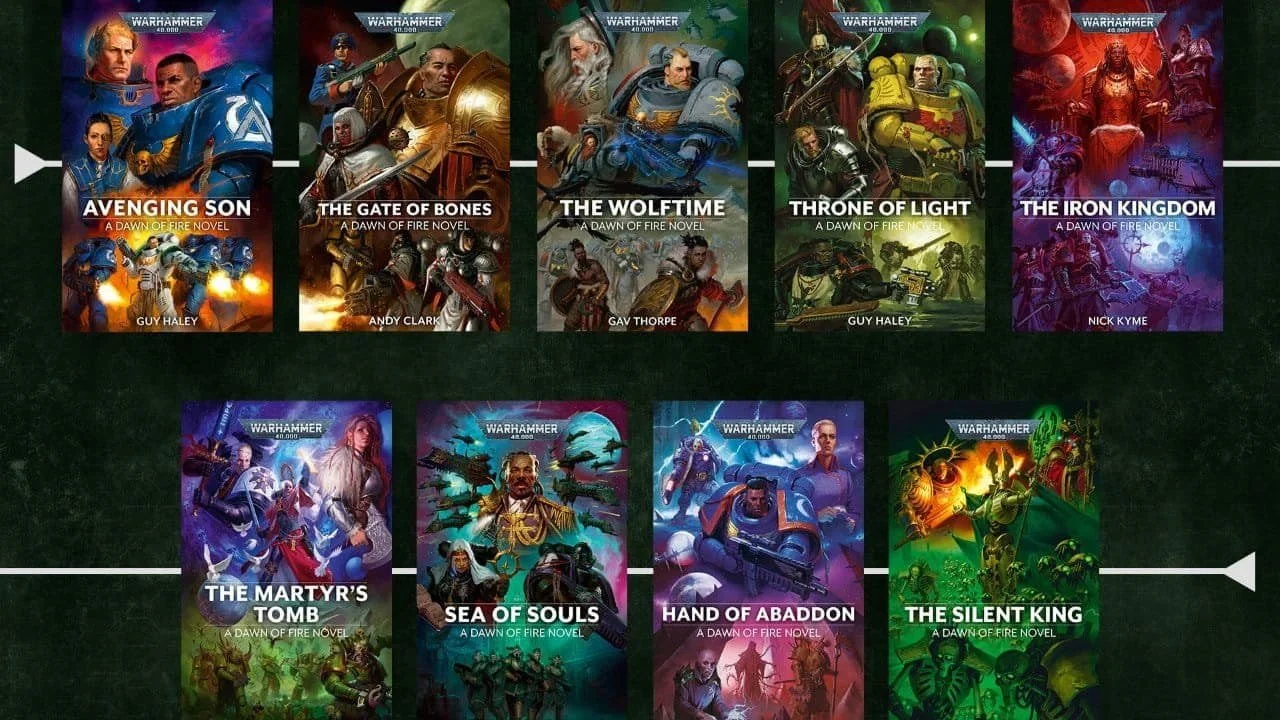
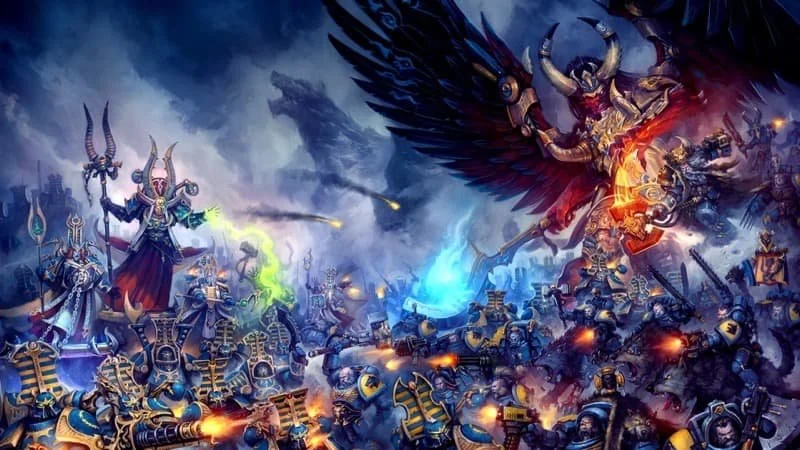
Image Source: Warhammer-Community.com
In summary, The Omnibus tells the story of Ahriman prior to the start of the 13th Black Crusade, anonymous and hiding from other Thousand Sons’ sorcerers. However, he begins to make moves to end his most recent round of pursuit after coming into contact with once-loyal Space Marines who have since been forced to become renegades. Across the novels, Ahriman overcomes many threats, gaining alliances with other sorcerers of the Thousand Sons’ lineage, while plotting a return to the Planet of the Sorcerers (his Legion’s home in the Eye of Terror) to enact a second, different version of his Rubric. The first great attempt to end the curse that was slowly changing all Thousand Sons’ warriors into mutants instead produced the hollow Rubric Marines, collections of dust still controlling suits of Space Marine armor yet unable to re-form into any coherent shapes. Ahriman is convinced that he can cast a Second Rubric, and fix his mistakes.
The exploration offered into Ahriman by this trilogy of novels is substantial, both in his own character’s backstory as revealed through copious flashback-style scenes with his memories, and through his interactions with others. Other characters have their own thoughts about Ahriman as well, and as French helpfully supports in an introduction to this omnibus, these other perspectives help to demonstrate Ahriman’s flaws as a character. He is also full of dualities and grays. He is doing all of this because he is sorry for his failure, and is truly haunted by the many warriors and sorcerers he condemned to their fate as clouds of dust. Or is it because he is a perfectionist who cannot stand that he failed so openly and overtly, and wishes to fix this mistake for the sake of reputation, status and ego?
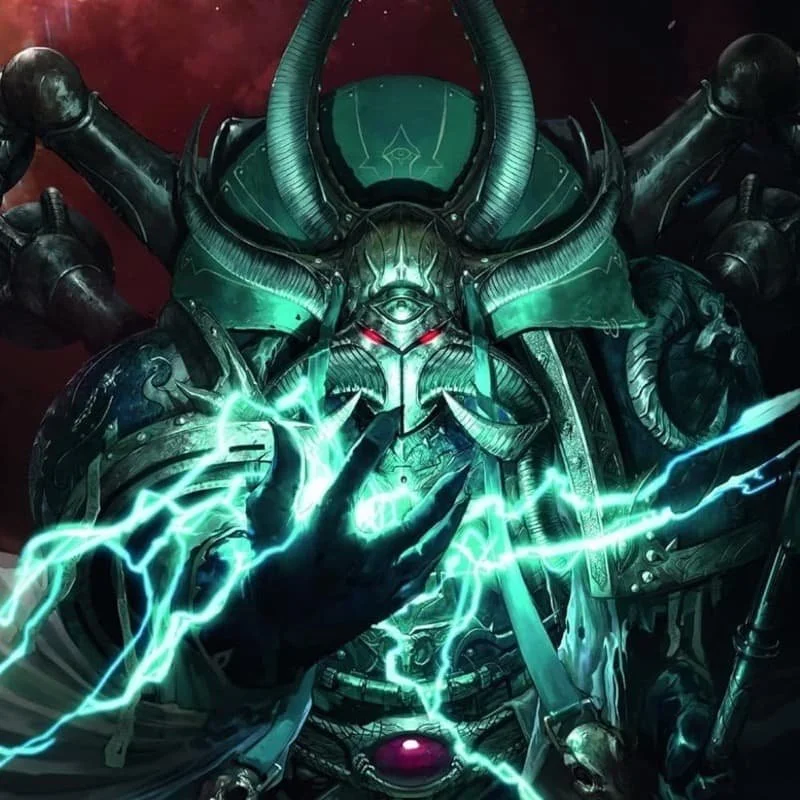
Image Source: Amazon
As previously mentioned, there is a rotating cast of secondary characters who exist alongside Ahriman. There is Astraeos, a former Librarian to a Loyalist Space Marine Chapter who leads his battle brothers in a desperate life beyond service to the Imperium of Man after a great calamity, there is Carmenta, the tech-heretic master of a starship whose very self is fusing ever-faster with the Machine Spirit of her great vessel, and then there are the likes of Ctesias, a Thousand Sons sorcerer who does not trust Ahriman yet follows him regardless and is a master at summoning Daemons of the Warp.
These and many others help to fill out the world and create a changing tapestry of dynamics as new faces emerge or the existing faces change. The novels also provide a very interesting insight into both the Warp and the Daemons of said Warp. The nature of time is a key plot element, as the Warp is known to manipulate it, and the trilogy makes use of this fact for key plot points more than any Warhammer 40K story this reviewer had read so far. The omnibus even grants perspective on the Daemons of Tzeentch in particular, in an interesting scene which introduces a conniving figure many might recognize if they are aware of broader lore.
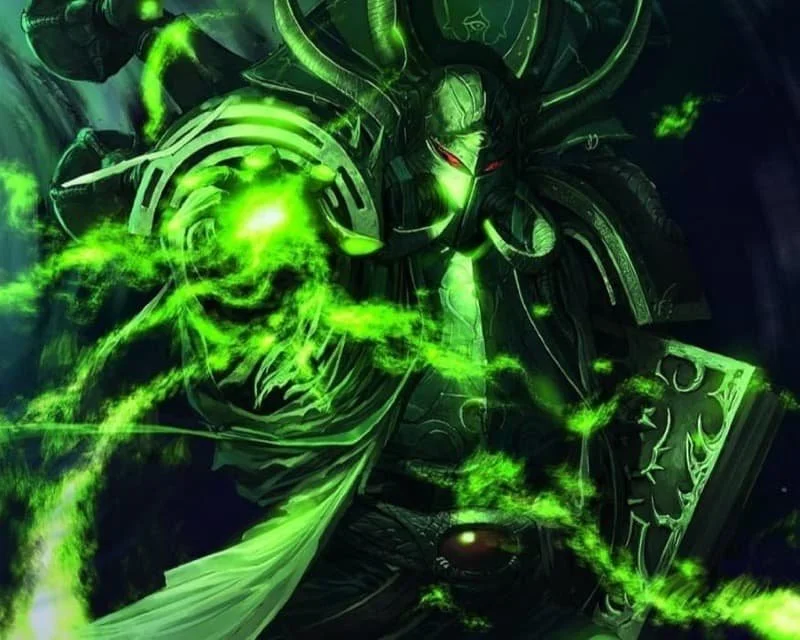
Image Source: Amazon
What few flaws exist with the novel mostly come down to personal preference, and the accumulation of missed opportunities or odd scenes that do not make this novel a friendly read to newcomers to the Warhammer 40K setting. The trilogy and its related short stories are still immensely valuable, but should not be a newcomer’s first stop on their travels through the far future galaxy, only filled with war.
With a complete and thorough look at its title character, a wide cast of characters, and explored locations alongside a complex story that creates a good deal of tension and surprise, Ahriman: The Omnibus is an excellent collection of material, and tells a fascinating tale exploring one of the setting’s most fleshed-out characters. Even if one doesn’t acquire the omnibus itself, the trilogy of novels, followed by what is currently a duology (and might represent the end of the Ahriman series), is great reading for new or existing fans of the 40K setting.
Rating: 9/10
CultureSlate: Made by humans, for humans.
Please consider supporting our AI-free content via our Patreon page.
READ NEXT:


Source(s): Ahriman: The Omnibus
Latest News



Featured




• All sizes are adult unisex
• Printed art on the front
• 100% cotton
• Pre-shrunk fabric
• Shoulder-to-shoulder taping
• Culture Slate Exclusive Design
See more products here