
A Lookback At 'Iron Man', The Film That Started The MCU
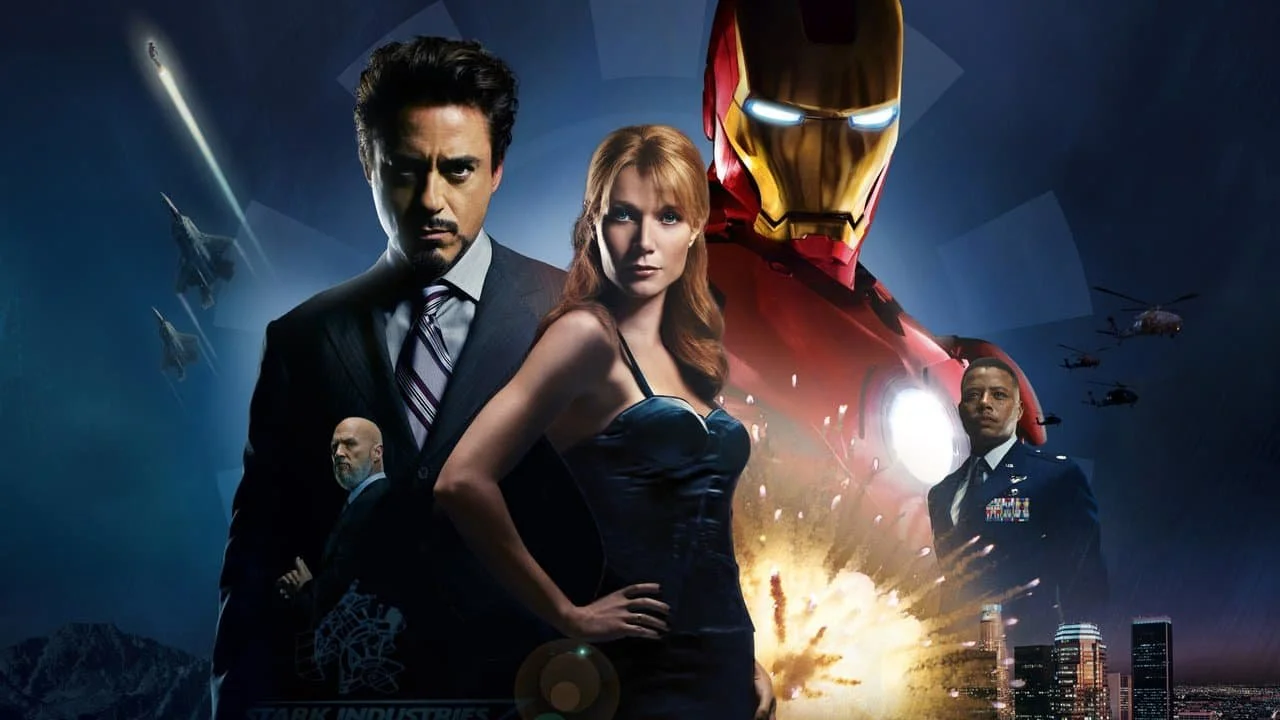
Image Source: HdqWalls
“I am Iron Man!”
Little did people know that those three words would change the landscape of superhero movies, blockbuster films, and cinema as a whole forever.
The comic book/superhero movie genre has gone through peaks and valleys since Richard Donner and Tim Burton helped pave the way. As the Superman and Batman franchises had their highs and lows, the 1990s were filled to the brim with comic book movies that either became cult classics or bombed so badly that they made studios wonder if superhero movies were even worth pursuing. Things started to look up a bit when Steven Norrington’s Blade and Bryan Singer’s X-Men were released. They were the first taste of what audiences could expect from the future.
This would lead to Sam Raimi’s Spider-Man. Like Donner and Burton before him, Raimi gave audiences a hero to believe in. Spider-Man broke multiple box office records, received highly positive reviews, and became the highest-grossing superhero movie at the time. Bryan Singer and Sam Raimi would continue to be the gold standard as X2: X-Men United and Spider-Man 2 would receive critical acclaim. Guillermo del Toro (who also directed Blade II) carved his niche with Hellboy, and Brad Bird would casually drop his superhero classic with The Incredibles. And, of course, Christopher Nolan would go on to save DC’s cinematic legacy with Batman Begins.
But the genre’s third act wouldn’t last forever.
RELATED:
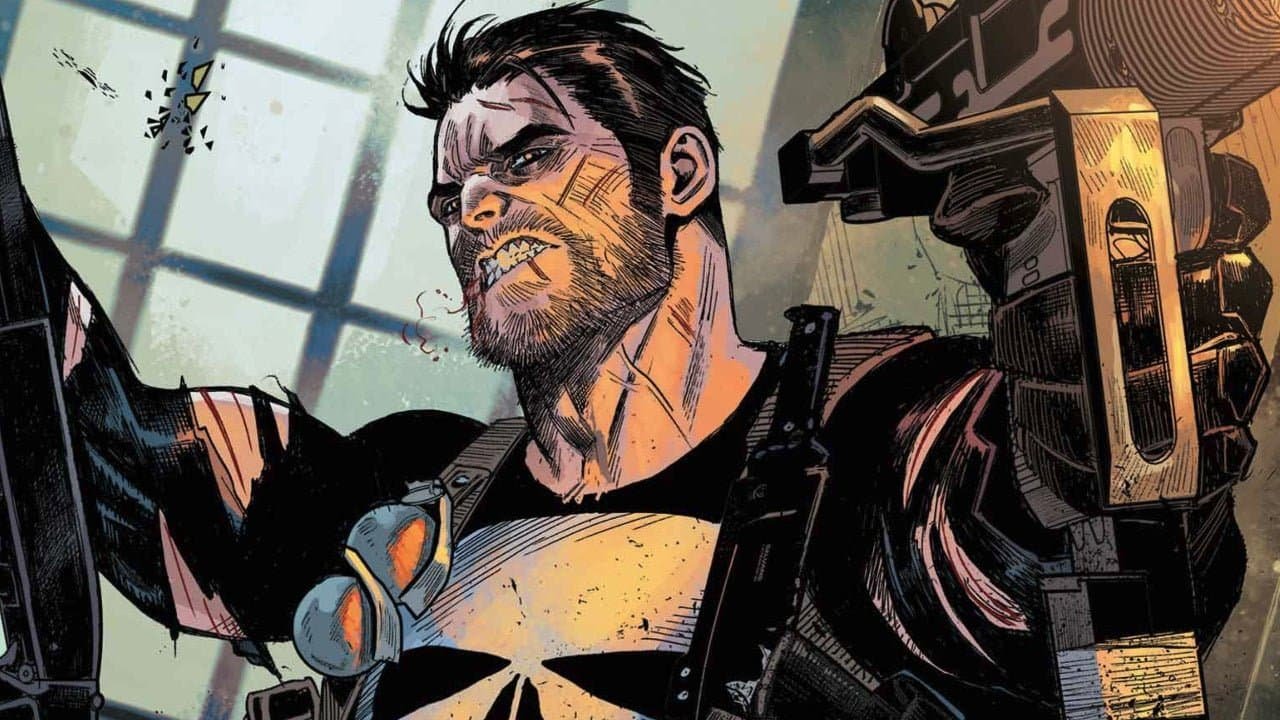
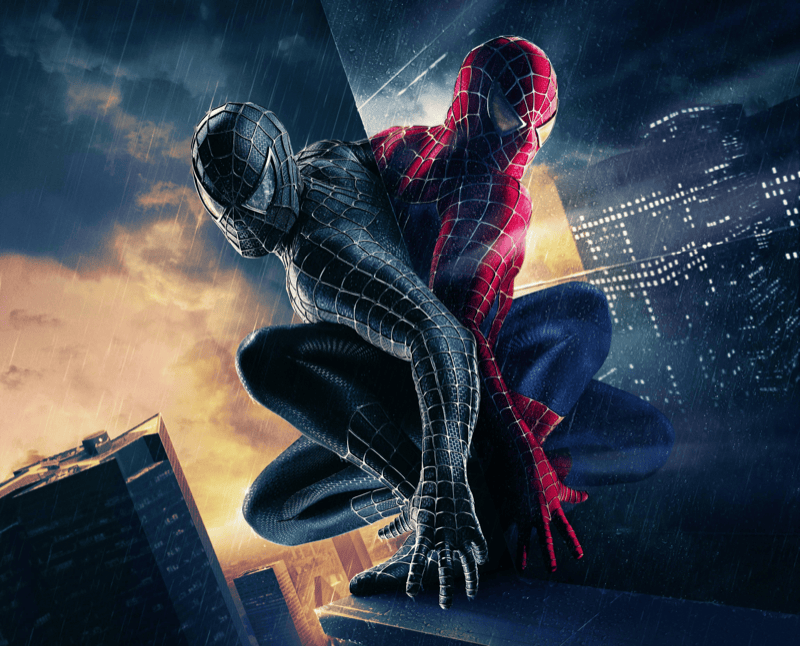
mage Source: Wallpaper Abyss
Comic Book/Superhero movies didn’t have a spotless decade. While Raimi, Singer, Bird, and Nolan made bangers, other filmmakers weren’t so lucky. Even Raimi and Singer’s luck would eventually run out. On the Marvel side, films such as Hulk, Daredevil, Fantastic Four, and Ghost Rider all failed to reach the critical and financial heights of Raimi and Singer’s hits. Meanwhile, films such as Blade: Trinity, The Punisher, and Elektra all instantly became some of the worst superhero movies ever made. On the DC side, Constantine was a moderate hit but wouldn’t receive widespread appreciation until a decade later. Catwoman, much like the handful of Marvel movies we mentioned above, quickly became an infamous film. Not to mention DC’s frequent run-ins with development hell as it’d end the decade without any Wonder Woman, Flash, Aquaman, Green Lantern, or Justice League movies in sight. Some of these characters wouldn’t see the other end of a film projector until the late 2010s or the early 2020s.
The now-disgraced Bryan Singer jumped from X-Men to Superman Returns in 2006. Despite positive reviews and considerable hype, Superman Returns underperformed at the box office. On the flip side, the X-Men franchise (now under the stewardship of fellow now-disgraced filmmaker Brett Ratner) swam in massive box office numbers with The Last Stand, despite it receiving significantly worse reviews than Singer’s first two films. Spider-Man 3 became the highest-grossing superhero movie at the time, but it failed to receive the same acclaim as Sam Raimi’s first two films. As the two big dogs on campus crumbled under the weight of studio meddling and unreasonably high fan expectations, superheroes were in desperate need of a savior. Luckily, it got two. Christopher Nolan’s highly anticipated sequel, The Dark Knight, would soon change the world forever. But another hero was waiting for his cue.

Image Source: Deadline
Since the early 1990s, a film about the armored avenger himself, Iron Man, had been stuck in development hell. Studios such as Universal, 20th Century Fox, and New Line Cinema attempted to bring the character to life. Directors such as Quentin Tarantino and Joss Whedon were attached to the film on separate occasions, as it went through almost every prominent blockbuster screenwriter who was hot in the 2000s, including, but not limited to, David Goyer (Blade, Batman Begins), David Hayter (X-Men, X2), Alfred Gough & Miles Millar (Smallville, Spider-Man 2), and Oscar nominees Ted Elliot & Terry Rossio (Shrek, Pirates of the Caribbean). As the rights reverted to Marvel in 2005, Iron Man would become the company’s first independent feature. At the same time, Paramount Pictures would distribute the film and other planned films centered on iconic Marvel heroes whose rights weren’t snatched up by Sony Pictures or 20th Century Fox.
The question on everybody’s mind was simple: Who will help bring Tony Stark to life? Actor Robert Downey Jr., director Jon Favreau, and producer Kevin Feige were the key pieces to the puzzle that brought Iron Man to the big screen, but not without some baggage. Downey and Favreau were in career slumps while Feige was acting as the leading producer for the first time. So, on the off chance that Iron Man was a failure, it would fall on the three of them. The character of Iron Man himself was also a risk, as he was far from the same level of pop culture recognition as Spider-Man, Hulk, or the X-Men. On the bright side, Iron Man was sporting an Academy Award-nominated cast (Gwyneth Paltrow, Jeff Bridges, and Terrence Howard) and an immensely talented crew (cinematographer Matthew Libatique, composer Ramin Djawadi, and visual effects supervisor Ben Snow). So what do you get when you make a movie based around an obscure character helmed by a director in desperate need of a hit film, a first-time leading producer, and a star whose moment in the spotlight seemed to have faded? All the while, the comic book and superhero movie landscape was undergoing multiple bouts of negative reviews, box office failure, and accusations from film critics of “superhero fatigue”. Easy, you change the game.
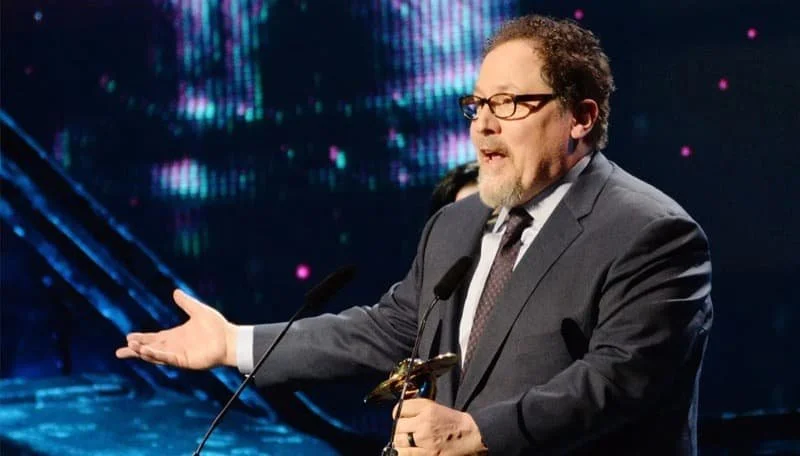
Image Source: The Hollywood Reporter
Iron Man was released on May 3rd, 2008, to critical acclaim and rapturous fandom reactions. Robert Downey Jr.’s turn as Tony Stark was frequently singled out for praise as the film’s primary strength. Jon Favreau’s direction, visual effects, screenplay, and tone were also widely praised. Despite some criticisms levied at the film’s climax, Iron Man was unanimously deemed a winner. After its release, Iron Man was nominated for two Academy Awards: Best Visual Effects and Best Sound Editing. The American Film Institute named it among the 10 Best Movies of 2008. At the 35th Saturn Awards (a ceremony that honors genre films), Iron Man won three awards: Best Science Fiction Film, Best Actor for Robert Downey Jr., and Best Director for Jon Favreau. To make Favreau’s victory a little sweeter, he beat out Christopher Nolan (The Dark Knight), Andrew Stanton (Wall-E), and David Fincher (The Curious Case of Benjamin Button).
And, of course, the film’s most notable legacy was jump-starting the Marvel Cinematic Universe, which would go on to become the most successful film franchise in history. Iron Man’s success would introduce us to Captain America, Thor, Black Panther, Doctor Strange, Captain Marvel, Shang-Chi, and many more superheroes whose chances of making it to the big screen felt slim or impossible. Not to mention the immense success of The Avengers in 2012. Despite the MCU's current state, every director, writer, actor, and composer who enters it owes their success and their projects their existence to Iron Man. Favreau’s MCU contemporaries, such as James Gunn, have called Iron Man the best MCU film ever made. You can’t buy that kind of legacy.
And that legacy starts with the director.

Image Source: Entertainment Weekly
It’s well-known at this point that Iron Man began shooting without a finished script. The final screenplay was credited to two different writing duos: Art Marcum and Matt Holloway (Punisher: War Zone) and Mark Fergus and Hawk Ostby (Children of Men). However, it was Jon Favreau and Robert Downey Jr. who guided the story through constant improvisation and on-set rewrites. This is where Favreau’s strengths as a filmmaker come into play. Favreau’s affinity for collaboration, endless curiosity for visual effects, and expertise in character-driven narrative help Iron Man become a cohesive film. Many critics back in 2008 praised Iron Man for rising above the typical superhero formula. Favreau’s “low-tech” approach, use of hand-held cameras, and heavy focus on Tony Stark’s arc ground the movie in a sense of reality that the MCU has never been able to do again. The tonal balancing act between a "bad-ass superhero spectacle” and a grounded character tale is not an easy one to pull off. Nor would anyone think writing a movie like Swingers could possibly help a film of this scale. Luckily, Favreau took lessons in writing films about men down on their luck and learning to improve as people in new environments, and applied them to Iron Man.
Favreau’s visual style may not be as apparent as that of some of his blockbuster contemporaries, such as J.J. Abrams or Brad Bird, but his sleek visual eye, which will come to define his later work, is on full display in Iron Man. Right from the film’s opening, Favreau puts the viewer right in the middle of the action thanks to incredible camera techniques and expert sound design. The POV shots from inside the Iron Man armor (which has become a permanent staple in the MCU) make this immersion all the sweeter. Favreau and cinematographer Matthew Libatique’s use of naturalistic lighting helped make Iron Man one of the more visually appealing MCU films not directed by James Gunn or Ryan Coogler.
Favreau’s expert blend of action, humor, and drama is a balancing act that very few superhero movies at the time (and even now) can accomplish. Everything in the film has a clear point A and point B, despite (as mentioned above) the movie beginning filming without a finished script. Contrast this with Iron Man 2 (which also began shooting without a finished script), where there were multiple scenes with actors just riffing without moving the story forward. Compare this with other superhero-origin movies released after Iron Man, which either speedrun through anything interesting (Green Lantern) or linger on scenes waxing poetic about heroism without saying much of anything (Man of Steel). Having a filmmaker like Jon Favreau, who has a background in independent films and television, helps superhero movies get to the point without feeling like they’re just throwing you into action and special effects without clear cause and effect. The upper echelon of MCU filmmakers would perfect Favreau’s approach to character-driven narrative and tonal balance in their own way in future installments.

Image Source: Vocal Media Geeks
Now, Jon Favreau didn’t invent character development in superhero movies, and to suggest that would be comically dishonest. Richard Donner, Sam Raimi, Brad Bird, and Christopher Nolan all received praise for bringing in a “human element” to superhero movies. But Favreau deserves credit for helping create the MCU’s main creative philosophy: Character first. Everything, from the action to the humor to the plot, is always centered around the characters. The iconic sequence where Iron Man defeats the Ten Rings in Gulmira and then confronts two military planes isn’t just a great scene because the action is cool. It’s a great scene cause there are stakes and characters you care about. You want to see Iron Man kick some ass, but that doesn’t feel as satisfying if there’s nothing to grab onto. And all this is coherent and engaging thanks to Favreau’s deft directing.
Jon Favreau’s detractors (especially after the release of his remake of The Lion King) often call him a “studio yes-man” with no creative input or vision whatsoever. There’s a frustrating misconception that only auteur filmmakers can have vision and authorship, and journeyman directors are just stooges who call action. One has to be intentionally dishonest to say that Jon Favreau has no creative input in his work. Over the last 20 years, Jon Favreau has proven himself to be a versatile and accomplished journeyman director. Before Iron Man, Favreau’s reputation was caught between being “the guy who wrote Swingers” and “the guy who made Elf.” However, drawing on his experience from writing Swingers, his forward-thinking approach to visual effects, and his love of Star Wars helped him become a blockbuster pioneer.
You can bemoan that he doesn’t make movies like Chef more often. You can (incorrectly) state that he “ruined cinema” by kickstarting the MCU. You can even belittle him for the very existence of his two Disney remakes. However, you cannot deny that, thanks to Iron Man, Jon Favreau has become a defining blockbuster filmmaker of our time. A blockbuster filmmaker who deserves to be mentioned in the same breath as other directors who have made films that revolutionized visual effects, such as George Lucas, Steven Spielberg, James Cameron, and Peter Jackson.
Wonder if Favreau’s love of Star Wars led him anywhere else? The world may never know……
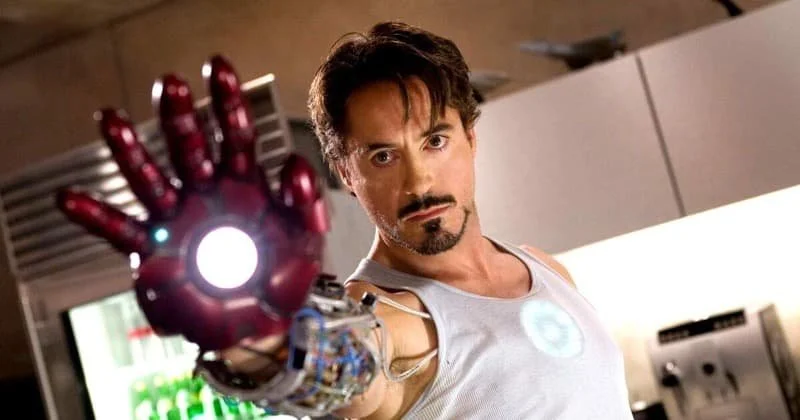
Image Source: The Los Angeles Times
Robert Downey Jr. has come close to comic book movies before. He was considered for the roles of Lex Luthor in an unmade J.J. Abrams-scribed Superman movie, directed by McG, as well as Doctor Doom in Tim Story’s Fantastic Four. Can you imagine Robert Downey Jr. as Doctor Doom? Think about that: Somewhere in this vast multiverse, Robert Downey Jr. played Doctor Doom. When it came time to cast Tony Stark in Iron Man, Jon Favreau, Kevin Feige, and casting director Sarah Halley Finn considered a handful of actors for the role: Emmy nominee Timothy Olyphant, future Oscar winner Sam Rockwell, Oscar nominee Clive Owen, and QAnon weirdo Jim Caviezel. Favreau felt Downey’s past and love of the source material made him an ideal choice. Despite initial pushback from Marvel, Downey got the job. And thus, a legend was born.
Downey’s performance as Tony Stark was the most widely praised element of Iron Man. Even in the rare negative reviews the film received, critics couldn’t help but be captivated by his acting. And that’s for good reason. In addition to Downey’s endless stream of dramatic chops and charisma, the character of Tony Stark himself is a goldmine of quality. The original Tony Stark (created by Stan Lee and Larry Lieber) was heavily inspired by real-life billionaire Howard Hughes. Hughes's influence is still intact, with Stark’s drive and womanizing nature being essential traits in Downey’s portrayal. Tesla and SpaceX CEO Elon Musk also served as an influence on Downey’s version of Stark. You know, back when that meant something. Prohibition agent Eliot Ness was also an influence on the character. All these elements, plus Downey’s natural talent and inspiration from his real life, created the single most fantastic on-screen superhero cinema has ever seen.
Even now, Tony Stark remains a unique kind of comic book movie protagonist. He’s not a boy scout, a nerd with bad luck, a brooding vigilante mourning his parents, or a plucky mercenary. Instead, he’s (as he says in later films) a genius, billionaire, playboy, and philanthropist. He’s arrogant, selfish, self-absorbed, and kind of a dick. Favreau has described the challenge of making Tony a “likable asshole” in the film. Tony Stark isn’t an audience surrogate like Peter Parker; he’s a flawed man who must overcome his deep-seated flaws. Tony’s arc (reactor) has him dealing with the consequences of making weapons that have destroyed people’s lives. While some have oversimplified this storyline as “billionaire feels a little bit bad uwu.”, it’s so much more complex than that. At the beginning of the film, you know Tony Stark is a jerk. He doesn’t listen, he’s reckless, and he doesn’t treat those around him with much respect. At the same time, you like the smooth way he talks to women. You appreciate how he has an answer to almost every question. And during scenes where he’s trapped in the cave with Yinsin, you admire his intelligence. That balancing act between knowing Tony Stark isn’t the best dude at the start but still being taken by his wit and ingenuity isn’t an easy one to pull off. Luckily, Robert Downey Jr. pulls it off in spades. The combined talent of Robert Downey Jr.’s acting and Jon Favreau’s directing makes every line of dialogue feel important, whether it’s a serious line that explores the movie's themes or a humorous line.
Downey will carry this effortless acting style with him for every MCU movie he appears in. Joss Whedon, Shane Black, and the Russo Brothers managed to make Tony Stark feel larger than life, yet still human, as Jon Favreau did in Iron Man. While it’s possible that another actor could play the character to perfection in the future, Robert Downey Jr. is going to be an insanely tough act to follow.
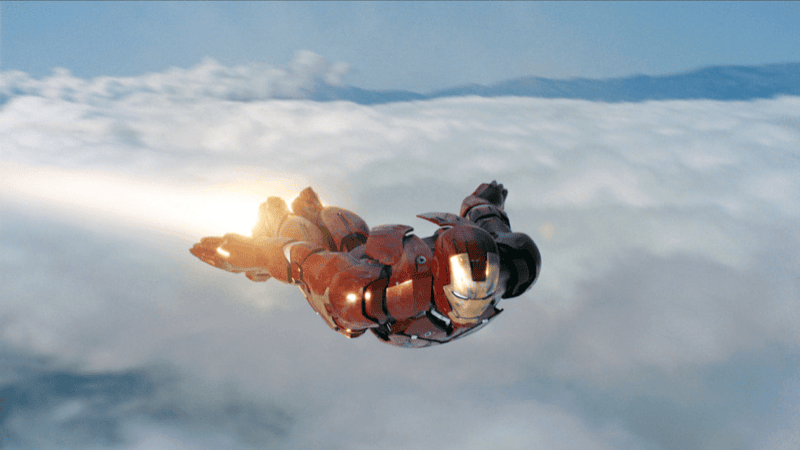
Image Source: Into Films
What makes Iron Man so special? Younger viewers or those unfamiliar with their superhero movie history may not understand why. Like Orson Welles’ Citizen Kane or the music of The Beatles, elements of Iron Man may not seem as special, considering how much time has passed since the work that influenced it has also been around for a considerable period. Some have also argued that Iron Man hasn’t aged well, whether due to its small scale or the prevalence of post-9/11 imagery and storylines. It’s not an unfair argument; even films considered among the greatest of all time have elements that didn’t age well. But that’s per the course of all art, even great art.
Yes, there is a case to be made for Iron Man being considered a work of great art. In 2022, 14 years after its release, Iron Man was selected by the Library of Congress for induction into the National Film Registry. The main criteria to be inducted into the registry are to be “culturally, historically, or aesthetically significant.” Iron Man, along with Superman ‘78 and The Dark Knight, are the only superhero films to be in the registry. While they may not be the only ones forever (Black Panther and Into the Spider-Verse have a great chance of being inducted by the end of the decade), the fact they’re in there at all means something. The National Film Registry is in some way a higher honor than an Academy Award. Being inducted means you’re one of the most important films ever made. The fact that Iron Man is in the same conversation as Star Wars, The Lord of the Rings: The Fellowship of the Ring, Raiders of the Lost Ark, and The Dark Knight is an achievement within itself. So why do we keep coming back to Iron Man? What makes it worthy of being considered one of the most influential movies of the last 20 years? There are two easy answers: Simplicity and efficiency.
It’s hard to imagine that this grounded and small-scale superhero movie, with only three action scenes, would lead us to one of the most ambitious and widespread film sagas in recent memory. While Kevin Feige and Marvel Studios were aware that movies based on Thor and Captain America were in development, and Favreau had discussed a potential Iron Man trilogy, they didn’t create this movie solely to establish a cinematic universe. Nearly every franchise that has tried to create a cinematic universe has failed miserably, as studios and filmmakers miss the point of what made Iron Man work. The MonsterVerse and The Conjuring Universe are the only exceptions, as they began with great standalone movies that evolved into a shared universe. Meanwhile, the DCEU crashed and burned with Batman v Superman: Dawn of Justice, as Zack Snyder was more focused on setting up Justice League sequels rather than concentrating on the story at hand. Warner Bros. seeing Marvel bathe in billions didn’t help the DCEU’s fundamental issues. The Amazing Spider-Man 2 is another example of a film that focuses more on setting up spin-offs than telling a cohesive story. Not to mention films such as Ghostbusters: Answer the Call, The Mummy, Transformers: The Last Knight, King Arthur: Legend of the Sword, and Scoob! all did so poorly that they killed potential cinematic universes before they had a chance to exist. Even Marvel Studios has fumbled a few times, as evidenced by Iron Man 2, Avengers: Age of Ultron, and Ant-Man and the Wasp: Quantumania, which prioritized worldbuilding and sequel setups over telling a story that made even a little bit of sense.
Iron Man was born out of people wanting to prove themselves. Jon Favreau proved he was more than just “the guy who made Elf.” Robert Downey Jr. proved he’s an actor worth investing in, and Kevin Feige proved you can make great movies out of Marvel characters almost nobody wanted. The expert blend of practical effects and groundbreaking CGI, Ramin Djawadi’s pulse-pounding score, the euphoric sound design, and a memorable cast of characters are just more reasons why Iron Man has endured for 17 years. In a world where we’ve been introduced to infinity stones, talking raccoons, rainbow bridges, secret nations, wizards, and aliens, nobody could’ve predicted just how much impact Iron Man would have on pop culture. We could easily take Jon Favreau and co. for granted and write the movie off as “the first one” and not give it flowers. If you haven’t seen Iron Man in a while or you’ve only seen it within the confines of MCU rewatch marathons, you 100% should. Allow yourself to be immersed in Jon Favreau’s little superhero movie that could. Maybe you’ll be inspired to write your own stories. Or perhaps you’ll be inspired to listen to a lot of AC/DC; who knows?
Rewatching Iron Man is a worthwhile way to spend your day. There is never a bad time to remember an important mantra: Heroes aren’t born, they’re made.
READ NEXT:

Latest News


Featured





• All sizes are adult unisex
• Printed art on the front
• 100% cotton
• Pre-shrunk fabric
• Shoulder-to-shoulder taping
• Culture Slate Exclusive Design
See more products here