
Villains We Root For: The Rise Of The Anti-Hero In Pop Culture

Image Source: BFI Southbank
The concept of an antihero isn’t a modern concept. It migrated to the screen from literature that had been doing it for centuries. Homer’s Odyssey was written in approximately 700-800 BC, but there are examples in religious texts, myths, and legends that go back further.
Early filmmakers liked to adapt novels so literary antiheroes ended up in black and white and silent movies. A number of versions of The Count of Monte Cristo had been made before Richard Donat portrayed Edmond Dantes in the first version with sound in 1934.
RELATED:
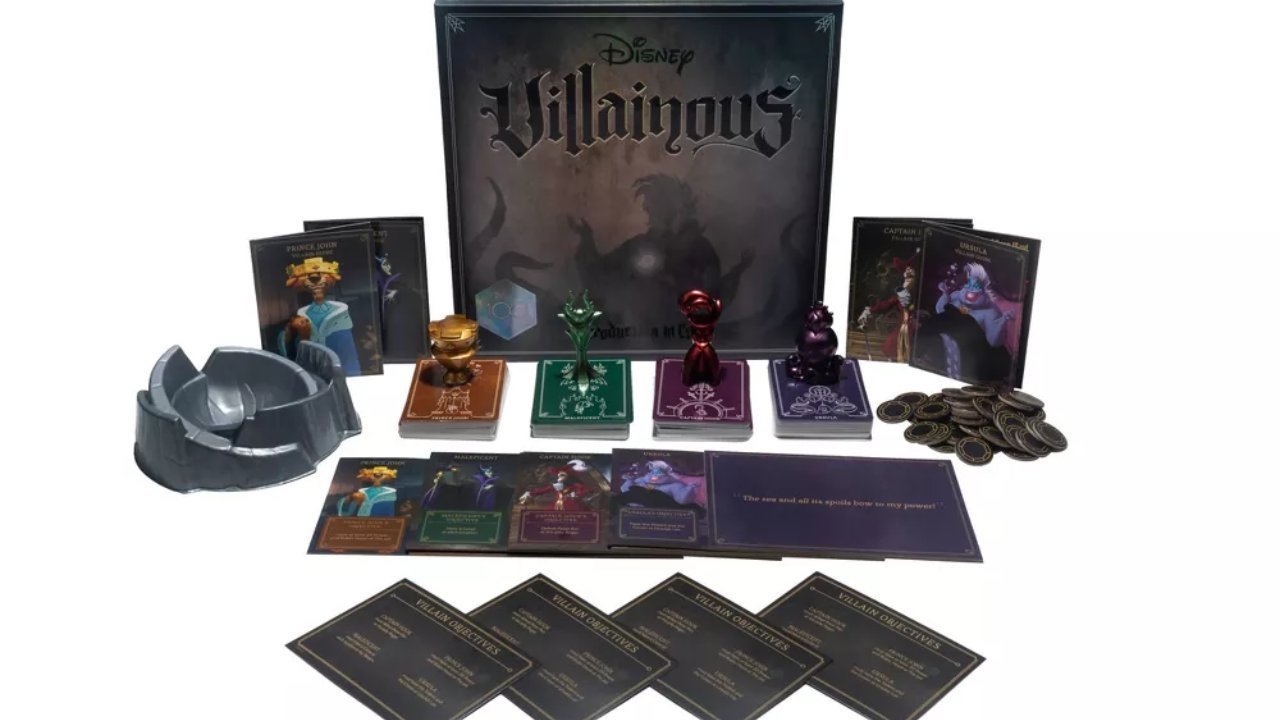
The love of the antihero was fanned by the spaghetti western. The films were churned out to fill matinee programmes, and were popular in the 1930s, 40s and 50s. Flawed heroes, tales of revenge, and lone wolf leads were standard. John Wayne made a living out of playing rough and ready cowboys in movies like The Searchers and Rio Bravo
But it wasn’t just westerns that did well. Casablanca walked away with three Oscars. Humphrey Bogart played the lead, Rick Blaine, who encouraged Ilsa to cheat on her husband and prevented her from escaping to safety for a large part of the movie. Hardly hero material, and yet he became one of the most iconic characters of the twentieth century.
Just as colour movies were starting to get a foothold at the box office, and television was becoming more widespread, the most famous antihero of them all released his first movie (Based on Ian Fleming’s books):
Sean Connery’s Dr No was released in 1962, and although the actor has changed several times, the franchise is still going strong.
Television became a bigger medium. By the mid-1960s, Spanish telenovelas influenced American serials. which in turn inspired British and Austrialian soap operas to be made. This gave us memorable characters like Stefano DiMera (Days of Our Lives), ‘Dirty’ Den Watts (Eastenders) and Paul Robinson (Neighbours). In the new millenium it’s not just the serial, we have a whole host of TV shows morally grey protagonist, e.g Breaking Bad and Star Wars: Skeleton Crew.
Antiheroes are ingrained in all forms of entertainment. They’ve spread with technology. We’re even creating real-life versions with reality TV show heels and influencers we love to hate. It’ll be interesting to see where they go next.
Can Women Be Anti-Heroes?
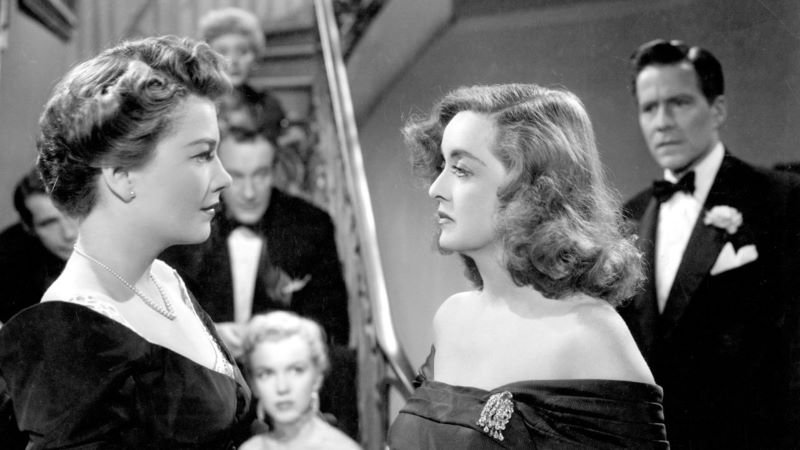
Image Source: MUBI
Going back into the past, it was generally more difficult for women to lead pictures. But when they did get scripts, their good antihero roles out there, many of which led to critical recognition.
Actress Vivien Leigh has the distinction of winning two Oscars for playing anti-heroes, Scarlett O'Hara in Gone With The Wind (1939) and Blanche DuBois in A Streetcar Named Desire. Gloria Swanson got a best actress nomination for playing Norma Desmond (1950) in Sunset Boulevard
The iconic All About Eve (Bette Davis & Anne Baxter) was essentially a battle between two antiheroes, with the audience rooting for different women at different points in the plot. It won the Best Picture Oscar in 1951.
In the more modern day, we have a multitude of examples of popular female antiheroes, such as Amy from Gone Girl, every major female character in Game of Thrones, and Miranda Priestly in The Devil Wears Prada. They don’t just win awards, they win fandoms.
What Makes a Successful Anti-Hero?
It’s a fine line between antihero and unlikeable, and movies must take care not to cross it. There are certain elements required to portray it successfully.
Some of the story has to be told from their perspective. Joker and I,Tonya are both entirely from the antihero’s point of view, in regard to the camera, and the narrative voice. Ray Batty (Rutger Hauer), the replicant leader in Blade Runner, was given a monologue, and he’s in close-up for a large part of his final scene.
The antihero must have qualities that the audience can relate to. For example, Ferris Bueller (Ferris Bueller’s Day Off) tapped into the wish to be reckless and desire to take a break from our responsibilities. Gru from Despicable Me was a supervillain, but he had the same troubles as many parents.
The actor needs to make an impact to play an antihero. Whether that is a talented performance, onscreen charisma, or just rocking a cool costume, (coughs in Boba Fett) this is not for the wallflower. Being an antihero gives good actors an opportunity to play, Dustin Hoffman took a pantomime villain from a Peter Pan adaption (Hook, 1991) and turned him into an empathetic character that the audience were rooting for. Tom Hiddleston’s appearances as Loki in the Thor and Avengers movies stole the spotlight so much that the MCU gave him his own series.
It’s not always easy to spot the villain in movies with a strong antihero, especially with movies like Fight Club, where each audience member seemed to interpret the character differently. But perhaps it’s truer to life that way.
READ NEXT:

Latest News

Featured


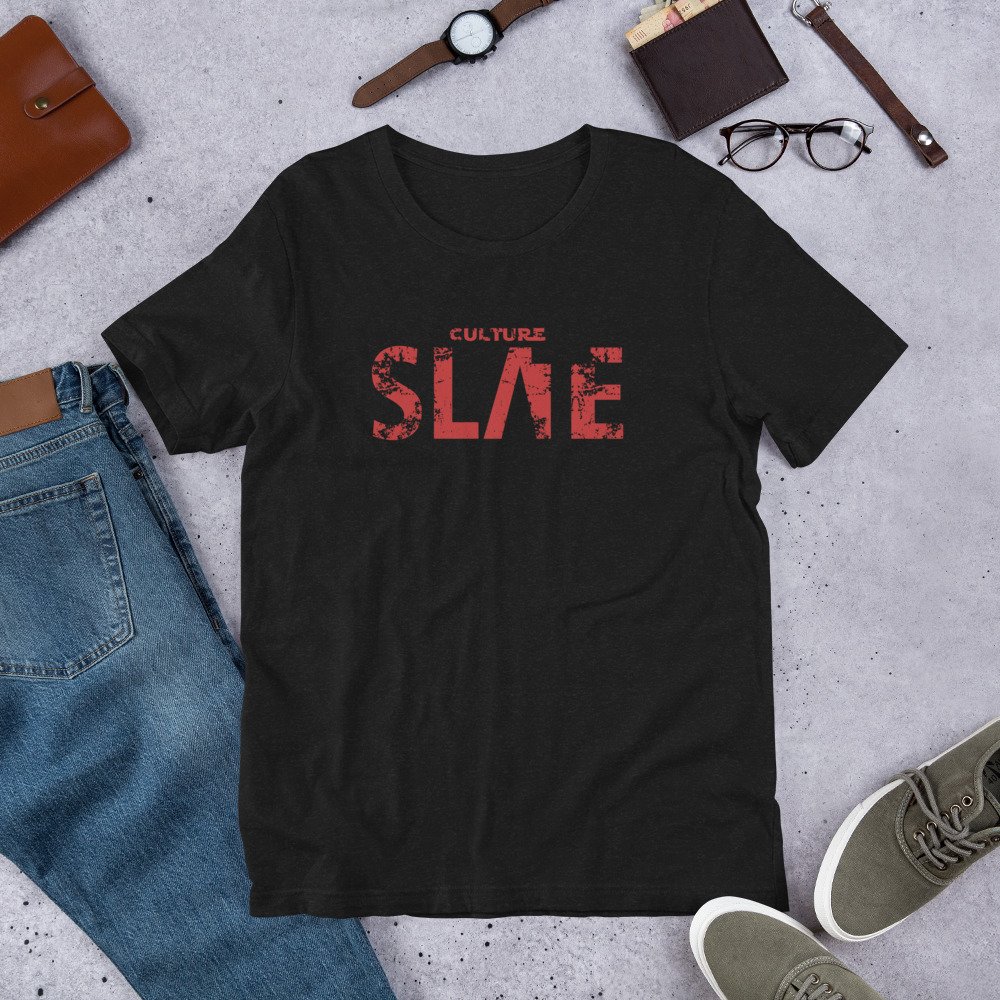
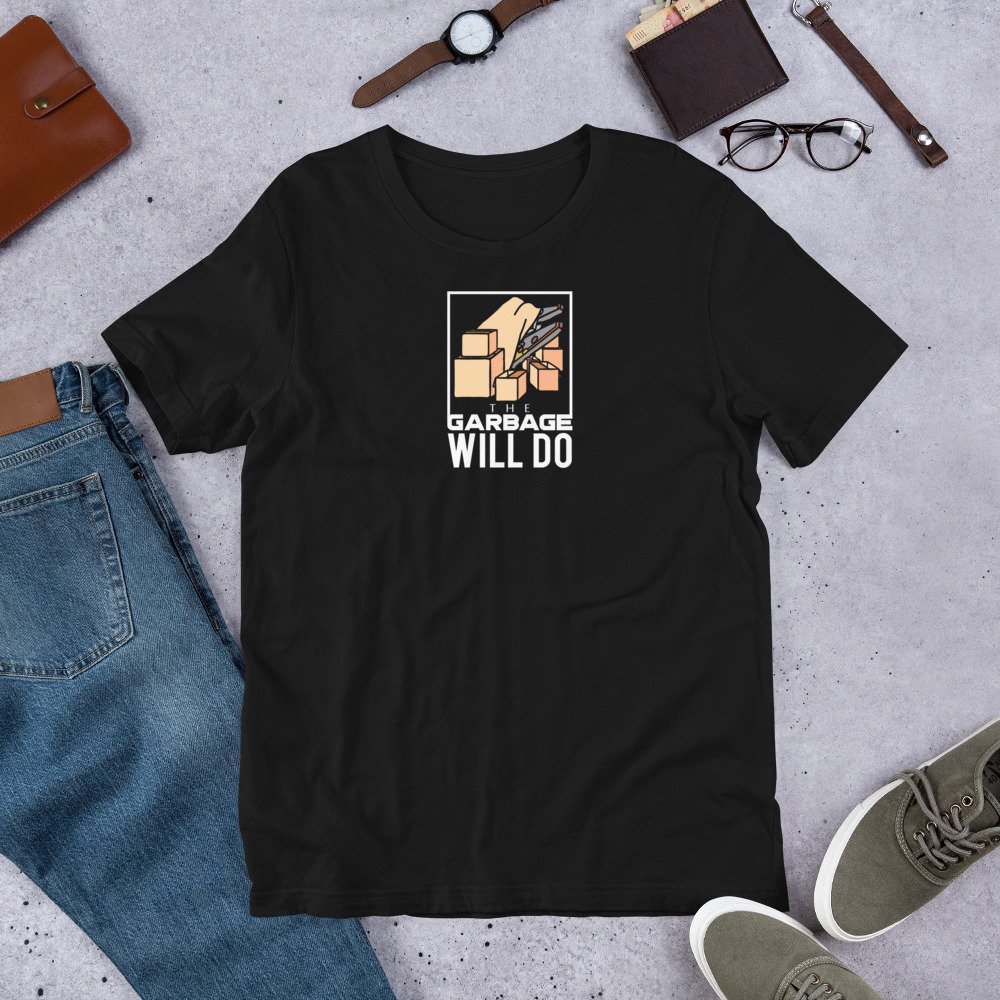

• All sizes are adult unisex
• Printed art on the front
• 100% cotton
• Pre-shrunk fabric
• Shoulder-to-shoulder taping
• Culture Slate Exclusive Design
See more products here