
When The Adaptation Outshines The Book: 10 Times Movies and Shows Got It Right
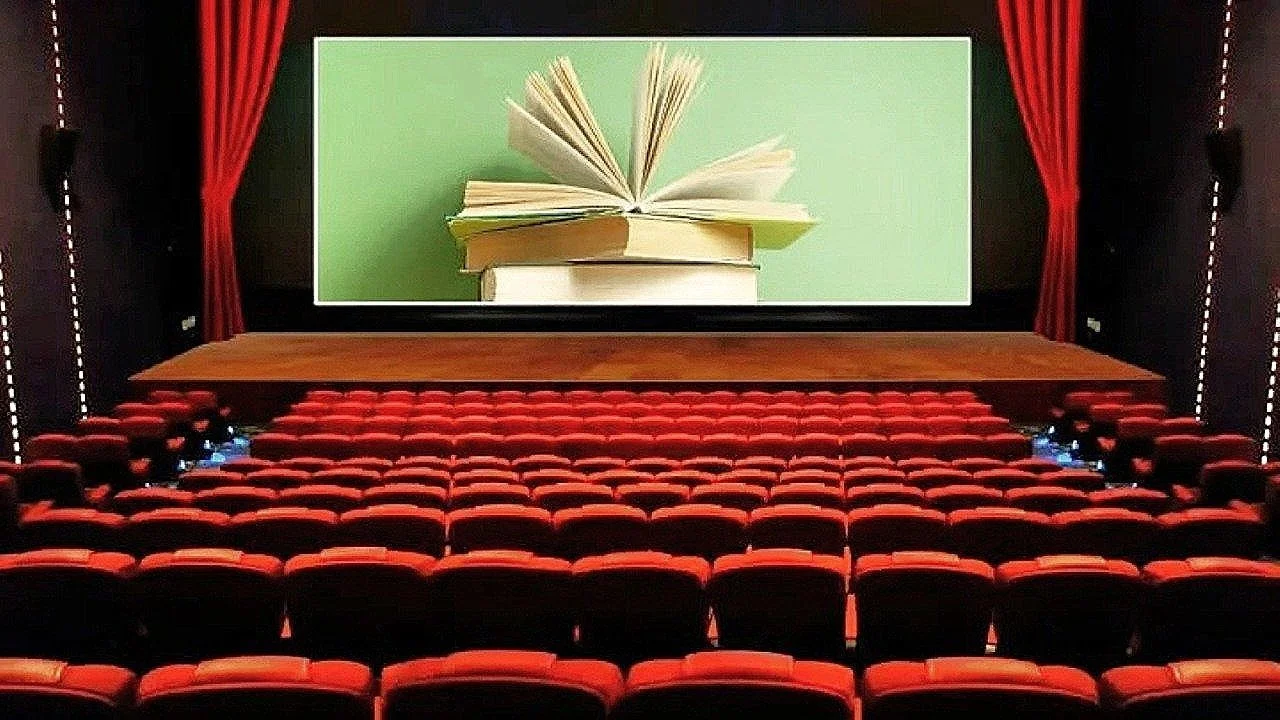
Image Source: Mental Floss
When a movie, series or computer game is adapted from fiction, most avid readers will swear on their Kindle that the printed word rules. But are there occasions when the screen has improved on the author’s original vision? We think so.
RELATED:
10) Old Boy
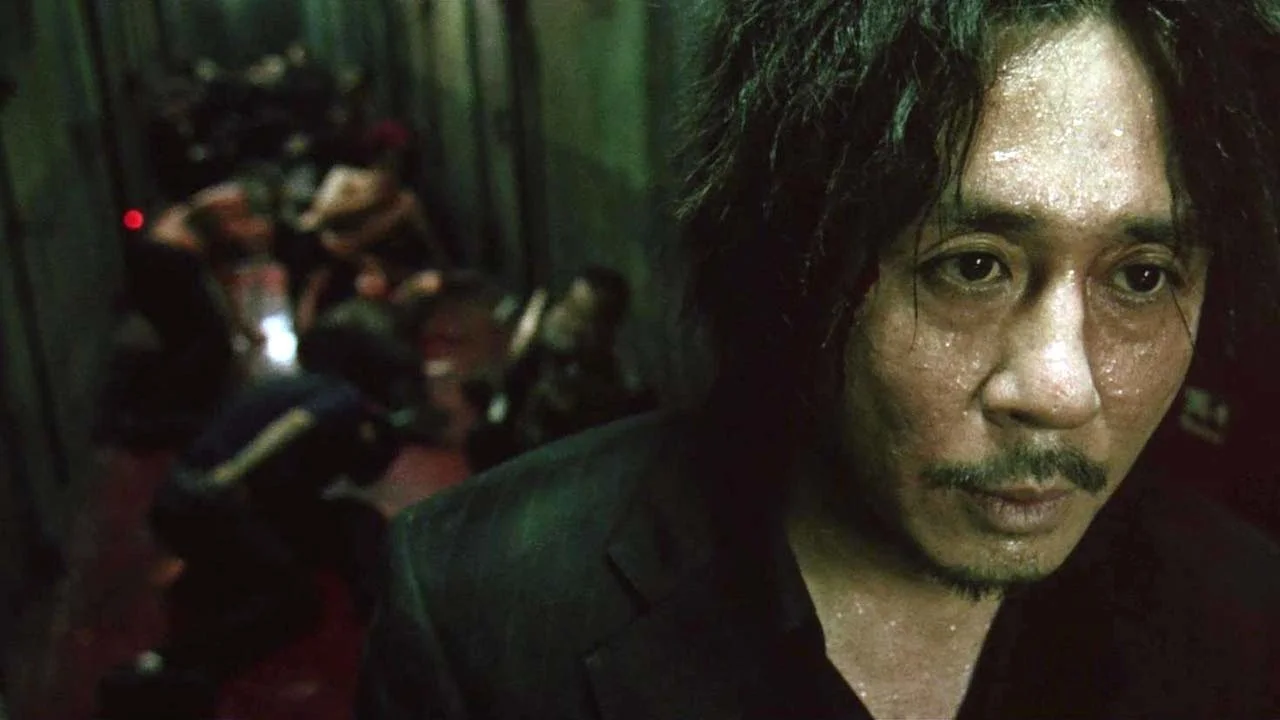
Image Source: YouTube
The second instalment in The Vengeance Trilogy was based on a manga by Nobuaki Minegishi and Garon Tsuchiya.
The Japanese and Korean versions diverge after the set-up. The manga is missing the iconic hallway fight, but that shouldn’t disparage fans from getting their hands on a hard copy. However, you just can’t beat the Park Chan-wook movie, it’s a truly seminal piece of filmmaking and repeatedly included critics ‘best film ever made’ lists.
9) True Blood
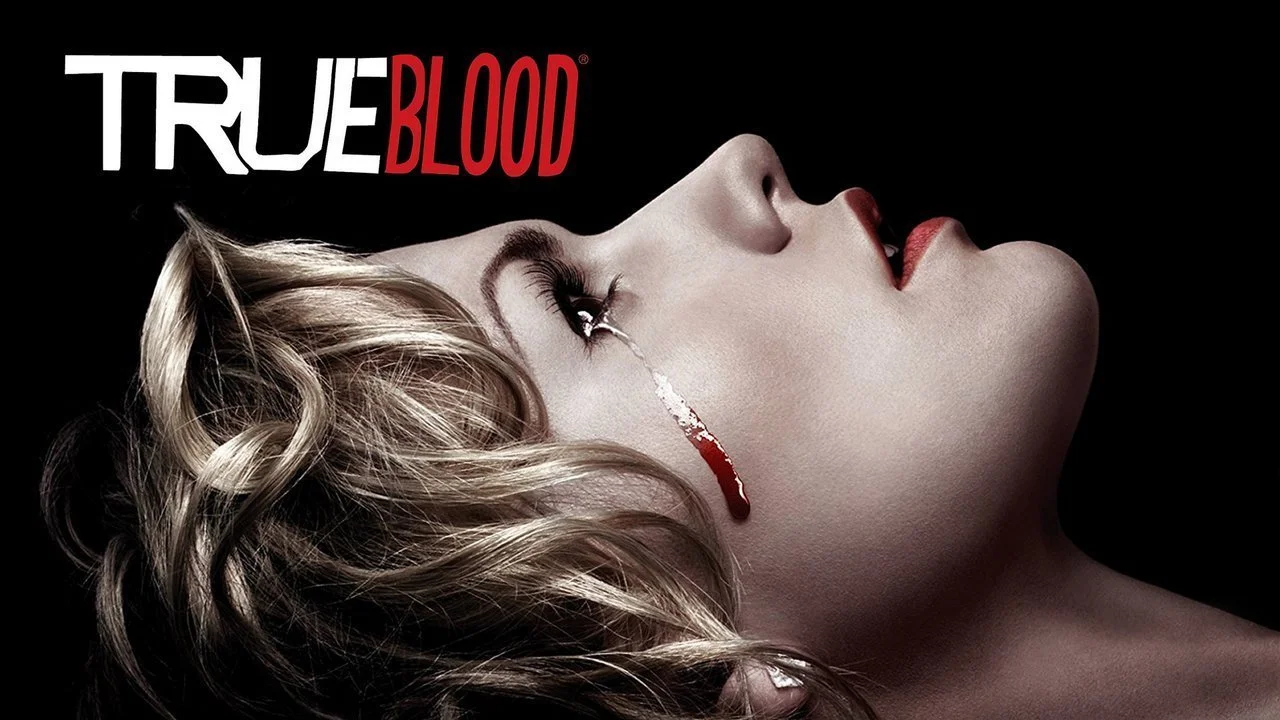
Image Source: TV Insider
The books are all pretty much from Sookie Stackhouse’s point of view, but HBO’s True Blood gave all the other characters a chance to shine.
There were several large story arcs in the show that did not involve Sookie, e.g. Most of the faerie world, the werewolf pack and the Fellowship of the Sun. But Charlaine Harris’ prose is still worth reading if you enjoyed HBO’s True Blood.
8) The Witcher
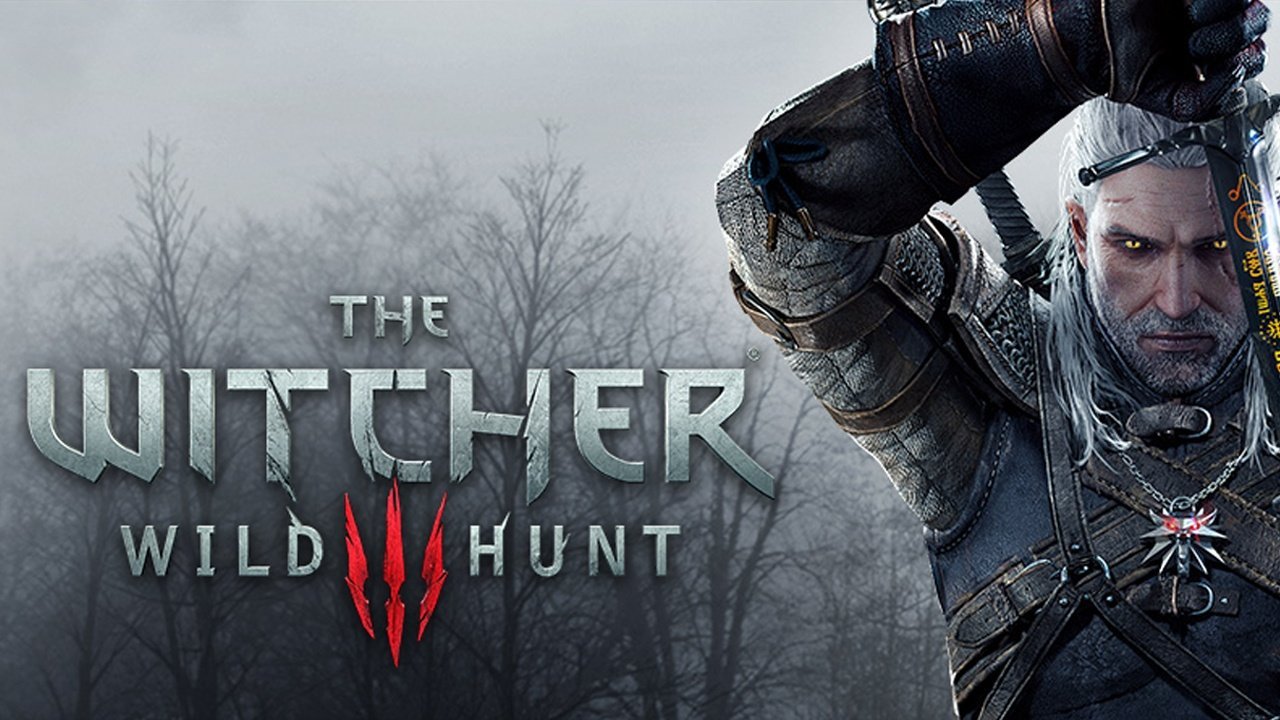
Image Source: IGN
Polish author Andrzej Sapkowski wrote six books and fifteen short stories in his original language. Before The Witcher took off, the translations were not done with any sensitivity or grace so the language in the earlier books is sketchy. In later books, where the translation is better, Sapkowski truly jumped the shark with the plot.
The games took the ideas and characters that Sapkowski has established so well and ran with them. The Witcher 3: Wild Hunt is probably the pinnacle of this franchise, and additionally the expansion pack Blood and Wine also nailed it. However, Netflix early seasons of The Witcher with Henry Cavill were also excellent. Both surpass Sapkowski’s writing, but if the publisher decided to do a decent reprint (with better translations) of the earlier books, this could change.
7) Minority Report
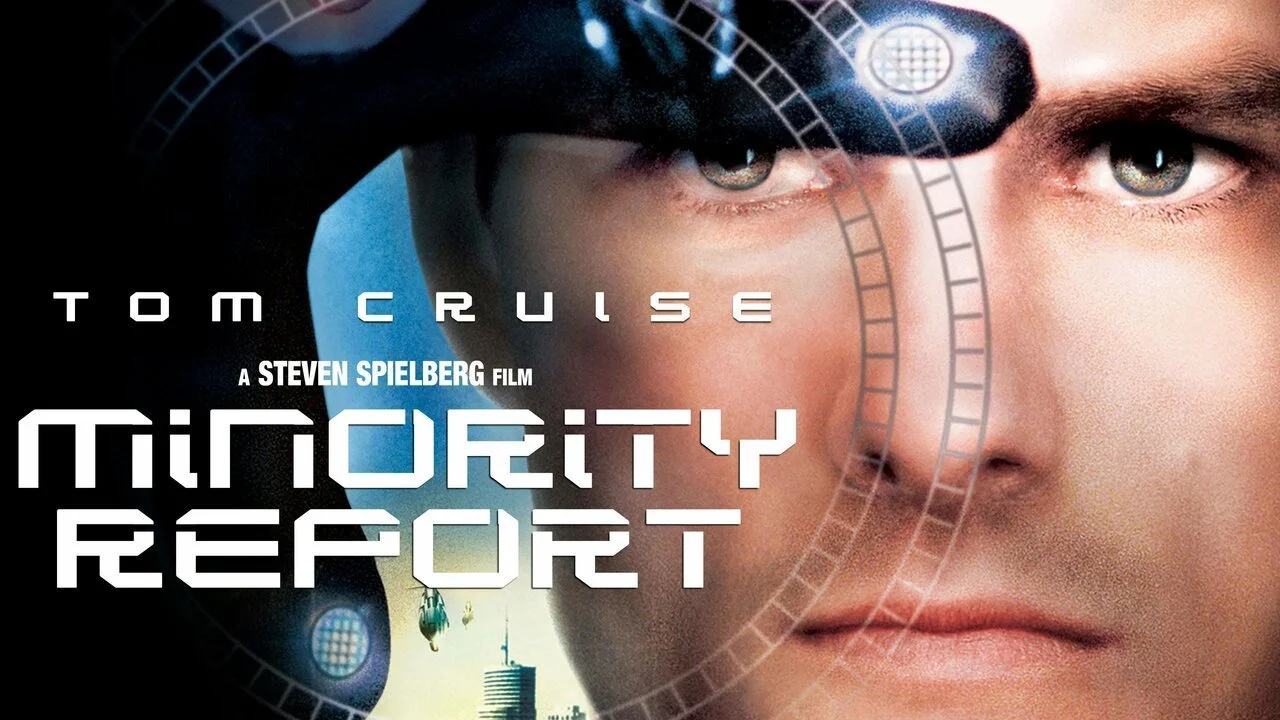
Image Source: TV Insider
Most are unaware that this film started life as a Philip K. Dick (yes, The Man in the High Castle, and Blade Runner aka Do Android Dream of Electric Sheep author) short story. Philip K. Dick’s precogs were ugly mutants barely able to communicate with the outside world. But Spielberg split from the original narrative and humanised them. Agatha became a sympathetic victim of the precrime system, even more so than John Anderton (Tom Cruise).
The movie’s lead is more dynamic, Anderton in the original is a middle-aged balding man, similar to many of Dick’s protagonists. Spielberg does give Minority Report a Hollywood happy ending, which is also very different to the short story. Precrime isn’t brought to a standstill and Anderton end up in jail. It’s very much reader preference on that one to which you prefer. But the world building and the convincing detail that Spielberg used to present a realistic version of the future very much seal the deal as to which is best. But if Philip K. Dick had expanded his idea into a full novel this may have been a different outcome.
6) 50 Shades of Grey
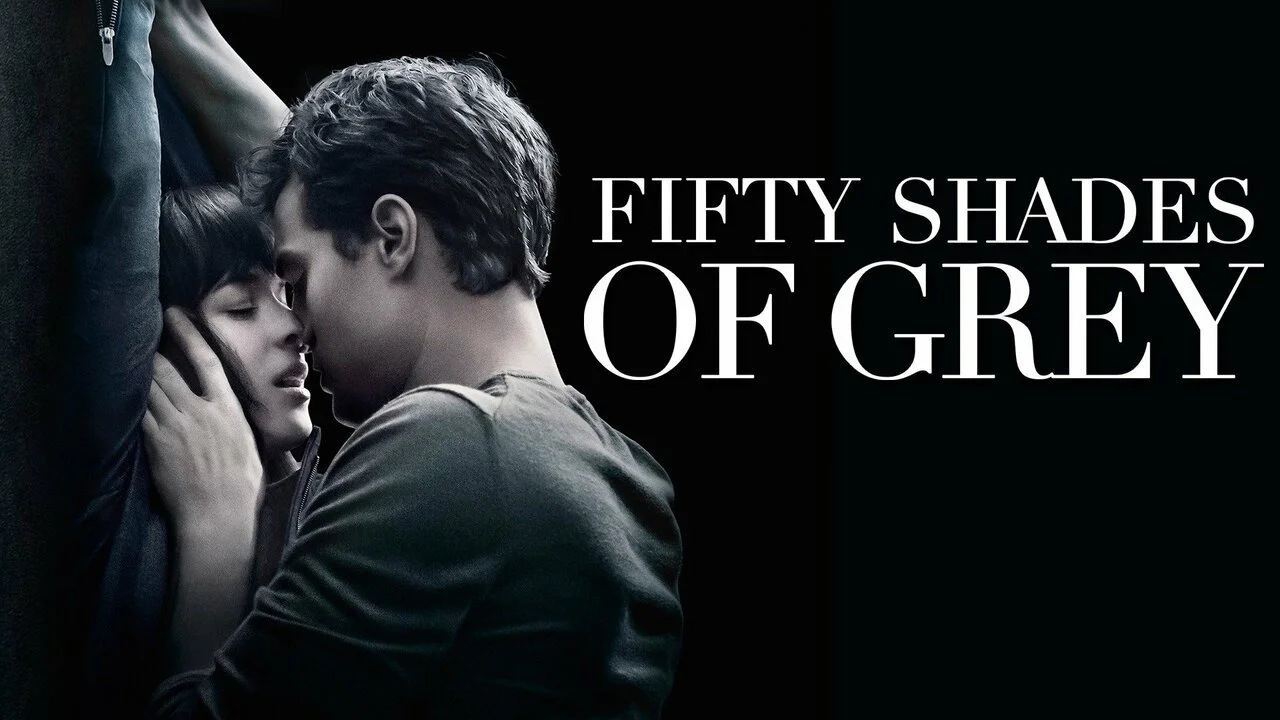
Image Source: TV Insider
50 Shades of Grey was a Twilight fanfiction series that was adapted for print, and then again for Hollywood. Both movie and novels have significant problems for different communities, but the movies took the sting out of the worst moments. Thankfully the bathtub scene never made it to the screen. If you know you know.
5) Stephen King’s Short Stories
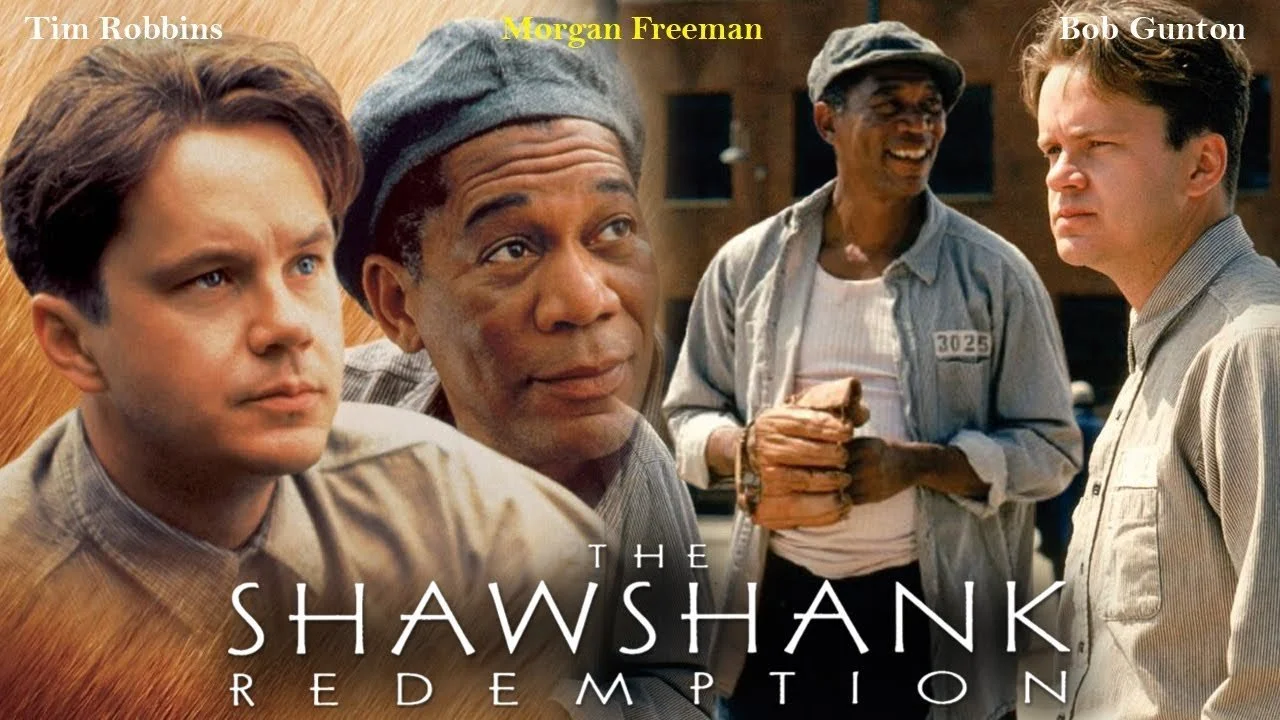
Image Source: YouTube
We couldn’t pick just one Stephen King short story, there’s a staggering number that were taken from mediocre to excellent by a sympathetic writer/director. The Shawshank Redemption, Stand By Me, Hearts in Atlantis, The Mist, Children of the Corn. Stephen King always seems to get the basic elements right to make his short stories work for adaption, even if Hollywood sometimes changes a few details, for example Brooks Hatlen’s iconic arc in The Shawshank Redemption movie came from writer/director Frank Darabont.
4) Jaws
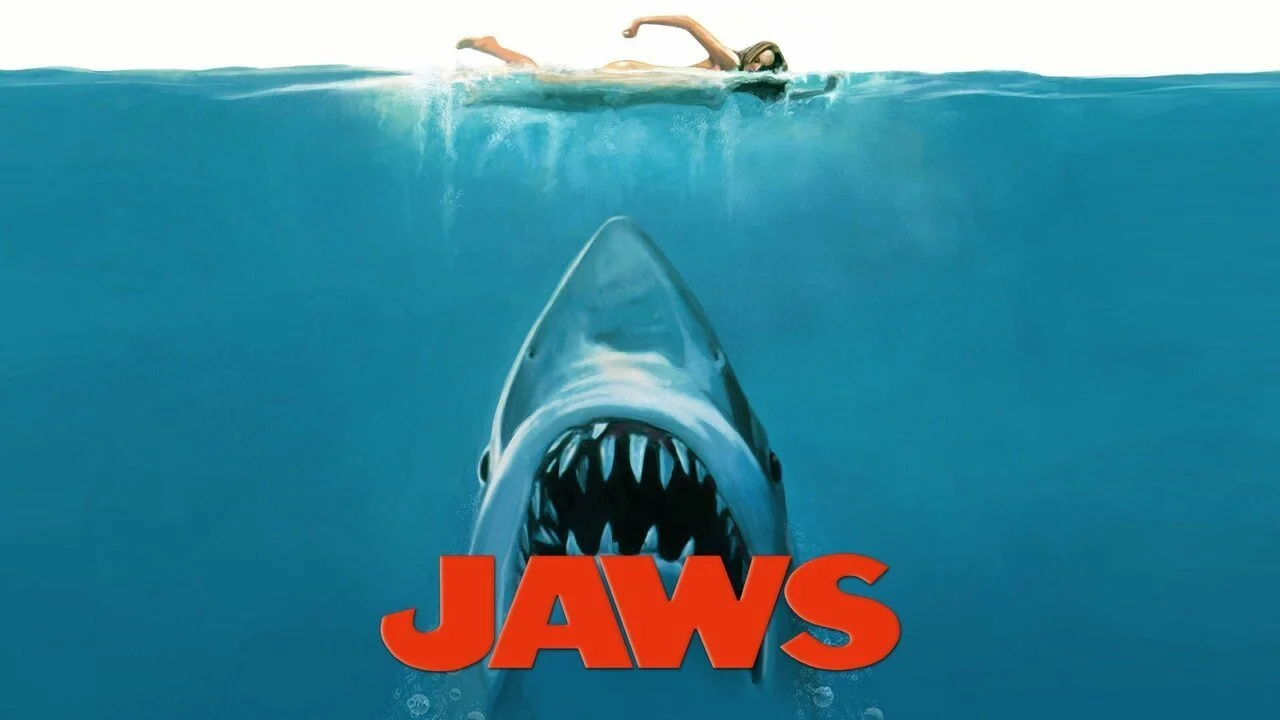
Image Source: TV Insider
Peter Benchley regretted his novel because of the damage it has done to the great white shark. He has held his hands up to the unrealistic portrayal of Jaws, but there’s a lot worse to this book. Spielberg omitted some truly bad side plots, like Brody ignoring the shark for part of the novel to investigate the mayor’s finances, Ellen Brody’s infidelity, and some really cringeworthy intimate scenes.
Spielberg simplified everything in the adaption which meant the pacing problems from the original text did not carry over to the screen. Peter Benchley’s clunky dialogue was much improved by the actors ad-libbing lines like, the famous,“we’re gonna need a bigger boat.” The movie is superior.
3) Forrest Gump
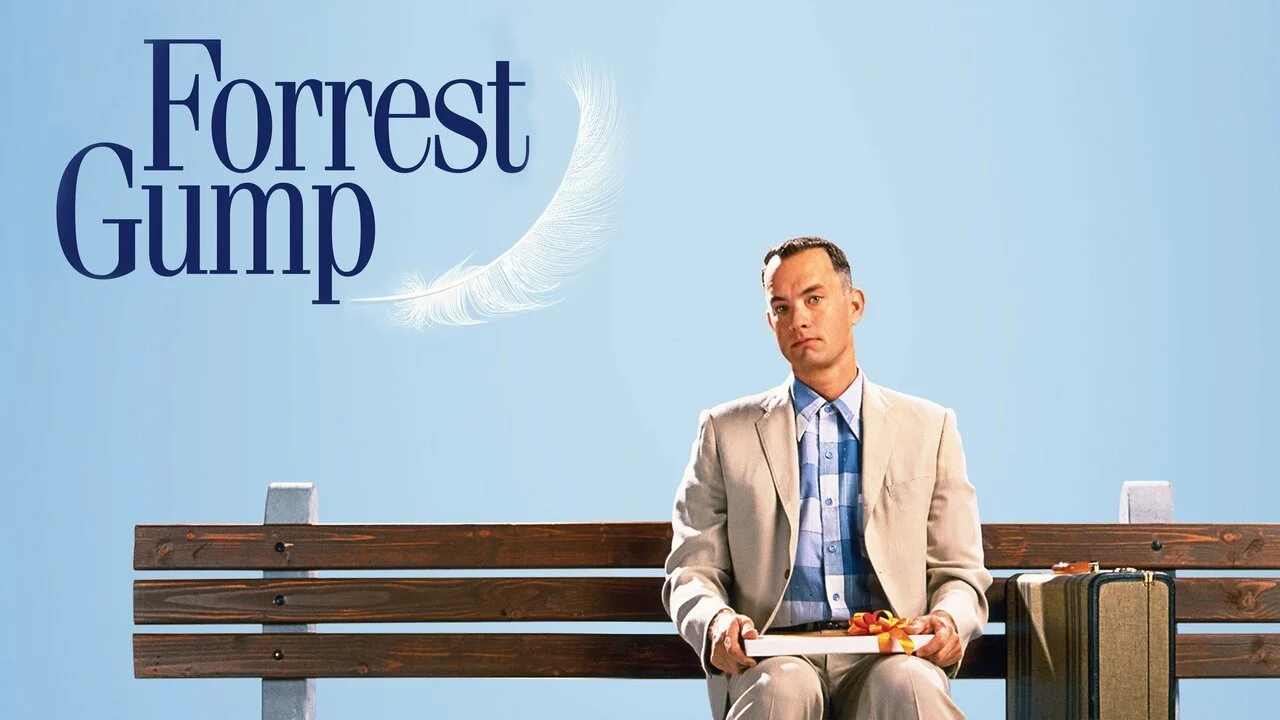
Image Source: TV Insider
If it felt like Forrest Gump’s life story was too farfetched, don’t pick up Winston Groom’s novel. You might have a hard time with Forrest going into space with a monkey and landing on an island of cannibals. The movie grounded the runaway author who sent his savant into every random situation possible. The book is all about the adventure, and we don’t get the complex character arc that helped Forrest Gump the movie to clean up at awards season. The difference between these two isn’t even close. The movie is head and shoulders above the book.
2) The Da Vinci Code/Angels & Demons
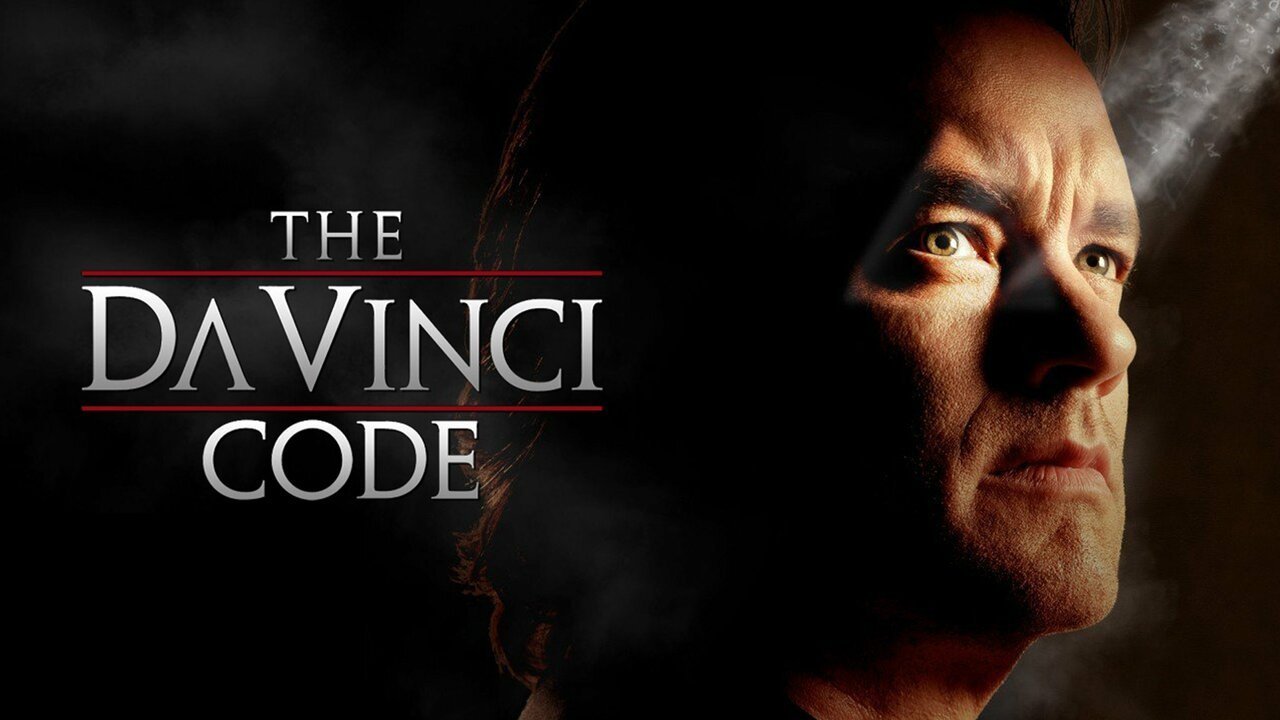
Image Source: TV Insider
The movie fixed a huge flaw in the books, but major changes had to be made. Robert Langdon had two phobias, water (despite swimming every morning) and small spaces. But in the books, they are only mentioned when they are needed as the plot device, after which author, Dan Brown seemed to forget about it.
The movies solved this by switching the order of the books. Angels and Demons was published as a prequel, but on screen it made a reference to the events of the The Da Vinci Code.
In Angels and Demons , Robert Langdon spends a large amount of time in the Vatican catacombs, and his character makes it through without any drama. Langdon freaked out after ten seconds in an elevator in book one; a little jarring. In the movie, Sophie, the female protagonist in The Da Vinci Code was given Jesus like abilities, which didn’t happen in Dan Brown’s text, but she was then able to cure the claustrophobia.
1) Fight Club

Image Source: Fox News
Even the author of the book, Chuck Palahniuk prefers the movie version. In an interview he said, “I was sort of embarrassed of the book because the movie had streamlined the plot and made it so much more effective and made connections that I had never thought to make.” Fight Club is the best example of Hollywood exceeding the source material it was given.
READ NEXT:
Latest News
Featured


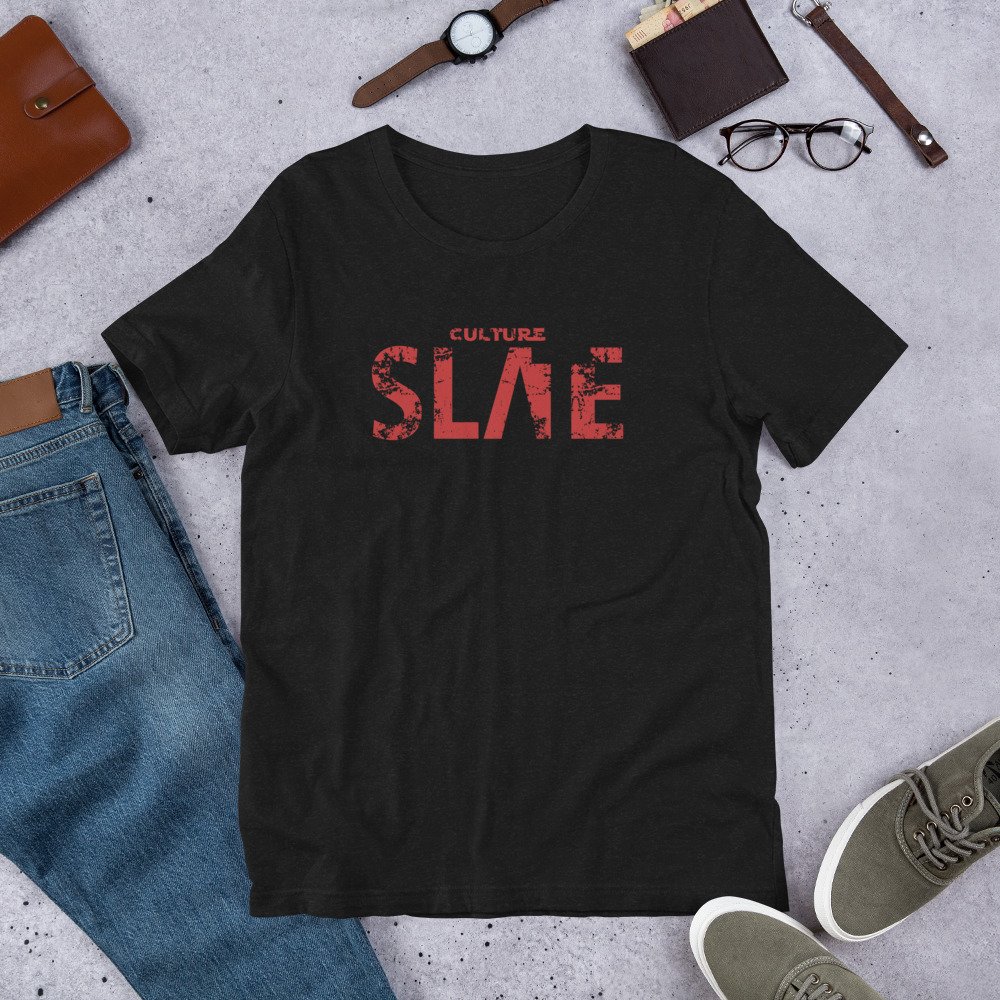

• All sizes are adult unisex
• Printed art on the front
• 100% cotton
• Pre-shrunk fabric
• Shoulder-to-shoulder taping
• Culture Slate Exclusive Design
See more products here