
Don Bluth Retrospective: ‘All Dogs Go To Heaven’(1989)
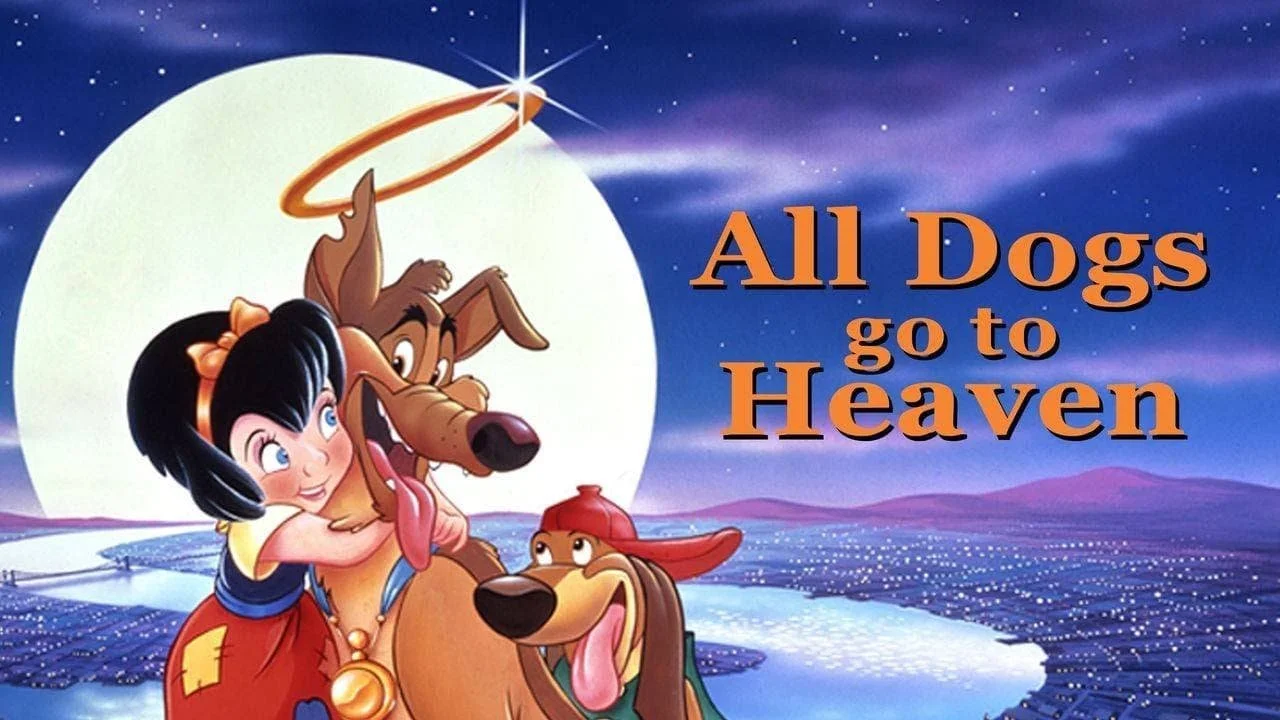
Image Source: YouTube
Trigger Warning: Murder, Suicide, Domestic Violence, Child Abuse
“All dogs go to heaven because, unlike people, dogs are naturally good and loyal and kind.”- Whippet Angel
All Dogs Go To Heaven was Don Bluth’s fourth theatrical animated movie. The film is about a late1930s-era scrappy junkyard dog from New Orleans named Charlie B. Barkin, who is killed by a feline gambler named Carface, but, by stealing a special watch, returns from heaven to get revenge on Carface by stealing an orphan girl, Anne-Marie, whose ability to talk to animals is being exploited by Carface to cheat on animal races. The film stars Burt Reynolds, Dom DeLuise, Loni Anderson, Melba Moore, Candy Divine, Vic Tayback, and Judith Barsi. The soundtrack was composed by Ralph Burns and features the end credits song, Love Survives, sung by Irene Cara and Freddie Jackson.
Along with other Don Bluth films of the 1980s, the film has darker moments and more mature themes such as death, life, crime, and violence. It also features some dark moments for an animated film geared towards children, such as a nightmarish vision of “Hell,” which was shortened to allow the film a “G” rating. However, the film is also about enduring love, sacrifice, and redemption, with Charlie going from stealing Anne-Marie from Carface and himself exploiting Anne-Marie for money to loving and caring for her by ultimately sacrificing himself to save her, and finding her a family.
RELATED:
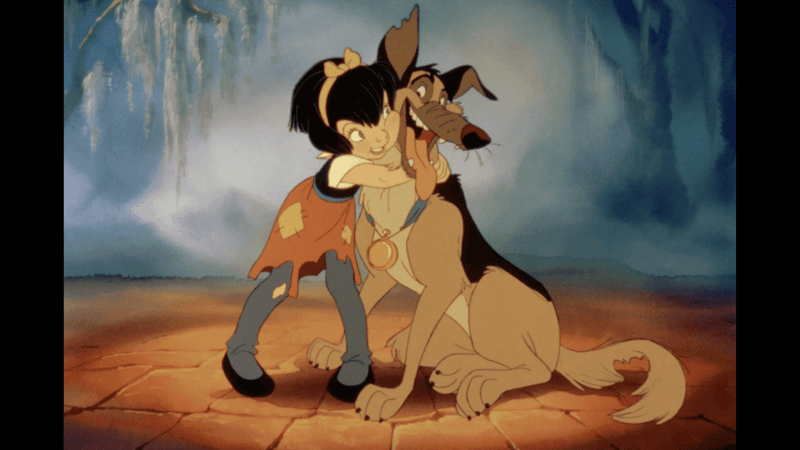
Image Source: What Were We Watching?
The film is associated with a real-life tragedy involving Judith Barsi, who provided the voice for Anne-Marie, whose character’s likeness was inspired by Disney’s Snow White and the Seven Dwarfs (1937). Approximately a year and a half before the film’s release on July 25, 1988, the then 10-year-old Judith Eva Barsi, who had previously voiced “Ducky” in Don Bluth’s The Land Before Time (1988), and her mother, Maria, were murdered by her father, Jozsef, after a long history of domestic violence and child abuse perpetrated by Jozsef. Jozsef subsequently set their home on fire and committed suicide.
The end credits song for the film, Love Survives, was dedicated to Barsi’s memory. Over the years, there have been (unfounded) rumors, amplified via social media, that it allegedly took Burt Reynolds, who voiced Charlie, approximately 60-plus takes to finish recording his lines for the final scene of the film of Charlie featuring him saying good-bye to Barsi’s Anne-Marie, which added some poignancy to that final scene, as Charlie has to return to Heaven, leaving her forever. Bluth has, however, previously gone on record as saying that Barsi’s sudden death did have a substantial impact on the process of finishing the film, stating that Barsi’s death “nearly paralyzed us” and temporarily stopped everything while the cast and crew processed the horrific news. Bluth had also gone on record with praise for Barsi’s talent and had hoped to use her extensively in his future films as well.
The film's original release date was November 17, 1989. The film did poorly at the box office, grossing only 26.2 million dollars domestically. The film sits at a 46% Tomatometer and a slightly higher 63% on the Popcornmeter. Despite its poor performance at the box office and unfavorable reviews from critics, the film nevertheless has remained a Bluth fan favorite. It spawned a theatrical sequel, All Dogs Go To Heaven 2 (1996), an animated TV series, All Dogs Go To Heaven: Doggie Tales (1996-1999), and even a Christmas special, An All Dogs Christmas Carol (1998).
READ NEXT:

Source(s): Rotten Tomatoes, IMDb, Wikipedia, Snopes

Latest News


Featured






• All sizes are adult unisex
• Printed art on the front
• 100% cotton
• Pre-shrunk fabric
• Shoulder-to-shoulder taping
• Culture Slate Exclusive Design
See more products here