
El Último Artista Del Mundo: How Bad Bunny Took Over 2025 And The World
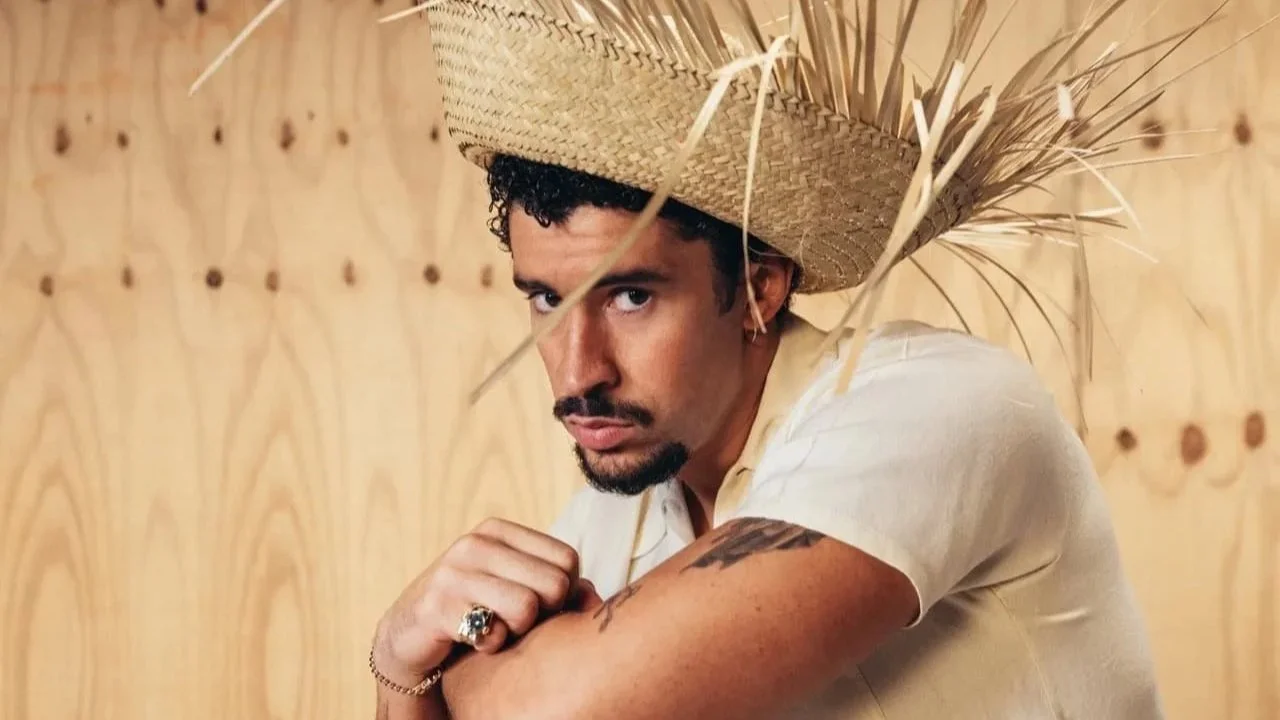
Image Source: Rolling Stone
What makes a superstar? To quote the great Frank Oz, “If everybody knew, then everybody would be doing it.”
Being halfway through the decade, we’ve had plenty of time to look back at mainstream pop music (used here as a catch-all term for popular music). Beyoncé and Taylor Swift continue to hold the public’s interest decades into their storied careers by releasing some of their most acclaimed works in recent years. Kendrick Lamar fulfilled his decade-long promise to become the biggest and greatest rapper alive, even beating Drake in a much-anticipated rap battle that will go down in music history. Artists such as Lady Gaga, Bruno Mars, and Ariana Grande continue to stand firm despite long hiatuses between their work. And of course, artists who entered the music scene late in the 2010s have been given room to find their voice in the 2020s, such as Billie Eilish, Dua Lipa, Phoebe Bridgers, and Tyler, the Creator. Even the 2020s have their own superstars making their mark, such as Olivia Rodrigo, Sabrina Carpenter, Chappell Roan, Doechii, and Megan Thee Stallion, among others. Even music artists who have been in the game a long time have finally earned their place in pop culture, such as Charli XCX, who practically had last summer in a chokehold with her acclaimed album Brat. Whether or not you like any of the artists I’ve mentioned is irrelevant. The point that I’m trying to make is that pop music right now is in a very exciting spot in terms of where some of our most famous stars are heading. Well, at least it was for a time.
Pop music in 2025 can only be generously described as dormant. The charts have been dominated by old hits, leftovers from last year, chart-toppers with no personality, and some of the most boring country music ever created (Morgan, Morgan, when I get you). For the most part, the bops aren’t bopping, and the music isn’t hitting. Discourse is too loud and too repetitive, and stan wars seem to overshadow the actual art. Considering how thrilling and exciting pop, rock, and rap were from 2020 to 2024, it has not been enjoyable. But there is some hope. Speaking strictly in terms of mainstream artists, it seems the year has been mainly carried by Sabrina Carpenter, Lady Gaga, Clipse, and Djo. However, if anyone is helping to keep mainstream pop music from being a total wasteland, it’s a man named Benito.
RELATED:
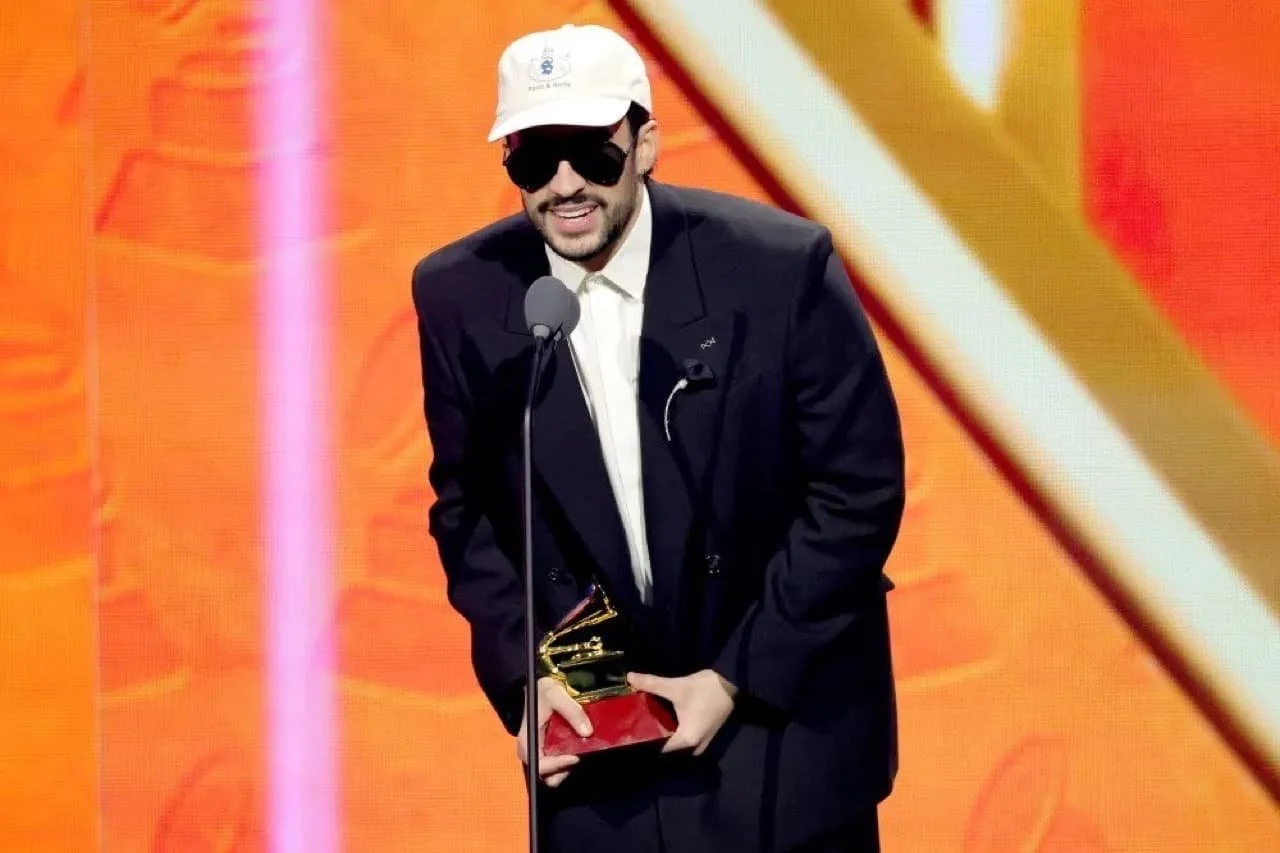
Image Source: Teen Vogue
Benito Antonio Martínez Ocasio, better known by his stage name Bad Bunny, has been a cultural figure in the zeitgeist for roughly 7 years now. In the early 2010s, Bad Bunny made a name for himself among reggaeton fans with his work on Soundcloud and collaborations with big-name artists such as Karol G, Nicky Jam, and Ozuna. 2018 was his breakthrough year, when his path to unrivaled superstardom truly began. His grand entrance into American markets was a memorable feature on the acclaimed Cardi B summer anthem I Like It, which also featured fellow reggaeton superstar J. Balvin. In October of that year, Bad Bunny released Mía, which featured rap icon Drake singing entirely in Spanish.
One of the few times when Drake’s tendency to ride trends and cosplay culture didn’t end in total embarrassment, the song was a hit. Benito would drop his much-anticipated debut album, X 100pre (Por siempre or Forever in English) on Christmas Eve, and the rest is history. The album, which explores themes of heartbreak, self-confidence, fame, and love, and also features songs of hope for Puerto Rico after Hurricane Maria devastated the island’s population, quickly became a critical and chart success. Quickly establishing his unique brand of reggaeton, Latin trap, and Latin hip hop, Bad Bunny became a cultural icon almost overnight. Even though the whole world now knew his name, Bad Bunny didn’t forget where he came from. Something apparent in all of Bad Bunny’s work is his love for Puerto Rico. As his global profile grew, his Puerto Rican fans reaped the rewards, knowing that one of our own was achieving success in ways very few of our artists have. In 2019, Bad Bunny and J. Balvin released a collab album, Oasis, which was also a massive commercial success.
2020 saw the release of YHLQMDLG, also known as Yo Hago Lo Que Me Da La Gana (I Do Whatever I Want in English), which further propelled Bad Bunny into superstardom. A louder, faster, and frankly, hornier album than the first, Yo Hago became the highest-charting all-Spanish album on the Billboard Hot 200, peaking at #2. As if that wasn’t enough, Bad Bunny dropped Las que no iban a salir (The Ones That Were Not Coming Out in English) as a treat for fans to lift their spirits during the pandemic. AND ON TOP OF THAT! Bad Bunny dropped El Último Tour Del Mundo (The Last Tour of the World in English), which became the first all-Spanish album to debut on Billboard at #1. While Yo Hago received the most acclaim of the two albums, El Último also had its fans. If Yo Hago was the album that dealt with themes of sex, creative freedom, and nostalgia, El Último was the more personal album that explored themes of isolation, class struggle, and fear. And he somehow found new artistic horizons.
2022 was when we all got to enjoy“Bad Bunny Summer”, thanks to the release of Un Verano Sin Ti. Combining the high energy of X 100pre and Yo Hago and the more heady subject matter of El Último, Un Verano Sin Ti was the album that officially etched Bad Bunny into musical history. A harrowing musical odyssey that covers everything from cultural identity and violence against women to love and the unique culture of Puerto Rico, Un Verano Sin Ti was a summer jam album with heart, soul, and a point. If anyone had any doubt that Bad Bunny couldn’t sing about anything other than fame and sex, Un Verano Sin Ti shut those detractors down. The album broke chart and streaming records and received universal critical acclaim. Publications such as Time Magazine, Pitchfork, and Rolling Stone named it among the greatest albums of 2022. To make the deal even sweeter, Un Verano Sin Ti became the first Spanish-language album to be nominated for the Grammy for Album of the Year. 2022 was also a year of sidequests, as Bad Bunny became a WWE champion and starred in a minor (but memorable) role in David Leitch’s Bullet Train alongside Brad Pitt, Aaron Taylor-Johnson, and Brian Tyree Henry. And despite stating he’d take an extended break, Bad Bunny dropped Nadie Sabe Lo Que Va a Pasar Mañana (Nobody Knows What Will Happen Tomorrow in English). While the album didn’t achieve the same critical acclaim or cultural impact as Un Verano Sin Ti, the album was still a massive commercial success and received mostly positive reviews.
But the story doesn’t end there.
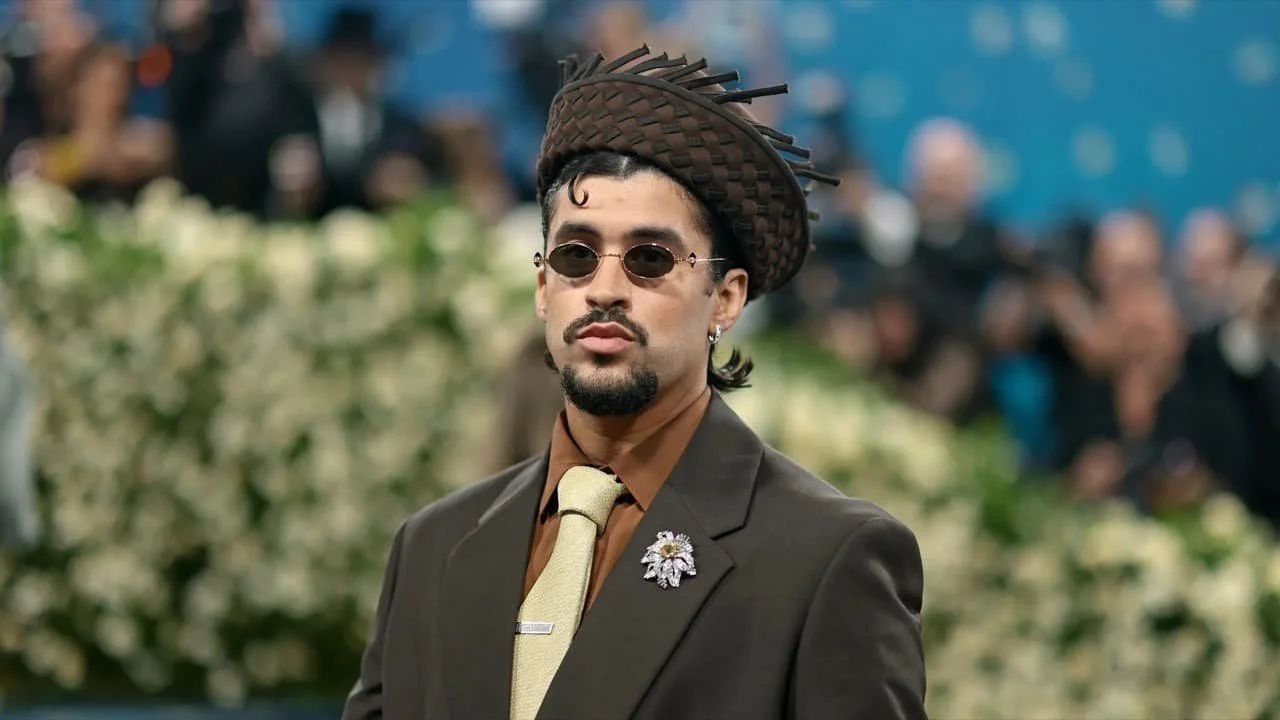
Image Source: Teen Vogue
How does one top themselves when they’ve already had 5 blockbuster solo albums, 3 mainline Grammys, 7 (now 12) Latin Grammys, appearances in high-profile blockbusters, and essentially become the face of an entire nation? Easy, you pay tribute to said nation. Bad Bunny's deep connection to his Puerto Rican roots shines through in the many ways he pays homage to the island he calls home. The island's near-unconditional love for him and his art represents a special bond between fan and artist. Unlike other musical fans who are primarily defined by debates about streaming numbers and endless streams of merchandise, Bad Bunny fans have a more personal connection to him. Of course, there is still merchandise (I spent good money on that hat, ok!), but it’s more than that. Bad Bunny's music is a rollercoaster of emotions. It can make you laugh, cry, dance, and even fall in love. His deep connection to Puerto Rico makes his music even more enchanting. Sounds a bit dramatic, but I can’t help it, I’m a hopeless romantic at heart. These elements are why Debí Tirar Màs Fotos (I Should’ve Taken More Photos in English) has become a pop culture phenomenon that feels almost too good to be true. DTMF (also the name of its Grammy-nominated hit single) isn’t just a great album; it’s a cultural tour de force. This album is a rallying cry for Puerto Ricans, whether they still call the island home or have moved away. DTMF is a love letter to Puerto Rico and her people, but it’s also an emotionally honest look at the issues that plague the island to this day.
This editorial, in its earliest lifespan, was going to be a rundown of Bad Bunny and his successful artistic ventures. However, I cannot, in good conscience, write about the biggest Puerto Rican entertainer in the world without talking about the island I, and many others, call home. Puerto Rico is not doing so well, to say the very least. Everywhere you look, a new problem seems to pop up. Whether it’s the corrupt government, the strong-arming of the media, American billionaires coming to the island for tax breaks but not respecting the island’s nature or people, the continuing assault on trans rights, the electricity problems that have only worsened since the aftermath of Hurricane Maria, the high cost of living, gentrification, or the mayor of Ricón violating every environmental law under the sun. Our nature, our people, our culture, it’s all slipping away from our fingers. Puerto Ricans are NOT a monolith, so we don’t all have the same opinions or worry about the same things. It’s not at all hard to find Puerto Ricans of different walks of life arguing about things that are, at the end of the day, unimportant. Puerto Rican solidarity is needed now more than ever, which is why Bad Bunny’s success is important. This isn’t to say Bad Bunny is our savior who can single-handedly save Puerto Rico from decades (hell, centuries) of abuse, corruption, and disaster. But what I am saying is that one of the most prominent musicians in the world, who is unapologetic about being Puerto Rican, is a beacon to the world. It’s a beacon to all Puerto Ricans not to be ashamed of who we are and where we come from. We may have problems right now, but that’s not a cause for panic.
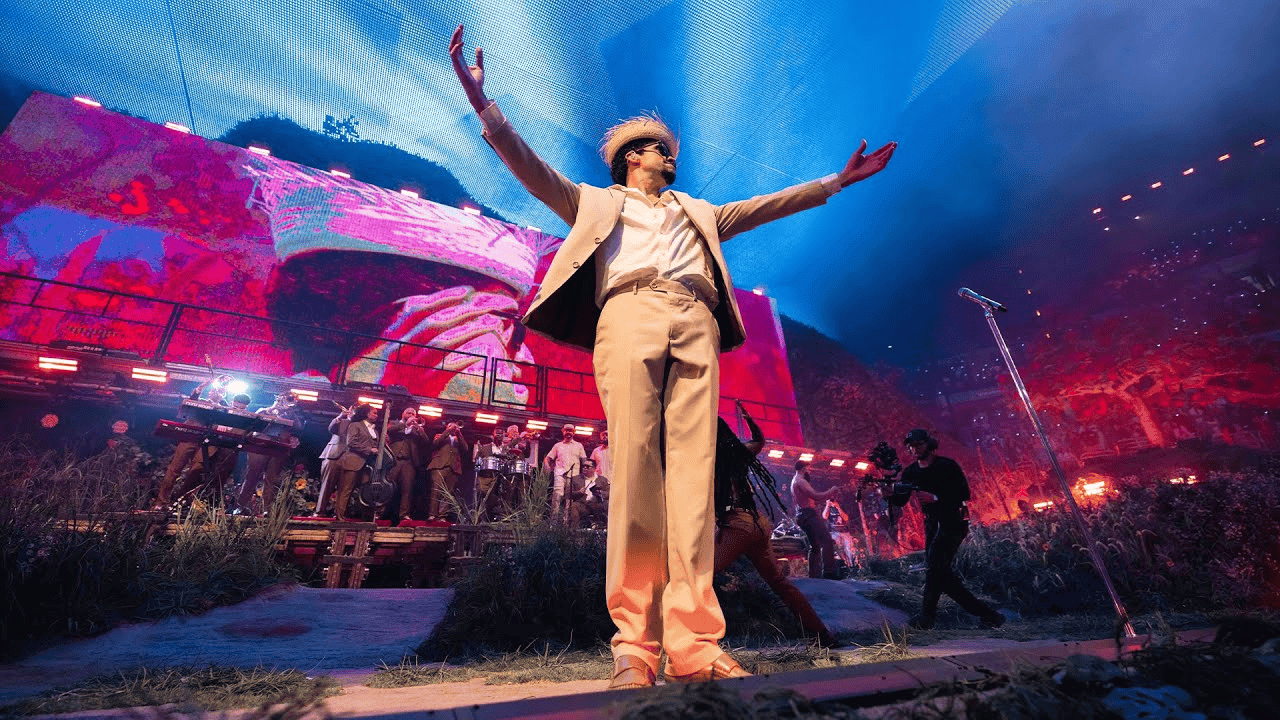
Image Source: YouTube
In addition to Debí Tirar Màs Fotos achieving widespread critical and fandom acclaim, the No Me Quiero Ir de Aquí (I Don’t Want to Leave Here in English) residency has been a gift that keeps on giving. Lasting for 31 days in Puerto Rico, the residency has been a constant source of comfort. You can feel Puerto Ricans the world over feel a sense of healing and belonging again. Whether you live in Puerto Rico or have moved away, we were there to enjoy three glorious hours of great music, cultural celebration, and an unrivaled sense of happiness. I know this cause I was there. A friend of mine and I attended the August 9th show on a Saturday evening, and after a few (admittedly comical) setbacks (if she says it was my fault, I WILL DENY IT!), we made it in time. She had never visited Puerto Rico before, despite being Puerto Rican herself. The second she set foot here, it was like she had come home, and the island was waiting for her. It was a night of incomparable energy, with fans of all shapes, sizes, and shades just enjoying ourselves. My friend and I even got to see the second stage (nicknamed "la casita" by fans) up close. My friend is convinced Benito looked her in the eyes, and you know what, I’ll let her have that victory. It was a night that nobody will ever forget, and I’m sure attendees before and after us felt the same way. Community was strong inside the venue and for good reason. If Debí Tirar Màs Fotos can be described as anything, it’s a message to Puerto Ricans to embrace culture, learn our history, to love each other, and above all, it’s a message telling us to come home.
Speaking for myself, I’ve long required a much-needed connection to my culture and people. I am what some call a “No sabo kid”, a person of Hispanic heritage who isn’t fluent in Spanish. Due to boring reasons I won’t get into, processing language has always been hard for me. My ability to understand Spanish varies depending on where I am, who I’m speaking to, and how I’m feeling. My brain can’t always pick up what people are saying; however, listening to Bad Bunny’s music makes me feel like I understand every word. I may not always do, but my connection to art (music and film especially) has always been my way of learning about the world and my surroundings. I’m a big believer in media being a necessary tool for education. If just one Puerto Rican who listens to Bad Bunny’s music feels closer to their culture, then mission accomplished. This is further evidenced by the fact that during the residency, we were greeted with interludes featuring Academy Award-nominated Puerto Rican filmmaker Jacobo Morales and the mascot of this album cycle, Concho (voiced by Kenneth Canales). The interludes, follow-ups to a short film that also starred Morales, provide necessary rest periods to introduce the audience to the beauty of Puerto Rico’s music, nature, and people. That’s just icing on an already great cake.
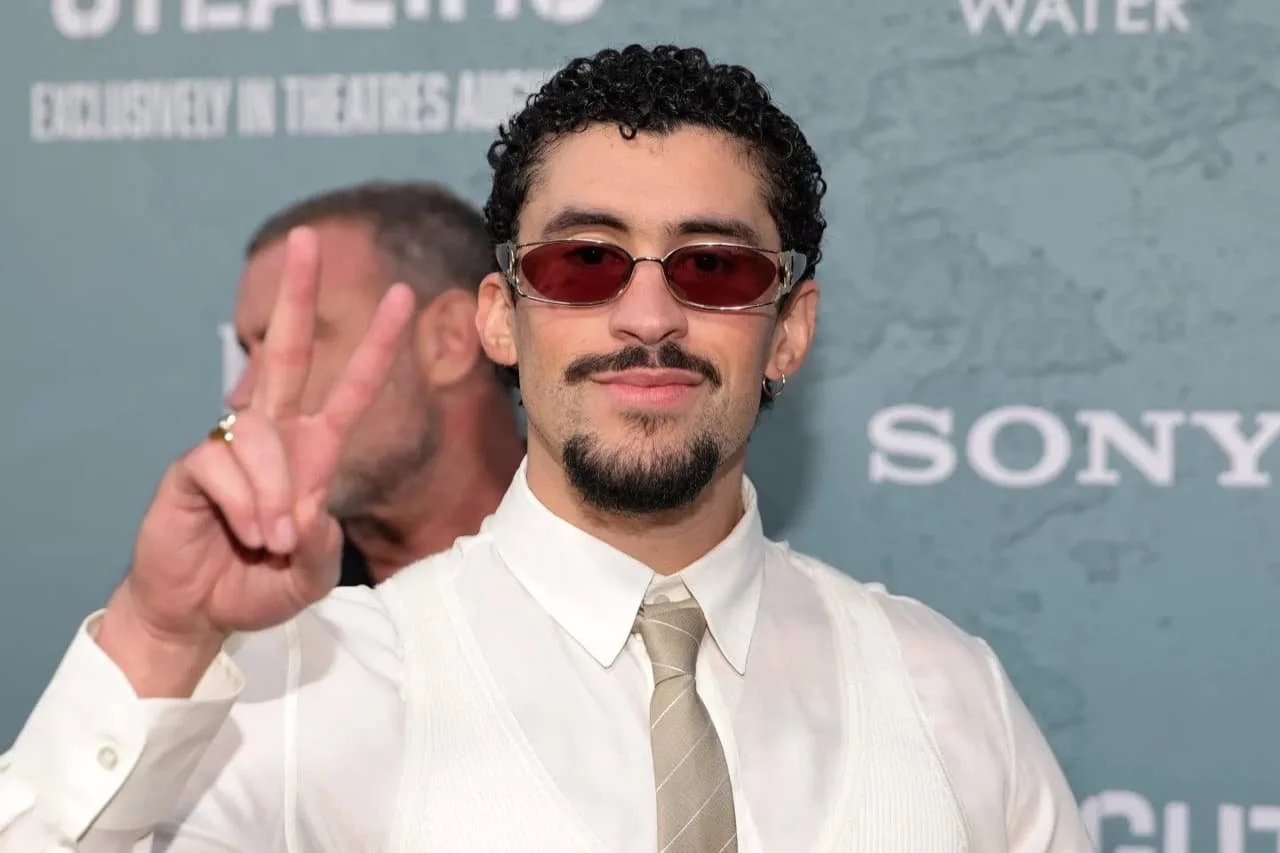
Image Source: Fortune
So, to go back to the beginning, what makes a superstar?
In our current times, it’s essential to have media that can make people feel. Whether that’s excitement, anger, or sadness, media with a point is the name of the game. Sure, chart success, record-breaking streaming numbers, Grammys, critical acclaim, appearances in movies, wrestling victories, and millions of adoring fans don’t hurt. However, artists like Bad Bunny understand that audiences need more than just good tunes to bite on. Collecting merchandise can be fun, whether it’s shirts, album variants, or photo cards. K-pop stans and fans of pop girlies, such as the Swifties, have been enjoying that part of music fandom for decades now. Hell, I’m sure a lot of our grandparents have stories about all the cool Beatles merch they had at the height of Beatlemania. But none of this matters without one key element: authenticity. Bad Bunny’s musical identity hinges on authenticity. He likes to party, he likes women, he loves Puerto Rico, but he has anxieties, his feelings can get hurt, and he doesn’t always feel 100%. The reason his music has resonated with people for the past 7 years is that everyone can connect with something. Bad Bunny’s more annoying detractors will downplay his popularity with the reliable feux-hot-take: “I never heard any of his songs.” The other go-to song of Negative Nancys is “How can anyone like his music if you can’t understand what he’s saying?” We can talk about how dishonest this is, especially given that English-speaking artists have fans who don’t speak English. It’s also extra ironic to see social media users with K-pop idols as their profile pictures, lecturing people for loving an artist whose language they don’t entirely understand. Regardless, fans connect with the music because they know it means something. The kind of authenticity and honesty that fuels Bad Bunny’s work is rare nowadays, and it’s essential to hold on to it.
As we close the book on what has essentially been the Year of Bad Bunny, we look back on a year that no fan will ever forget. A masterful album, a 31-day residency, a record-breaking Amazon stream of the last concert, appearances in films such as Caught Stealing and Happy Gilmore 2, being the musical guest of the finale of Saturday Night Live’s landmark 50th season, an appearance in the 50th Anniversary Special, and getting to host the premiere of season 51. And he’s not slowing down. Bad Bunny will embark on the Debí Tirar Màs Fotos World Tour from November 21st, 2025 (nice of him to start on my birthday) to July 22nd, 2026. Also in 2026, he will headline the Super Bowl LX halftime show. Despite more, to be gentle, unintelligent corners of social media have been throwing fits about a Puerto Rican musician performing on the world’s biggest music stage, everyone else is holding their collective breaths. And though it is currently unknown when it’ll come out, he’s expressed interest in making his 7th solo album a salsa album. As the rest of the world gets to meet Bad Bunny once again, those of us at home will be waiting for him. As we continue to find our place on this island we call home, we can only hope that a brighter, healthier, and more culture-savvy future lies ahead. Puerto Ricans are nothing if not resilient. We’ve been known to adapt, survive, and create. That’s always been our greatest strength as a people. There are people out there who want to erase us, our culture, and our nature. But if anyone tries, we’ll be there to make sure we remain. In times of hardship, we will be here.
Puerto Rico está bien cabrón! 🇵🇷
READ NEXT:

Latest News
Featured



• All sizes are adult unisex
• Printed art on the front
• 100% cotton
• Pre-shrunk fabric
• Shoulder-to-shoulder taping
• Culture Slate Exclusive Design
See more products here