
How Marvel Studios Is Different From Lucasfilm
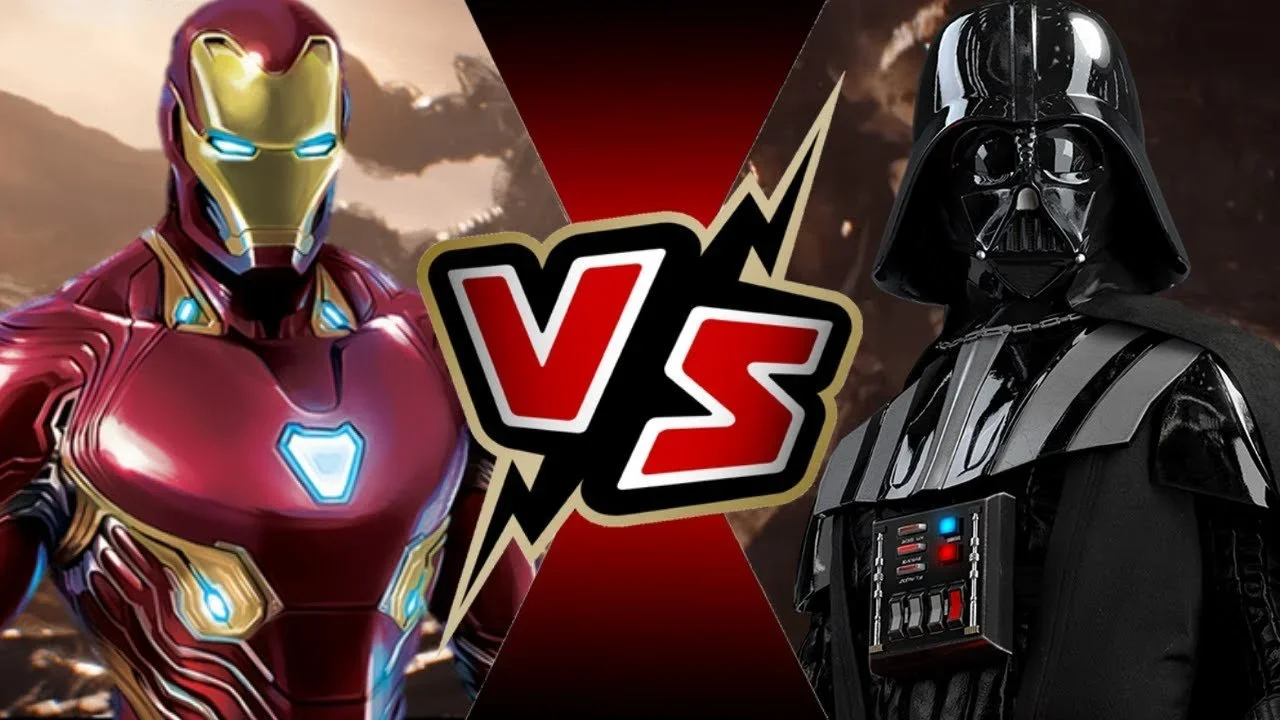
Iron Man and Darth Vader
Image Source: YouTube
Marvel Studios and Lucasfilm are powerhouse storytellers with arguably the most loyal fandoms in the world.
While they share many attributes, such as sharing space under the same umbrella held by Mickey Mouse, there are some key differences between the two. Those differences include creative philosophy, leadership structure, production output, and use of animation.
RELATED:
Creative Philosophy and Continuity
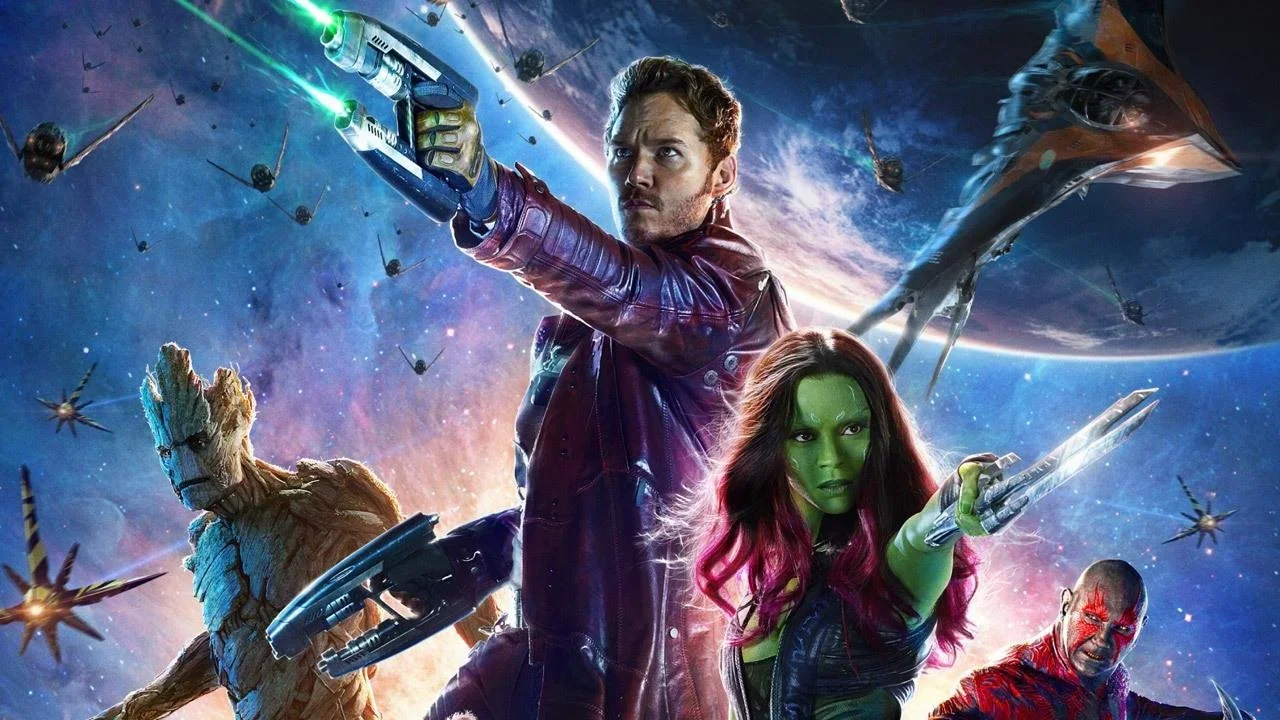
Guardians of the Galaxy Poster
Image Source: IGN
Much like Spiderman, Marvel Studios recognizes the comic book model of storytelling. The studio focuses on “Phases” that thread the characters together over time until they merge, creating one story arc. One notable difference between the two studios in this regard is that Marvel has thousands of characters to choose from. This means they can afford to take more risks in their storytelling without worrying about breaking the main story. A solid example might be the obscurity of Guardians of the Galaxy.
Lucasfilm's views are considerably different. For quite a long time, all the stories had to somehow tie back to the Skywalker Saga or, at very least, Jedi versus Sith. This makes ensuring respect for what is “canon” within the narrative and worldbuilding a higher-stakes endeavor. Think The Rise of Skywalker or Solo, for example.
Leadership Structure
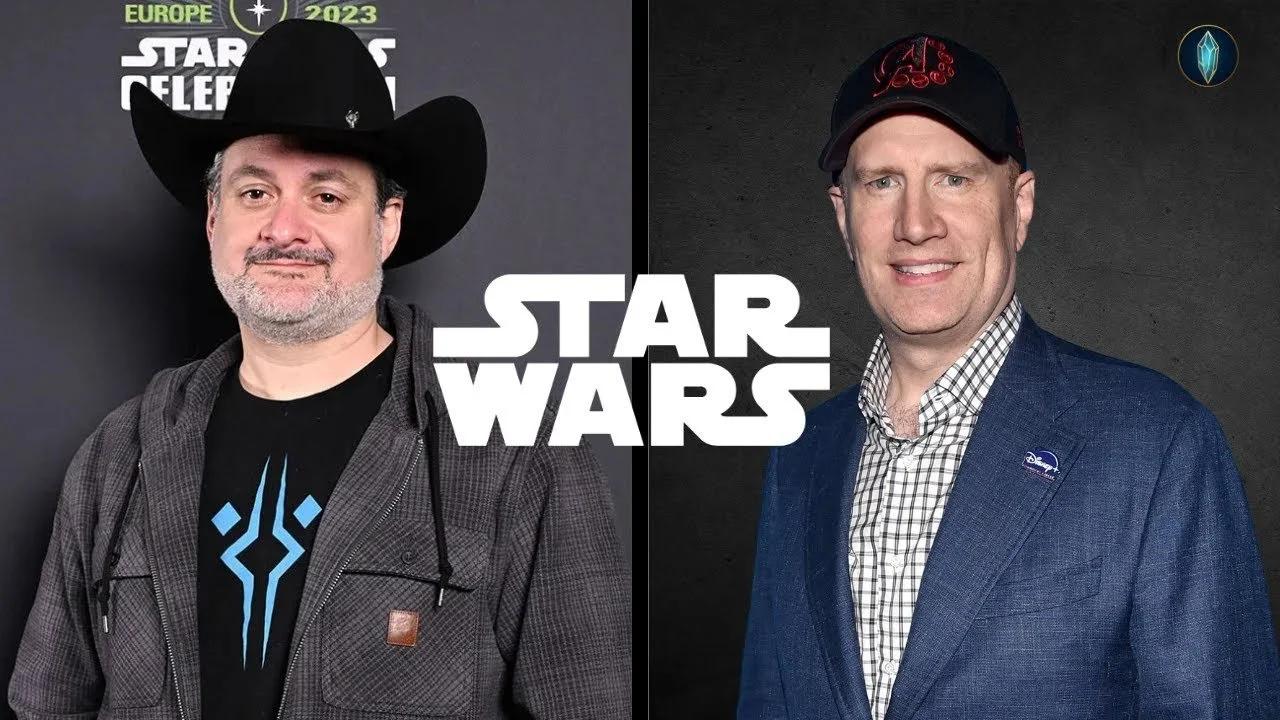
Dave Filoni and Kevin Feige
Image Source: YouTube
At Marvel Studios, everything, and we mean everything, funnels through Kevin Feige. He is president and CCO. Regardless of who directs a project, Feige oversees it, maintaining ultimate creative control. Marvel is an expert in “the pivot” when it comes to managing canon. Flexibility is necessary. If something doesn’t work, retcons spring into action to balance the timeline. Thank you, Loki and TVA, for your service.
Meanwhile, the leaders at Lucasfilm have a more traditional approach. Kathleen Kennedy is the President and oversees all of Lucasfilm's interests. This includes Industrial Light and Magic (ILM), Skywalker Sound, The Lucasfilm Story Group, and the Indiana Jones and Willow franchises. As a result, Story Group usually allows directors more creative freedom. This is, of course, a double-edged sword, as it often leads to friction and a rigid canon-management system on the back end. Rigidity sets in when projects are scrutinized at the micro level after the fact to ensure there aren’t any contradictions. With so much in her wheelhouse to supervise, Star Wars fans took a deep, reassuring breath the day Ahsoka creator and essentially apprentice to George Lucas himself, Dave Filoni was named Executive Vice President/Chief Creative Officer. His involvement demonstrates a sense of care for the franchise, ensuring the continuity of George Lucas’ legacy.
Production and Output
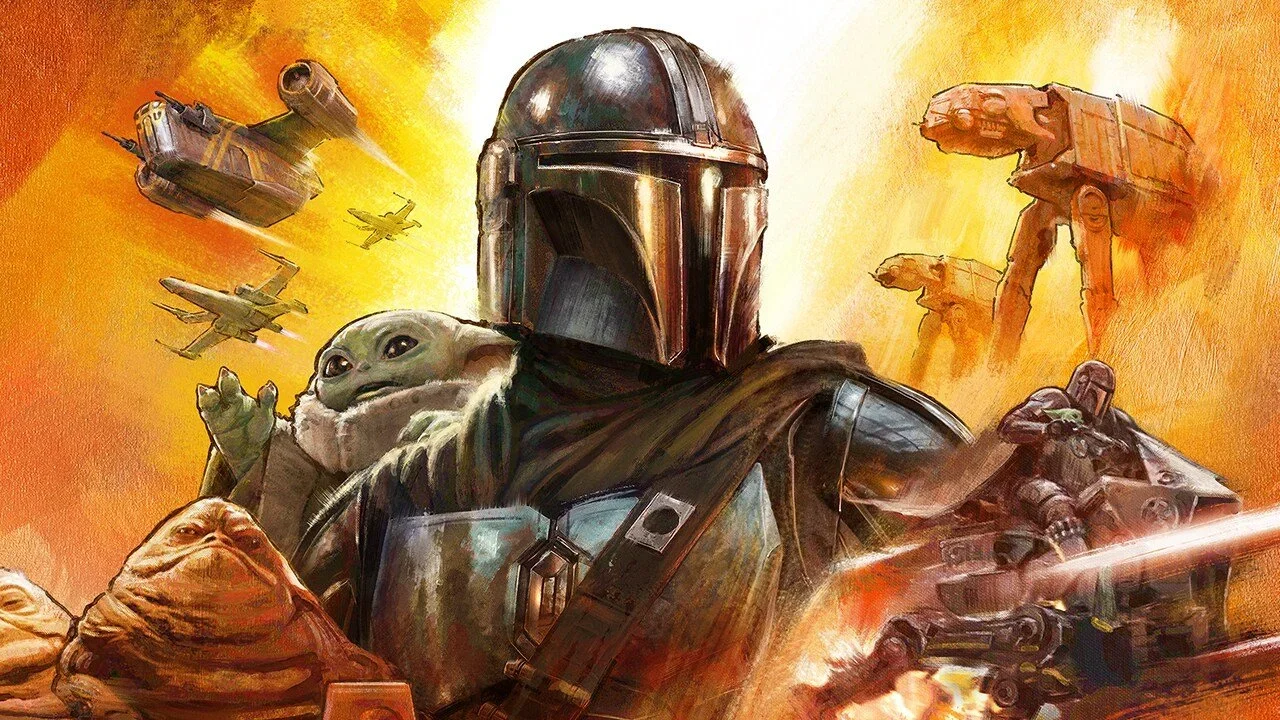
Artwork from The Mandalorian
Image Source: Star Wars
Marvel Studios releases films and Disney+ series at a superhero level, often releasing several in a year. For reference, Ant-Man and the Wasp: Quantum Mania, Guardians of the Galaxy Vol. 3, Loki Season 2, X-Men ’97, I am Groot Season 2, The Marvels, and Echo all hit their marks on the big and small screens, respectively, in 2023.
Lucasfilm is a whole different ball game, as it is more than just a production house. Interestingly, the visual effects and sound for the film industry, including Marvel Studios, are often handled by ILM and/or Skywalker Sound. In 2023, Lucasfilm did not release any new movies. Disney+ did, however, feel some love—The Mandalorian Season 3, Young Jedi Adventures, Star Wars: Visions—Volume 2, Star Wars: Ahsoka, and Skeleton Crew dropped on the streaming platform, spaced out for consumer digestion throughout the year.
Animation
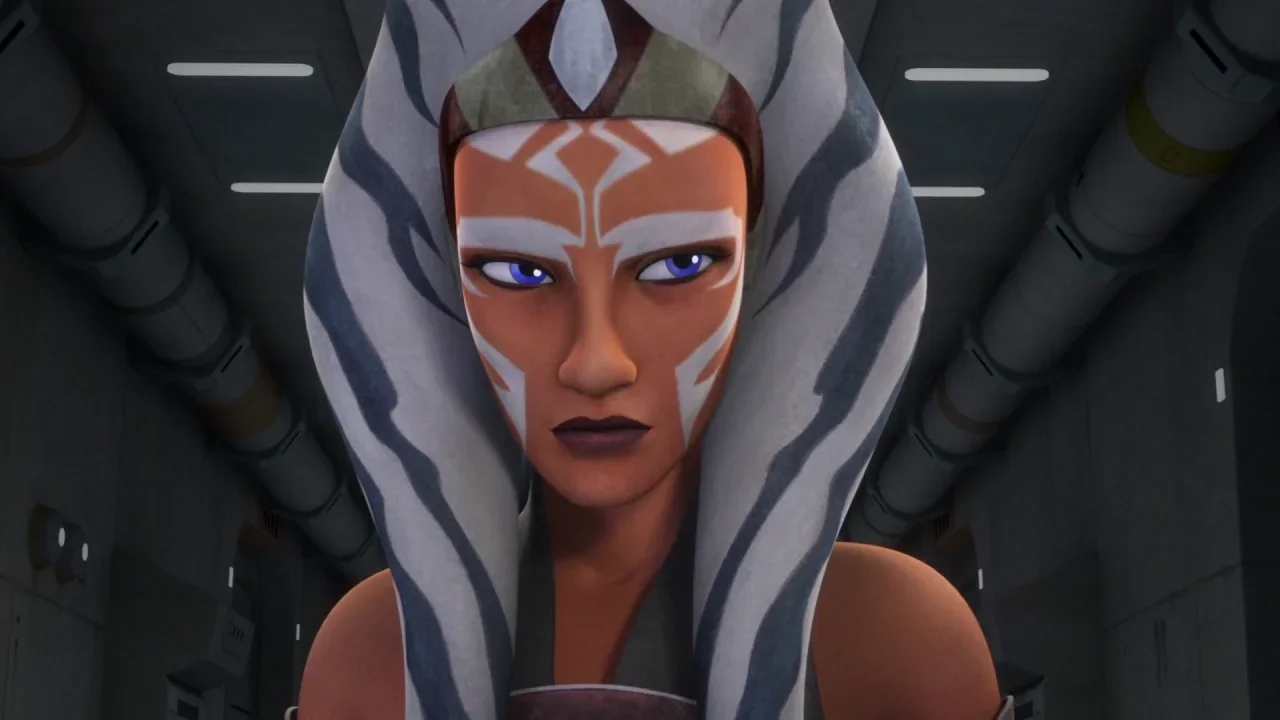
Ahsoka Tano in Star Wars: Rebels
Image Source: Fandom
Lucasfilm successfully attracted the younger generation of Star Wars fans through its arguably unparalleled animated content—think The Clone Wars, Rebels, and Bad Batch, for example. These series are considered canon, with characters and storylines often overlapping between animated and live-action content. A great example of this would be Ahsoka Tano, who went on to be seen in live action first in The Mandalorian and then in her own series.
Marvel Studios isn’t as cut-and-dry. Historically, Marvel Studios Animation projects have been viewed as outside of canon for the live-action MCU at large. There is quite a bit of gray area, however. For example, Kevin Feige himself has said that films like Into the Spider-Verse are their own universe; however, they acknowledge the existence of the multiverse. This is, of course, primarily related to outside entities that own the content, such as Sony in this particular example. Another noteworthy example is Disney Junior’s Spidey and His Amazing Friends, whose episodes do not necessarily tie in directly to the overall narrative of the MCU.
Differences Aside—We Love Both
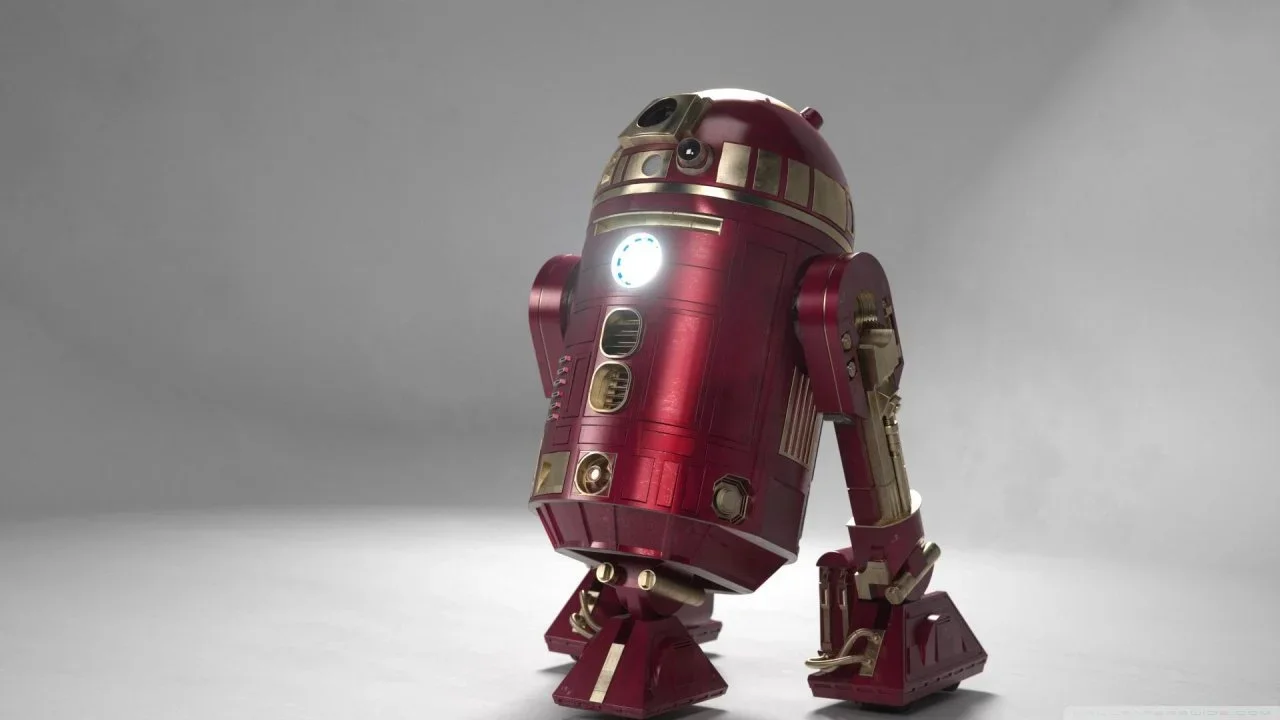
R2D2 in Iron Man’s armor
Image Source: Wallpapers Wide
In short, the main differences between Marvel Studios and Lucasfilm come down to two words—universe and legacy. Marvel aims to create a universe vibe where many genres can coexist across time and space, with multiple yet flexible timelines. Lucasfilm, at its heart, strives to protect a legacy, with a specific cinematic vibe and a carefully crafted historical timeline.
Despite the many differences between these iconic studios, one truth remains. Both Marvel Studios and Lucasfilm produce strong, character-driven stories with rich plots and settings that are literally out of this world. This is why the fandom at large waits out, then shows up in full cosplay to celebrate and experience releases and events that promote the work.
CultureSlate: Made by humans, for humans
READ NEXT:
Sources: Lucasfilm, The Direct, Yahoo, Vanity Fair, Business Insider, Media Player, Wikipedia, Marvel

Latest News
Featured




• All sizes are adult unisex
• Printed art on the front
• 100% cotton
• Pre-shrunk fabric
• Shoulder-to-shoulder taping
• Culture Slate Exclusive Design
See more products here