
Sounds Of The Grid Pt. II: Daft Punk And The Music Of 'Tron: Legacy'
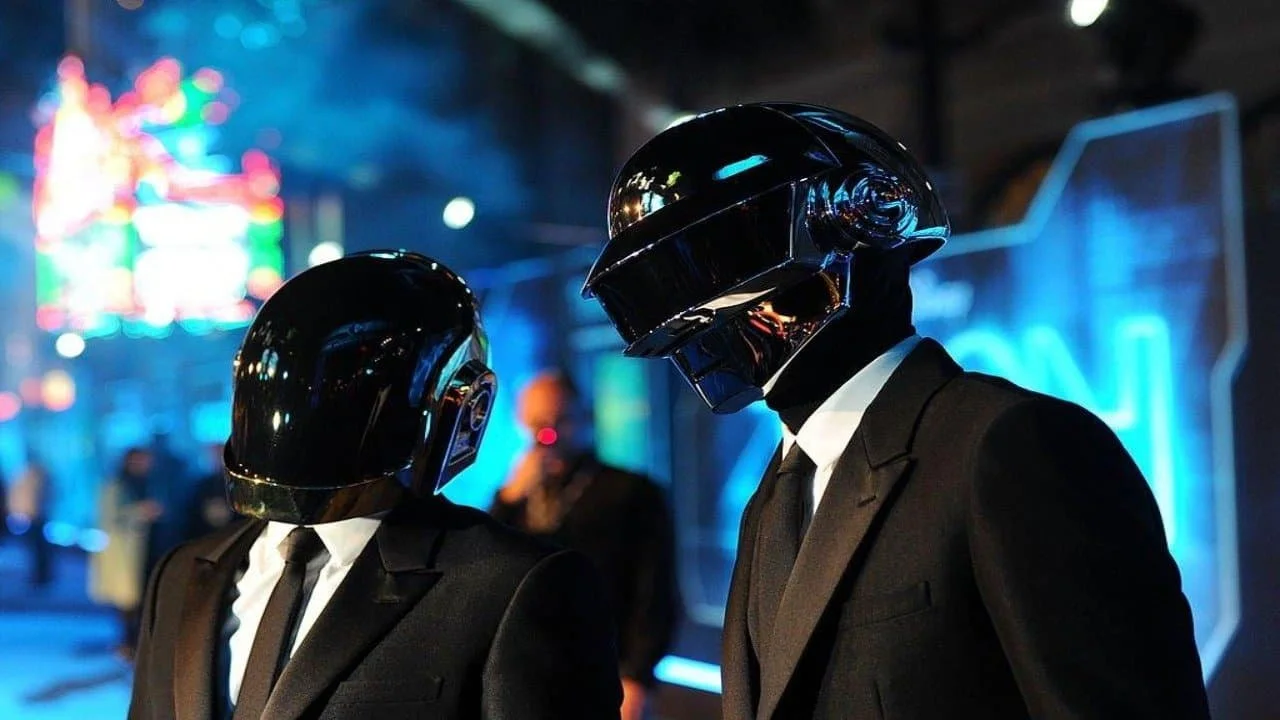
Image Source: GRAMMY.Com
“The Grid. A digital frontier. I tried to picture clusters of information as they moved through the computer. What did they look like? Ships? Motorcycles? Were the circuits like freeways? I kept dreaming of a world I thought I'd never see. And then, one day... I got in!”
As we mentioned last time, despite Steven Lisberger’s original Tron not being the massive box office success Disney had hoped for, the film would go on to become a cult classic and one of the most influential science fiction films of all time. While the film spawned video games, comics, and books, prospects of a sequel never materialized until 1999, when rumors spread that Pixar wanted to continue the franchise. After the release of the game Tron 2.0 in 2003, sequel rumors were at an all-time high. It’s hard to believe now, but Disney wasn’t always the King of the Mountain when it came to franchises. At the turn of the 2000s, while they had wins with Pirates of the Caribbean: The Curse of the Black Pearl and The Princess Diaries, Disney couldn’t compete with Harry Potter, The Lord of the Rings, Spider-Man, or Star Wars (Oh, the irony). After hiring commercial director Joseph Kosinski and writers Adam Horowitz and Edward Kitsis in 2007, it was off to the races. Securing the returns of Jeff Bridges and Bruce Boxleitner and signing on new faces in Garrett Hedlund, Olivia Wilde, and Michael Sheen, Disney had every hope in the world that the decades of Tron developing a cult following and the advancement in visuals would transform the sequel into their next big franchise starter. The sequel, titled Tron: Legacy, was released on December 17th, 2010, and was backed by an extensive marketing campaign. Action figures, tie-in games, t-shirts, and the Disney monorail being decked in Tron colors, Disney was hoping everyone knew Tron: Legacy was coming. And the end result was a mixed bag.
Tron: Legacy, like the first film, received mixed reviews from critics. While critics frequently highlighted Kosinski’s direction (often described as impressive for a directorial debut), the visual effects, sound design, sets, and the performances of Jeff Bridges and Michael Sheen, they were less kind to its screenplay, perceived lack of character development, dialogue, and the de-aging effects on Jeff Bridges when he portrayed CLU. Older fans of the original Tron also had mixed feelings, as they praised the effects but felt the movie was too modern and over-reliant on CGI, prompting many unfavorable comparisons to the Star Wars Prequels. The lack of screentime for Alan Bradley, aka the titular Tron, was also a point of contention for fans. The film was a moderate box office success, grossing $409 million worldwide. These numbers would make Disney execs jump and cheer if recent underperformers like Snow White, Thunderbolts*, and Tron: Ares (which we’ll get to another day) made that much. However, for a film that was meant to kick-start a new franchise, it didn’t measure up. Other 2010 franchise movies like Iron Man 2, The Twilight Saga: Eclipse, and Harry Potter and the Deathly Hallows Part 1 left Tron: Legacy in the dust at the box office, failing to crack the top 10 highest-grossing films of the year domestically or worldwide. However, this isn’t the legacy of Tron: Legacy.
RELATED:
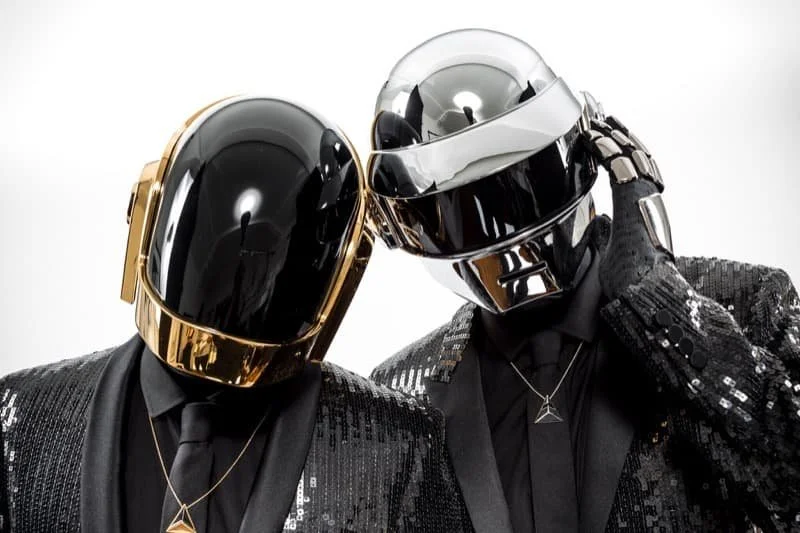
Image Source: The New York Times
Despite its commercial underperformance and mixed reviews, the film only propelled Joseph Kosinski into blockbuster superstardom, as he would go on to direct more financially and critically successful blockbuster films such as Top Gun: Maverick and F1. The Mouse House will endure much bigger failures in the coming years, particularly with John Carter, The Lone Ranger, and Tomorrowland. Meanwhile, Tron: Legacy would garner a cult following much like the original Tron, only to a larger degree. Many fans my age or slightly younger, who were kids when Legacy came out, have helped it earn a positive reputation all its own. We have given the film its props for all the filmmaking, technical, and visual elements that critics praised, but have also praised it for being more thematically rich than people think. And while it’s not the first film of its kind by any stretch, it’s hard to deny Tron: Legacy’s impact on legacy sequels. Films such as Creed, Star Wars: The Force Awakens, Halloween 2018, Ghostbusters: Afterlife, Scream 5, and Kosinski’s own Top Gun: Maverick owe a lot to Tron: Legacy.
As we continue our Sounds Of The Grid series, we will spotlight what is widely considered the single best aspect of the film: the musical score. But before we do that, we have to get to know the two men behind the music. Or should I say, the two robots?
There are many iconic duos throughout the history of music: The White Stripes, Outkast, and Run the Jewels, to name a few. But there are very few musical duos as iconic, as beloved, and as influential as Daft Punk. Consisting of French musicians Thomas Bangalter (the taller, more robotic-looking one) and Guy-Manuel de Homem-Christo (the shorter, rounder-headed one), Daft Punk accomplished a lot throughout their 28-year history. After a series of low points, the duo had a hit in 1995 with Da Funk, which led to their debut album, Homework. Since its release in 1997, Homework has enjoyed critical and audience acclaim, with the album frequently being cited as one of the most influential dance music albums of all time. Their 2001 album, Discovery, received further acclaim and is not only considered an influential album in dance and house music but also one of the greatest albums of all time.
Before the release of Discovery, Thomas and Guy-Manuel adopted their iconic robot looks to protect their identities and let their music speak for itself. Discovery was also the basis for the animated film Interstella 5555, which has gone on to garner critical and audience acclaim all its own. However, their third album, Human After All, received mixed reviews and is widely considered the weakest in their discography. Across three albums, Daft Punk had a substantial collection of hits, including Around the World, Digital Love, Harder, Better, Faster, Stronger, One More Time, Robot Love, and Technologic, making their mark on the music scene. In 2006, the duo directed the film Electroma, which received mixed reviews but has since achieved cult status. Their 2007 live album, Alive 2007, has also become a favorite amongst fans. The album was taken from their performance at the Palais Omnisports de Paris-Bercy in 2007, a performance so legendary and beloved that fans who saw it speak of it like people who were lucky enough to see The Beatles in the 60s.
We’ll get to their work on Tron: Legacy in just a bit, but I’d be remiss if I didn’t talk about Random Access Memories. Released in 2013, Random Access Memories is Daft Punk’s masterpiece that helped fully cement them as music legends. After Human After All received criticism for retreading the music of their first two records, Daft Punk aimed to take musical chances by fusing rock, pop, funk, and above all, disco with their signature electronic sound. Their work on Tron: Legacy often encouraged them to take more musical chances on Random Access Memories, and the work paid off. The album also features contributions from other accomplished musicians, including Pharrell Williams, Nile Rodgers, Giorgio Moroder, and Strokes frontman Julian Casablancas. Spawning mega-hits like "Get Lucky," the album received universal critical acclaim, was widely regarded as one of the best albums of 2013, and won the Grammy Award for Album of the Year. You truly can’t buy that kind of success.

Image Source: Polygon
Early into Tron: Legacy’s production, Joseph Kosinski and music supervisor Jason Bentley approached Thomas and Guy-Manuel to compose the score for the film. Despite hesitation from Disney execs because the duo had never scored a film before, they began working on the score for 19 months with the help of prolific film composers Hans Zimmer (Inception), Alexandre Desplat (The Shape of Water), John Powell (How to Train Your Dragon), and Christophe Beck (Ant-Man). Composer Joseph Trapanese would act as arranger and orchestrator, while Gavin Greenway would act as conductor. Throughout the process, Daft Punk cited composers Max Steiner (King Kong), Bernard Herrmann (Psycho), John Carpenter (Halloween), Vangelis (Blade Runner), Philip Glass (The Hours), Maurice Jarre (Doctor Zhivago), and original Tron composer Wendy Carlos (who we talked about in Sounds Of The Grid Part 1) as the infleunces on the score. Kosinski described the score as a combination of orchestral and electronic music, and the mission was accomplished. Many electronic-heavy tracks are reminiscent of Daft Punk’s mainline albums: The Game Has Changed, End of Line, Castor, Derezzed, and TRON: Legacy End Titles wouldn’t be out of place at the club. If you somehow resist the urge to move every part of your body to Derezzed, I don’t know what to tell you. There’s something to Daft Punk’s signature style that makes The Grid feel so real. This was also helped by Daft Punk’s brief cameo at Castor’s club in the movie.
The main theme (which first appears in the track Overture) makes for a fitting replacement to Wendy Carlos’s more romantic main theme from the first film. The theme is interwoven throughout the score, providing a sense of hope to a storyline that shows the dark side of the future. Acting as a theme for both Kevin and Sam Flynn, the theme reaches its peak of musical excellence in the track "Flynn Lives," which sounds like it was written by Daft Punk standing next to gods. In addition to the more heroic themes and leitmotifs, material for the villains is where the score shines the most. One of my personal favorite tracks on the score, Rinzler, mixes stirring strings, droning electronic music, and a creeping energy that makes your heart race. CLU’s Theme utilizes a similar style, albeit with a more militaristic flair that makes the music, for lack of a better term, scarier. Daft Punk truly gives string music a lot of spotlight, no more than in what I believe to be the score’s magnum opus, Adagio for Tron. As it plays during the scene where Kevin explains to Sam and Quorra what happened to The Grid since he arrived, the track is a 4-minute marvel, both tragic and beautiful. Outlands is also a major highlight, in large part cause it reminds me of Danny Elfman’s score for Spider-Man. The score from start to finish often finds ways to make you feel like banging your head, have an anxiety attack, and make you cry. It’s hard not to feel like you traveled into The Grid with Sam while you listen to the score from front to back. Like their albums, Daft Punk know how to create otherworldly soundscapes. Even though Tron: Legacy remains Daft Punk’s only score to date, they made their sole effort count.
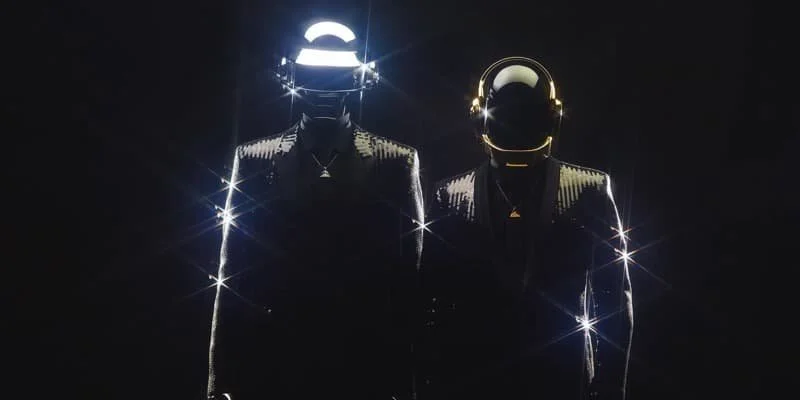
Image Source: Pitchfork
The score for Tron: Legacy may not use any of Wendy Carlos’s themes from the first film, with the mission of the two scores remaining the same. Both Wendy Carlos and Daft Punk set off to find the sound of the future, with Carlos’s score being more romantic, while Daft Punk’s showcases sounds of the future that can be both tragic and hopeful. Daft Punk’s score complements the gorgeous visuals and the screenplay that asks, “Is it possible to lose humanity?” The score flip-flops between the orchestral and the electronic, with tracks combining both in equal measure, bringing the Grid to life in a way only Thomas and Guy-Manuel could. It’s this emotional element that makes the score a thrilling experience, even without the movie. Yes, you should watch Tron: Legacy cause it’s a visual feast for the eyes and a ton of fun to watch. However, if you don’t have time to, the score on its own is a fantastic way to be transported into another world.
While many of us hoped the Legacy score and Random Access Memories would give us another decade of amazing Daft Punk music, the duo broke up in 2021. Thomas has remained active, mainly scoring films and providing music for ballets. Meanwhile, Guy-Manuel would lend his talents to working with famous musicians such as Rosalía. In 2025, the duo’s legendary 2007 live show would be played inside Fortnite as a special event, introducing them to a new generation of fans. While rumors (and wishes) of a reunion persist, we, as fans, can always go back and listen to Daft Punk’s remarkable, unrivaled musical catalog. If you find yourself wanting to get away from the world, remember The Grid is only a few clicks away.
As we conclude Part 2 of this series, we now move on to the third and final installment of this trilogy of editorials. Stay tuned, programs!
READ NEXT:


Latest News
Featured





• All sizes are adult unisex
• Printed art on the front
• 100% cotton
• Pre-shrunk fabric
• Shoulder-to-shoulder taping
• Culture Slate Exclusive Design
See more products here