
James Gunn’s Underappreciated DC Debut
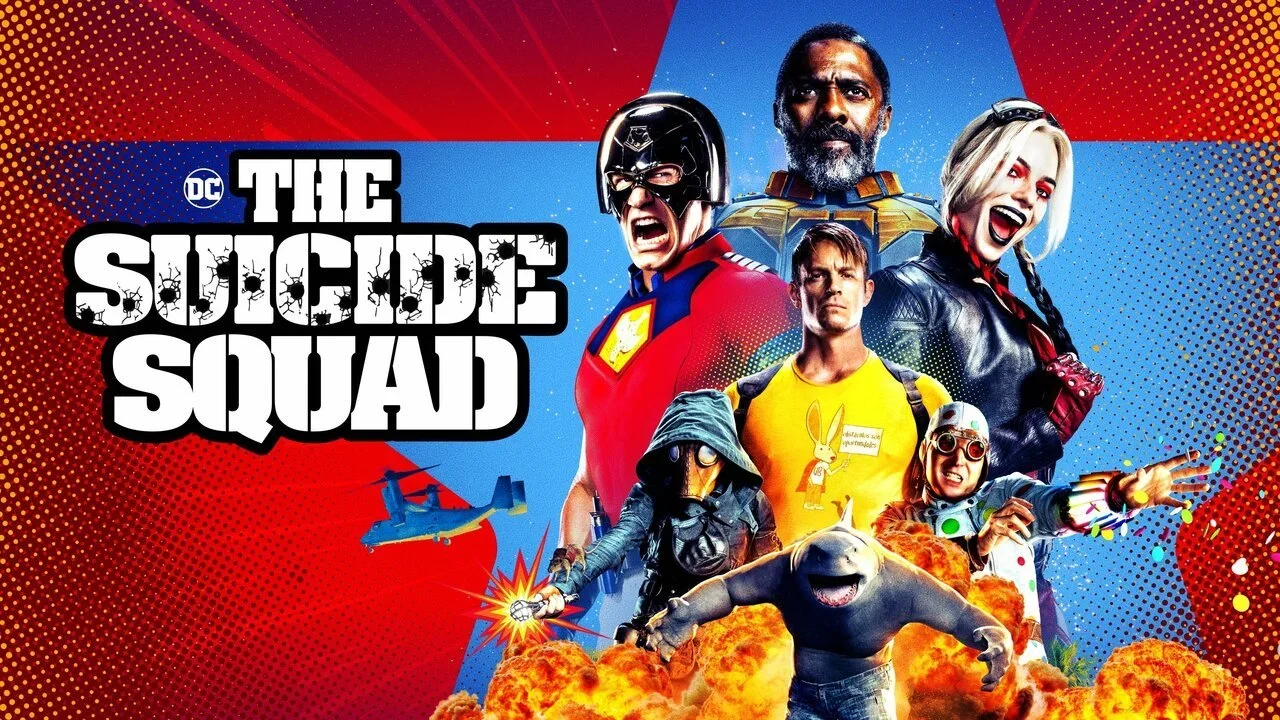
Image Source: TV Insider
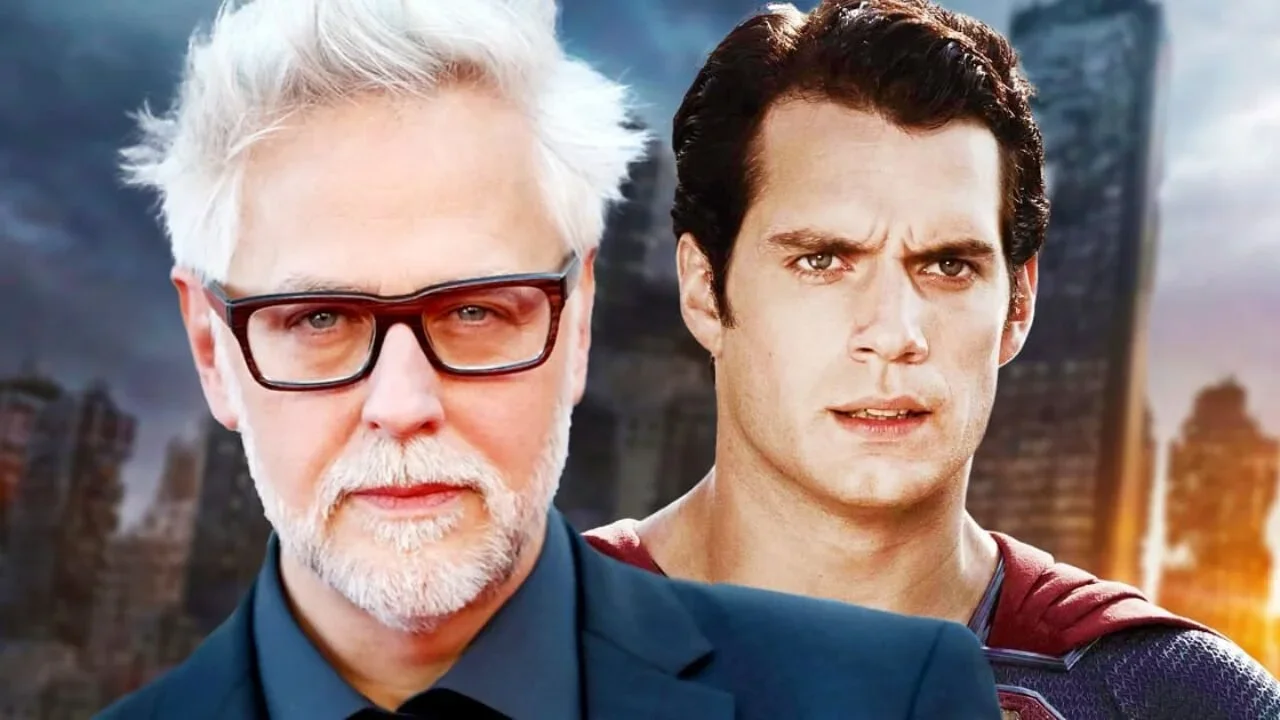
On July 20th, 2018, James Gunn was fired from Guardians of the Galaxy Vol. 3. Up to this point, the director had been applauded as one of the best directors for the MCU, only to find himself unemployed after the resurfacing of some controversial tweets. Little did the industry know what would happen next, as this started a domino effect that would ultimately lead the director to head the studio of Marvel’s biggest rival.
Three months after his firing, it was announced that James Gunn had been hired by DC to write and direct a sequel to 2016’s Suicide Squad. The irony being that the first movie was to act as DC’s answer to Gunn’s Guardians movies. A move that felt symbolic in more ways than one. What he couldn’t finish with one company, he could catapult himself into with the next.
RELATED:
In September 2019, The Suicide Squad officially began production and would fortunately wrap in 2020 before the COVID shutdowns began, keeping it on track to release in 2021. Fans were treated to announcements of a stacked cast that included new and familiar faces. Just to name a few: Nathan Fillion (T.D.K.), Pete Davidson (Blackguard), John Cena (Peacemaker), Margot Robbie (Harley Quinn), Viola Davis (Amanda Waller), and Jai Courtney (Captain Boomerang). Will Smith was not able to return as Deadshot due to a scheduling conflict, which led to Idris Elba’s casting. Initially, Elba was supposed to be a recast of Deadshot, before it was ultimately decided to switch him to the character Bloodsport. With so many new characters joining the squad, it begged the question of how Gunn would juggle so many characters at once. The simple answer: he wouldn’t.
The Suicide Squad showed right in its opening that it would be what its predecessor hadn’t. It would be totally unpredictable and make sure the audience knew that no one was safe. The movie opens with Michael Rooker’s POV as he joins the team, then shows their decimation on the beach, fan-favorite Captain Boomerang is killed in action, Rooker’s character is killed for abandoning the mission, before finally switching POVs to Elba’s team and the true start of the movie. The sequel fully embraced its R rating, showing gruesome, bloody deaths and intense action scenes that kept viewers on the edge of their seats. The movie did not rely on these examples simply for shock value, but to move the plot forward as well. This new intensity allowed for deeper insight into these characters that are, at the end of the day, villains who are growing into their roles as antiheroes. For example, audiences can empathize with Cena’s Peacemaker for his tortured childhood and reflection on his past acts, while still hating him later on for killing Rick Flag “in the name of peace.”
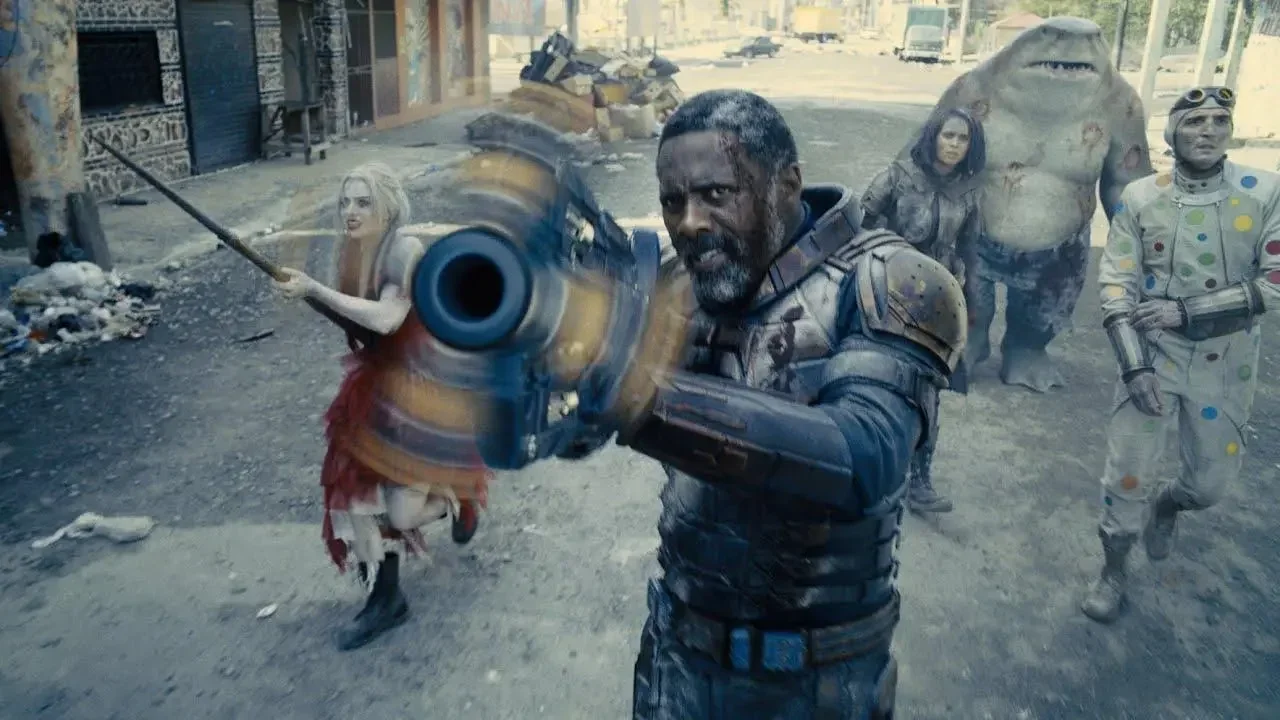
Image Source: Pop Geeks
That’s not to say the movie is all introspection and violence, as it has a lot of laughs as well. Blending the many spectral extremes into one wild ride, Gunn’s comedy is in full force here. Much like Harley Quinn the Animated Series, it’s clear that Gunn understands the characters and their origins enough to make jokes that’ll resonate with casual and hardcore fans alike. And just as with Guardians, this understanding of these characters is enough to make the most obscure into household names. Prior to this movie, most people would likely not recognize the characters Peacemaker or Polka Dot Man; moreover, even most comic fans would likely not recognize Bloodsport. Yet, Gunn was able to completely remake the team of the previous movie, while still holding on to the audience with much more obscure characters.
Upon release, The Suicide Squad was a big success critically but not commercially. It would receive rave reviews from critics and be welcomed warmly by viewers, while only earning $26.5 million its opening weekend. This may sound bad for a movie that cost $185 million to make, but it is import to remember the context surrounding that time. In 2021, COVID was still a high threat and many audiences were not ready to return to theaters. So, Warner Bros made the at the time controversial decision to release their movies the same day on HBO Max as in theaters. Warner Bros reported that the movie was doing much better on streaming than in theaters.
Releasing at a time when the DCEU was a mixed bag of quality and seemingly no plan in sight after Justice League (2017) flopped, The Suicide Squad was a breath of fresh air for fans. When the DCEU began, it was trying to rival the MCU by having a more grounded, gritty approach. At first glance, it seemed to be a decent enough way to set itself apart from the competition. Quickly, it did set itself apart but not in the way they had hoped. Opinions were mixed on Zack Snyder’s vision, and his hiatus from Justice League led DC execs to try to take the franchise in a more lighthearted direction. As this proved to be just as divisive, Gunn finally found the balancing act. He proved that you could have the light-hearted humor while still delivering serious drama and action.
James Gunn would continue this success with the spin-off series Peacemaker. Cena’s character would complete his redemption arc that he teetered on in the film, and expand the DCEU while doing it. This series brought in more obscure heroes and villains, and referenced so much more of the universe we hadn’t seen. Peacemaker’s humorous takes on these characters made the universe feel lived in, without the rushing and fan service that had plagued early DCEU projects. This would come to a head with a silhoutted cameo of the Justice League, and in-person cameos from Mamoa’s Aquaman and Miller’s Flash. Finally, it felt as though DC had a vision.
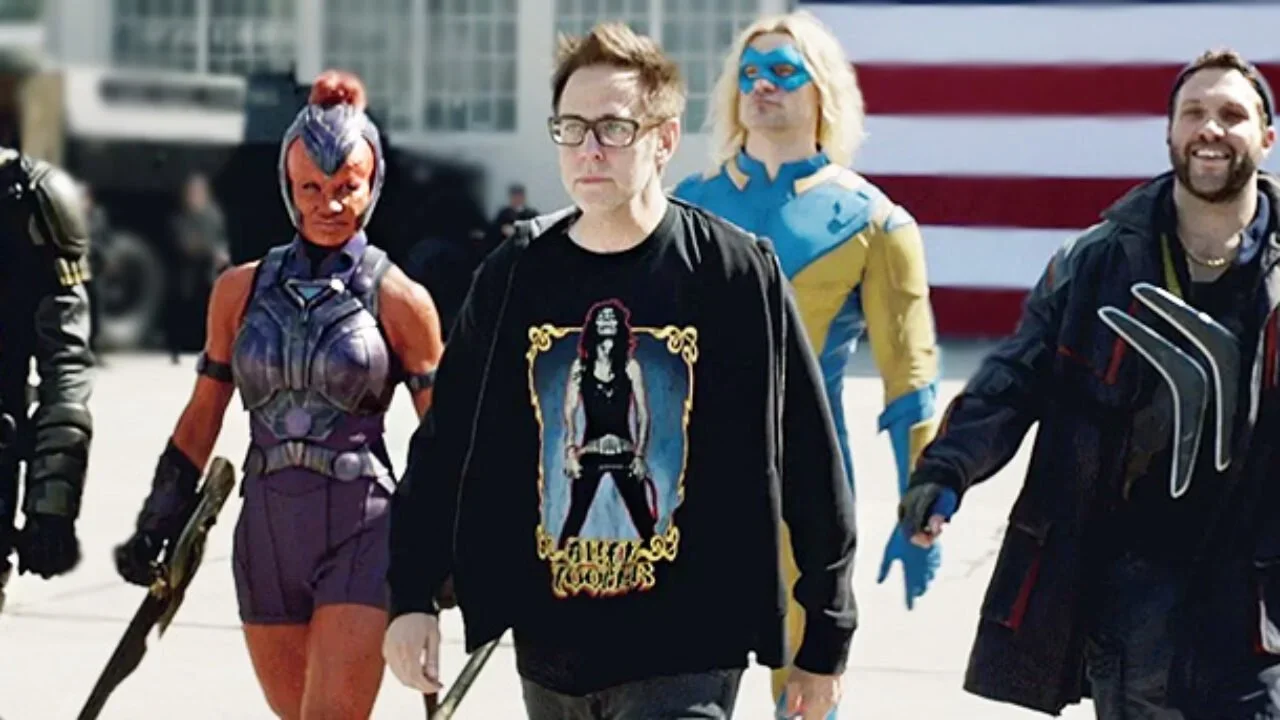
Image Source: JoBlo
There were initial fears by fans that Gunn might abandon DC before he got started, as Marvel brought him back into the fold by rehiring him for Guardians of the Galaxy Vol. 3 right before The Suicide Squad would go into production. While he accepted the offer, he made it clear that he would be finishing his project with DC first. Just as he finished The Suicide Squad, Gunn would jump right over to Marvel and make his swansong to the franchise. He was now being pulled back and forth between these two comic book juggernauts, so one likely knew they had to act quickly.
In October 2022, eight months after the release of Peacemaker, James Gunn was announced to be hired as co CEO of DC Studios alongside producer Peter Safran. In January 2023, the two would go on to announce a reboot of the cinematic universe that would stem from Gunn’s initial work. This new DCU would retain few characters, actors, and plotlines from the prior, and would cinematically premiere with a new Superman movie once the last of the DCEU movies had concluded. Of course, this was met with criticism. Henry Cavill had finally returned as Superman in Black Adam in October 2022, and had announced on Instagram a few days later a full return to the character with a new movie. It was one final controversy in the cap of the DCEU.
Today, The Suicide Squad is not talked about nearly enough. Not only did it bring one of comic book films’ best directors of the time to DC, but it also led to Gunn’s total rebranding of that franchise and his return/final goodbye to Marvel. It did the unthinkable by finally hitting the tone DC had longed for, while producing a high-quality cinematic experience that, unfortunately, was dragged down by a global pandemic. With the continued success of Peacemaker, the surprise hit Creature Commandos, and Superman being arguably the best superhero movie of 2025, it’s safe to say that The Suicide Squad is too often overlooked and underappreciated as James Gunn’s DC debut.
READ NEXT:

Latest News

Featured





• All sizes are adult unisex
• Printed art on the front
• 100% cotton
• Pre-shrunk fabric
• Shoulder-to-shoulder taping
• Culture Slate Exclusive Design
See more products here