
'Star Wars' Meets King Arthur: The High Republic’s Legendary Parallels
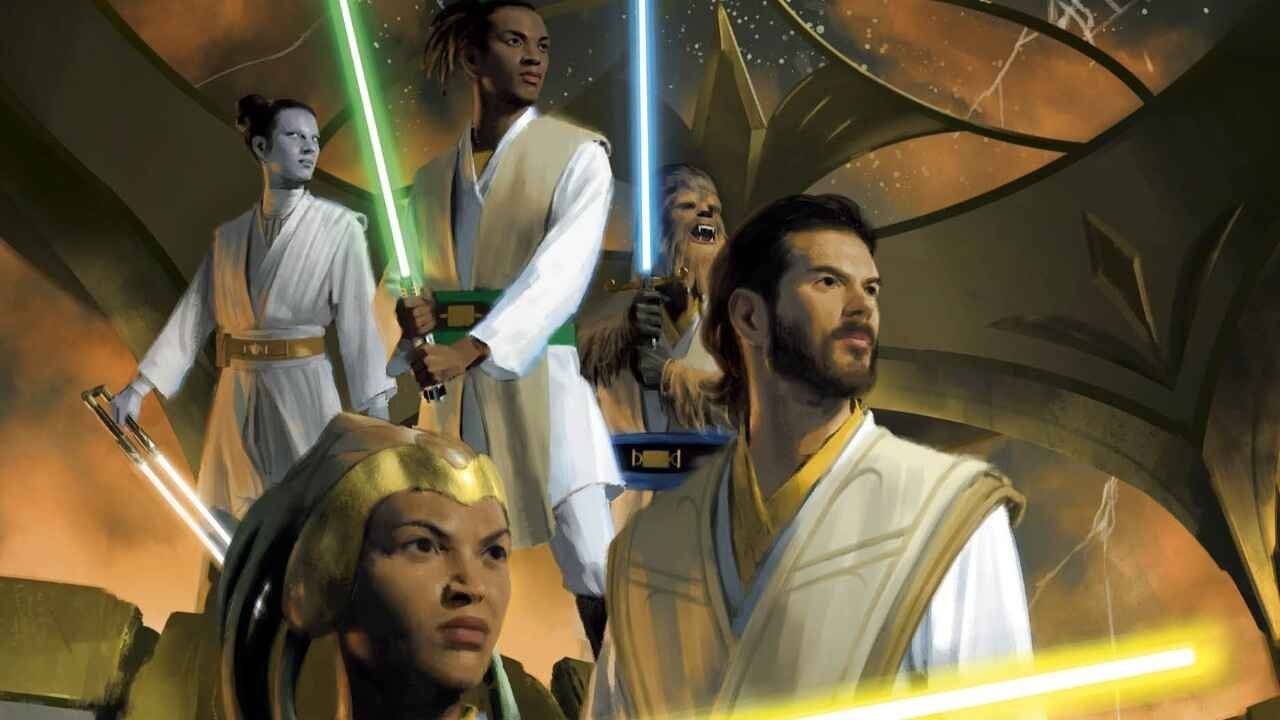
Image Source: Wookieepedia
The High Republic as a formal initiative is concluding. By the end of July, after dozens of books, comics, short stories, and more, its impact will continue to be felt among the fanbase and in future Star Wars storytelling. But when looking back and understanding the initiative, how it changed and shifted, and learning from where it took inspiration, we get some fascinating subjects of discussion. One of these is the strong Arthurian influence the initiative had, what its use means in the context of the initiative, and what it could mean for the future of the Star Wars franchise. So today, Culture Slate is tackling this exploration, eagerly examining the links between the world of King Arthur and the world of The High Republic.
From the Beginning
It should be noted that well before The High Republic, Star Wars as a whole had links to Arthurian storytelling through the motif of heroic medieval knights going on quests for the good of realms, their chosen beloveds, and to defeat evil foes. This medieval knight aesthetic also appears in both Legends and canon Star Wars storytelling for the Jedi as a whole. Despite being heavily influenced by Japanese warrior traditions, Japanese terminology such as “ronin” is relatively new to Star Wars. The reason for this is because George Lucas and others inserted medieval European terminology into the world instead of those terms, with it slowly coming back many years later. The story structure mentioned above can also describe a lot of Legends storytelling, particularly tales set in the era of the Old Republic. But in canon, storytelling was largely restricted to the Skywalker Saga, where at best we got in-universe legends that feel like those tales of yore. The High Republic, obviously, massively changed that.
RELATED:
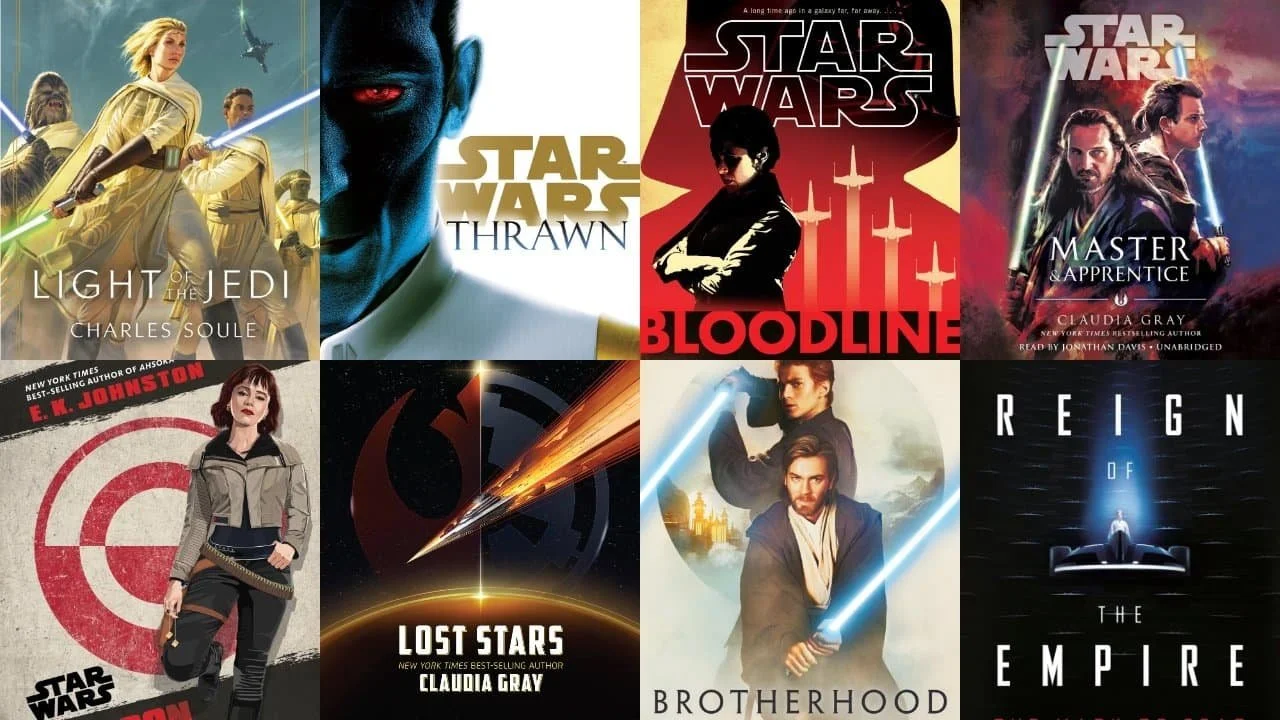
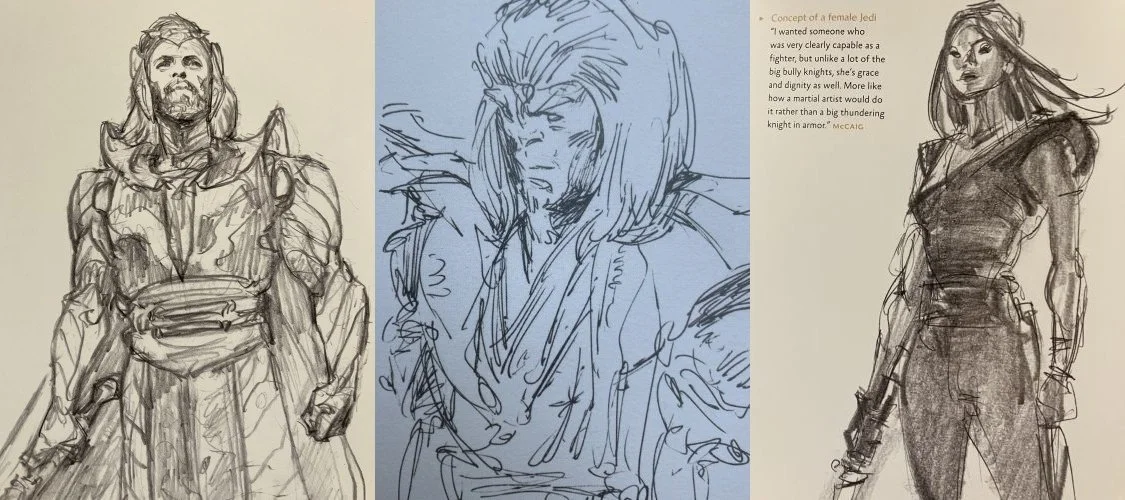
Image Source: CultureSlate
Irrefutable proof for the links between The High Republic and Arthurian lore can be found in two reference books for the publishing initiative. The first is The Art of The High Republic: Volume I, and the other is Star Wars: The High Republic: The Lightsaber Collection. The former openly comments on how the initiative drew from Arthurian storytelling from the very start, showing numerous artistic sketches of proposed Arthurian characters like Arthur, Merlin and Lancelot while also discussing the idea of Camelot. Meanwhile, The Lightsaber Collection mentions that Stellan Gios’ lightsaber drew inspiration from Excalibur, the sword of King Arthur, which helps to affirm a strong connection between the two characters, which we'll discuss shortly.
Phase 1
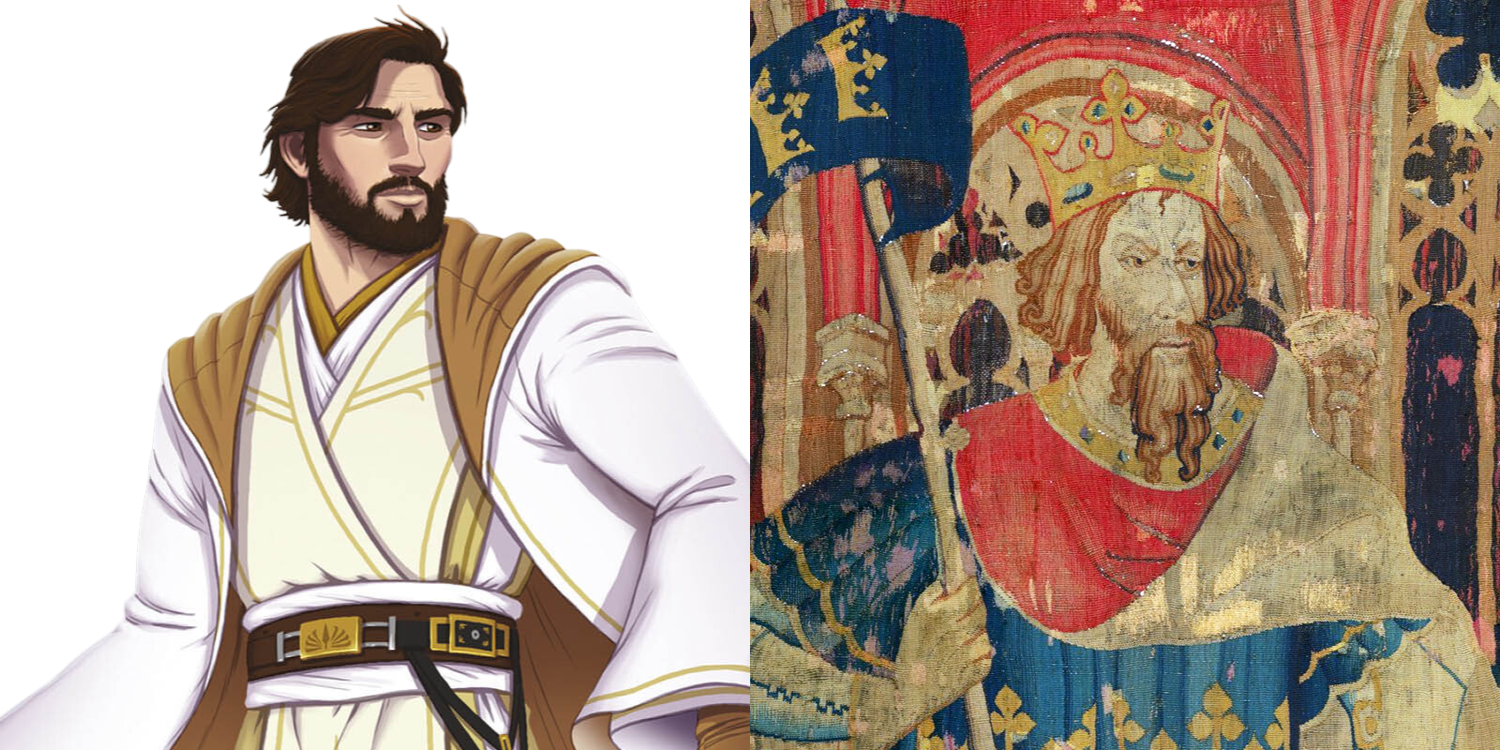
Image Source: CultureSlate
The High Republic’s Arthurian influence is best seen in the characters of Phase 1, one key location and in the overarching plot. Over the course of the first few stories, fans were introduced to characters like Avar Kriss, Elzar Mann, and others who would go on to have longstanding impacts on the world of Star Wars and the initiative. But it was also quick to see who a number of these characters reflected, especially as the events carried on and the finale helped define the exact state of the galaxy when the Phase ended. We can clearly see the “Three Firebrands,” as they were known, Stellan Gios, Elzar Mann and Avar Kriss, as parallels to Arthur, Lancelot, and Guinevere. The complex romantic relationship between Elzar and Avar is one of the biggest points suggesting that link, while Stellan as Arthur comes down to Stellan’s role as a leader and face of the Order (alongside the detail of his lightsaber’s development). A prodigy who had great expectations placed on him from an early age, Stellan grew up to be devoted, serious, but also deeply flawed in a way many late medieval interpretations of Arthur leaned into. These ideas have persisted in many modern depictions.
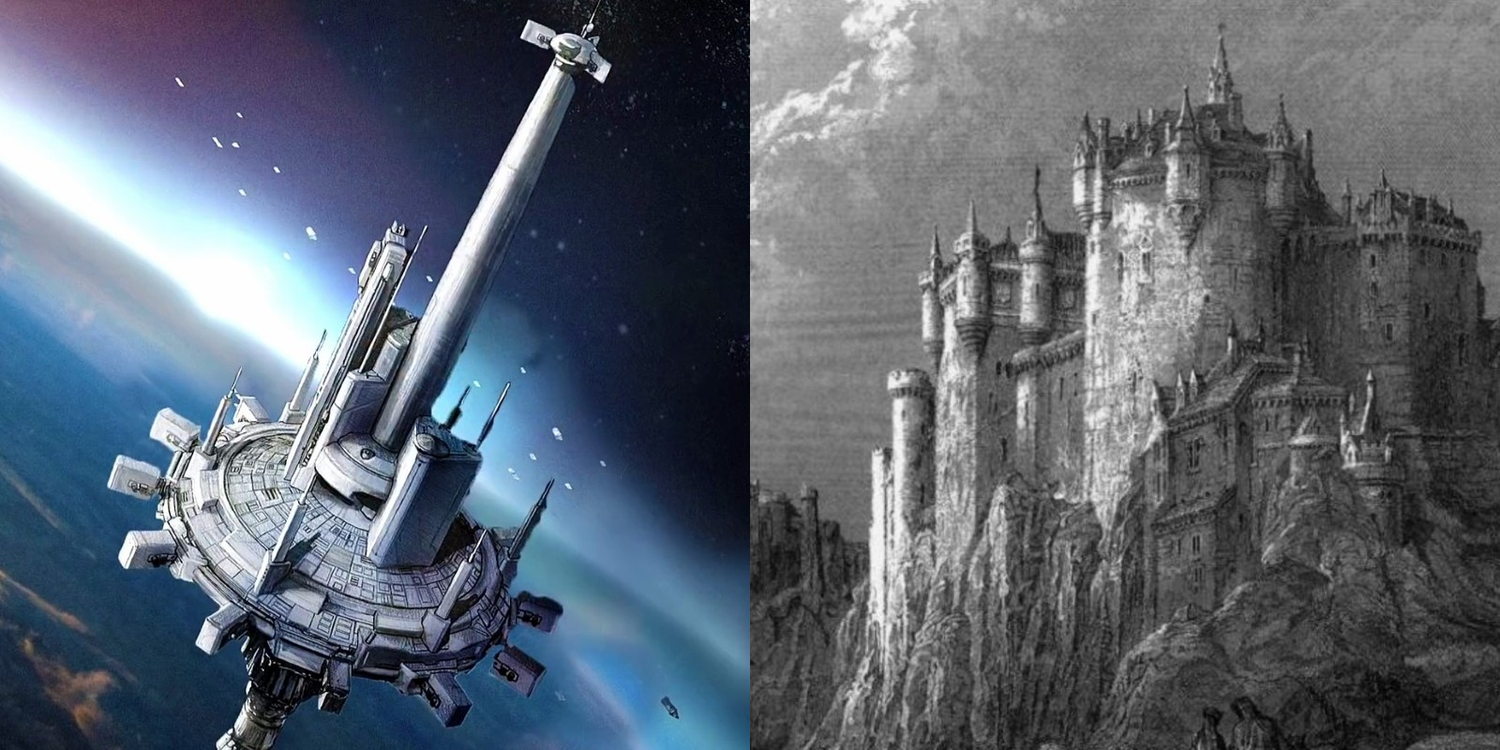
Image Source: CultureSlate
Other characters have less clear connections, and their links are at best, speculation. Orla Jareni, a character introduced in Into the Dark, is an Umbaran with all-white clothing and interactions with various characters that might make her the Lady of the Lake. Bell Zettifar is perhaps inspired by Yvain, due to both warriors having unique animal companions. But the feel of this era, of the Jedi as protectors of good and justice actually doing so, and fighting against all manner of threats, strongly links to the adventures told in Arthurian storytelling. The location and symbolism of Starlight Beacon also links strongly to the idea of Camelot; the grand gleaming white space station stands as a symbol of hope and justice in a civilized age, as a tower over the stellar landscape serving the people and protecting them…until it doesn’t.

Image Source: Wookieepedia
This is where the role of the villain and the broad plot elements come into play. Despite lacking a strong link to Arthur like the character of Mordred, Marchion Ro still fulfills this role as a dark knight and usurper, a force of chaos who brings about the Fall of Camelot. Wielding a stolen lightsaber, he plans a dastardly plot that brings Starlight Beacon tumbling down in The Fallen Star, while also dividing and unsettling the Jedi at a time when they should be united and focused. He thus ushers in a dark kingdom of his own, the Occlusion Zone, which seals hundreds of worlds away from the wider galaxy and allows him to spread his chaotic ideology.
Phases 2 and 3
The following two Phases of The High Republic pull away from the strongest Arthurian elements in the storytelling, as they instead have different thematic inspirations and influences. But Arthurian traces still permeate the stories. For Phase 2, there is a great deal more emphasis put on the adventuring and questing that lies at the heart of many Arthurian stories. The Jedi of this age are exploring the galaxy once again, encountering strange sights, creatures, and worlds like never before, and there exist further stories told of even stranger places. This matches well with similar Arthurian tales of knights questing far and wide, encountering giants or warriors to fight in strange lands with strange objects, cultural practices, and magical happenings where they have to intercede.
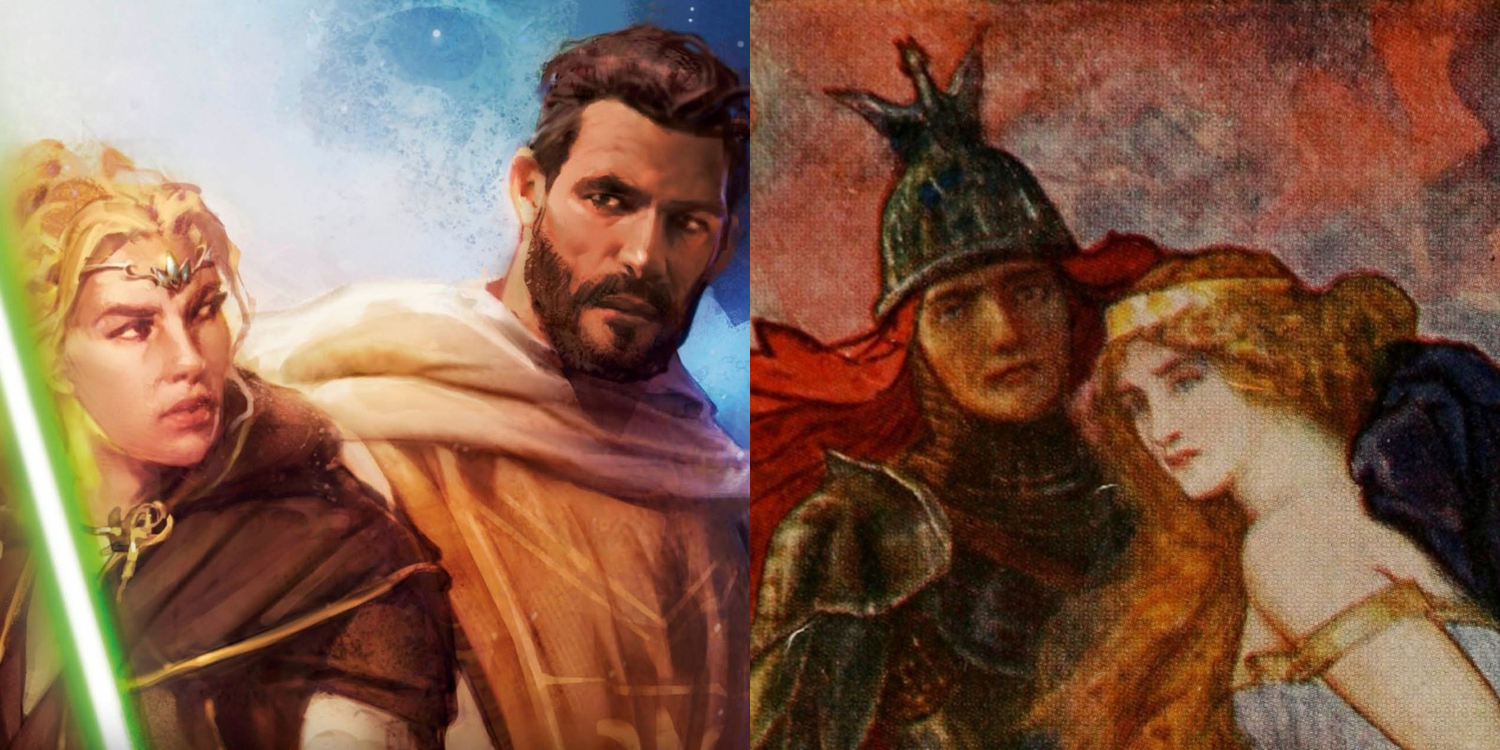
Image Source: CultureSlate
As for Phase 3, the return of Elzar Mann, Avar Kriss, and Marchion Ro bring some of the Phase 1 Arthurian influences back, especially as the Phase functions as a “post-Arthur” narrative. This is a common trope in modern reinventions of Arthurian stories, of showing some apocalyptic or dismal situation in the time after the formal Fall of Camelot, or providing a major twist that changes events near the end of the traditional stories. This can be seen in a lot of recent media, such as the video game Sworn, which has players fighting to free the land from a corrupted King Arthur and his similarly corrupted knights. The story thus begins at a low point and leads Avar and Elzar to fight against their universe’s Mordred in a quest to avenge their Arthur, while also fully committing to their forbidden love, finding a balance between it and their duties to light and life. There are some small aesthetic details that bear noting as well, such as Marchion building an imposing dark tower to lord over the agricultural world of Hetzal, and the gleaming white armor given to the Luminous 9 in Trials of the Jedi. But it can be said that, broadly speaking, the Arthurian influence in The High Republic gradually faded, save a few key elements which played roles through the whole narrative until its conclusion.
Conclusion
While The High Republic began its development many years ago, it has proven remarkably farsighted, as its content releases have aligned with the rapid growth of Arthurian storytelling in various forms of media, most obviously in video games. Warhammer also got a major injection of Arthurian theming through the story and events involving the return of Primarch Lion El’Johnson, which CultureSlate recently explored. As we stated there, we think that the reason for this focus on Arthurian lore in recent storytelling is because it seeks to engage with a chivalric ideal, a better place and time, than the one we are in now. Where the villains are defeated and the heroes triumph, at least in the most commonly told stories and versions of the tales. But we also think that Arthurian storytelling is incredibly flexible, as can be seen in the many versions and iterations both past and present, and Star Wars tackling many of the mythos’ ideas helps create a unique theme and tone for readers to enjoy. We’ll have to wait and see how much more resonance might be seen in future stories set during The High Republic, or what The Art of The High Republic: Volume II might reveal about Arthurian influences on Phases 2 and 3. Some of that information might surprise us!
READ NEXT:
Latest News
Featured




• All sizes are adult unisex
• Printed art on the front
• 100% cotton
• Pre-shrunk fabric
• Shoulder-to-shoulder taping
• Culture Slate Exclusive Design
See more products here