
'Tron: Uprising' Retrospective
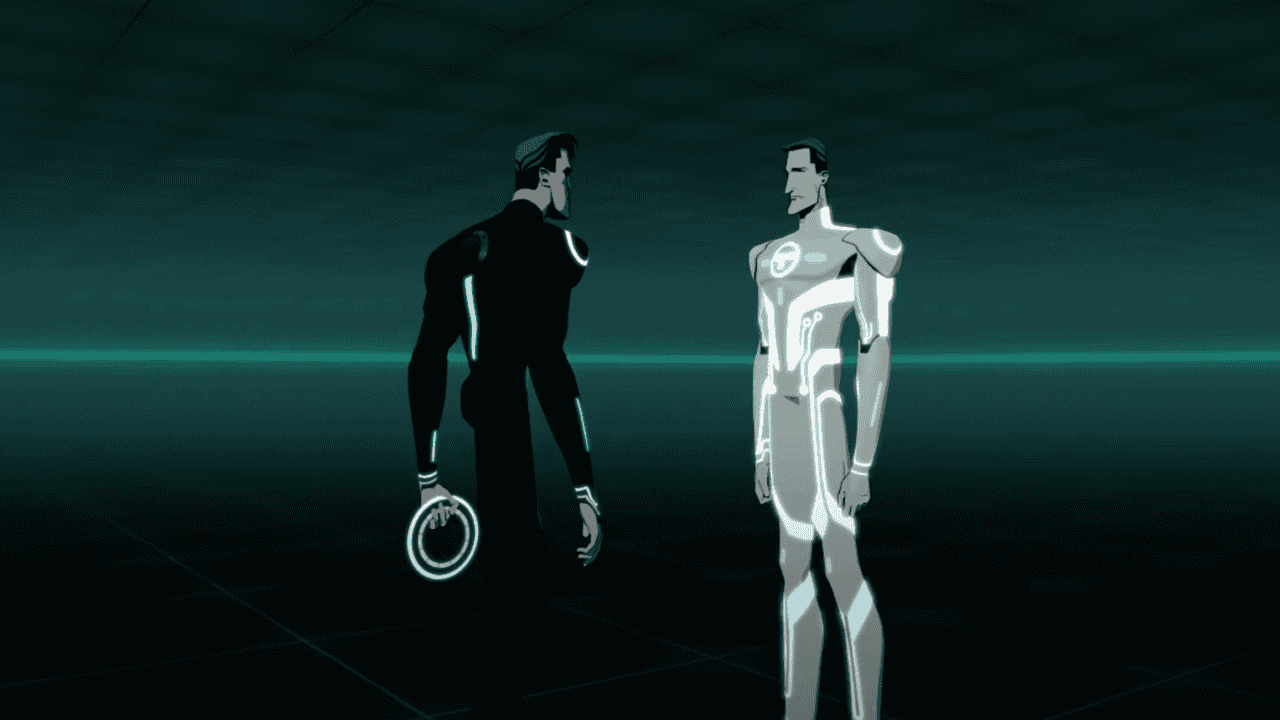
Image Source: YouTube
I have a dim recollection of seeing or hearing a bit about Tron: Uprising around the time Tron: Legacy released. I thought it seemed interesting, but I lacked any access to it, until more recently, when it was added to Disney+ and I was able to binge the show. To learn that the series never got a season two, or a proper end to its storyline in any way all these years later despite the medium of comics and more, is a crime against worldbuilding.
Tron: Uprising did a lot to expand and deepen the world of Tron in ways that supported the mixed-reception sequel, and that needs to be remembered. So join me today as we dive into taking a look back at this unique series, with the third Tron film steadily approaching on the horizon.
RELATED:
WARNING: This retrospective contains SPOILERS for Tron: Uprising.
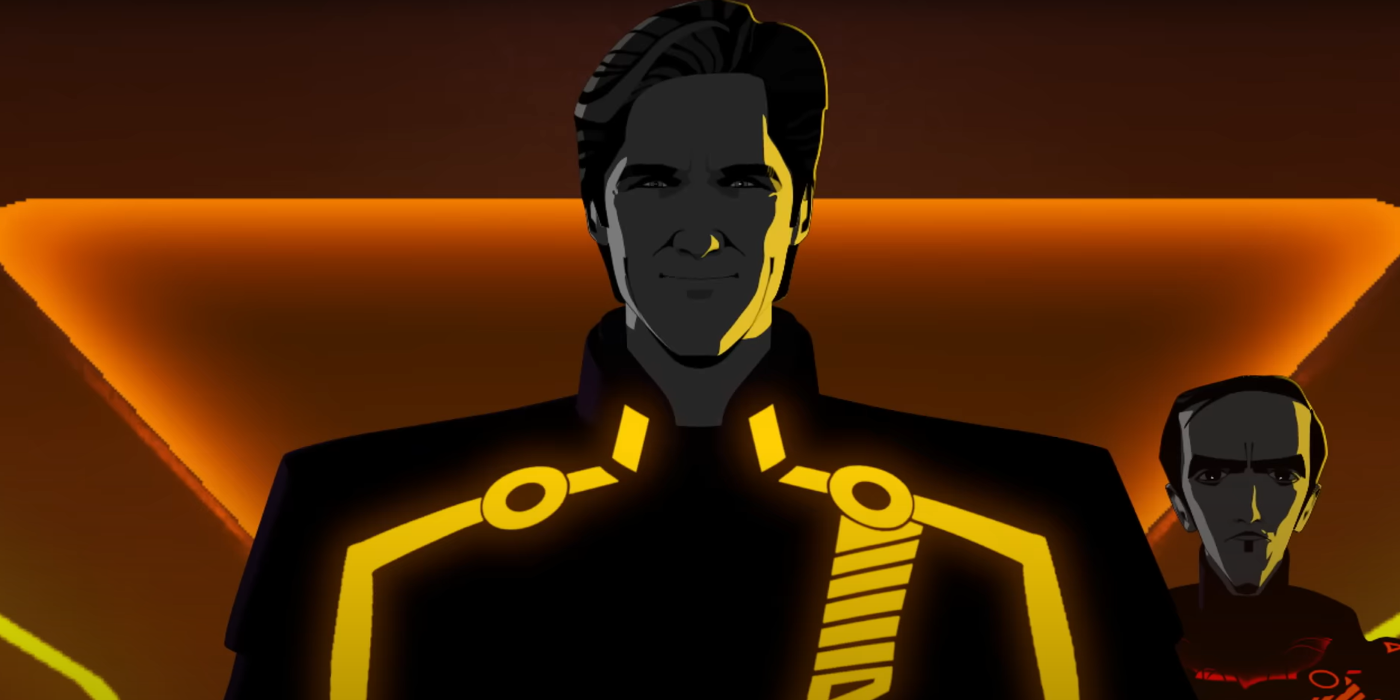
Image Source: YouTube
Tron: Uprising is set a number of “years” after Clu’s takeover of The Grid, with his orange-red-hued army slowly expanding across the digital landscape. When they reach Argon City, they take no time in alienating themselves from segments of the population, derezzing a civilian when he objects to their arrival and the destructive addition of a massive statue honoring Clu. That random civilian was Bodhi, best friends with the Program named Beck, voiced by Elijah Wood, and he takes the loss hard. That night, he plans a major act of vandalism, and just barely escapes capture only to be suddenly grabbed by a mysterious figure who interrogates his motives. This figure is then revealed to be…Tron, delightfully reprised by Bruce Boxleitner.
Now, I hear yourself asking, wasn’t Tron captured and reprogrammed by Clu, appearing in Legacy as a silent, remorseless soldier who finally recalled his true self at a critical moment near the end of the film? Yes, but Uprising was part of a narrative that was going to show that transformation was not a simple journey from Point A to B. Tron was significantly damaged in Clu’s attack against him and Flynn, leaving him with permanent scars and difficulties that required him to seek out help from others while living in hiding. The latest figure he turns to is Beck, as he believes he is a Program that can carry on Tron’s legacy as a freedom fighter against Clu’s reign.
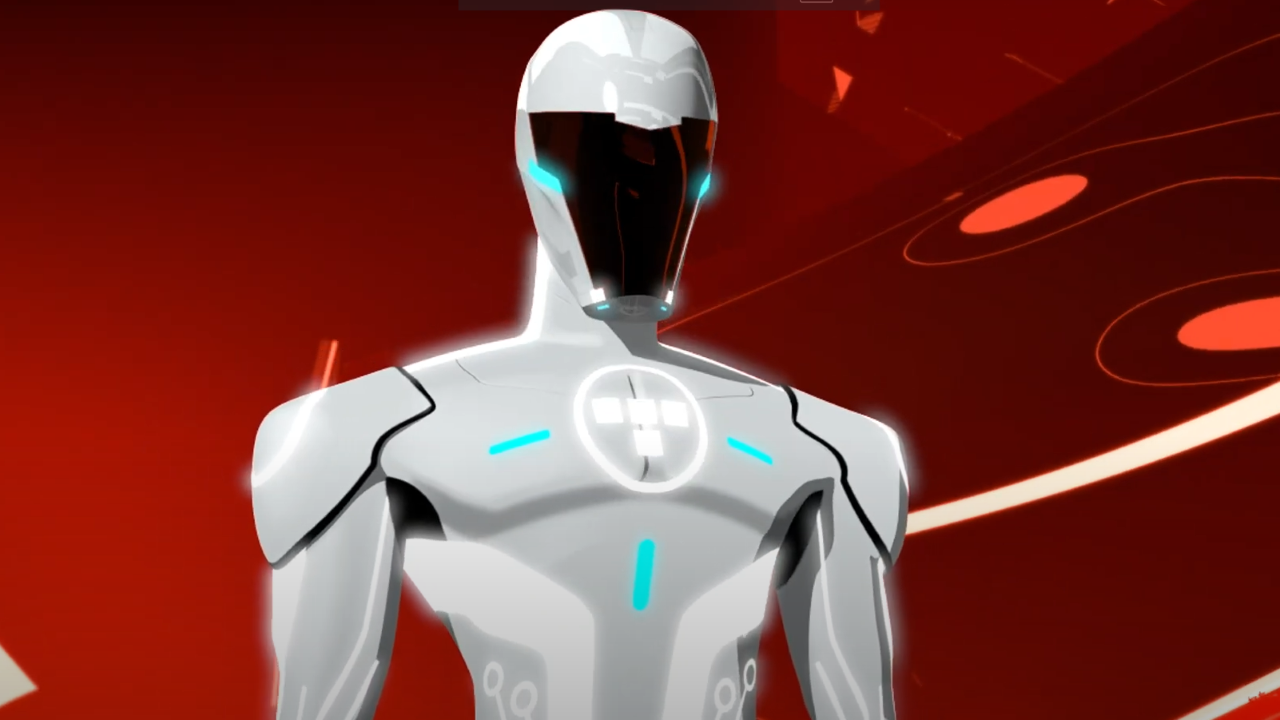
Image Source: YouTube
Beck then dons the appearance of Tron and begins going on a series of missions against military targets and operations run by Argon’s occupier, General Tessler. A ruthless, aggressive man with limb augmentations that make any hand to hand fight with him a dangerous encounter, he is joined by his lieutenants, the sniveling and sneaky Pavel contrasted against the calm and loyal Paige. Paige’s story is fascinating, and the series being cut short leads us with many unanswered questions about what could have been.
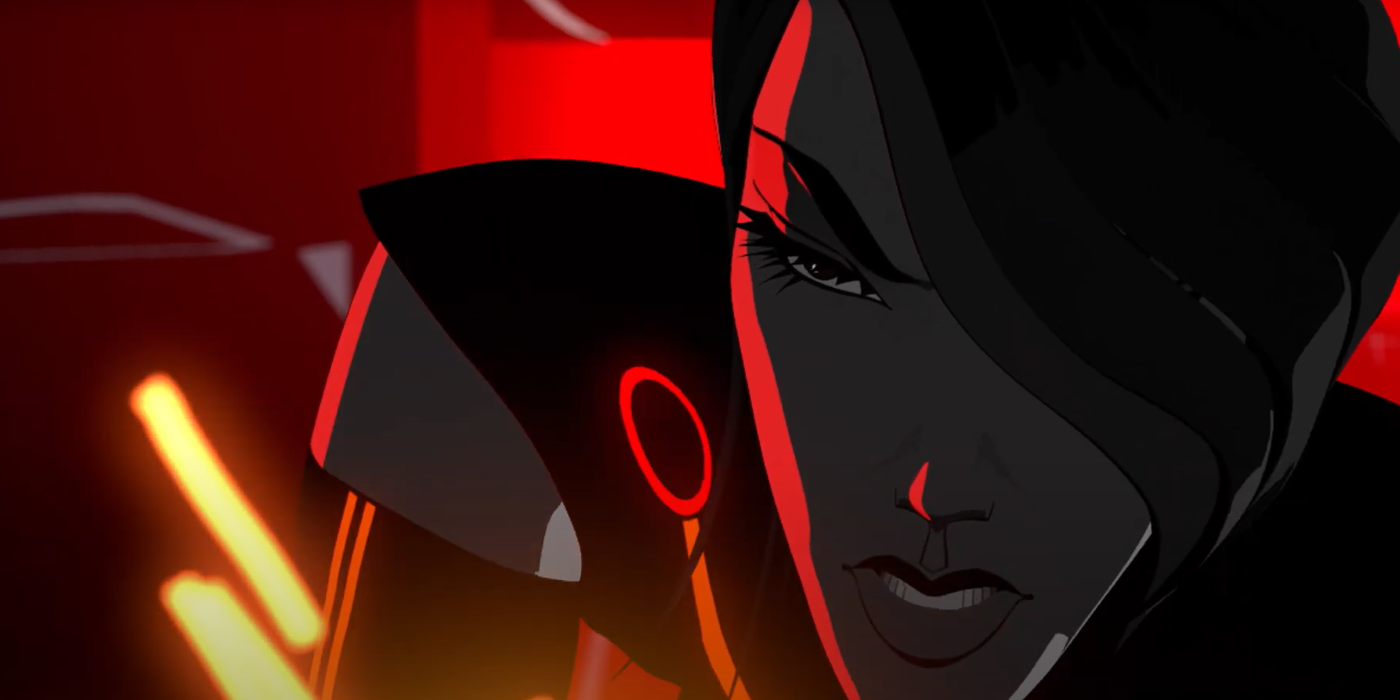
Image Source: YouTube
But Beck doesn’t just have to worry about the bad guys. He has a “day” job, working as a mechanic in a garage owned by an old-timer, Able. His friends Mara and Zed each take different sides regarding the actions of “Tron,” better known as the Renegade by the populace on General Tessler’s insistence. Beck’s absences, while initially linked to the death of Bodhi, start to burden his friendships and his job. He repeatedly has to juggle his insurrection activities and his civilian life, but often struggles, which leads to some close calls with the possible discovery of his identity, or the collapse of his social sphere.
Aside from the plot, which broadly features a “problem of the week” structure (though a few storylines are arcs with touchpoints across several episodes), the worldbuilding in Uprising is to be applauded. From explaining what Strays are, to the deepening of Tron’s personal story thanks to the addition of new characters, to exploring the structure of the Grid and how Programs live in it from day to day, all of it is drenched in a rich neon atmosphere that makes Argon City fit perfectly into the universe of Tron.
The show’s art style is also notable for how it embraced exaggerated proportions for many of its characters, marking them out as different to Humans (who we see very few of in the show), with clean CG animation perfectly fitting into this digital world. The series also gives us more information on how Clu’s forces operate, or at least operated, prior to what is seen in Legacy and we learn more about his genocide against the ISOs, something only briefly mentioned in the franchise’s second film.
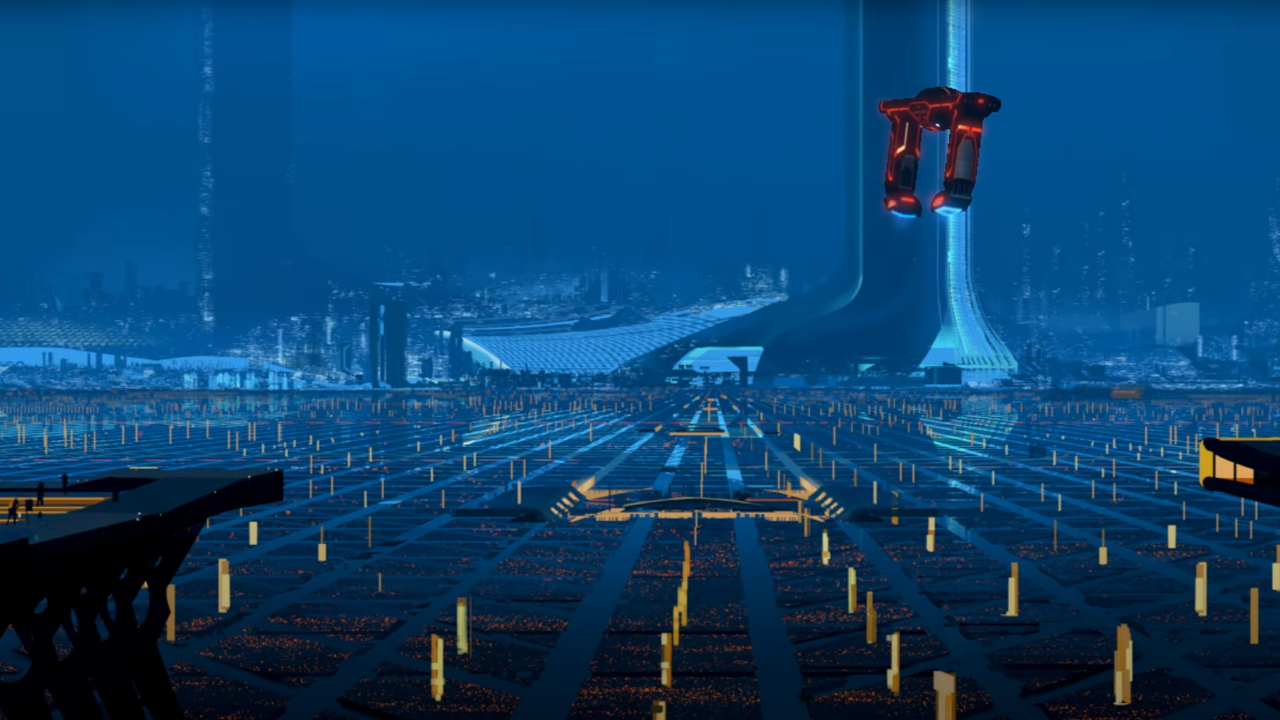
Image Source: YouTube
Is the show perfect? No, but most of its imperfections can be chalked up to its incomplete story arcs, its premature conclusion robbing the show of the ability to see the biggest payoff to most of its storylines. The show’s final arc for its one season is certainly a gut punch, and does contain good emotional payoffs for several events, but it was not a true finale as its terrifying yet exciting final scene hinted at so much sadly lost from the fans.
What DID happen to Tron between this show, and Legacy? We likely won’t ever know. Tron: Ares looks to be diverting the franchise’s attention away from the digital to focus on reality and humanity, and there are currently no clear signs of connection to Legacy beyond the return of Jeff Bridges. But one can hope that maybe, just maybe, as Disney has also created several Tron games recently and seems interested in returning to the franchise, that Uprising gets a proper conclusion and pays off links, nods and allusions made across its 19 episodes to said films.
READ NEXT:
Source(s): Tron: Uprising
Latest News
Featured



• All sizes are adult unisex
• Printed art on the front
• 100% cotton
• Pre-shrunk fabric
• Shoulder-to-shoulder taping
• Culture Slate Exclusive Design
See more products here