
Why The Separatist Movement Was Doomed From The Start
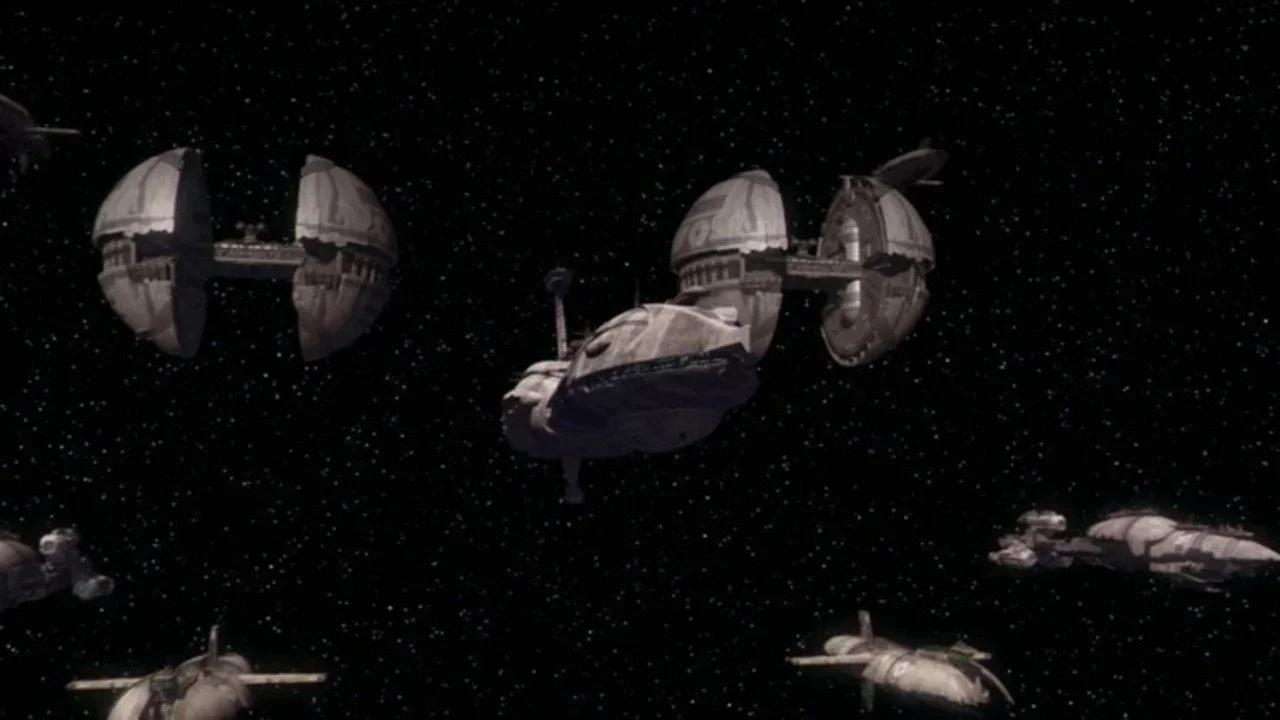
Image Source: Wookieepedia
The Confederacy of Independent Systems, also known as the CIS or the Separatists by their Republic counterparts, were, as it’s well-known, overall pawns in a chess game of sinister power. Led by the charismatic Count Dooku, the organization was in reality being used by Dooku, in truth the Sith Apprentice Darth Tyranus, to stall the bloody Clone Wars and wear down both the rebelling plants and the Republic and, most importantly, the latter’s Jedi defenders.
That being said, while plans had been made should one side or the other succeed in the conflict, there were several elements that put the CIS at a distinctive disadvantage, and set them up to lose in the long term.
RELATED:
Politics:
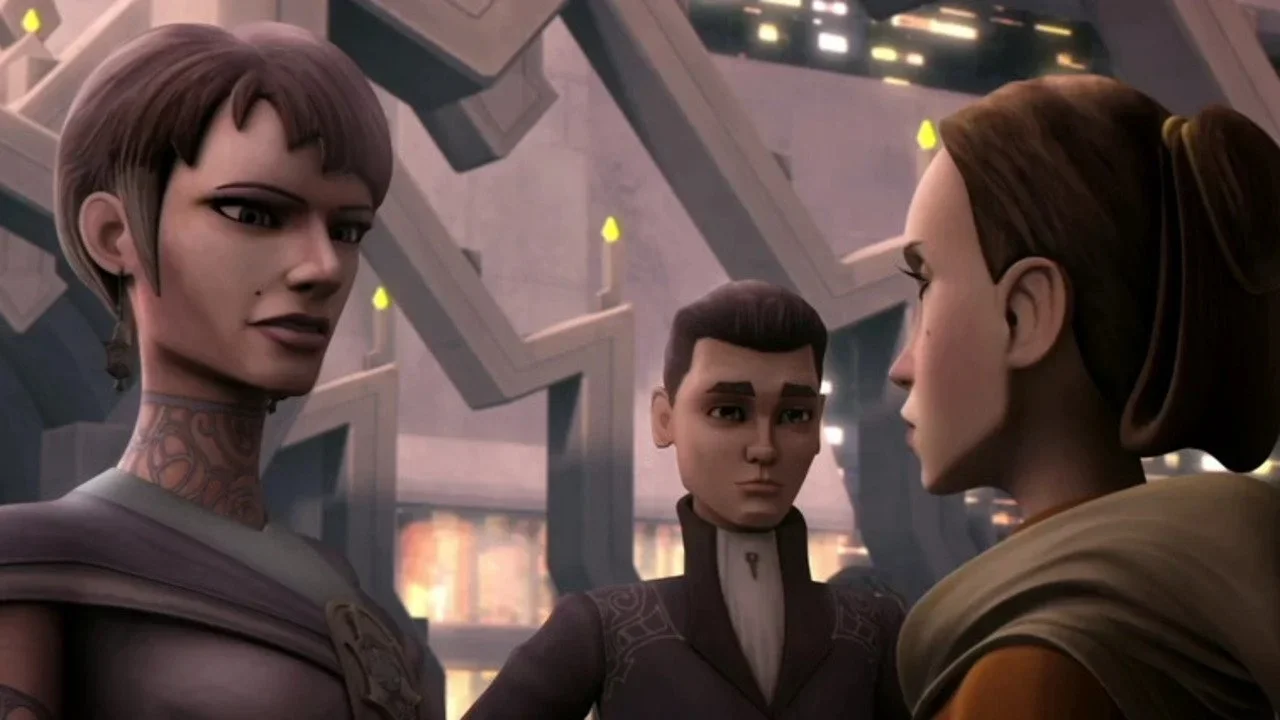
Image Source: Wookieepedia
On a political level, the Confederacy was already shrouded in doubt concerning its secession from the Republic.
For starters, the legislation as it was was heavily bisected across two groups within the organization: the Senatorial Parliament and the Executive Council.
The former, primarily composed of those who had left the Republic voluntarily, were, despite their hopes and Count Dooku's claims, largely powerless in the grand scheme of things. While there were actions they could take and laws and regulations they could pass, in truth their roles were advisory at best and complete set dressing at worst. This limit in power was two-fold: the Confederacy as an official body was very new. Compared to its centuries-old Republic counterpart, the Parliament existed for less than a decade, with much of that time spent at war.
Said war was also what crippled them: Dooku had been granted emergency wartime powers, and often subtly and blatantly used them to serve his Dark Master Sidious, as well as dispose of opposition to his position on the Executive Council. Those who got too outspoken or insistent about prematurely ending the conflict, like Mina Bonteri died under “mysterious” circumstances, their deaths often pinned on the Republic.
The Council, while technically beholden to their constituents, in reality was as much in it for their own personal gain than anything else. War was money, and many of those on the Council made a hefty profit producing the weapons, machines, technology and goods needed in the wartime conditions. Which leads us into our second point: economics.
Economics:
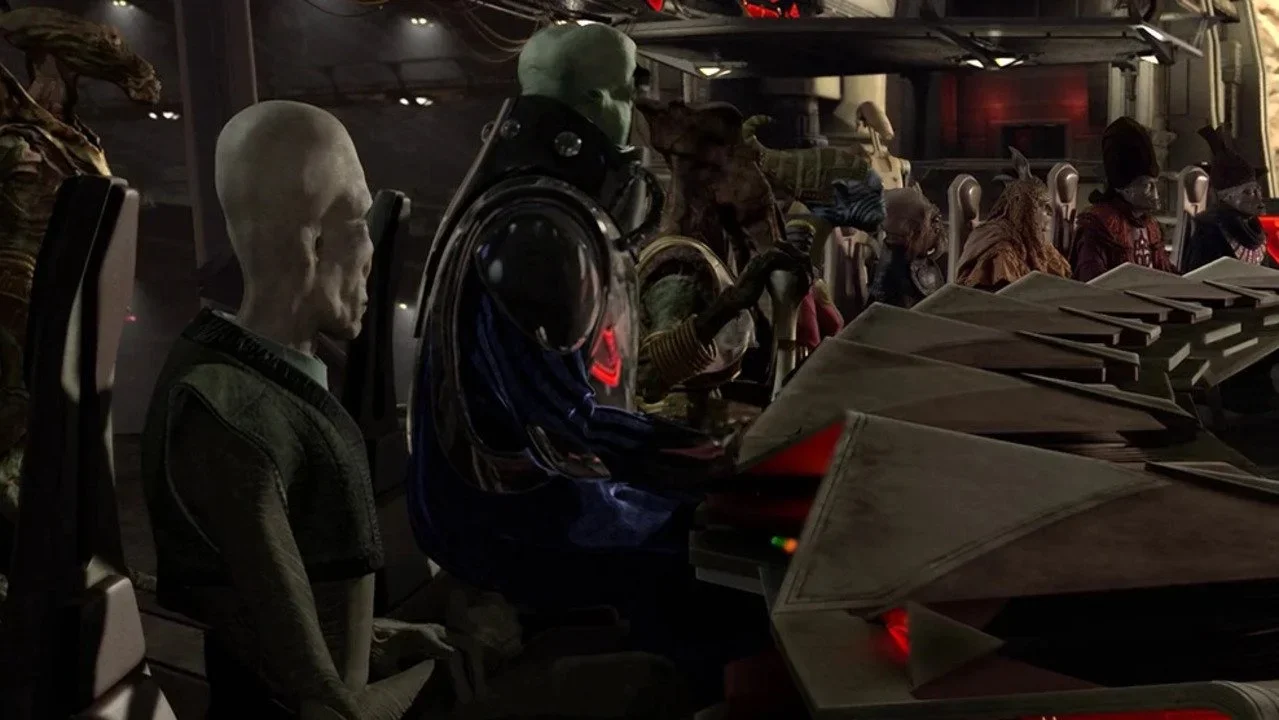
Image Source: Wookieepedia
While there were many planets that were largely unaffected during the war, save shipping issues and security changes, many others had their economics heavily modified to benefit from the conflict: mining, weaponry, electronics, etc. Often this was done due to hefty monetary stimulus packages thanks to the Council. This should have meant various planets benefited as a whole.
Unfortunately, far too often, former Republic Senators or planetary rulers took the opportunity to turn their world into their personal fiefdoms, as they were no longer under the Republic's limited, but weighty, oversight. The people often suffered, with some forced to work long hours or face brutal punishment for themselves or their families. Others were forced to work practically for nothing at all.
Dooku largely didn't care how matters were done or how resources were gathered—only that they were. Taxes weren't universal across the Confederacy, or curtailed to a specific world and its bounty and workforce. The war demanded its due, and it was up to those in charge to acquire that by any means necessary. And many were eager to exploit their people in order to hold on to power as long as possible, content to act as petty kings and queens as their people starved.
Others who weren't as willing to heed Dooku's demands may be have been able to negotiate for more time, or waive their dues with enough cleverness and palm greasing, but more often than not, they were replaced—usually violently and permanently—by those more willing to follow Dooku's orders and with looser moral fiber to boot.
Often triggering point three:
Military:
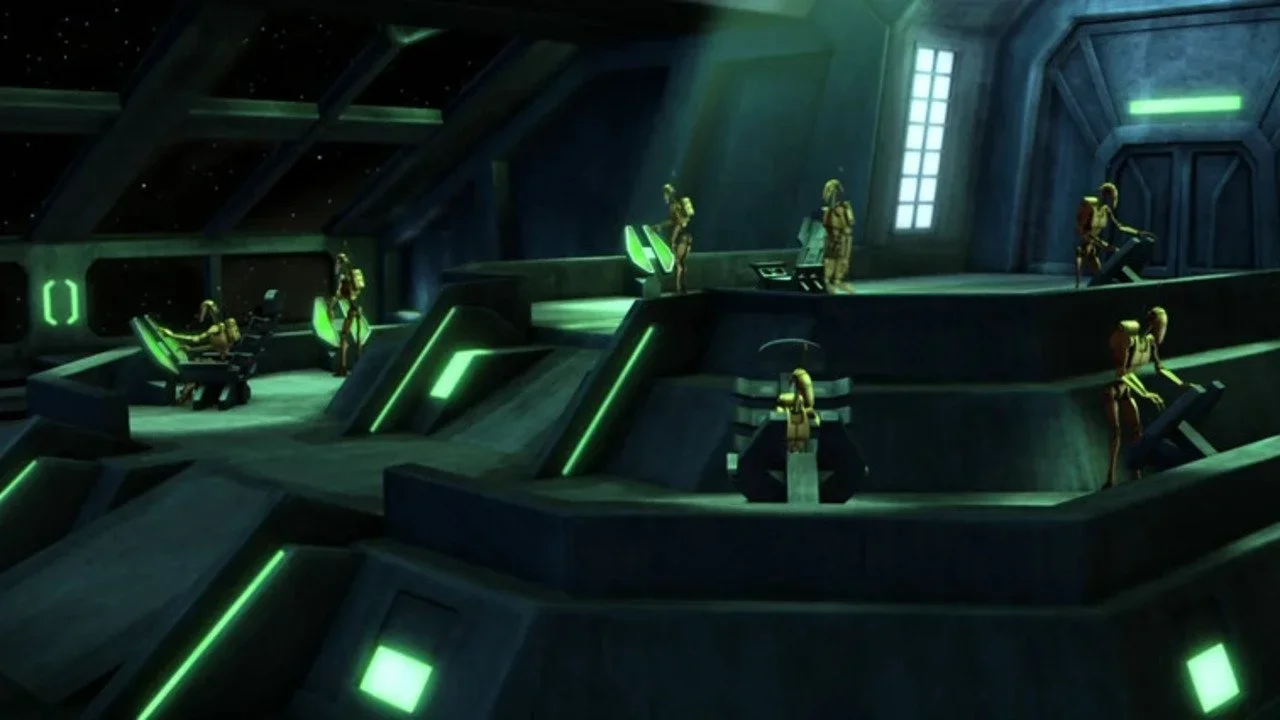
Image Source Wookieepedia
The CIS was heavily droid based, relying on millions of battle droids, from the basic B1 to the powerful Commando droid to battle the clone heavy and dynamic Republic forces. While the Confederacy prided themselves on using the droids, rather than the clones in what they (not unfairly) viewed as slavery in all but name, it came with its own problems as well.
Most of the droids were blunt hammers in how they operated, leaving little in the way of survivors or differentiating between active combatants and civilians, especially when given equally blunt orders. While they excelled in navel combat, this could become troublesome on the ground.
The CIS couldn't run on droids alone, and often used organic officers to organize the droid forces, which also came with its own problems. Many officers were overzealous in their desires to maintain their positions, or had limited command training that translated poorly when given to droids with equally limited processing power and slow adaption times. Others also had personal agendas which interfered with their orders.
On top of that, these prideful egos often resulted in catastrophe when it came to their people. Rather than listen as they pushed their inhabitants to the breaking point, many doubled down and hard, resulting in rebellion, civil wars and guerilla action (often funded or aided by the Republic), which went on to topple and weaken Confederacy holdings in the system more effectively than any siege.
READ NEXT:

Source: Wookieepedia
Latest News


Featured


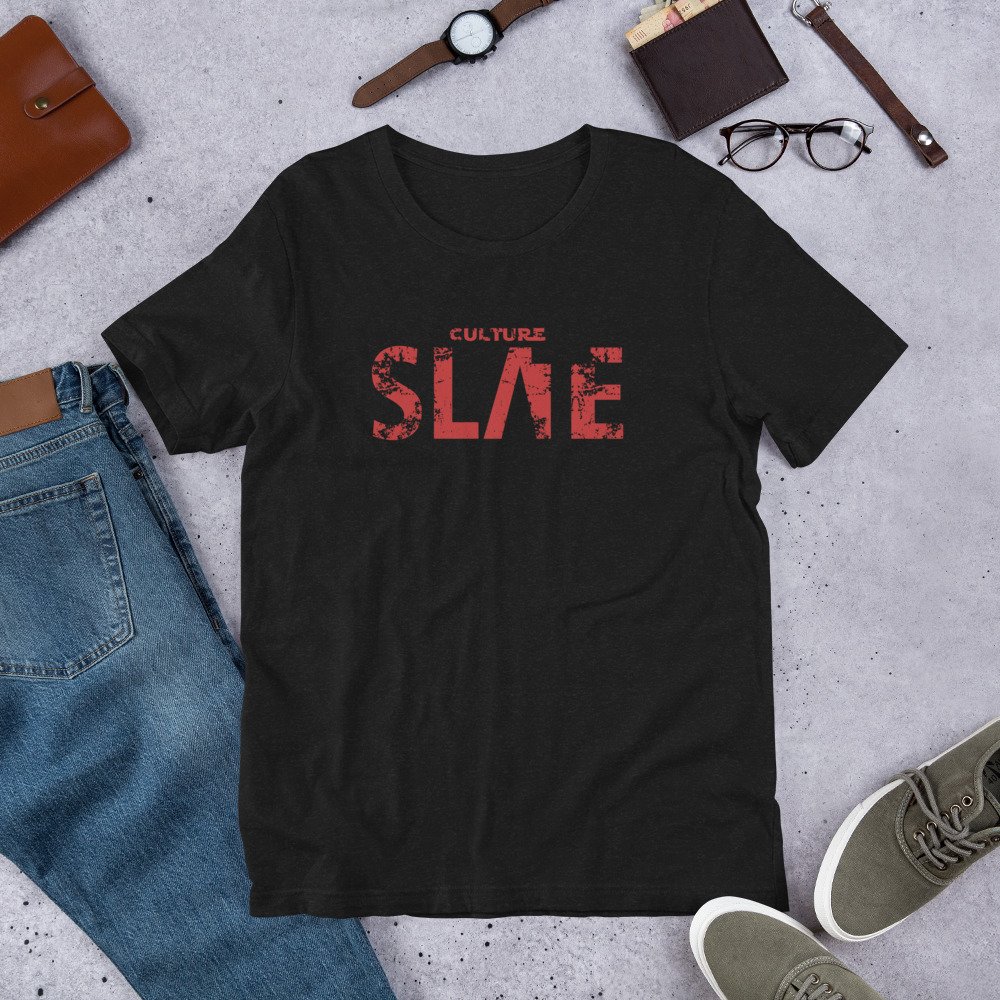


• All sizes are adult unisex
• Printed art on the front
• 100% cotton
• Pre-shrunk fabric
• Shoulder-to-shoulder taping
• Culture Slate Exclusive Design
See more products here