
How To Understand The Eras Of The 'Godzilla' Franchise
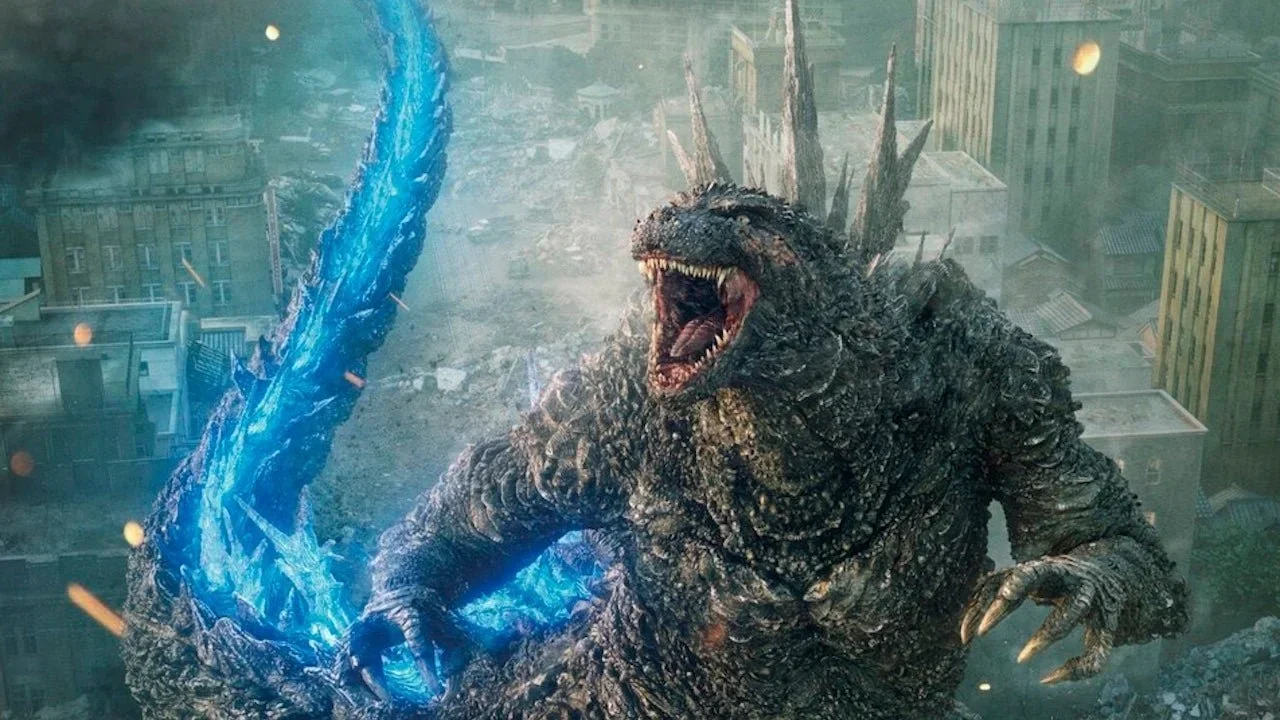
Image Source: Toho
From 1954 to the present day, Godzilla has dominated cinema screens, leaving terror and destruction in his wake. Originally created as a symbol of the atomic age, this movie monster has embarked on quite an array of adventures spanning various tones and styles. With so many films under his belt, one has to wonder how such a creature has managed to endure for so long. In this article, we’ll explore how the King of the Monsters has maintained such a long career—and especially a long timeline.
The original 1954 Godzilla, or Gojira as it was called in Japan, is a film that stands on its own while also serving as the origin point for several of the Godzilla timelines and era’s. This film marks the very first appearance of Godzilla, both in-universe and out of universe. Directed by the legendary Ishirō Honda, the movie tells a complete story, portraying both the rise and the death of Godzilla.
RELATED:
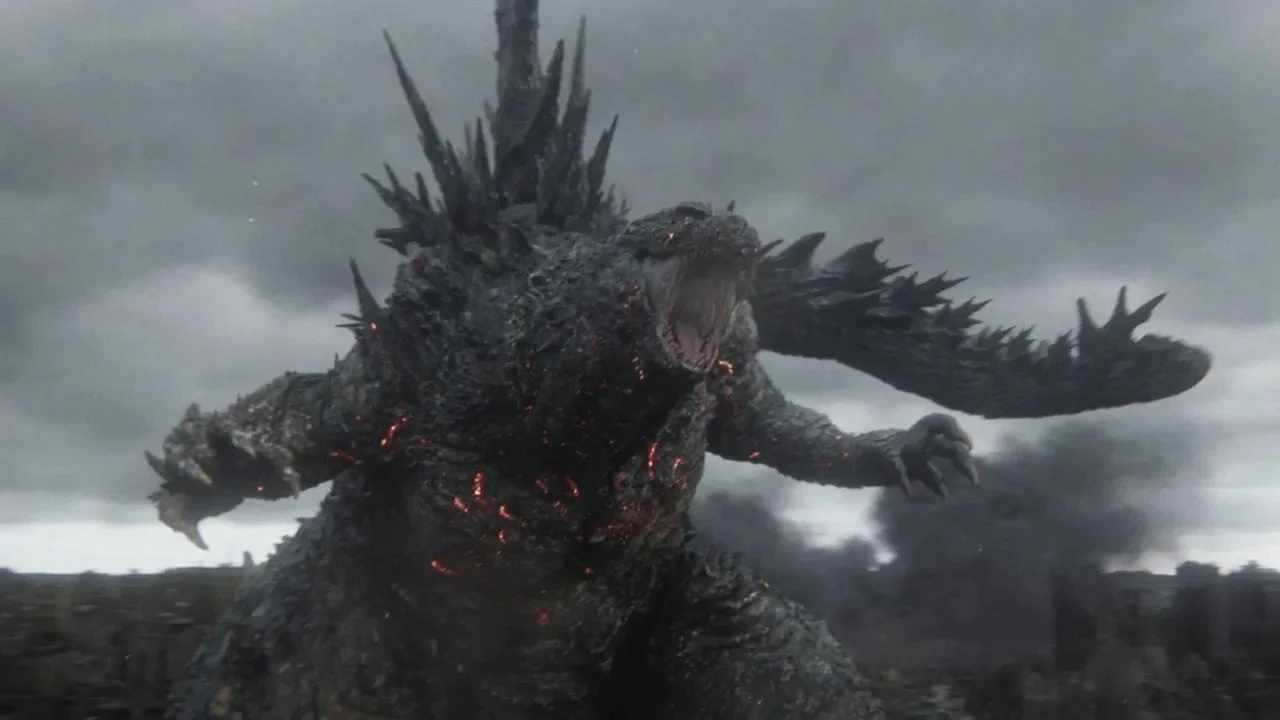
The original film ends with a clear moral about the dangers of nuclear weapons, warning that if humanity is not careful, another Godzilla may rise again. At the time, this was intended simply as a moral statement. However, the openness of the ending allowed Toho Studios to consider sequels and ultimately expand the Godzilla franchise. Thus the many timelines and era’s of the Godzilla franchise began.
The Showa Era
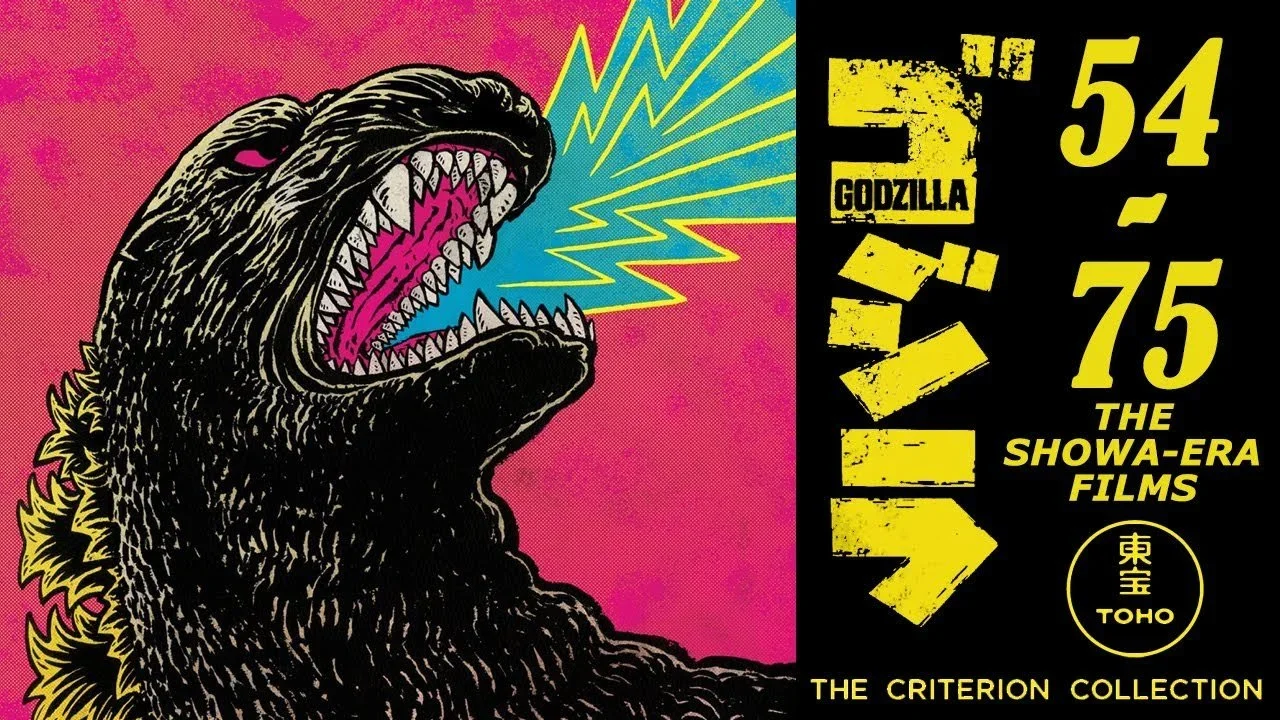
Image Source: Toho
The first major era of Godzilla, and the one that lasted the longest in the franchise, is known as the Showa Era. While it originated with the first Gojira, many consider the true start of the continuity to be Godzilla Raids Again, a direct sequel released in 1955. Unlike Gojira, which was a box office hit, Godzilla Raids Again performed modestly, and the series went on a brief hiatus until 1962, when King Kong vs. Godzilla was released. That film’s success reignited the franchise, leading to a steady stream of Godzilla movies in which he battled several classic kaiju, including Mothra, King Ghidorah, Gigan, and Mechagodzilla.
Many of the films from this era varied in tone and quality—some stuck to the original Gojira’s dark atmosphere, while others adopted a more lighthearted approach to the King of the Monsters. This was also when Godzilla began a sort of redemption arc, shifting from a force of destruction to a protector of humanity and even a friend to children.
The Showa Era consists of the following movies:
Godzilla 1954
Godzilla Raids Again
King Kong Vs Godzilla
Mothra vs Godzilla
Ghidorah the Three Headed Mosnter
Invasion of the Astro Mosnter
Ebirah Horror of the Deep
Son of Godzilla
Destroy All Mosnters
All Monsters Attack
Godzilla vs Hedorah
Godzilla vs Gigan
Godzilla vs Mechagodzilla
Terror of MechaGodzilla
All of these films are considered to share a single continuity, though it is generally regarded as a loose one that does not naturally build from film to film. A more cohesive continuity would not appear until the next era of Godzilla movies.
Heisei Era Films
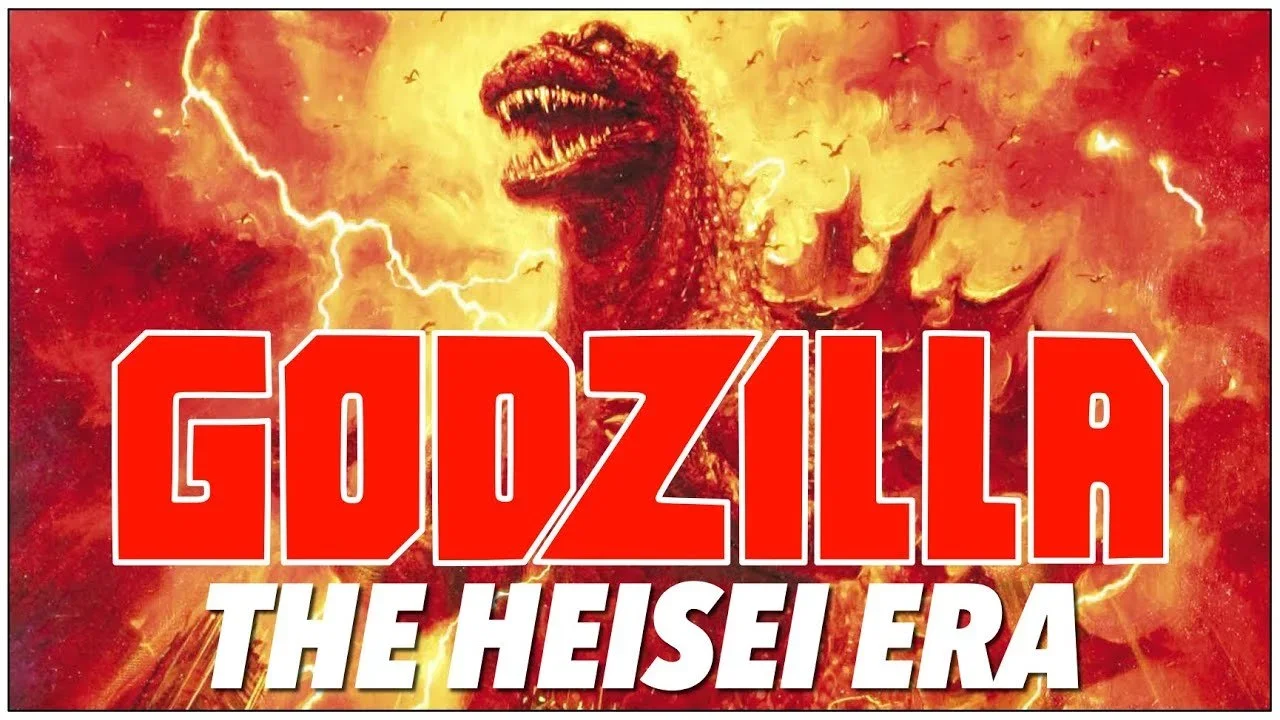
Image Source: Toho
The Godzilla Franchise had a bit of hiatus after Terror of Mechagodzilla in 1975 and did not return to the theaters until 1984 with the aptly named Return of Godzilla. This film a direct sequel to the original 1954 film began what many Godzilla fans would consider the second era and second continuity of Godzilla films simply known as the Heisei era.
The Heisei era continued to present an overall darker take on the character, though there was still plenty of sci-fi cheesiness to go around. This continuity presents an interesting arc for Godzilla, showing his evolution from a vengeful force of destruction to an anti-hero who defends the planet against darker threats—and even takes on the role of raising a son. It ultimately concludes with Godzilla vs. Destoroyah.
The following films take place in the Heisei era.
The Return of Godzilla
Godzilla vs Biollante
Godzilla vs King Ghidora
Godzilla vs Mothra
Godzilla vs Mechagodzilla II
Godzilla vs SpaceGodzilla
Godzilla vs Destoryah
Tri-Star Movie
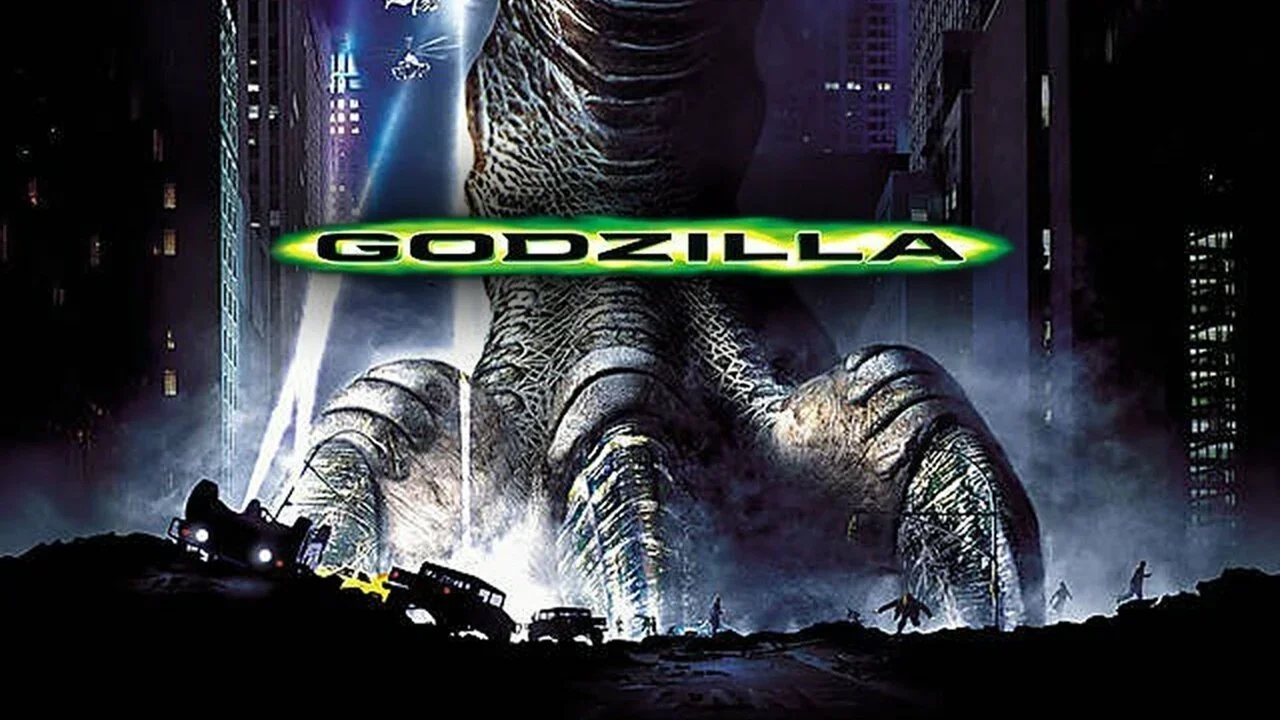
Image Source: Sony
After his “death” in Godzilla vs. Destoroyah, the rights to Godzilla were loaned to the American company TriStar to produce an American adaptation directed by Independence Day’s Roland Emmerich: Godzilla (1998). This continuity only lasted for one film, which, despite performing decently at the box office, was not well received. However, it did spawn an animated series that many fans consider, in some ways, to be more impressive than the movie itself. The film's reception though would make Toho realize that they were not done with their greatest movie star yet as they began to plan a new era of Godzilla films for the next century.
Godzilla 1998
Godzilla The Series
The Millenium Era
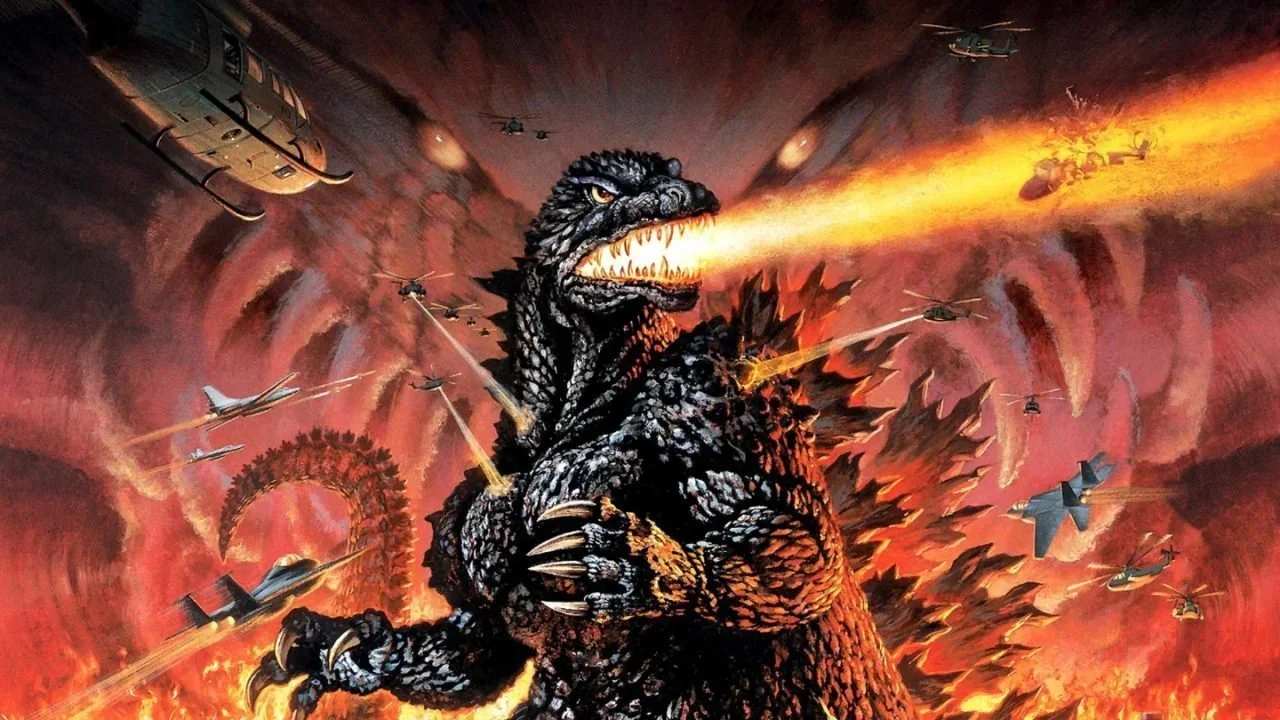
Image Source: Toho
After a brief hiatus in Japan, Godzilla returned at the start of the new century with Godzilla 2000, ironically released in 1999. This film marked the beginning of the Millennium Era. Unlike the previous two eras—where the films were interconnected within a singular continuity—the Millennium Era consisted of anthology-style films with little to no connection to each other. The only common thread was that they all served as “sequels” to the original 1954 Gojira, with the exception of Godzilla vs. Megaguirus and Godzilla: Tokyo S.O.S., the latter serving as the second part of a duology that began with Godzilla Against Mechagodzilla (also known as Godzilla vs. Mechagodzilla III).
The following films make up the Millennium Era.
Godzilla 2000
Godzilla vs Mecgaurious
Godzilla Mothra and King Ghidora, Giant Monsters All Out Attack
Godzilla Against Mechagodzilla
Godzilla Tokyo S.O.S
Godzilla Final Wars
The Monsterverse
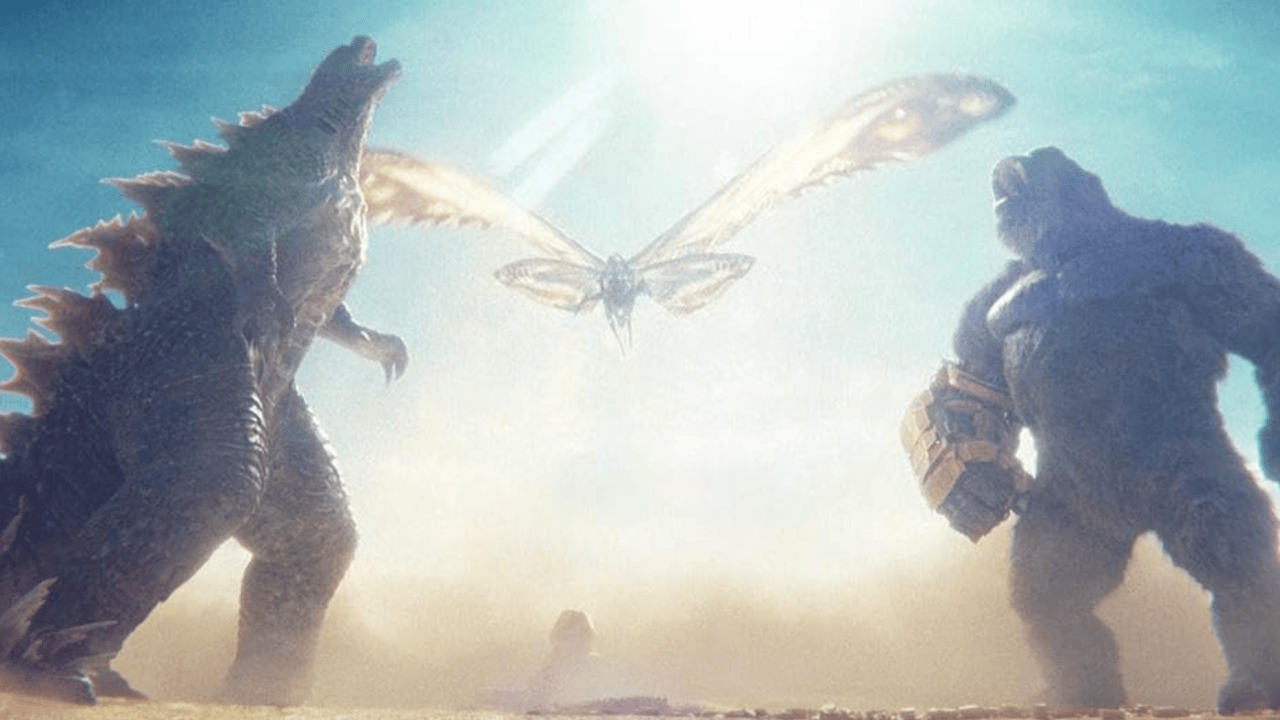
Image Source: WB
In 2014, America tried its hand again at making Godzilla films. This time, under Legendary Pictures, Godzilla was handed over to Gareth Edwards for the simply titled Godzilla (2014). This film would spark what would soon become known as the MonsterVerse.
The second film in this universe was a King Kong movie, which was already in pre-production before the MonsterVerse officially began. When Legendary acquired the rights to Kong, the character was integrated into the cinematic universe. After that film’s success, Legendary ordered a Godzilla vs. Kong movie—something that hadn’t happened in fifty years.
The MonsterVerse is still ongoing today, with another Godzilla and Kong film currently set for release in 2027.
Godzilla 2014
Kong Skull Island
Godzilla King of the Monsters
Godzilla vs Kong
Godzilla x Kong The New Empire
Reiwah Era
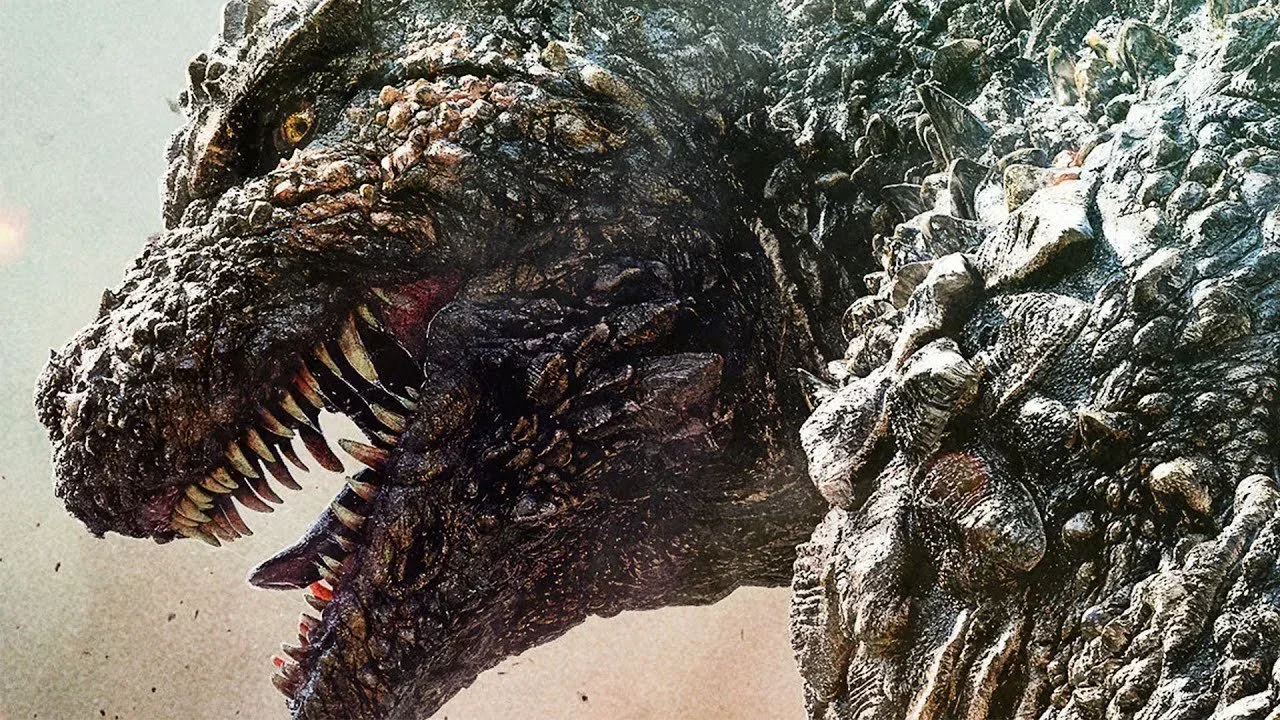
Image Source: Toho
Finally, we have the Reiwa Era, beginning with Shin Godzilla in 2016 as Japan responded to Godzilla 2014. Though not seen as a rival, the success of that movie did let Toho Studios know that the King of the Monsters was ready for more theatrical releases.
During this era of Godzilla movies, the big G himself has gone through a significant experimental phase, not only having several appearances in animation but also changing what he is at some points—from a mutated planet to an interdimensional being at times. However, the latest film in this era so far, Godzilla Minus One, has taken Godzilla back to his roots as not only a dinosaur but also a metaphor for the nuclear age and post-war Japan. Minus One is now considered to be one of the best in the franchise, gaining critical acclaim both at home and abroad in the West.
Shin Gozilla
Godzilla Planet of Monsters
Godzilla City on the Edge of Battles
Godzilla The Planet Eater
Godzilla Minus One
King of Cinema Monsters
Godzilla has been a movie monster icon for the last seventy years of the history of cinema. He has had many years of films, each one a little different from the one previously. Yet throughout it all he’s been giving audiences joy and terror on the big screen. Truly Godzilla is and always will be the King of the Monsters.
READ NEXT:
Latest News
Featured



• All sizes are adult unisex
• Printed art on the front
• 100% cotton
• Pre-shrunk fabric
• Shoulder-to-shoulder taping
• Culture Slate Exclusive Design
See more products here