
Is Marvel Fatigue Over?

Image Source: The Direct
The Marvel Cinematic Universe has transformed blockbuster filmmaking, but as the Multiverse Saga unfolds, a key question emerges: is "superhero fatigue" a real threat, or is the MCU simply facing a changing audience landscape? Recent critical and commercial performances suggest that while the days of guaranteed box office triumphs may be over, the franchise can still thrive if it adapts to a new set of expectations from a discerning audience.
A post-Avengers: Endgame MCU has struggled to recapture its former glory, with a series of recent phases marked by critical and commercial failures. The overwhelming oversaturation of content across both films and television shows has left many audiences feeling exhausted, as keeping up with the sprawling narrative has begun to feel less like entertainment and more like homework.
RELATED:
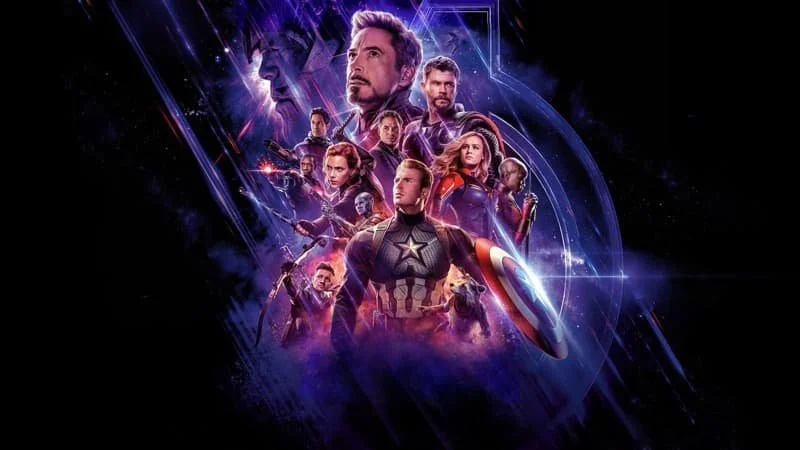
Image Source: Deviant Art
The year 2025 put the MCU’s core appeal to the test, highlighting that declining box office results do not necessarily signal the end of audience interest. While Captain America: Brave New World underperformed theatrically, earning poor reviews and box office returns, it rebounded strongly on streaming. This split in performance indicates that audience loyalty to the characters and stories endures, even if it is expressed in new formats. Similarly, Thunderbolts* reinforced the argument that projects can underperform in one area while succeeding in another.
The film, despite receiving critical acclaim for its more grounded and simplistic story about humanity and connection, lacked marquee characters and suffered at the box office. This split between positive reviews and modest revenue reveals that audiences might be yearning for fewer, more essential films, and shows that Marvel must make projects feel worthwhile without relying only on lore or star power. As Thunderbolts* was released recently on streaming, it remains to be seen if audiences will respond to it with the same enthusiasm they showed for Captain America.
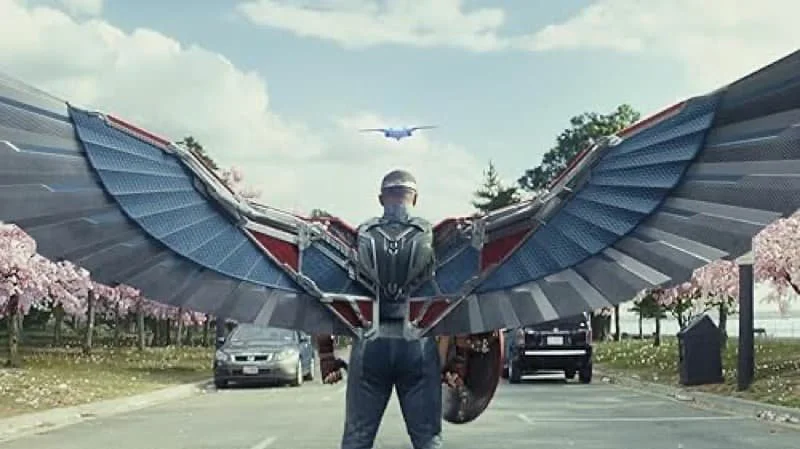
Image Source: IMDb
In contrast, The Fantastic Four: First Steps arrived with a $200 million budget and a star-studded cast, positioned as a major comeback for the franchise's "first family." The film was the first MCU project of 2025 to cross the $500 million global milestone, and its positive critical reception helped to build a solid foundation. However, its international performance was weaker than expected, and its total box office haul of just over $508 million, while a milestone, still puts it in the lower half of all-time MCU films. This suggests that while a major property can still attract audiences, the days of guaranteed $1 billion+ box office returns may be over.
This installment of The Fantastic Four also embraced a unique retro-futurism aesthetic and strong family values. The portrayal of a superhero team that gets along and displays unity in a trying reality, unlike tropes of superhero teams that are unwillingly put together, such as the Thunderbolts, resonated with viewers. In a world where the Fantastic Four appear to be the only known superheroes, the film combines the roles of celebrity, superhero, and politician, embodying a sense of American exceptionalism and optimism in an increasingly cynical political climate.
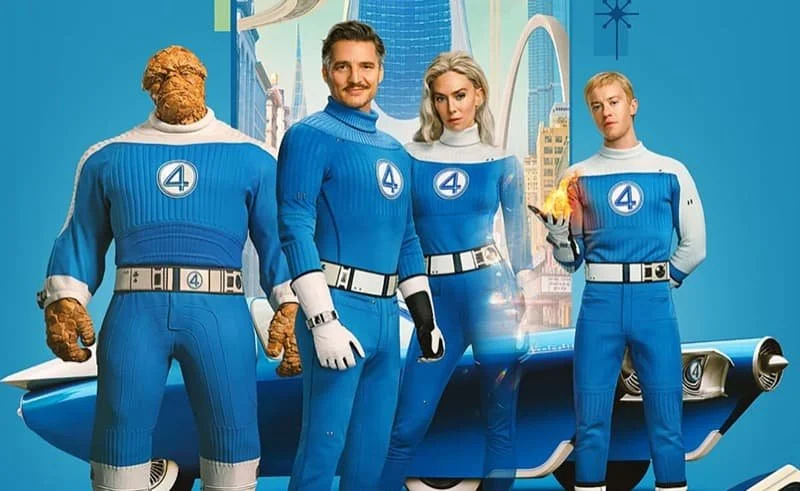
Image Source: The Playlist
Continuing this theme, DC’s recent successes also suggest that superhero fatigue is not a simple, monolithic issue. Superman, with a budget of $225 million, grossed a healthy $621.6 million at the box office. Though unlike The Fantastic Four, Superman has inherently political themes and even features a ‘cancellation’ of Superman himself by Lex Luthor and his band of social media monkey trolls.
Yet, its success still proves that audiences are willing to show up for quality. This positive momentum continued with the reception of Peacemaker Season 2. The series, an example of DC in an era of less content but higher quality, earned a strong critical reception and saw a significant increase in viewership from its first season. Both of these projects show that audiences are still hungry for well-written, engaging superhero stories.
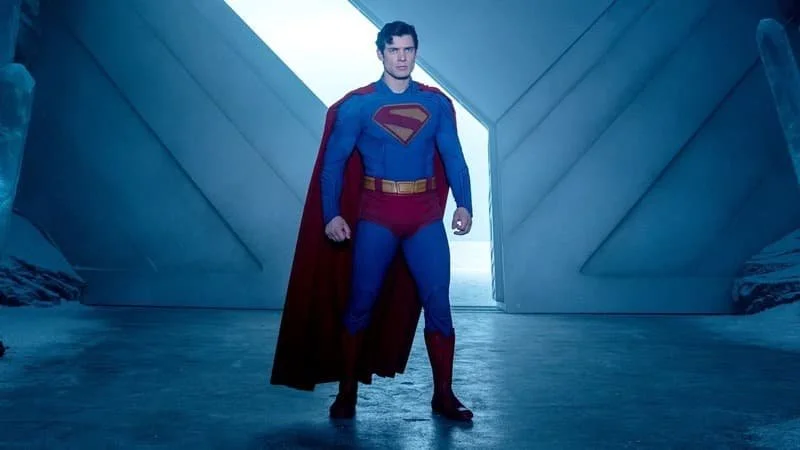
Image Source: BBC
In the midst of this shifting landscape, the conversation is already turning to future projects like the upcoming Avengers: Doomsday. The biggest news from the film's production is the controversial return of Robert Downey Jr. to the MCU, but not as Iron Man; he has been cast as Doctor Doom, a move that has divided fans but seems to have created significant buzz. With Avengers: Doomsday not set to be released until late 2026, the franchise still has time to course-correct. The data from 2025 suggests that audiences are not suffering from fatigue so much as a lack of compelling, standalone reasons to head to the theatres. The MCU must now focus on delivering quality over quantity and earning back the trust of a discerning audience.
READ NEXT:

Source: CBR, The Numbers, The Numbers

Latest News


Featured






• All sizes are adult unisex
• Printed art on the front
• 100% cotton
• Pre-shrunk fabric
• Shoulder-to-shoulder taping
• Culture Slate Exclusive Design
See more products here