
The True Stories Behind ‘The Conjuring’ Films
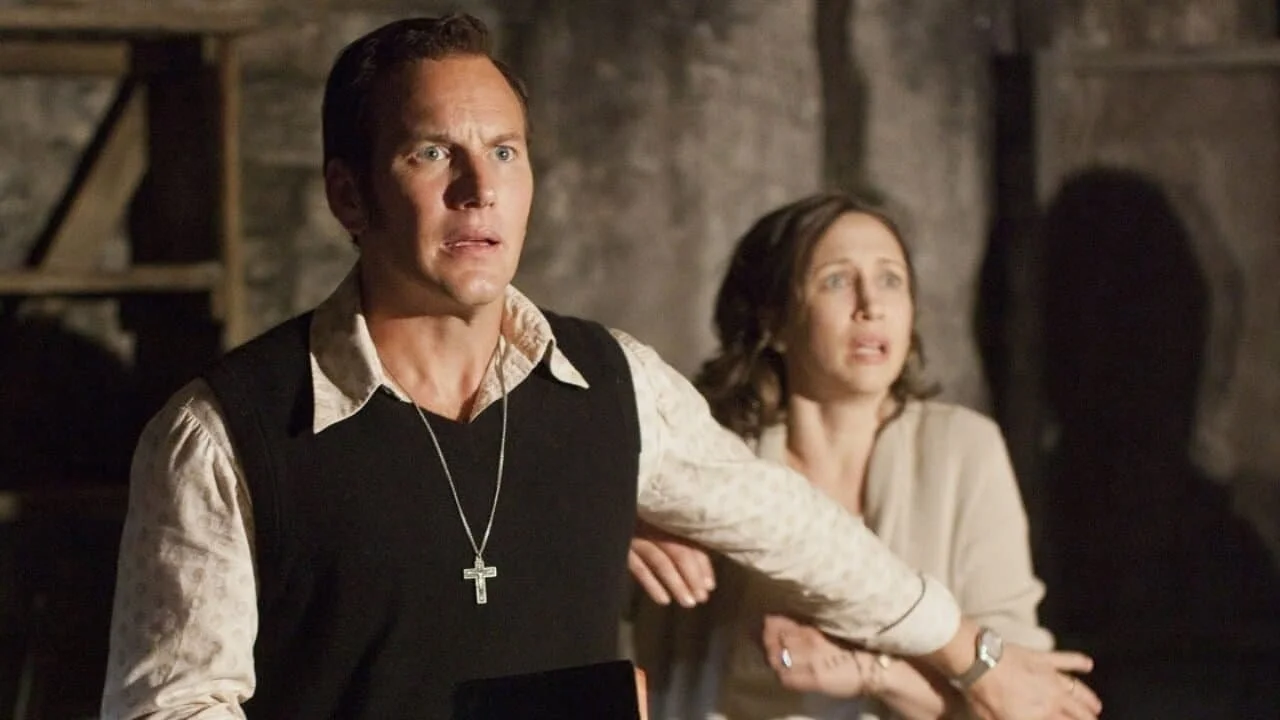
Image Source: JoBlo
The chilling power of The Conjuring franchise lies in its claim to be rooted in reality. While many horror stories draw inspiration from real-world anxieties, this cinematic universe is uniquely anchored in the purported case files of a real, yet controversial couple: paranormal investigators Ed and Lorraine Warren. Portrayed on screen with by Patrick Wilson and Vera Farmiga, the Warrens spent decades of the latter half of the 20th century investigating claims of spectral and demonic activity, presenting themselves as a unique bridge between the tangible world and the realm of the unknown.
Born from the work of these controversial figures, the franchise has grown from a single, critically acclaimed film into one of the most successful cinematic universes outside of the superhero genre. As The Hollywood Reporter observed in 2022, "Besides the Marvel Cinematic Universe, an argument can be made that the Conjuring franchise is the second-most successful cinematic universe at the moment." This massive commercial success, built on a foundation of supposed true-life horrors, includes a core trilogy and numerous highly lucrative spin-offs.
The full franchise of films comprises of: The Conjuring (2013), Annabelle (2014), The Conjuring 2 (2016), Annabelle: Creation (2017), The Nun (2018), Annabelle Comes Home (2019), The Conjuring: The Devil Made Me Do It (2021), The Nun II (2023) and the capstone film, The Conjuring: Last Rites (2025). Series creator and director, James Wan established the blueprint that the main Conjuring films would be based on the dramatised, true-life experiences of the Warrens, while the spin-offs were designed to "just explore different sub-genres in the horror genre."
The original 2013 film, The Conjuring, immediately established the franchise's credibility and financial might, grossing a massive $319 million globally against a modest $20 million budget. It was a critical and commercial hit, setting the stage for the next nine films and cementing the terror of the franchise.
RELATED:

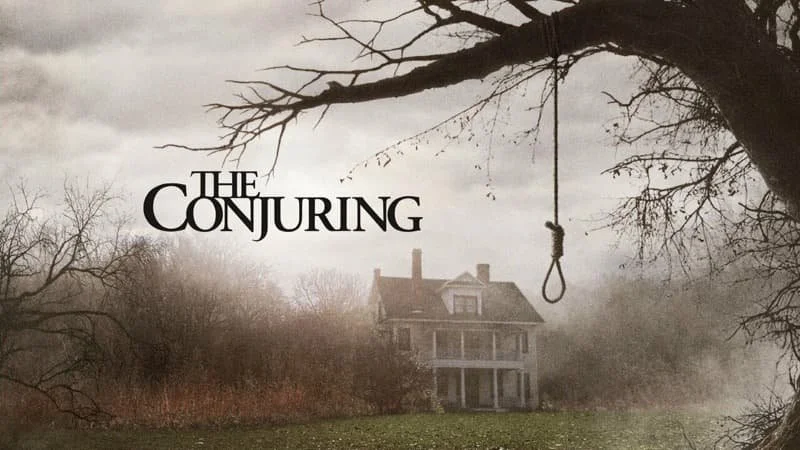
Image Source: TV Insider
The film plunges into one of the Warrens’ most famous cases: the haunting of the Perron family in Rhode Island, 1971. Roger and Caroline Perron, along with their five daughters—April, Cindy, Christine, Nancy and Andrea—moved into a their new house, only to be immediately confronted by an atmosphere of mounting dread. The unsettling began subtly. Allegedly, after a neighbour warned, "For the sake of your family, leave the lights on at night," the family dismissed this, despite the strange occurrences of objects moving on their own and inhuman noises rattling through their old house.
The children, however, were reportedly often the first and most receptive to the spectral residents. The younger daughters, in particular, are reported to initially view the entities as harmless, even describing them as "babysitters" who would innocently watch over each child and even tuck them into bed. One daughter even recollected that a ghostly figure that would kiss her on the forehead every night, which she initially believed was her mother.

Image Source: Flicks
However, these innocence presumptions faded as the family reported physical assault by invisible forces in a barn.
Despite the escalating horror, the Perrons attempted to coexist with the paranormal forces. This was, until the focus of the haunt became clear. Through research, the family came to believe their tormentor was Bathsheba Thayer, a powerful matriarch who had lived in the house in the 19th century and was rumoured to have been a witch. The Perrons hypothesized that Thayer, saw the mother, Caroline Perron, as a threat to her lingering matriarchal dominance over the home.
Thayer's attacks grew, escalating from pinching and light poking to a full-blown possession of Caroline. This possession caused both intense physical and psychological harm to Caroline and traumatised the entire family.
It was this extreme case that led the Warrens to the Perrons’ door after the investigators gave a talk in Connecticut. Upon entering the home, Lorraine Warren claimed to immediately sense a dark presence. Her subsequent attempts, with her husband Ed, to cleanse the home and conduct a séance marked the beginning of their long involvement. While the Perrons claimed to have continued experiencing Thayer’s presence, the Warrens maintained a close relationship with the family for the next decade. The real-life Perron haunting remains, arguably, the most terrifying and emotionally complex of all the cases the franchise has tackled.
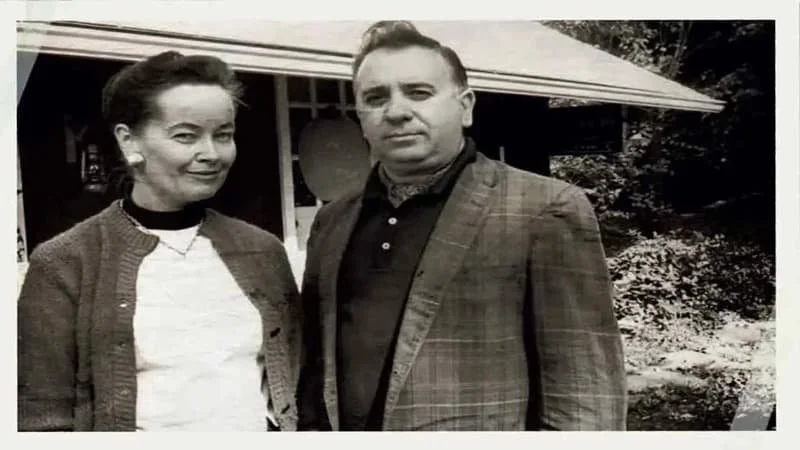
Image Source: Wicked Horror
No discussion of The Conjuring franchise is complete without mentioning its most famous demonic artifact: Annabelle. While the spin-off films featuring the doll, such as 2014’s Annabelle, often received less favourable critical reviews than the main Conjuring entries, their financial success was undeniable. Annabelle itself was a massive financial hit, bringing in $257 million on a minuscule budget of only $6 million, successfully launching a sub-franchise that includes Annabelle: Creation and Annabelle Comes Home.
In the films, the doll is an unsettling, ceramic figure with a malevolent glare. In reality, the true Annabelle was a simple, far less visually menacing Raggedy Ann doll. This doll belonged to Donna, a 28-year-old student nurse who came to believe the doll was possessed by the spirit of a deceased child named Annabelle Higgins.

Image Source: Fright Find
When the case reached the Warrens, they declared the doll to be demonically possessed, not by a child's ghost, but by an inhuman spirit that used the doll as a conduit. The paranormal activity linked to the doll included frightening claims that it was responsible for drawing blood from its victims, causing a priest’s car to crash into a tree and even stabbing a homicide detective.
In the cinematic universe, Annabelle is an omnipotent figure, often seen lurking in the background of the Warrens’ Occult Museum, a constant presence symbolizing the pervasive nature of evil. To create a more threatening presence and to avoid trademark issues with the Raggedy Ann brand, the doll was redesigned for the films into its iconic, horrific ceramic form. As of a recent turn of events in August 2025, the actual doll, and the Warrens’ Occult Museum, has reportedly entered the legal possession of comedian Matt Rife, who purchased the property for a five-year period.
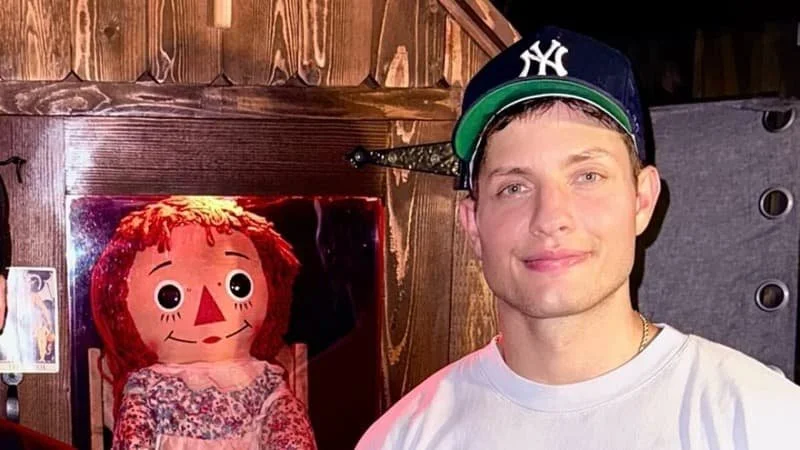
Image Source: ABD Post
The most recent and final main entry into the core series, The Conjuring: Last Rites, arrived in early September of this year, marking the emotional send-off for Patrick Wilson and Vera Farmiga as Ed and Lorraine Warren. Despite projections of an opening weekend of only $35 million, the film exceeded all expectations, opening with a massive $84 million domestically, a testament to the enduring appeal and box-office clout of the franchise.
The Conjuring: Last Rites is based on the Warrens' investigation into the infamous Smurl haunting case. The case focused on Jack and Janet Smurl, who moved with their four daughters—Dawn, Heather, and twins Sharon and Karen—into a new house in West Pittston, Pennsylvania, in 1973. The family, having left their previous home due to flooding, quickly claimed their new residence was haunted by an extremely powerful paranormal entity, which they referred to as a demon.
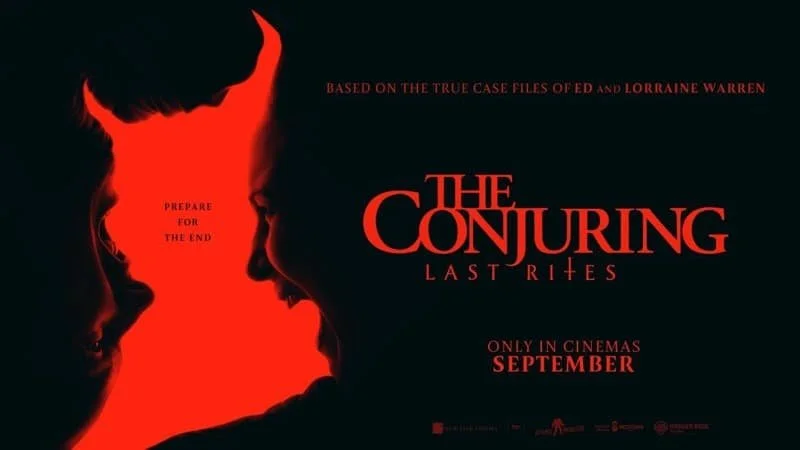
Image Source: NuMetro
The initial manifestations were subtle but pervasive: strange stains appearing on furniture, radios turning on and off by themselves, and items disappearing. However, the entity’s presence soon grew more aggressive, causing mental and physical distress to the family members and their dog. Neighbours even reported hearing bloodcurdling screams emanating from the house when no one was home. Prior to the Smurls' arrival, the house had suffered extensive damage from a major fire and flood, a common precursor to claims of severe haunting.
When the Warrens were called in to investigate, they quickly identified the entity as an exceptionally potent demon, capable of violently shaking mirrors and furniture. The presence was so strong that Ed Warren claimed to have audiotapes capturing the audible, clear presence of the paranormal entity. The intense true story of the Smurl family was also the basis for the 1991 made-for-TV haunted house film, The Haunted.
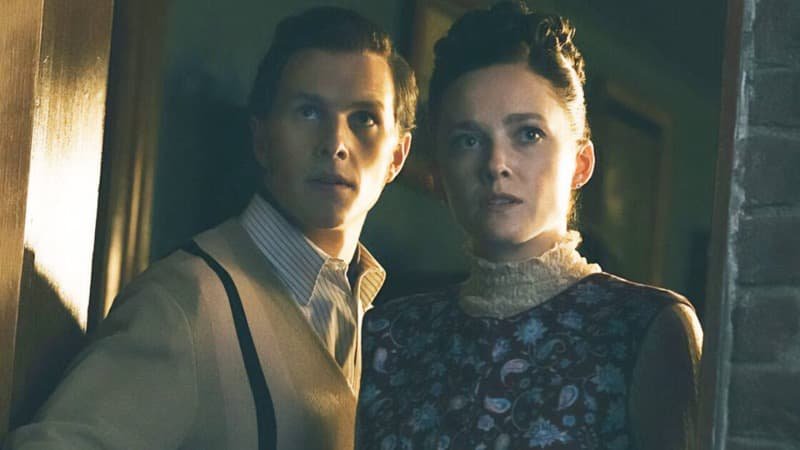
Image Source: JoBlo
From the terrifying matriarchal witch in Rhode Island to the deceptively simple Raggedy Ann doll and the powerful demon in Pennsylvania, The Conjuring franchise has tapped into a primal fear: the idea that the horrors depicted on screen have actually happened to real people. This narrative foundation, built on the polarizing yet compelling case files of Ed and Lorraine Warren, is the secret to its success.
By grounding its most spectacular terrors in claims of the mundane, a family moving into a new home, a nurse receiving a doll as a gift, a family recovering from a flood, the franchise transforms familiar domestic settings into crucibles of demonic terror. As the Warrens take their final bow, the legacy of their dramatised work leaves behind a sprawling universe of fear, one that has effectively leveraged the chilling power of "The True Story" to become a horror titan for the modern age.
READ NEXT:


Latest News

Featured


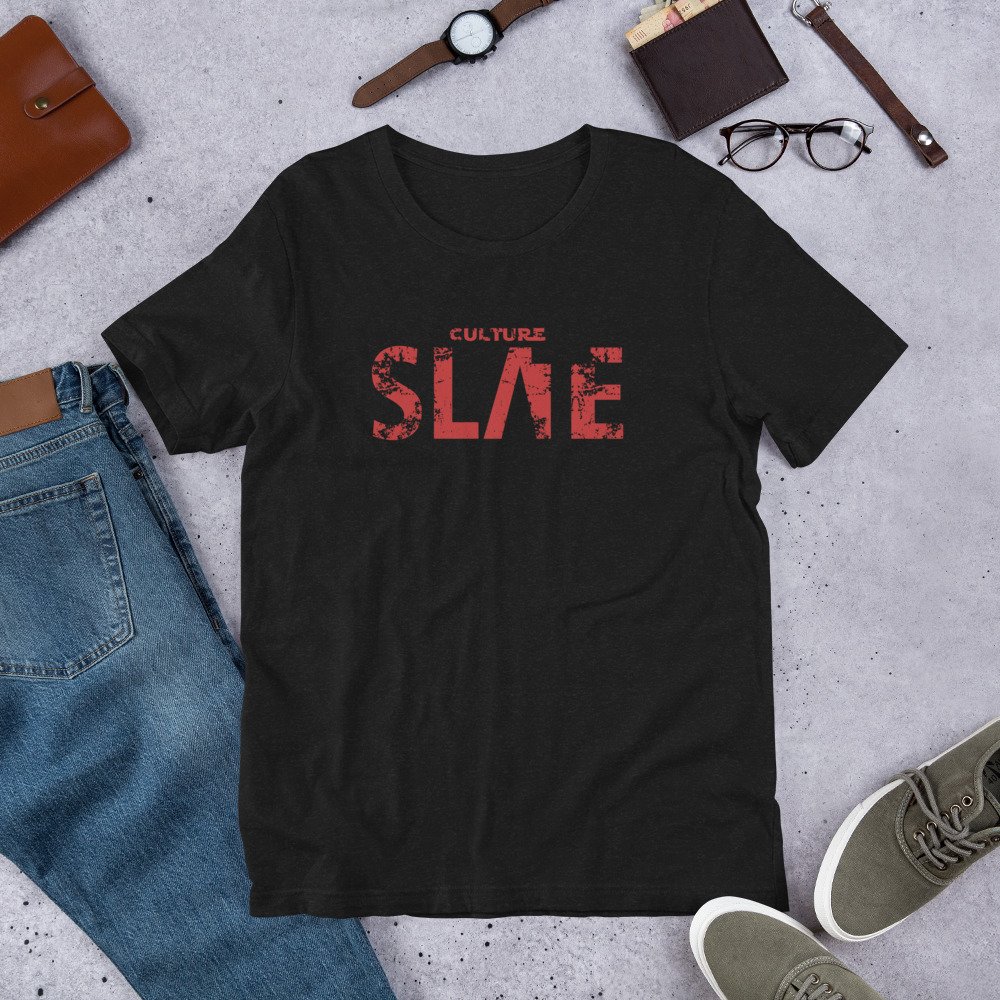


• All sizes are adult unisex
• Printed art on the front
• 100% cotton
• Pre-shrunk fabric
• Shoulder-to-shoulder taping
• Culture Slate Exclusive Design
See more products here