
A Guide To The Jedi Code
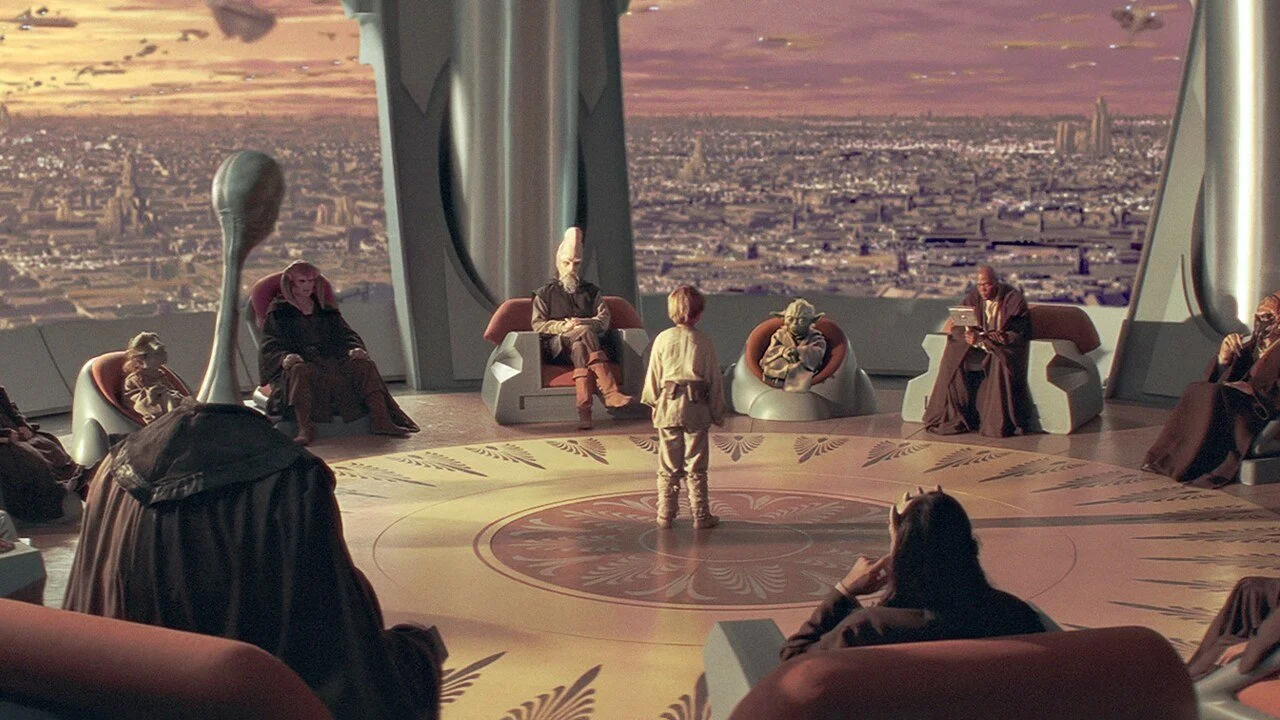
Image Source: StarWars.com
Being a Jedi would not be an easy task. You would be taken as a baby and raised by the Order, then advance through the ranks to hopefully become a Jedi Master. It’s not all sunshine and rainbows, considering the Jedi Code, which is the set of rules you must follow. The rules do make sense, considering the Jedi are the protectors of the Republic. These rules aren’t just arbitrary, but are a very strict code that the Jedi learn from a young age, and keep following for the rest of their lives (well, at least most of them). While we’ve heard about the Jedi Code, what exactly does it all entail?
The mantra of the code is simple:
There is no emotion; there is peace.
There is no ignorance; there is knowledge.
There is no passion; there is serenity.
There is no chaos; there is harmony.
There is no death; there is the Force.
RELATED:

There is also a simpler version of this Code that the Jedi Younglings would recite during their Initiate Trials. It was also spoken by Depa Billaba after she woke up from her six-month coma. If we go back even further, there is another version of the Code, which is considered outdated; this code made a note of how Jedi only acted for their knowledge and enlightenment, instead of looking for selfish desires like personal power or profit.

Image Source: Entertainment Weekly
Some of the tenets of the Code included forbidding Jedi from killing unarmed opponents, as well as seeking revenge. It also taught its followers not to give in to feelings of anger or resentment towards other lifeforms, as this could lead to the Dark Side. It also dictates that the Jedi Knights and Jedi Masters cannot train more than one Padawan at a time.
One of the biggest tenets of the code was the idea of attachment. Attachment was strictly forbidden. Grand Master Yoda thought the attachments led to greed, jealousy, and the fear of loss, which are all paths to the Dark Side. Ahsoka Tano shared Yoda’s views on attachment, and this was the reason why she rejected training Grogu: his attachment to Din Djarin. However, not all Jedi felt this way, as we saw with Anakin Skywalker.
Anakin fell in love with Padmé, and the two of them had to hide their relationship. Ultimately, his fear of losing Padme led to his descent to the Dark Side. A Jedi could experience romantic feelings, but they were taught to control them and not act on them. The Code did emphasize compassion as an essential aspect of their way of life, and they were taught that all lives were precious.
Another tenet of the Code was accepting death. They took comfort in death, knowing that once they died, they would become part of the Cosmic Force. This helped them see death as a natural part of life, and while they could still be sad about it, they were taught to remember that one day they would all pass on. They were also taught to rejoice and celebrate those around them who have become one with the Force, instead of missing and grieving for them, as this could lead to the Dark Side.

Image Source: Rebel Legion
Even though the Code was essential to being a Jedi, not everyone followed it completely. Qui Gon Jinn followed the will of the Force instead of the Jedi Code. This put him at odds with the members of the Jedi High Council, and even his Padawan, Obi-Wan Kenobi. It wasn’t a perfect system, but it gave the Order balance and stability. It reminded the Jedi who they are, and what they stand for.
READ NEXT:


Source: Wookieepedia
Latest News


Featured






• All sizes are adult unisex
• Printed art on the front
• 100% cotton
• Pre-shrunk fabric
• Shoulder-to-shoulder taping
• Culture Slate Exclusive Design
See more products here