
The Difference Between 'Star Trek' and 'Nu-Trek'
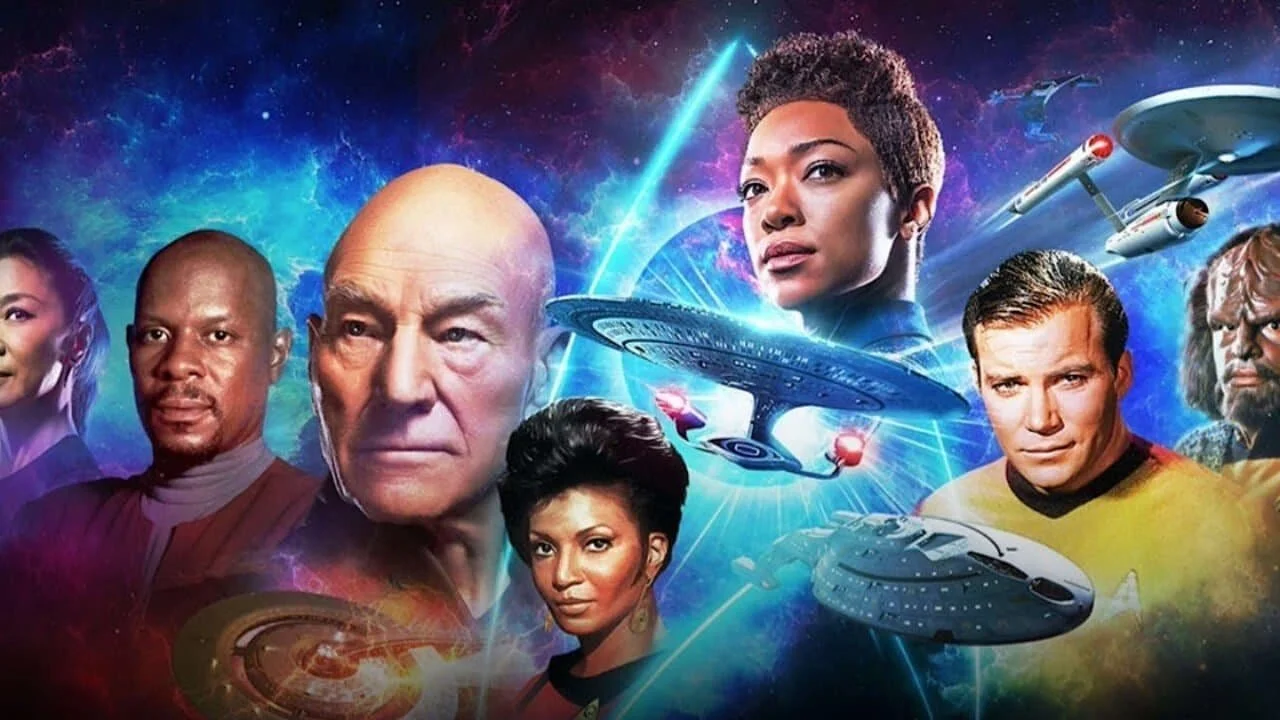
Image Source: JoBlo
Star Trek started in 1966 with Gene Roddenberry’s series Star Trek. It wasn’t considered a success at the time and was cancelled after its third season. However, it spawned a rabid fanbase. Thanks to that fanbase, it was revived in the form of five additional series and ten movies. The classic period of Star Trek, what the rest of this piece will refer to as Star Trek, came to an end in 2005 with the cancellation of Enterprise.
Nu-Trek started in 2009 with the release of JJ Abrams’ reboot movie Star Trek. It was a hit, sparking two more theatrical releases. Then, in 2017, Paramount+ (which was CBS All Access at the time) brought Trek back to the small screen with Star Trek: Discovery. Five more shows have followed, plus a made-for-TV movie, with at least one more series forthcoming.
It should be stated that Nu-Trek is not meant as a pejorative. Star Trek had its ups and downs. The odd-numbered movies, the animated series, and the first two seasons of Star Trek: The Next Generation are often considered low points. Likewise, Nu-Trek has had ups and downs with Star Trek: Prodigy, Star Trek: Lower Decks, and Star Trek: Strange New Worlds being well-received even among old-school Trekkies. There are significant differences between Star Trek and Nu-Trek, though, making the distinction useful.
In large part, the differences between Star Trek and Nu-Trek are caused by the two having different intended audiences. Yes, Roddenberry would have loved a huge general audience for his post-scarcity utopian sci-fi storytelling. But that was never going to happen. It was always going to be a niche show for people who shared its progressive ideals. The Star Treks that followed the original series kept the formula to keep that audience. Nu-Trek, on the other hand, went out of its way to try to capture a large general audience. To do so, they needed to change the formula.
RELATED

Image Source: IGN
One of the most obvious differences is in visual style. Nu-Trek is very slick. Star Trek is anything but. In a lot of ways, going for a general audience stifles creativity. As a result, Nu-Trek looks a lot like all the other sci-fi/action shows and movies out there. Star Trek, however, has always been distinctive. It never copied another franchise’s visual style. Even with a shoestring budget, with props clearly made from cardboard, Star Trek always looked like Star Trek.
The two periods use different narrative structures as well. Star Trek tended to be episodic while Nu-Trek is serialized. This is a bit funny, though, because Deep Space 9, Voyager, and Enterprise, all Star Trek, all experimented with serialized narratives. It could be argued that they paved the way for the modern era of serialization. But even at their most serialized, there was always a story central to each single episode. That is rarely the case with Nu-Trek.
Nu-Trek is much more reliant on action than Star Trek. Many of the most intense scenes in Star Trek are all dialogue. “In the Pale Moonlight”, one of the most famous and dramatic episodes of Deep Space 9, is done entirely as a captain’s log. All the action happens off-screen. Nu-Trek has a lot more fights, battles, and explosions. Characters die on a fairly regular basis. It’s their way of keeping the stakes high.
Finally, the philosophical tone of Star Trek and Nu-Trek is different. Things are sunnier in Star Trek. They are grittier in Nu-Trek. Star Trek leans into its post-scarcity utopia. Nu-Trek basically ignores it. There’s a lot more conflict in Nu-Trek. Not just with aggressive aliens, but within the crews of the ships.
As mentioned before, all of these differences can be explained by the different viewers that Nu-Trek is trying to get. It’s almost like JJ Abrams and Alex Kurtzman (the “overseer” of the Paramount+ Star Treks) figure the old school Star Trek fans will come along no matter what, so they were comfortable changing major aspects of Trek. Whether that’s true or not is an open question. What is definitely true, though, is that Star Trek and Nu-Trek need to be enjoyed in very different ways. Star Trek rewards reflection. Nu-Trek wants you to strap in, turn your brain off, and enjoy the ride.
READ NEXT:
Sources: Memory Alpha, IMDb
Latest News
Featured







• All sizes are adult unisex
• Printed art on the front
• 100% cotton
• Pre-shrunk fabric
• Shoulder-to-shoulder taping
• Culture Slate Exclusive Design
See more products here