
The Nintendo Switch 2's Push For Accessibility Features
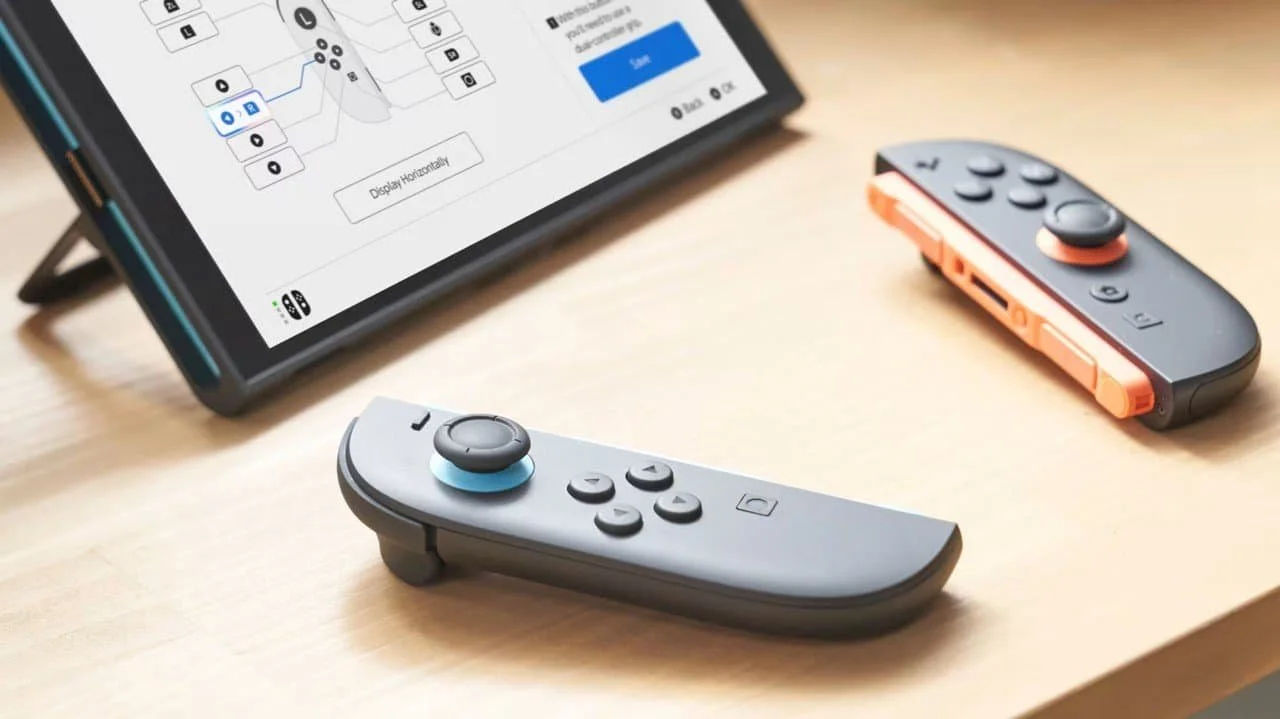
Image Source: Nintendo
The Nintendo Switch 2 is a marked improvement over the original in many ways. While its price drew its fair share of raised eyebrows, it’s now clear that it’s a considerable jump over the last generation. One of the more easily overlooked advances is the Switch 2’s accessibility features.
Nintendo has a reputation as a family-friendly company, but it hasn’t always catered to as diverse an audience as some other platforms. The Switch 2 is a welcome change to that trend, thanks to several accessibility settings and upgrades.
Visual Accessibility
Image Source: Nintendo
The Nintendo Switch 2’s accessibility shines the most in its visual options. While the original Switch had just one accessible vision setting — screen zoom — the Switch 2 has five.
Screen zoom is back if you have trouble seeing small details and want a closer look. However, if words are the only thing you find challenging to see, Nintendo now offers adjustable text sizes. You can also bold menu text or enable high contrast to make things easier to see, especially if there’s a lot of glare on the screen.
RELATED:
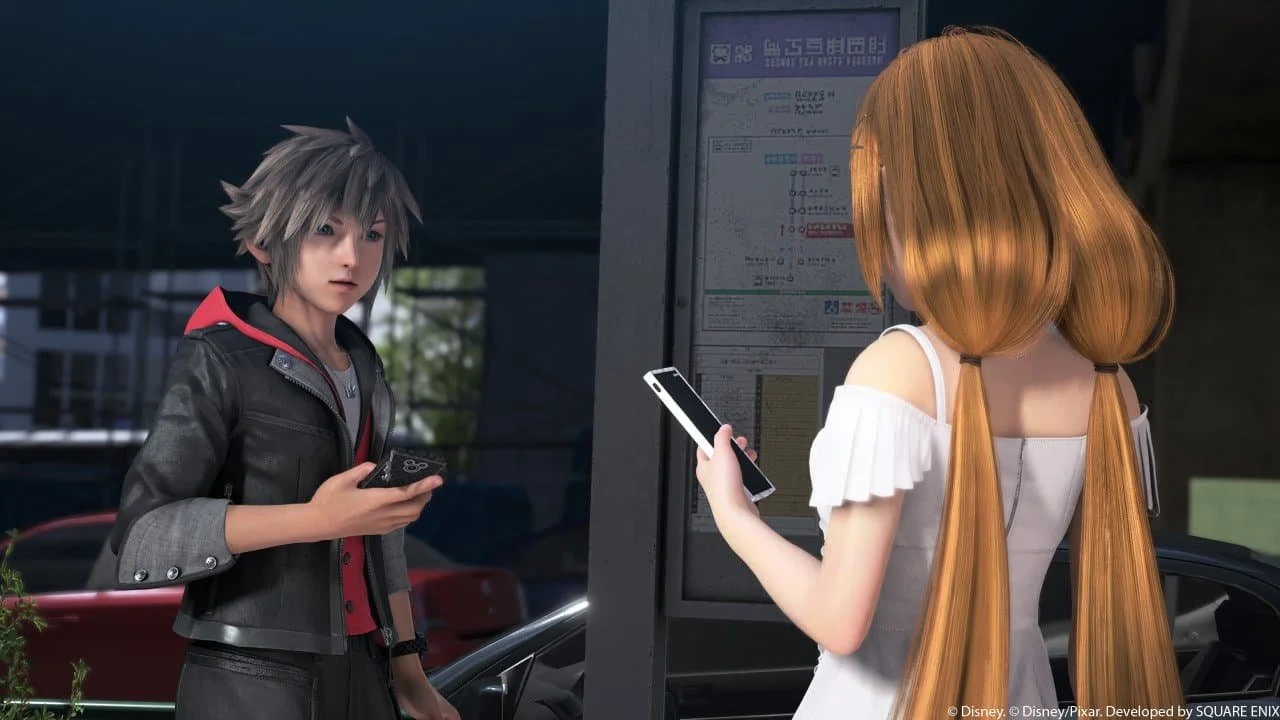
The fourth visual accessibility option is arguably its biggest change. Nintendo brought a text-to-speech reader to the Switch 2, including multiple voices, reading speeds, and volume levels. This change makes using the console far easier for a much larger audience, including the 2.2 billion people worldwide with vision impairments.
Control Accessibility
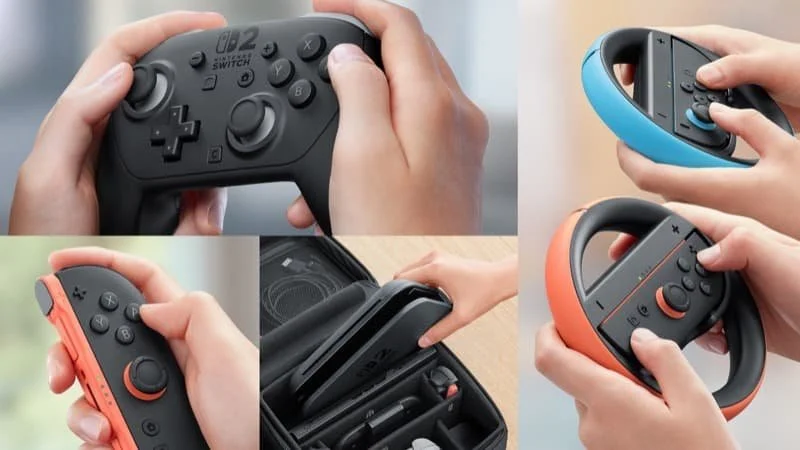
Image Source: Nintendo
The Switch 2’s accessibility extends to its controls. You can remap the button inputs on your Joy-Con or Pro Controller to control each game in whatever way feels the most comfortable to you. The Button Mapping menu can also be part of the Quick Menu if you want, making it easier to access and change between games.
There’s a good deal of freedom in the remapping options, too. You can even assign joystick directions to buttons, making movement in many games easier to control, especially for those with some motor impairments.
Customization may not initially seem like an accessibility issue, but it can make a big difference. In virtually all contexts, one-size-fits-all approaches fail to address individual needs for those with unique requirements. Being able to adjust things yourself puts the power of deciding what’s most helpful or comfortable in your hands.
Audio Accessibility
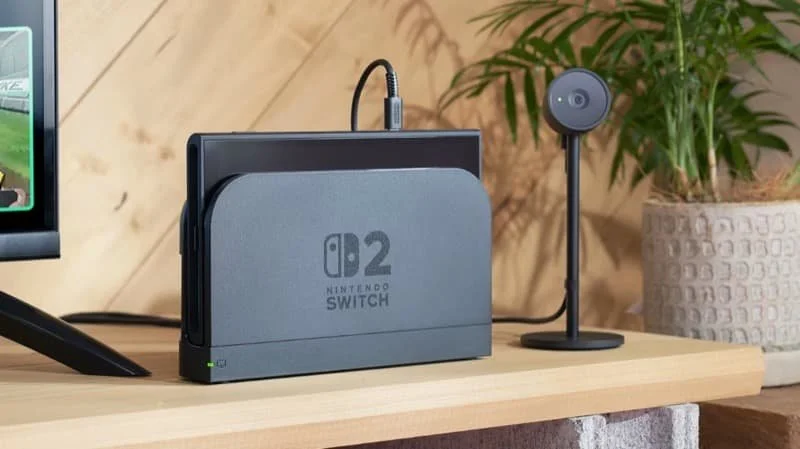
Image Source: Nintendo
The Switch 2’s GameChat feature offers helpful audio support options, including speech-to-text and text-to-speech functionality.
Speech-to-text translates the voices of other players in GameChat into text-based messages. That way, you can get near-real-time subtitles of what your friends are saying to complement the closed captioning many games already provide. It’s not a feature you see often, but it makes multiplayer experiences like Mario Kart World more engaging for those with hearing difficulties.
Text-to-speech offers similar convenience but in reverse. This function allows you to type messages that will come through as audio for other GameChat users. That way, you can use whatever form of communication you’re comfortable with while still engaging in the Switch’s native voice chat platform.
How Does The Switch 2 Compare To Other Consoles?
Image Source: Nintendo
The Switch 2 is a massive step forward in accessibility compared to the original Switch. While the first console had customizable controls and a zoom function, it lacked all the visual settings and GameChat options the new one offers.
Outside of Nintendo, the Switch 2’s accessibility improvements may seem less significant. Both the Xbox Series X and PlayStation 5 offer many of the same features, including screen readers, high-contrast options, and customizable controls. Other consoles have also gone further with their hardware, with Sony revealing the PS5 Access controller in 2023 and Xbox releasing its Adaptive Controller as early as 2018.
While the Switch 2 may not be groundbreaking industry-wide, it’s still an important shift. The console’s much-improved accessibility features mean Nintendo has caught up to other console manufacturers in supporting a more diverse audience. That means all three major hardware companies now offer extensive accessibility options.
The Switch 2 Is A Much-Needed Step For Accessible Gaming
A broader range of configurable controllers and other hardware will help make consoles as a whole more accessible. Many games need additional built-in support, too, but the Switch 2 shows that things are moving in the right direction.
Nintendo has already started making accessibility more central in its first-party games. The Switch 2 version of Tears of the Kingdom includes a voice navigation feature, which could improve the experience for gamers with vision impairments. Its upcoming Drag x Drive also normalizes disabilities, with the core gameplay centering around wheelchair use. That visibility could be crucial in making gaming a more accepting and equitable field.
The Nintendo Switch 2’s accessibility features may not be groundbreaking, but they are a big moment in gaming nonetheless. By catching up to the support seen in the Xbox Series X and S and PS5, the Switch 2 has cemented accessible gaming as the industry standard. There’s still progress to be made, but these trends are promising.
READ NEXT:


Source(s): Nintendo, CCA, World Health Organization
Latest News
Featured





• All sizes are adult unisex
• Printed art on the front
• 100% cotton
• Pre-shrunk fabric
• Shoulder-to-shoulder taping
• Culture Slate Exclusive Design
See more products here