
Want To See More? The SEGA Mega-CD
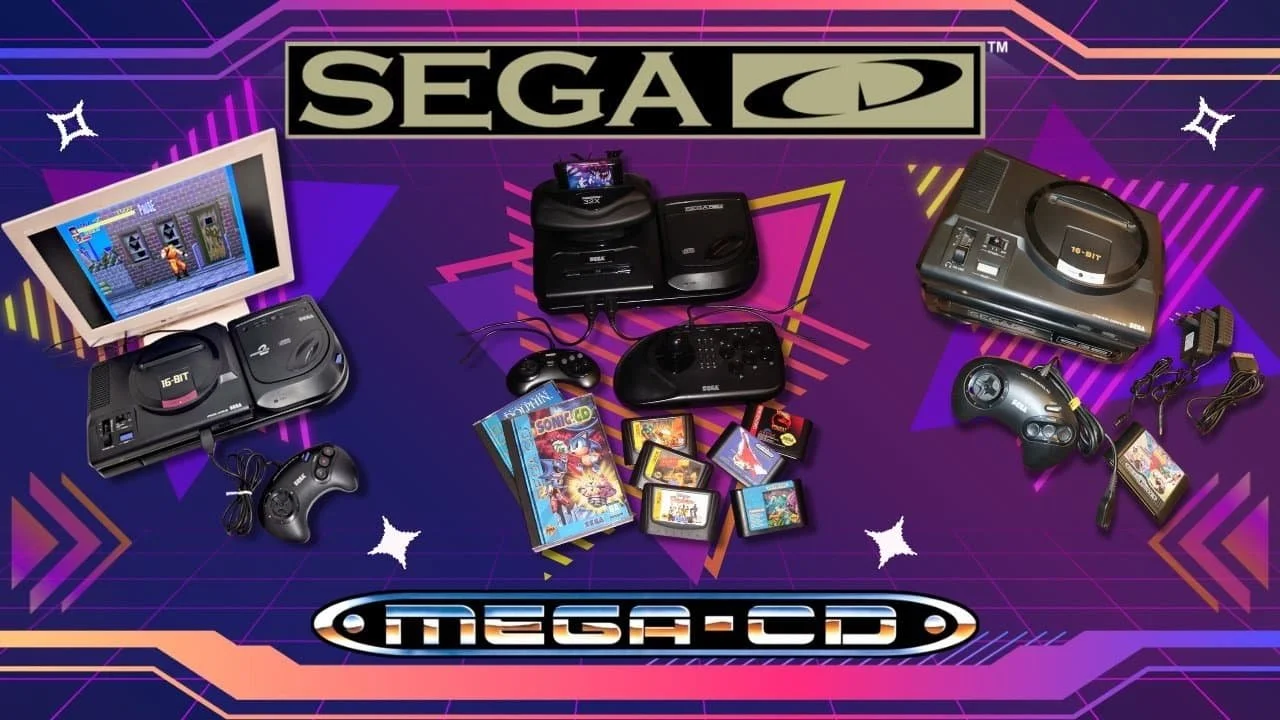
Image Source: CultureSlate
The early 90s video game scene was mostly dominated by two consoles, the Sega Genesis/Mega Drive, and the Super Nintendo Entertainment System; the PC Engine/Turbografx 16 didn’t have the international staying power of the other two. These systems were impressive for their time, and also used cartridges for their storage media. It was around this time that the Compact Disc format began taking off, with NEC releasing a CD-ROM add-on for the Turbografx. Sega, which had always planned to release peripherals for the Mega Drive, began development on its CD add-on for the Mega Drive, overseen by Tomio Tamaki.
Sega’s development of the Mega-CD ran into a few hurdles, needing to get a new chip and raising the number of Megabytes the discs could use, but development went along well. The existence of the add-on was kept a secret from the public, and not even Sega of America was allowed access. However, rumors of a 32-bit "Giga Drive" circulated, and would later be linked to the Mega-CD, though it may have been something else entirely. Eventually, the Mega-CD would be shown to the world at the Tokyo Toy Show 1991.
RELATED:
Image Source: Sega Retro
The Mega-CD was released in Japan on December 12, 1991, in the United States on November 11, 1992 (as the Sega CD, and in Europe throughout 1993. The compact disc format allowed for higher storage and audio and video fidelity, including full motion video and Red Book level audio. Many genres, such as RPGs, would take full advantage of these features. Not everything was perfect, however. Games often had long loading times, and FMVs had to be shown compressed and without color, compared to the modern full-screen video. In addition, many games were literally just FMV showcases, most famously Night Trap, which helped inspire the creation of the ESRB ratings system.
There were many games released for the add-on, including the Lunar series, Sol-Feace, Heavy Nova, Sonic the Hedgehog CD, and several conversions of regular Mega Drive games like Ecco the Dolphin, Earthworm Jim, and Mickey Mania. These games made use of the CD format with high quality audio, bigger file sizes, and, of course, FMVs. Despite a decent library and initial promise, the Mega-CD was seen by many as a commercial disappointment, selling around 2.4 million units compared to the Mega Drive’s 30 million, and could be seen as Sega’s first misstep in the Console Wars.
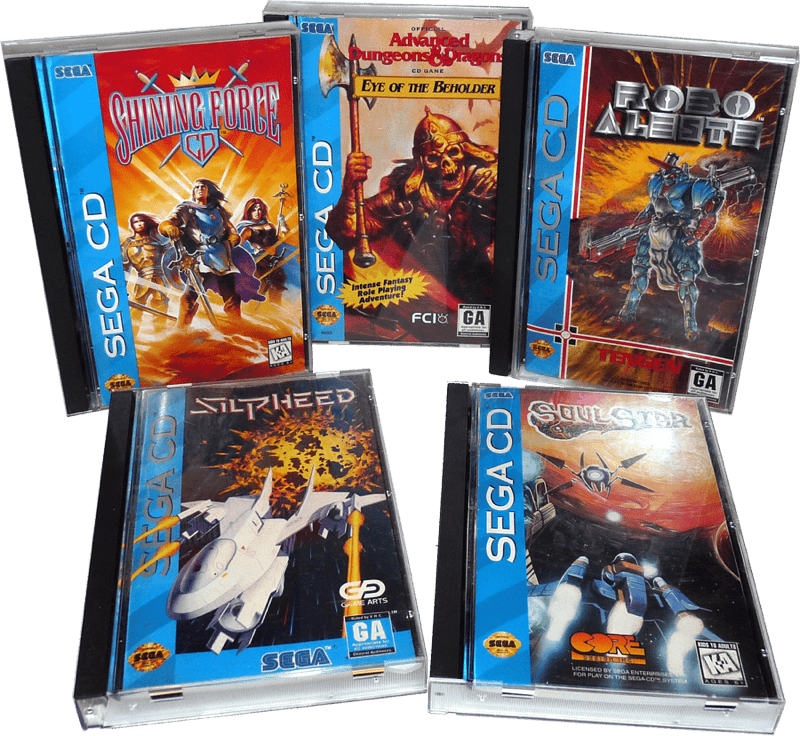
Image Source: Gametrog
Despite all this, however, the Sega CD remains an important stepping stone in the history of Sega. It was their first console that used CD-ROMs as storage media, paving the way for the Sega Saturn. Sega also prepared a multimedia studio for the add-on, though it would eventually be split into three, right around the time such multimedia projects were becoming minstream. The Sega CD, though not the most successful of Sega’s console projects, is a welcome addition to the library of any retro gamer, and one can find many good games in its library.
One last thing we should mention is that the Sega CD required its own power source, which could be a problem if one were out of outlets to plug it in. One could purchase an all-in-one unit like JVC’s Wondermega, but those tended to be expensive. This problem increased when Sega released another add-on for the Mega Drive, the 32X, which also has its own power source. The tale of the 32X might be told at another time, but for now, we have reached the end of our Sega console journey; be sure to check out our other pages.
READ NEXT:


Latest News
Featured






• All sizes are adult unisex
• Printed art on the front
• 100% cotton
• Pre-shrunk fabric
• Shoulder-to-shoulder taping
• Culture Slate Exclusive Design
See more products here