
The Death Of The 'Mario & Sonic' Series
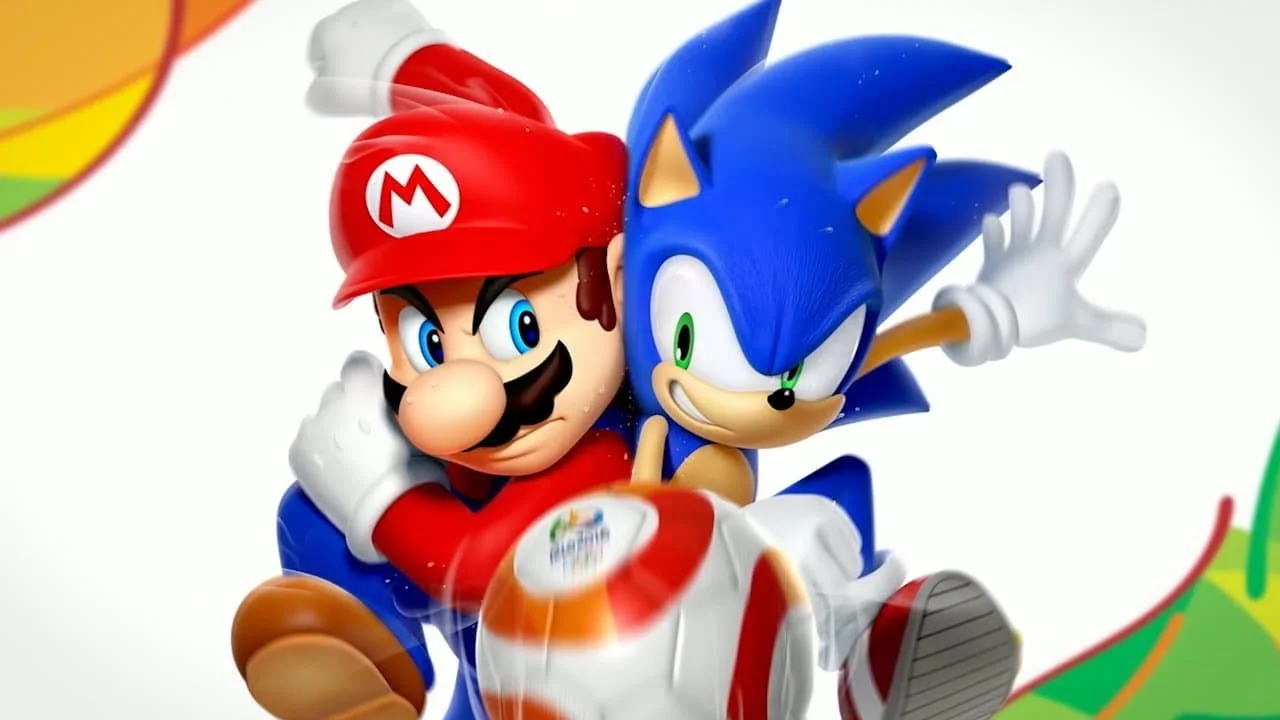
Image Source: Nintendo
For over a decade, Mario & Sonic at the Olympic Games was a tradition. Every few years, Nintendo and SEGA released a new entry in the crossover series and created a family-friendly sports fest tied to the real-life Olympic Games.
From its debut in the 2007 Beijing Olympics to its last outing in 2020 for Tokyo, the series became part party game and part sports title. However, the Paris 2024 Olympics arrived without Mario and Sonic, signaling the series' fading.
A Short-Lived Gaming Tradition
When Mario & Sonic at the Olympic Games first hit shelves in 2007, few could have known how popular this crossover would become. Nintendo’s mustached plumber facing off against SEGA’s speedy blue hedgehog came to life, and it worked so well that the first game sold over 26 million copies worldwide.
With each passing Olympic cycle, a new game followed, bringing fresh events, motion controls, and a roster of classic characters. Mario & Sonic at the London 2012 Olympic Games and Rio 2016 kept the series alive and well, even as reviews sometimes pointed to the repetitive nature of the mini-games.
RELATED:
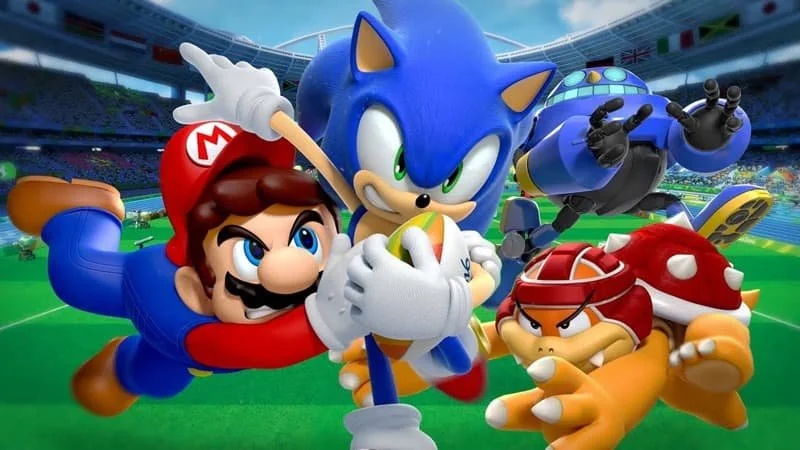
Image Source: Nintendo
Still, fans showed up. By the time Mario & Sonic at the Olympic Games Tokyo 2020 launched, the series had become a familiar, comforting aspect of the gaming world. It reminded fans that some traditions — like the Olympics — could be counted on to return every few years. The series helped keep Sonic in the public eye, an effort that continues today with Sonic Racing: Crossworlds and other new media projects.
More importantly, the games became cultural touchstones. They introduced younger generations to Olympic sports through lighthearted gameplay while giving longtime fans the joy of seeing Mario and Sonic coexist. In an industry dominated by increasingly complex open-world games and gritty shooters, this series offered something simple, colorful, and fun, which still holds an important place in today’s entertainment space.
Why Did It Disappear?
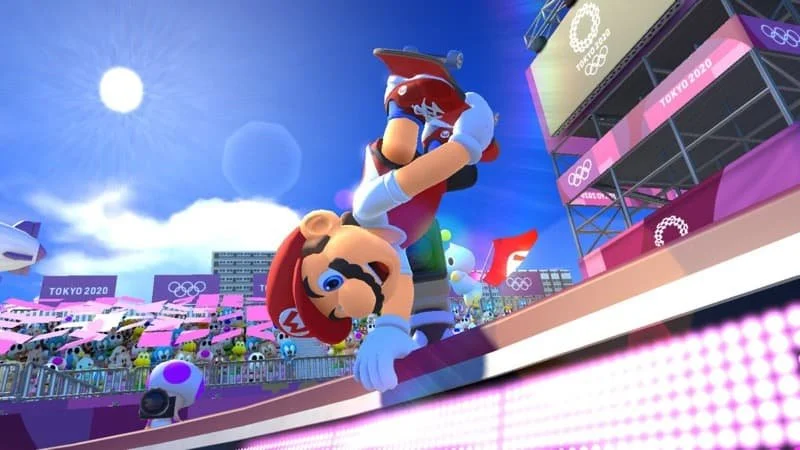
Image Source: Nintendo
When fans noticed the absence of a Mario & Sonic game for the Paris 2024 Olympics, speculation ran wild. Some blamed dwindling interest in the Olympic Games themselves. Data from YouGov’s Global Fans Profiles shows that interest in eSports is increasing, with 33% of people aged 18 to 29 showing interest in the first quarter of 2024 — a 6% increase from 2021.
Others pointed to the changing gaming landscape. Live-service games, blockbuster sequels, and constant online content are more popular among younger generations, leaving little room for quirky one-off sports titles.
There’s also the reality that the series — as fun as it was — had started to feel repetitive. The novelty of Mario and Sonic sharing the same screen could only carry the series’ popularity so far when the gameplay formula remained largely unchanged.
The International Olympic Committee (IOC) even has strict standards for keeping the Olympics
fresh and relevant. For a new sport to enter the Olympics, it must be practiced by men in a minimum of 75 countries and four continents and by women in 40 countries and three continents. That global appeal is also essential for entertainment tie-ins to remain connected with audiences.
Yet, Crocker revealed that the real reason is less about waning popularity and more about money. In an interview with Eurogamer, Crocker explained that the IOC pulled the Olympic video game rights back in-house to explore other commercial opportunities, including eSports and non-fungible tokens (NFTs).
New deals in these areas promise higher revenue potential than traditional console partnerships. Overall, the Olympic Committee is betting on the future of digital experiences, even if it means sidelining one of its most recognizable gaming partnerships.
The Future Of Crossovers Without The Olympics
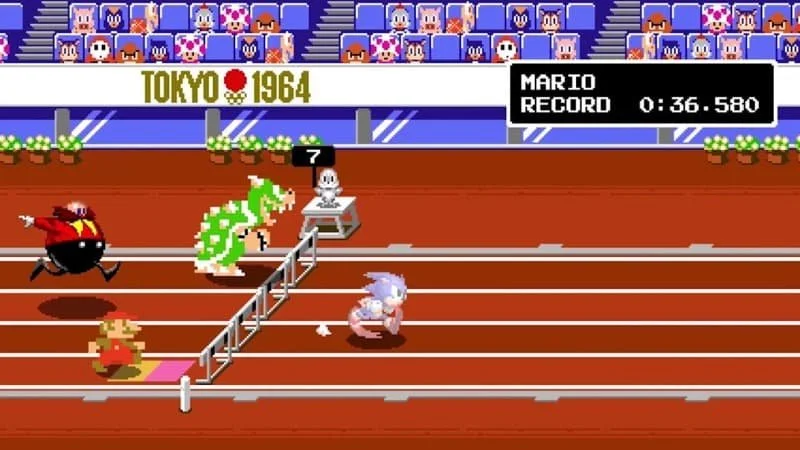
Image Source: Nintendo
When word broke that Mario & Sonic was skipping Paris 2024, the reaction among fans was mostly emotional. On Reddit, a thread in r/Games had players lamenting the decision — “I'm sad about this as Olympics videogames have been a series I have really enjoyed since I was a kid.” Another Reddit user responded, “They made good money though. So it’s a weird decision to drop it and chase something as dead as NFTs.”
The annoyance is understandable — many fans find sacrificing a beloved tradition for digital gambits cynical. Yet, while disappointment is widespread, fans adapt and life continues.
Even franchises tied to those mascots have felt shakeups. In a similarly dramatic shift, Samantha Kelly — the voice actress for Princess Peach — stepped down after 18 years of playing the role. Such a change reminds fans that cherished games evolve, but not always by choice.
So, while losing Mario & Sonic at the Olympics stings, it’s part of a larger pattern where everything can change under the pressure of corporate decisions.
So what comes next for Mario and Sonic fans? Believe it or not, new venues are already being explored — namely Hollywood. Ben Schwartz — the voice of Sonic in the live-action films — recently told Variety that he’d love to see a Super Smash Bros. crossover movie featuring Sonic alongside Chris Pratt’s Mario if studios can play ball.
With the Olympics tie-in gone, the focus is now shifting to big-screen mashups, streaming series, and potential eSports collaborations. Nintendo and SEGA remain open to unexpected partnerships, especially when their mascots bring in billions. Remember, The Super Mario Bros. Movie grossed over $1 billion, while Sonic the Hedgehog 3 earned $400 million at the box office.
While a Super Smash Bros. film would be a licensing labyrinth, it would be a huge leap forward for Nintendo and SEGA. Even without the Olympics, Mario and Sonic’s ongoing relevance in pop culture remains secure as they cavort in other media.
A Fond Farewell — Or Is It?
It’s hard to believe this is truly the end for gaming’s iconic duo. However, licensing deals come and go, and different trends take shape. Nostalgia has a funny way of bringing fan favorites back when least expected. While the Mario & Sonic series may be missing from future Olympic events, they aren’t gone forever. Rather, they’re waiting for their next starting line.
READ NEXT:


Latest News
Featured


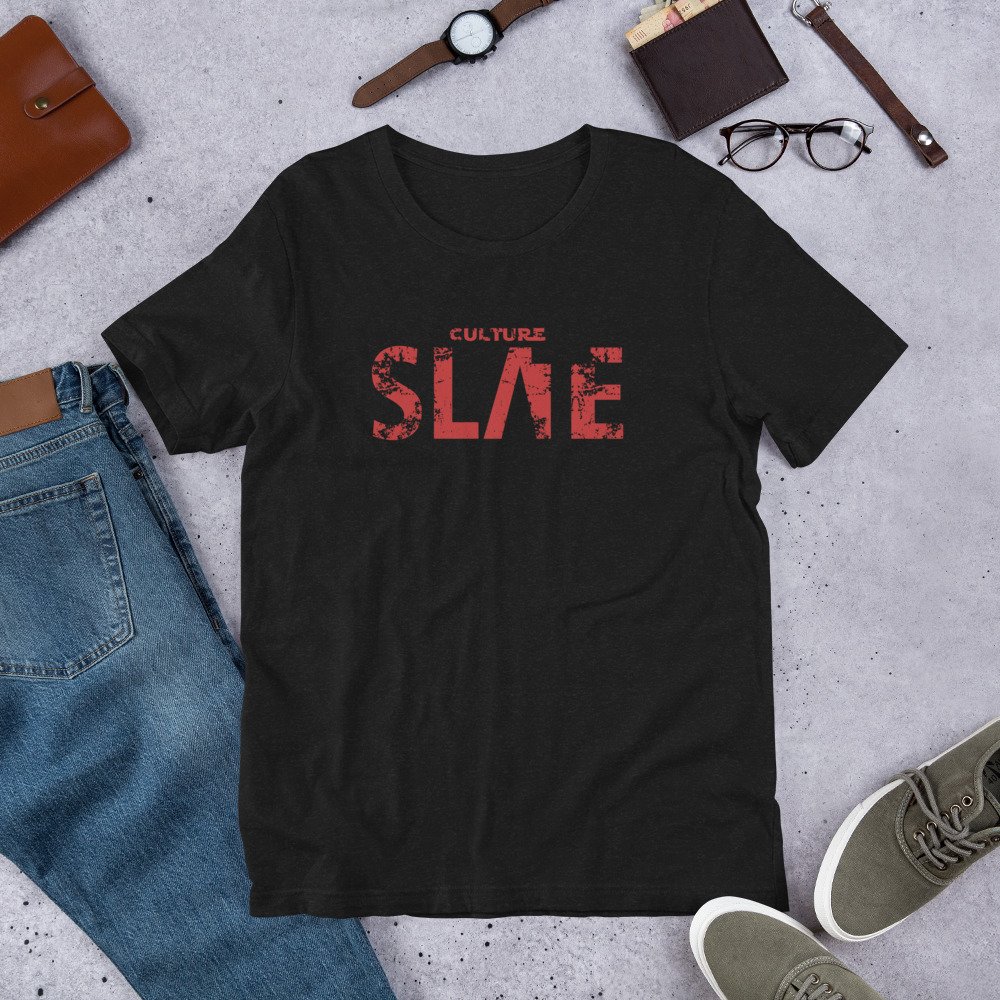
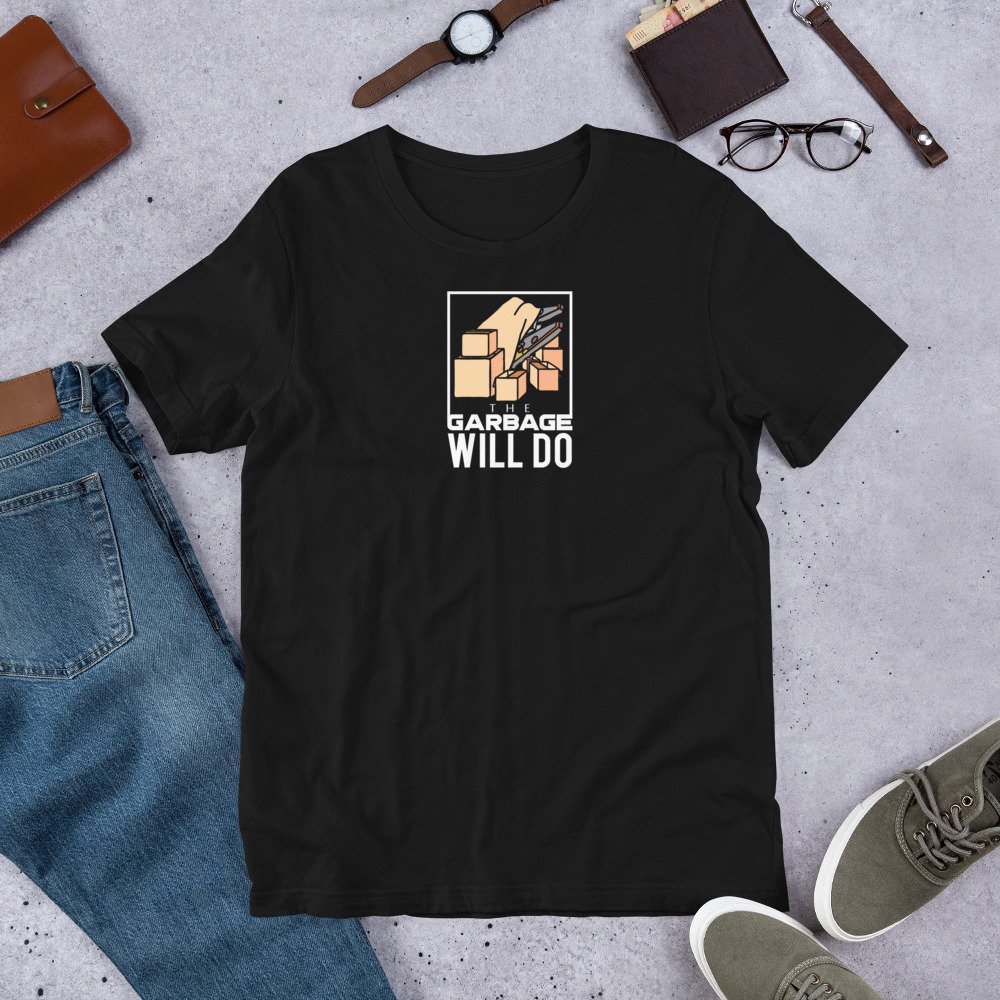

• All sizes are adult unisex
• Printed art on the front
• 100% cotton
• Pre-shrunk fabric
• Shoulder-to-shoulder taping
• Culture Slate Exclusive Design
See more products here