'The Simpsons' Themed 'Mr. Burns' Being Adapted For The Big Screen By Boots Riley
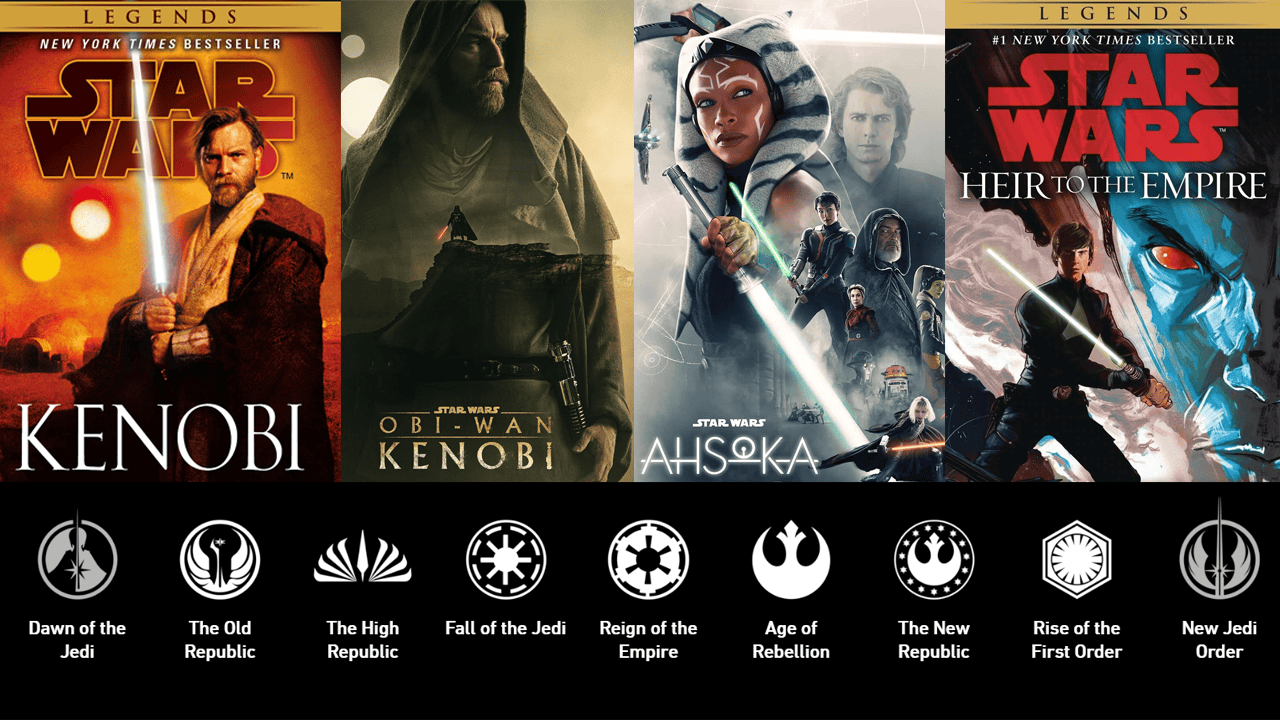
Image Source: CultureSlate
The canon of Star Wars has always been a much-debated topic. Especially with the reset that happened when Disney bought Lucasfilm. One thing that has always been clear throughout the many years is that the films are the definitive canon. Even when there were only the original trilogy films, novels such as the much-loved Thrawn trilogy were never intended to be part of that definitive canon.
When Leeland Chee was brought on to create a database on canon, named the Holocron, that was still the case. There were tiers of canon, with the films being above all other media. That was reinforced by various interviews across the years, such as one by LucasBooks editor Christopher Cerasi, who once stated, “When it comes to the absolute canon, the real story of Star Wars, you must turn to the films themselves – and only the films.” Even George Lucas himself is on record for describing the canon as his films and the parallel universe.
RELATED:
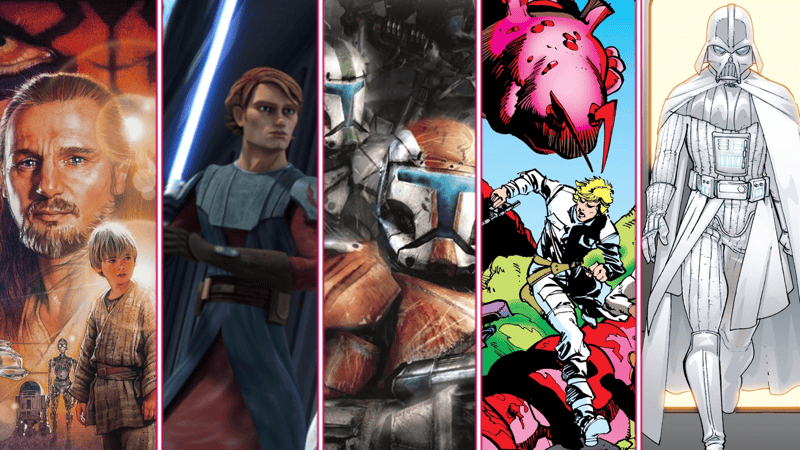
Image Source: CultureSlate
When The Clone Wars was in development, the alignment of that canon changed somewhat. Being a series under Lucas’ vision, it was accepted as among the definitive canon. But under a separate tier of canon. And thus, until the Disney buyout, the five tiers co-existed to define the canon. G for George Lucas, encompassing the films. T for TV series such as The Clone Wars and the then planned live action series. C for continuity, referring to all expanded universe media created from the start of the Holocron. S for secondary, meaning the expanded universe material from before the Holocron was created (with some exceptions). N for non-continuity, which included everything that blatantly contradicted the definitive canon.
With the Disney buyout of Lucasfilm, everything changed. Come 2014, everything not in the G or T tiers was branded as Legends. They were axed from the canon to provide a fresh slate to begin creating new stories. The tier system became retired, with the aim being to have everything moving forward be canon. The Lucasfilm Story Group was formed to do just that. However, despite statements that the old system was no longer in use, the films and TV series still seemed to be the definitive canon. With contradictions of previous events from books or comics in series such as The Bad Batch and The Book of Boba Fett.
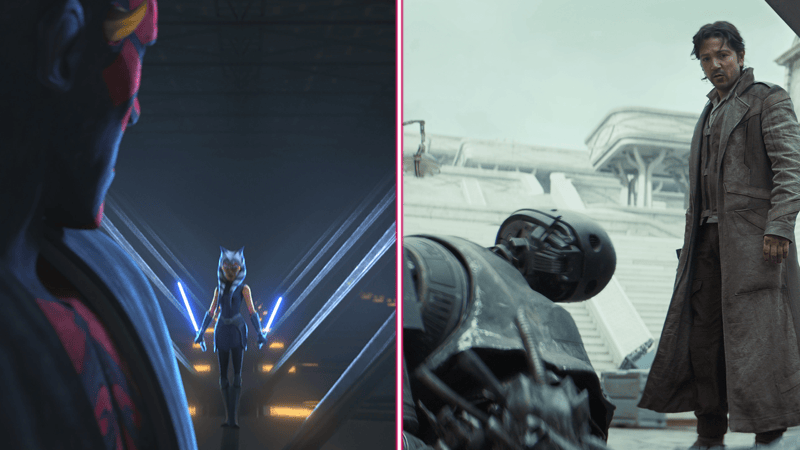
Image Source: CultureSlate
In 2021, Pablo Hidalgo of the Story Group addressed such contradictions in a social media post. In effect, reinforcing the films and TV series as definitive canon. “If you want, one way to square this circle is the history textbook version of events: ‘persons X and Y were on planet B when A occurred’ is the canon; a fictional expression of it is potentially dramatized and embellished for its medium. Your space mileage may vary.” He went on to refer to a talk he had done previously on such a topic. “Did a talk about this at the Seattle Film Summit a few years back, showing how different various versions of Luke destroying the Death Star are across retellings, yet where they agree is what we accept happened. Where they differ is dramatically important but historically not.”
Hidalgo’s history textbook explanation does go deeper than just explaining discrepancies in canon. It could be said that such a viewpoint means everything can be canon, from a certain point of view. Even the Legends media. Depictions of events from throughout history from the people who witnessed it. In which exaggerations can be made, and things are missed out. It depends on the person looking at these records – the fans – to decide what they feel is true. The timeline of the galaxy and the eras it is made up of can similarly be viewed through that same history textbook lens.
Before the canon wipe, there were the eras known as Before the Republic, The Old Republic, Rise of the Empire, Rebellion, New Republic, New Jedi Order, and Legacy. Eras that would easily denote where a story fits into the timeline. When the new canon was established, it was reduced to simply three. As more media were released, those eras saw changes and additions. The Age of Republic split to become the Fall of the Jedi and Reign of the Empire eras. Age of Resistance split to become The New Republic and Rise of the First Order eras. Age of Rebellion did not change. Dawn of the Jedi, The Old Republic, and The High Republic were added to the start of the timeline, while New Jedi Order was added at its end at a later date.
Much like the stories of the galaxy far, far away, the timeline of its history can change. But, as seen when the eras were reduced to three, the films are the definitive canon. Everything else is created around them. And much like the stories of the galaxy, its eras can also be interpreted differently depending on what a person perceives as the true history of galactic events.
CultureSlate: Made by humans, for humans
READ NEXT:

Sources: Wookieepedia [1], [2], ComicBook.com
Latest News
Featured