
The Turning Point: Looking Back At 'Revolver' 60 Years Later
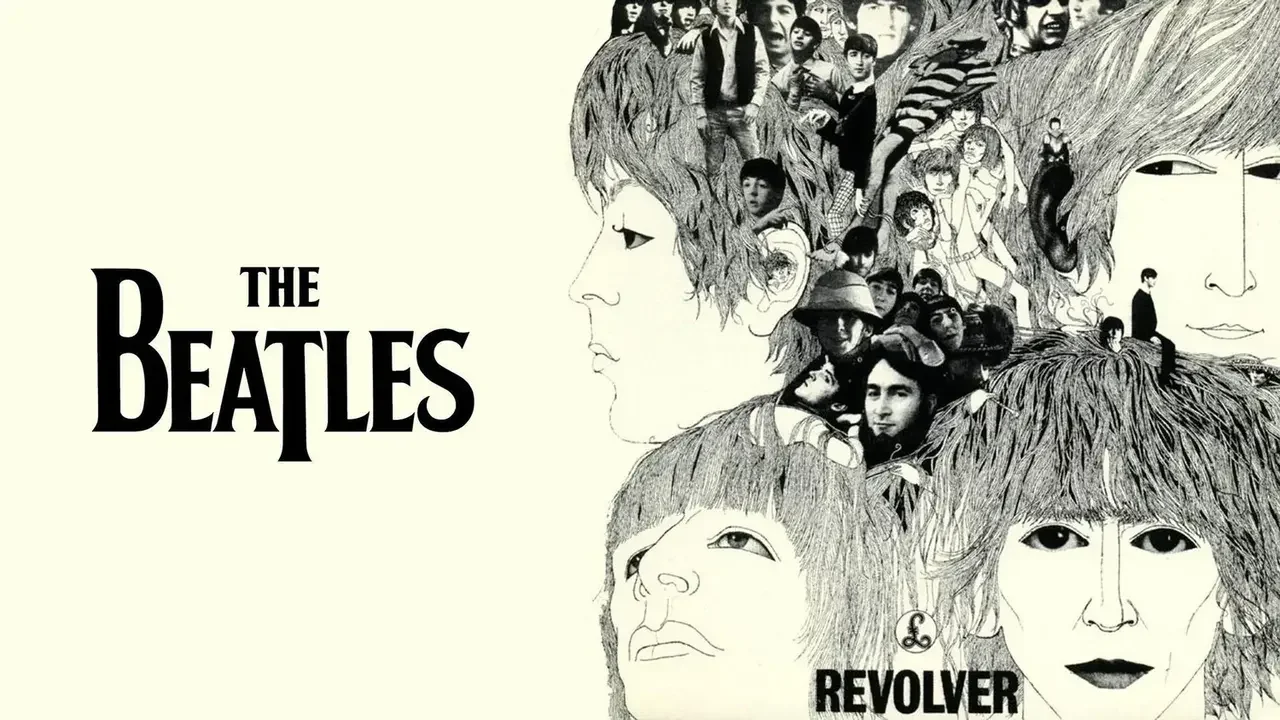
Image Source: Wallpaper Access
The only thing consistent in the career of The Beatles was change. In their eight years together, the foursome of John Lennon, Paul McCartney, George Harrison, and Ringo Starr changed the landscape of popular music, but the group didn't do this by staying stagnant.
They were constantly challenging themselves and reinventing how they made music. This is perhaps best exemplified in their album, Revolver, which was released 60 years ago today. Revolver is the bridge between the early moptop and the later psychedelic era that truly made The Beatles stand out.
Note: This review focuses on the “canonical” UK version of Revolver rather than the US version, though differences will be noted if appropriate.
RELATED:
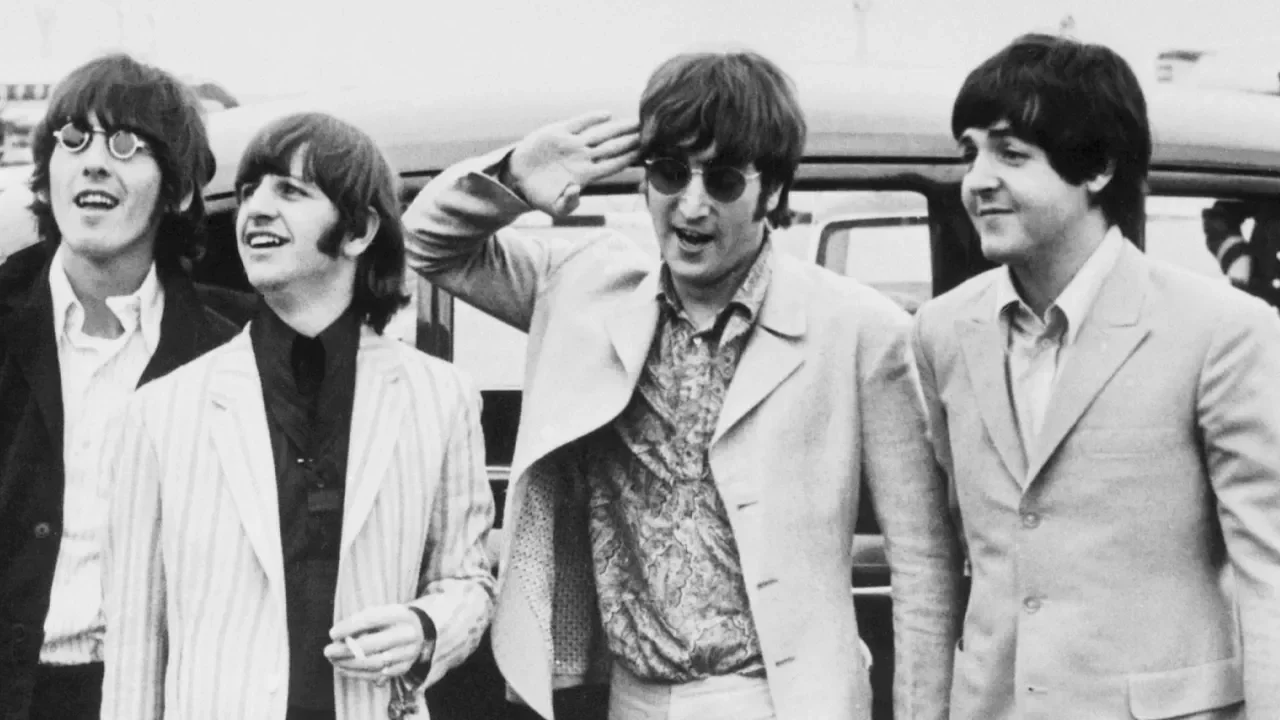
Image Source: Pitchfork
Before we dive into the album itself, let's look into the background and events leading up to it. Up until this point, The Beatles had a rather busy schedule between recording, touring, and media appearances. Indeed, the beginning of 1966 was meant to follow that pattern with another film project, but the group vetoed it. So, the time that would have been dedicated to making the film was instead three months free of any professional engagements, and it became the longest period The Beatles experienced outside of the group collective since 1962, defying the notion at the time that groups should be working continually. With this in mind, The Beatles had plenty of time to prepare for a new album and to explore their own interests as well. When asked about a new album, John Lennon said that it could be practically anything.
“Electronic music, jokes ... one thing's for sure – the next LP is going to be very different,” He stated in March, 1966.
With their previous album, Rubber Soul, the group had already started looking at their albums more as a complete work and not merely a collection of singles. Furthermore, they had begun experimenting with styles outside of their usual sound, such as R&B, folk, and even Indian classical music. This, in addition to the group’s experimentation with psychedelics, set the next album up to be destined to build on the foundation set by Rubber Soul. They began recording on April 6th, 1966 at EMI Studio 3, with the final mix taking place on June 22nd.
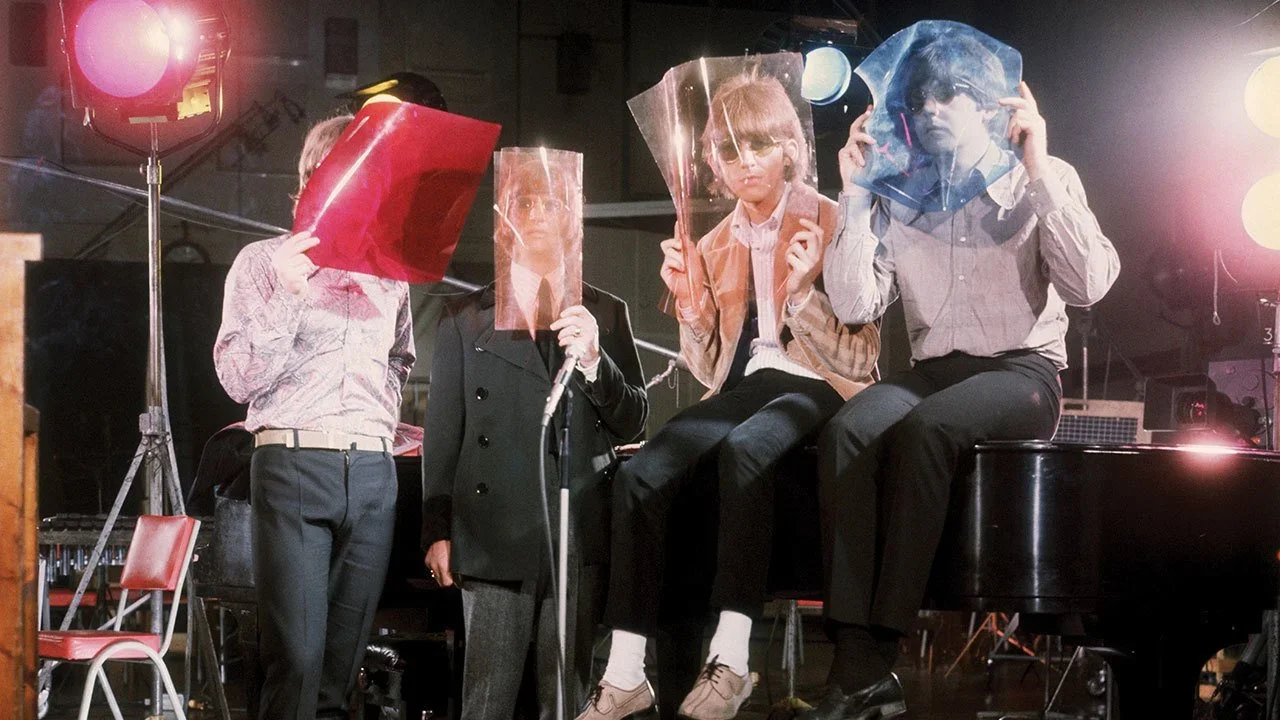
Image Source: Louder
Getting into the album itself, right from the jump, it's clear that this isn't the typical “moptop” fare the group had become known for and is even starkly different from 1965's Rubber Soul. Even the cover art by Klaus Voorman is distinctly different than what had come before, with the group mostly represented by a sketch surrounded by cutouts from random photos. The opening track, “Taxman,” opens with a count-in that is slightly more sinister sounding than the one found on “I Saw Her Standing There,” the opening track to their first album, Please Please Me. It is a hard, heavy, and driving track built around Harrison's biting guitar work. The lyrics of “Taxman” are a commentary on the tax system in England at the time, which caused them to pretty much give away all of their money in taxes (this was caused by a 95 per cent supertax introduced by Harold Wilson's Labour government). The political subject matter was something relatively novel for the group at the time, and it shows them transitioning into more mature musicians. Musically, it is a rather heavy and intense track, perhaps even a precursor to the punk movement. Paul McCartney's guitar solo solidifies its status as a rather heavy, loud, and driving track.
In an act of tonal whiplash, the track that follows, “Eleanor Rigby,” is the complete opposite of “Taxman,” with the group only contributing vocals accompanied by a string quartet. Though credited with the usual “Lennon-McCartney,” it is primarily a McCartney composition with input from all of the group in addition to John Lennon's childhood friend, Pete Shotton. The name “Eleanor Rigby” may have come from the headstone of a real-life woman with that name in the churchyard of St. Peter’s Parish Church, though McCartney disputes this, saying it was a coincidence that was the product of his subconscious. It is a story about the mundane lives of ordinary “lonely” people and is a stark departure from the first-person love songs McCartney had penned previously, with the song being from the perspective of an onlooker instead. The string quartet alone is beautiful, with the interplay of melodies and harmonies all weaving into a beautiful tapestry that paints this picture of a busy English village. It is a beautiful yet melancholy song that sets the tone for the varied material in the rest of the album.
We return slightly more to form with the third track, “I'm Only Sleeping,” a song dedicated to the joys of staying in bed. An important thing to note is that in the US, this song was left off Revolver and was instead on the US exclusive album, Yesterday and Today. The song is closer to something that would be on, say, Rubber Soul or Beatles for Sale, but it has one important innovation that sets it apart: reverse lead guitar. This culminates in Harrison's reverse guitar solo, which adds to the song's dreamlike quality. “I'm Only Sleeping” is a song that perfectly encapsulates the album's experimentation and more introspective topics, but it does drag slightly.
Harrison's “Love You To” dives the album further into psychedelia. It has a Hypnotic drone quality to it due to the elements of Indian classical music infused into it. Like “Eleanor Rigby,” It features very little instrumental involvement from the other Beatles. In fact, aside from McCartney on backing vocals and Ringo Starr on tambourine, it features very little involvement from Harrison's bandmates at all, with most of the other instrumental work coming from Indian musicians from the Asian Music Circle in London. Lyrically, it's a love song to Harrison's then-wife, Patti Boyd, infused with philosophical musings inspired by his experimentation with LSD. “Love You To” continues to push the psychedelic envelope of Revolver. However, like “I’m Only Sleeping,” it tends to drag a bit and drone on, which was probably intentional.
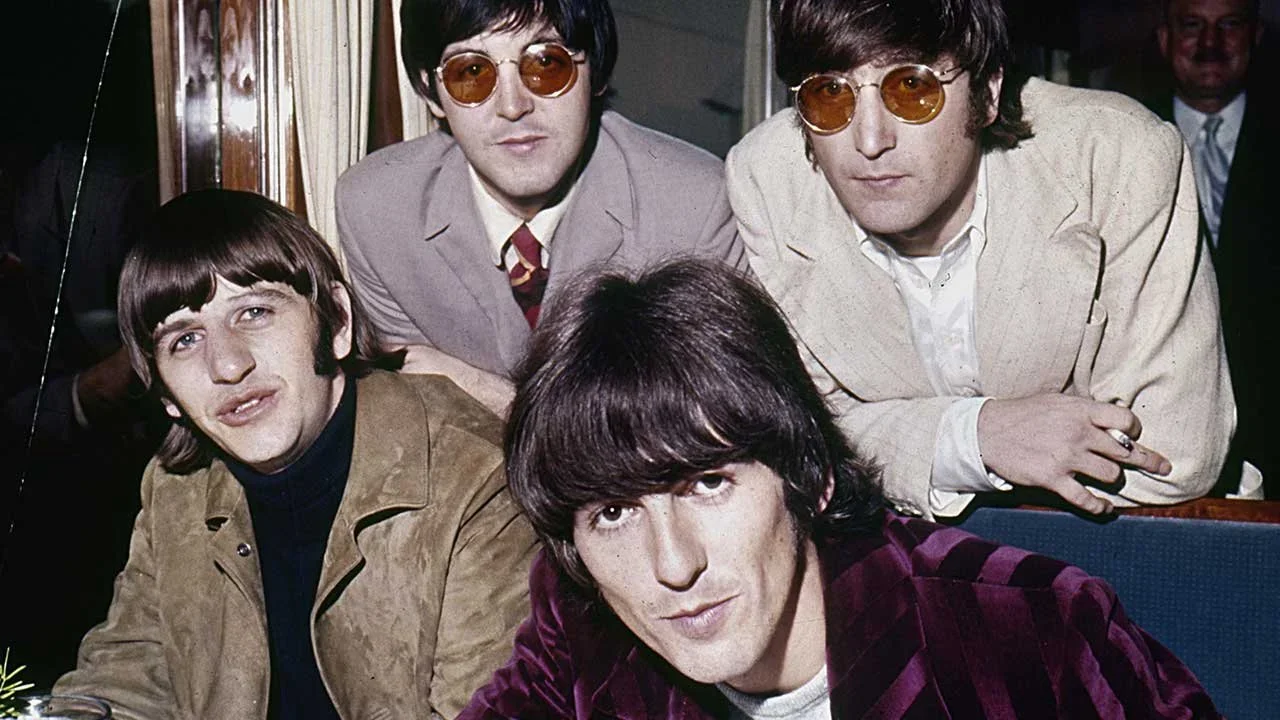
Image Source: LouderSound
The tonal tug of war continues with McCartney's “Here, There, and Everywhere.” It is a beautiful love song that McCartney initially wrote with Marianne Faithfull in mind and is a stark contrast from the previous track…seemingly. There is still a slight psychedelic influence on the song, particularly in the chromatic guitar line found in the bridge. Still, McCartney’s effortless yet beautiful melody is the focus of the track, with the harmonies behind him adding to the overall warm and loving texture and feeling of the song. “Here, There, and Everywhere” has been called one of McCartney's best love songs and is a beautiful addition to the album.
The next track, “Yellow Submarine,” is a complete departure from anything The Beatles had done up to this point. This Lennon-McCartney-penned song features Ringo Starr on lead vocals, and it is essentially a children's song about a journey under the sea in the titular “Yellow Submarine.” It's a simple track built around an acoustic guitar part that makes it sound like it's being sung around a campfire. However, like most of the songs on this album, it is deceptively simple. It has plenty of sounds that illustrate the story, such as the trumpets for one, the “band begins to play,” and the whole instrumental interlude essentially being a glimpse into the “crew” of the submarine. “Yellow Submarine” is a classic song that plenty of younger generations grew up with, especially due to the animated film that spawned from this song. Though it feels like a throwaway, it is a fun little sing-along song track that helps to keep things light.
We're back in the heavy psychedelic territory with “She Said She Said.” This song is based on comments made by Peter Fonda during an acid trip. Furthermore, it is the only song on this album to not feature Paul McCartney at all. This is due to an argument between McCartney and the rest of the group during recording. So, instead of McCartney on bass, it's Harrison. The song is also another one that was left out of the American release of Revolver and instead featured on the aforementioned Yesterday and Today. “She Said She Said” is another good bridge between the group's earlier rock-and-roll sound and what will become their more mature psychedelic sound. Ringo's drumming is especially a highlight of the track, almost sounding like a precursor to his work on “Strawberry Fields Forever.” It's a rocking track that really feels like quite the trip.
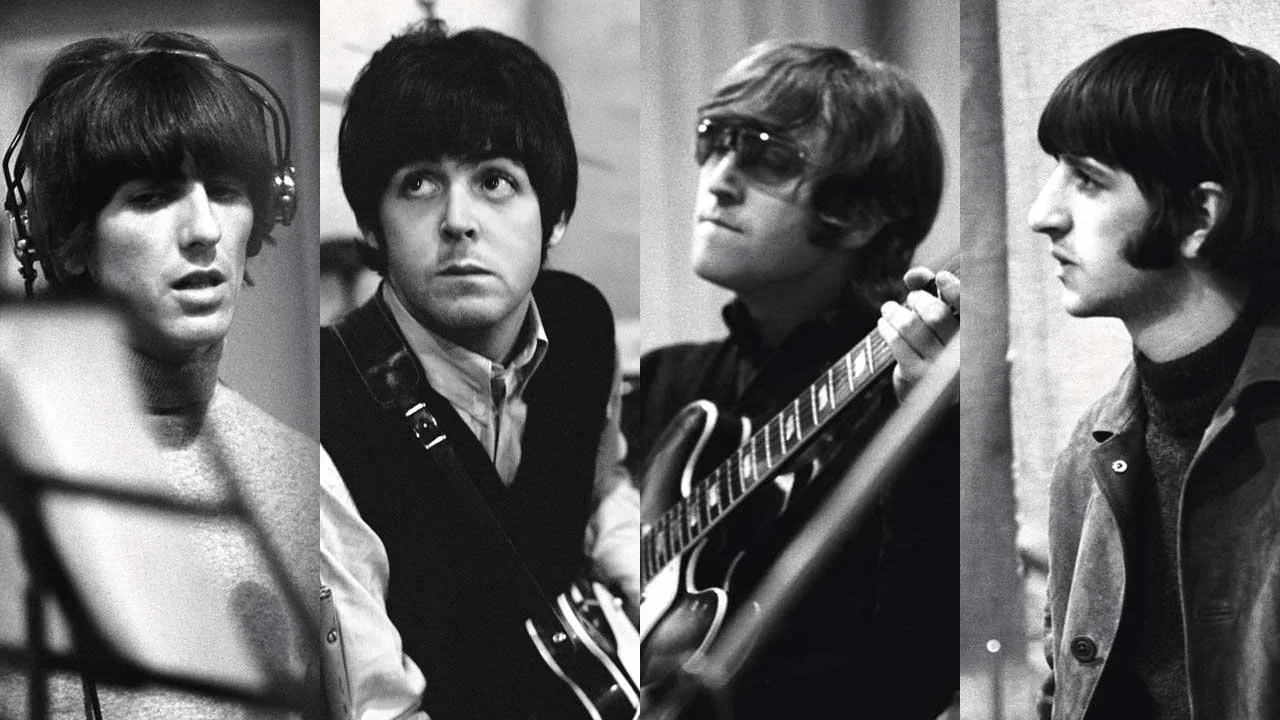
Image Source: Keep Them Spinning
Side two of the album opens up with “Good Day Sunshine.” A fun fact about this song is that it was used as the wake-up song for the crew on Space Shuttle mission STS-135, and Paul McCartney even played it live to the crew of the International Space Station as part of a concert link-up in November, 2005. It’s a fun, triumphant song that is an ode to sunny days. The character in this song, in contrast to “I’m Only Sleeping,” greets the day. It combines appreciation for the sun's warmth with a standard “boy-girl” love story, which is a rarity on the album, as it mostly avoided the subject. In fact, this song is an example of something that was becoming more prominent during this period: the division between the songwriting styles of John Lennon, Paul McCartney, and George Harrison. Though arguably, this album is a great example of the group working as a collective unit, divisions were starting to appear. Despite this, it doesn’t sour the cheery, lighthearted fare that is “Good Day Sunshine,” and musically, it’s no slouch either. McCartney’s vaudeville and ragtime-like piano dominates the track, giving it a lilty and jaunty bounce. One highlight is the trailing imitative vocal canon that gives the song a dream-like quality.
Solidly back in hard rock territory, “And Your Bird Can Sing” is centered on the dual lead guitar lines of Harrison and McCartney, which was a rarity during this time. The lead guitar duet is a huge highlight for the track. Even if it’s just going up and down a scale in harmony, it just makes the track rock (additionally, it is a badge of honor for many guitarists in Beatles tribute acts to be able to play both guitar parts simultaneously). Lennon viewed the track as a throwaway and didn’t expand much on its meaning, but many have linked it to how Lennon viewed his marriage to Cynthia and her inability to understand him. Others say it is a jab at his songwriting partner, Paul McCartney, with the line “You say you’ve seen seven wonders” potentially being a reference to a comment he made in 1964 when The Beatles were smoking cannabis in New York with Bob Dylan and maybe even a jab at Dylan himself. Still, some see it as a putdown of Frank Sinatra, particularly in response to an article in Esquire in which the singer was held up as "the fully emancipated male ... the man who can have anything he wants.” Regardless of its meaning, the song is catchy, lively, and is more in line with their earlier work while having a foot in the door toward their future. The lead guitar duet is a huge highlight for the track. Even if it’s just going up and down a scale in harmony, it just makes the track rock (additionally, it is a badge of honor for many guitarists in Beatles tribute acts to be able to play both guitar parts simultaneously). This is another track that was left off of the American version of the album and instead put on Yesterday and Today.
The album takes a more melancholic turn with the McCartney-penned “For No One.” Inspired by his relationship with Jane Asher, the song is about a breakup. The song features contributions from only McCartney and Ringo, with the French horn being played by Alan Civil. Civil’s French Horn solo and his duet with McCartney are huge highlights, with his melody acting in counterpoint with Paul’s. It is a beautifully haunting song that is essentially a McCartney solo track, something that will become contentious amongst the group later down the line.
This track is followed by the Lennon-penned “Doctor Robert.” It is mostly a hard-driving ode to a New York physician known for giving amphetamine injections to his patients. The driving tone is only interrupted by two dreamlike bridge sections featuring choir-like vocals over harmonium and guitar praising the doctor. It’s a fun little song that is another bridge between the Beatles’ early sound and their later, more psychedelic sound.
The next track, the Harrison-penned “I Want to Tell You,” is more in line with their earlier sound but with a psychedelic twist. It is built around a stammering guitar riff from Harrison, and the dissonance employed by the melody and the piano part convey the difficulties of meaningful conversation. Lyrically, it conveys an “urgent tone” to dispense some philosophical truth, and this track and the next two are among the first, according to academic Nick Bromell, examples of pop music "giving voice to the complexities of the breakthrough experience" that comes with LSD and other psychedelic drugs. Outside of this, it’s a fun, rocking tune that once again acts as a bridge between two eras for the group.
McCartney’s “Got to Get You into My Life” is an R&B/Mowtown-styled “ode to pot,” as described by McCartney. The song was written after McCartney saw Stevie Wonder perform at the Scotch of St. James nightclub. It is built around a robust horn section that features members of Georgie Fame’s group, The Blue Flames. The brass sound is what defines this track, with the only break being Harrison’s guitar work before the last chorus. It is interesting to note that the stereo mix of this song is about nine seconds shorter than the mono mix (more on these mixes later). It’s a loud, brash, and fun song that is a huge highlight of the album.
The final track on the album is Lennon’s “Tomorrow Never Knows.” This track represents the group’s full transition into a studio-focused band, as it features reversed guitar, tape loops, and heavily processed vocals. The lyrics were adapted from Timothy Leary’s book The Psychedelic Experience: A Manual Based on The Tibetan Book of the Dead, which equates psychedelic experiences with meditation. Indeed, the track has a very hypnotic and meditative feel about it. It is styled very much after Indian music, and Lennon intended it to evoke a Tibetan Buddhist ceremony. The track, however, does drag a bit and is not one that many would probably put on to simply listen to The Beatles. That is to say, you have to be in a certain mood or mindset to fully appreciate it (not necessarily one induced by substances, though). Regardless, though it might not be a “fun” or “easily-listenable” track by the group, it serves as an important look into the direction they were heading.
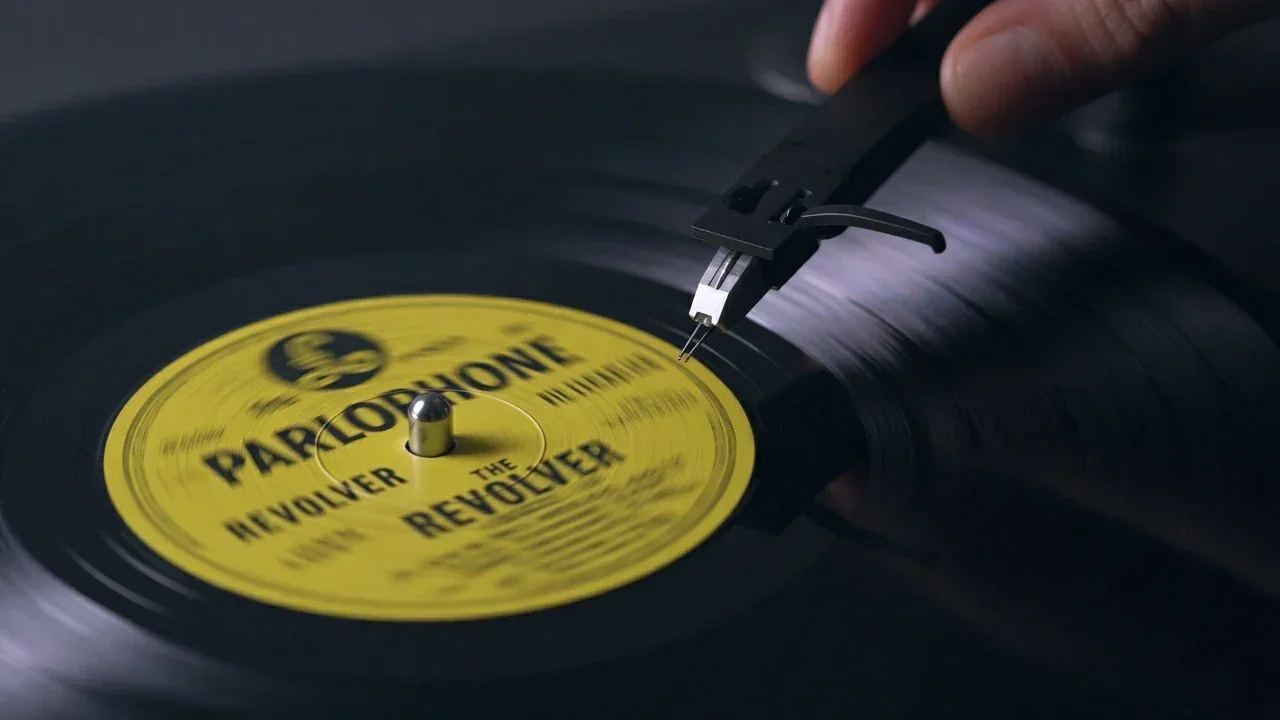
Image Source: Keep Them Spinning
Overall, Revolver is an experience rather than just a collection of songs. It is a peek into the inner worlds of The Fab Four and, yes, a bridge between two eras. Revolver features songs fans of both the early, more poppy sound of the group and of their more psychedelic or “mature” later era work can enjoy. However, despite the mostly cohesive quality of the album, some of its more esoteric elements may be to its detriment for some listeners, particularly on Harrison’s “Love You To” and Lennon’s “Tomorrow Never Knows.”
With each Beatles album, there comes the ever-debated issue of which version you should listen to. The 2009 remastered version, 2022 stereo remix, and original mono mix are all available on streaming services, so there are plenty of options in that regard. The mono mix is what The Beatles spent the most time crafting and is “truer” to their vision in that regard. Indeed, it still holds up well today even on modern headphones and sound systems and is this writer’s preferred method for listening to the album on streaming. However, the 2022 remix by Giles Martin is also a solid listen that brings the clarity and energy of the mono mix to stereo and is also a good listen. Unfortunately, the 2009 remaster of the original stereo mix, which features hard-panning of the instruments and vocals and thus is not a good listen through speakers or headphones. If you intend to buy the album physically, the best option without breaking the bank or going on a massive Discogs or eBay search for that one specific pressing would be the 2022 special edition, released on CD and vinyl. For those wanting the mono mix, your best option would be to get the full 2022 boxset, which is pretty expensive, unfortunately. Regardless of how you decide to listen, Revolver is a quintessential album that acts as not only a bridge between the two eras of The Beatles but of pop music as a whole as well, and it is still a fine listen to this day.
CultureSlate: Made by humans, for humans.
Please consider supporting our AI-free content via our Patreon page.
READ NEXT:
Latest News

Featured





• All sizes are adult unisex
• Printed art on the front
• 100% cotton
• Pre-shrunk fabric
• Shoulder-to-shoulder taping
• Culture Slate Exclusive Design
See more products here