
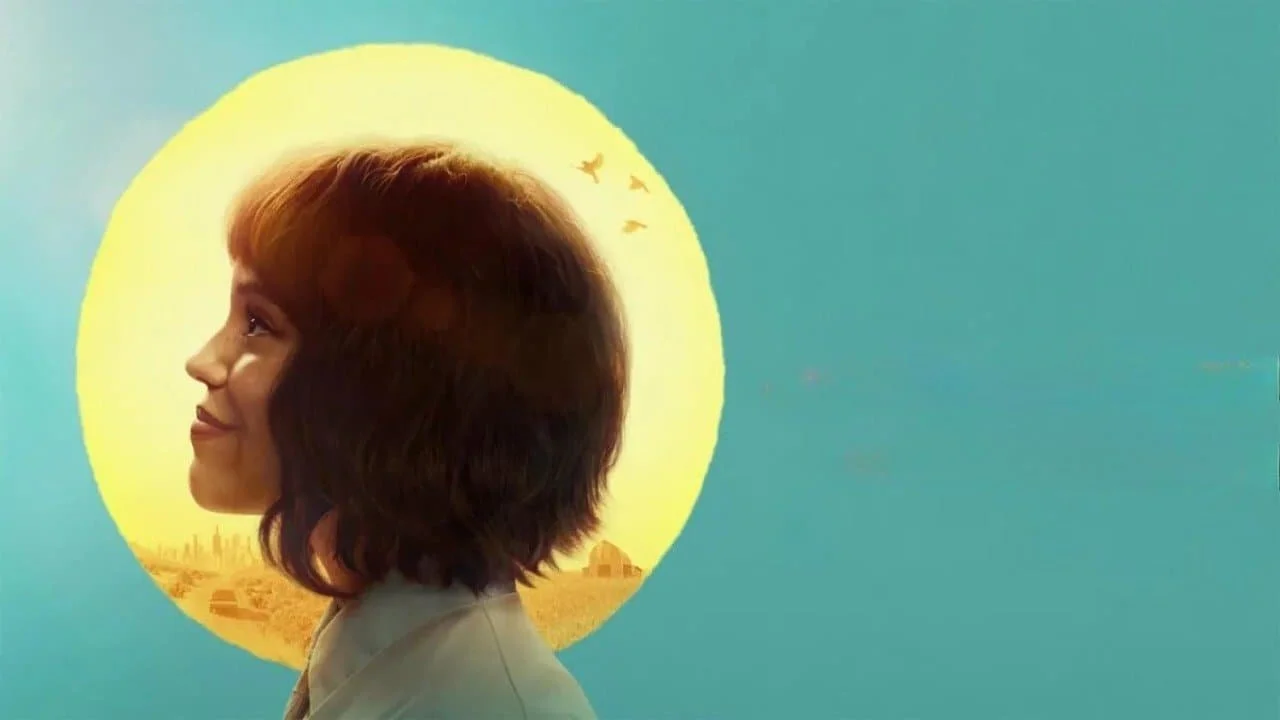
Image Source: MoviezArk!
In 2021, Kazuo Ishiguro published his 8th novel, Klara and the Sun, about an Artificial Friend (AF) named Klara who hopes to be chosen by a human child. She bonds with a girl named Josie, but as Josie’s health declines, Klara prays to the sun to save her. This deeply moving sci-fi novel exploring love and friendship is my favorite book; I've read it three times since a 2022 recommendation. Sony’s 3000 Pictures and producer David Heyman acquired the film rights in 2020. Davhi Waller was tapped to write the screenplay in 2021, and Taika Waititi was confirmed as director in 2023. I'm a huge fan of Taika Waititi. After What We Do in the Shadows, I loved Boy and his stellar run of Hunt for the Wilderpeople, Thor: Ragnarok, and Jojo Rabbit. However, his standing slipped in the 2020s; Thor: Love and Thunder drew mixed reactions for its tone and effects, and Next Goal Wins was a critical and commercial disappointment.
I, for one, never thought either film deserved the negative reputation they’ve garnered over the years. I’ve held out hope that Klara and the Sun would be the movie to put Waititi back in the good graces of his once-adoring public. My unreasonable expectations for this film were inevitable, given that one of my favorite filmmakers was adapting my all-time favorite book. I’ll be the first to admit that my anticipation for this film was so immense that my hype levels rivaled those I felt for blockbusters like Star Wars: The Force Awakens or Avengers: Infinity War. And now it’s finally here.
To quickly get into it, Klara and the Sun isn’t a bad movie. I don’t believe this film warranted such harsh critical backlash, nor did it deserve the dumbfounding release strategy Sony subjected it to. Nothing here justifies Sony holding the movie hostage for so long and being so afraid to release and market it. That being said, as an adaptation, the film has issues and it isn’t Taika Waititi’s triumphant return to his days as the Oscar-winning auteur who gave us Hunt for the Wilderpeople, Thor: Ragnarok, and Jojo Rabbit. While the film is overall quite good, it is not without its flaws. On the surface, that doesn’t seem like a bad thing. But remember, unreasonable expectations can always come back to bite you in the butt.
RELATED:
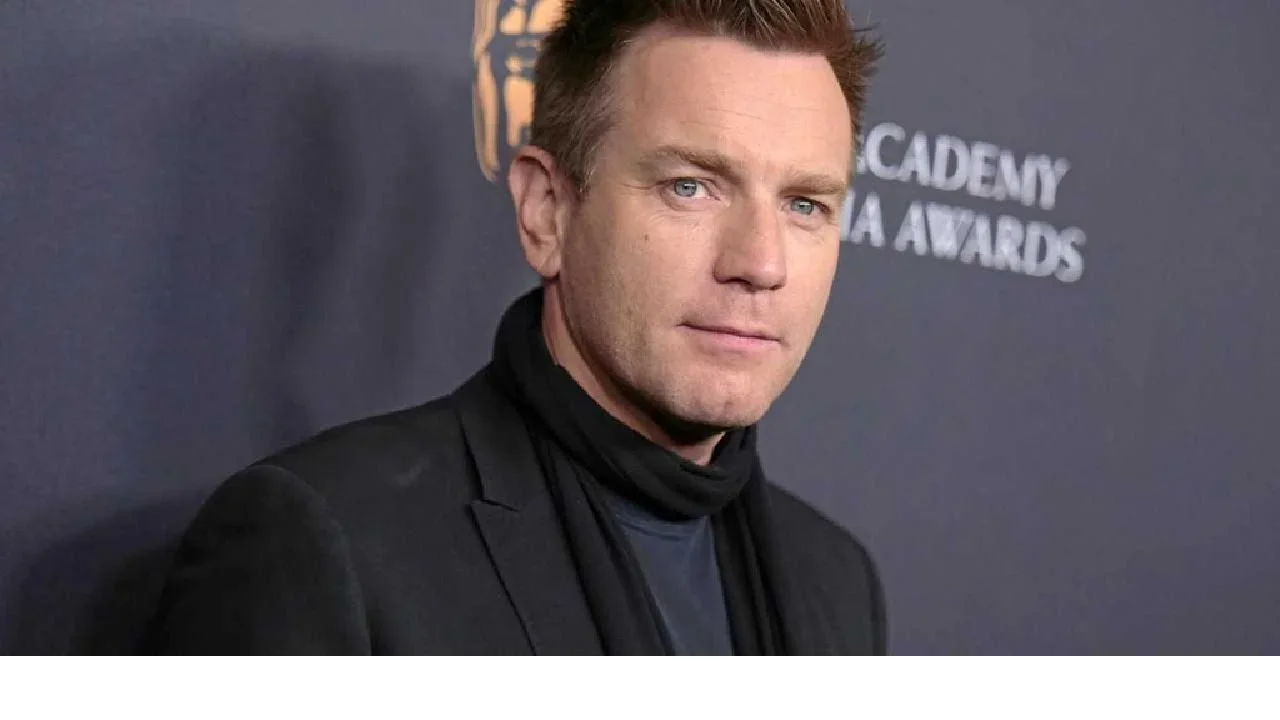
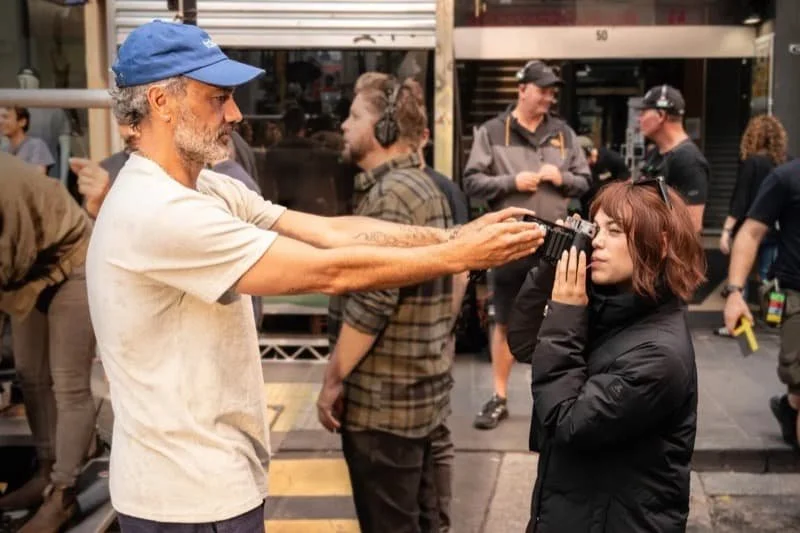
Image Source: Deadline
Your enjoyment of Klara and the Sun ultimately hinges on two main factors: your personal connection to the source material and whether Taika Waititi’s filmmaking style resonates with you. The film maintains the basic setup of Klara longing for companionship and eventually finding Josie. Klara and Josie’s friendship is still the emotional center of the story, as is Klara’s learning of the true meaning of love. The film and the book diverge primarily in tone. Taika Waititi pivots away from the source material’s contemplative, somber, and often heartbreaking atmosphere and instead injects his signature humor that makes the narrative more quirky than melancholic. Klara’s characterization is also very different in the film. In the book, Klara is more observant and quiet as she tries to navigate her new friendship with Josie. In the film, Klara (Jenna Ortega) is more childish, wide-eyed, and energetic. Other key differences include making Josie (Mia Tharia) more consistently empathetic toward Klara, Rick’s (Aran Murphy) minimized role, a different ending, and the removal of Josie’s father (who was to be played by Simon Baker). Waititi doesn’t make the story unrecognizable, as some critics claim, but Klara and the Sun is not a 1-to-1 adaptation. Waititi’s visual direction is solid, capturing the warmth and color of Klara’s world just as I imagined. His fluid camera work and first-person perspective shots—especially when Klara processes her surroundings—are highlights. By using light to reflect Klara’s devotion to Josie and the sun, the film feels both warm and comfortable. While it’s disappointing that many interactions are reduced to a montage, the bond between Klara and Josie remains the heart of the film.
Where the movie may lose people is its humor. While Klara and the Sun isn’t necessarily a solely depressing read, its tone doesn’t seem to align with the signature style of Taika Waititi. On the page, Steven Spielberg and Tim Burton (back when he actually cared) would’ve been more obvious choices to bring Klara to the screen. Waititi talked a big game about how he toned down his humor for this film and how it was gonna be his most serious to date. I took this as Waititi doing for Klara what he did for Jojo Rabbit. Sadly, that’s not the case here. Despite what the marketing materials and Taika Waititi’s pre-release interviews implied, Klara and the Sun leans much further into comedy than anticipated. A lot of the humor stems from Klara’s inability to contain her personality and her frequent social faux pas. For the most part, the humor lands effectively, largely thanks to the actors’ performances. However, as the film descends into darker territory during the third act, you can’t help but wish those emotional undertones had been present throughout. The proceedings are beautifully complemented by Michael Giacchino’s lovely score. His score masterfully breathes life into Klara’s world, blending sweeping orchestral arrangements with evocative synthesized sounds. With his third score of the year—following Spider-Man: Brand New Day and The End of Oak Street—Giacchino further cements his reputation as the premier film composer today, a distinction he is poised to maintain with his upcoming work on Ray Gunn and as one of nine composers collaborating on Tony Gilroy’s Behemoth!
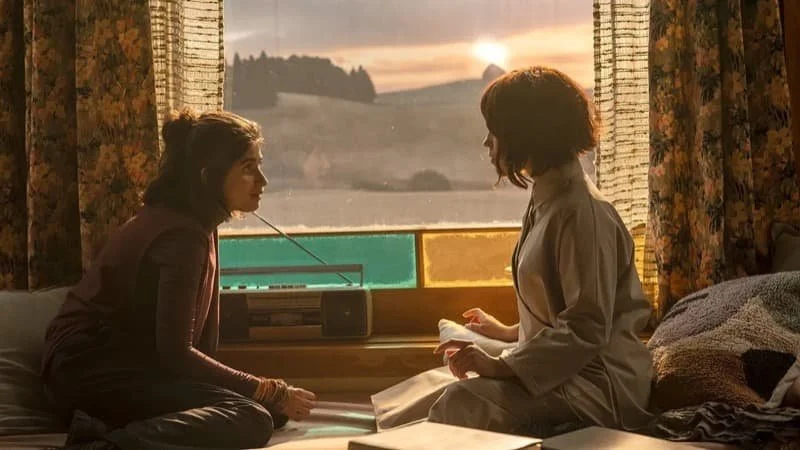
Image Source: The Hollywood Reporter
The performances are where the movie shines brightest. Jenna Ortega may not have been who I pictured in the role of Klara, but her undeniable talents help her play the role with ease. It’s quite clear that Klara is intended to be more neurodivergent-coded than the book portrays, and Ortega captures that essence without rendering Klara insufferable. A character who is emotionally stunted, sheltered, and constantly navigating social cues in a way that comes across as impulsive or intense feels unmistakably autism-coded to me. Jenna Ortega is undeniably charming as Klara, although her more juvenile traits—such as her steadfast devotion to the Sun—might lead some viewers to categorize her as the classic manic pixie dream girl. Or, in the case of this film, perhaps a manic pixie dream robot girl. The film survives on the strength of Ortega’s talents. Mia Tharia is also great as Josie. Even though the character is softened compared to her book counterpart, the chemistry between Tharia and Ortega remains undeniably intense and deeply moving, even in moments where she pulls away from Klara. Amy Adams’ portrayal of Josie’s mother, Chrissie, is hauntingly tragic and occasionally unnerving. Natasha Lyonne does the best with her limited role as Store Manager, as does Steve Buscemi as Capaldi. Rachel House is a surprising standout as Melania, frequently landing the film’s sharpest, funniest lines.
While Taika Waititi may have held back on the book’s more somber and emotionally taxing themes, his direction, combined with stellar performances and Michael Giacchino’s score, still makes for a compelling film, even if it falls short of the source material. Klara and the Sun may not be the life-changing masterpiece I was unreasonably hoping it would be, but it still overcomes its flaws. It can be cheesy, predictable, and a bit much at times, but there’s a loud and earnest beating heart underneath that is as infectious as it is effective. At its core, Klara and the Sun is a heartfelt ode to neurodivergence, and while it can go a bit overboard with sentiment, it mostly succeeds. Hopefully whatever Taika Waititi makes next will remind people of what a great filmmaker he can be. Will he ever top Hunt for the Wilderpeople, Thor: Ragnarok, and Jojo Rabbit? Maybe, maybe not. But if Jenna Ortega wants to come with him on his next project, count me in.
Rating: 7.5./10
Klara and the Sun is now playing in theaters. Rated PG-13
CultureSlate: Made by humans, for humans.
Please consider supporting our AI-free content via our Patreon page.
READ NEXT:
Latest News
Featured


• All sizes are adult unisex
• Printed art on the front
• 100% cotton
• Pre-shrunk fabric
• Shoulder-to-shoulder taping
• Culture Slate Exclusive Design
See more products here