
7 Childhood Films That The Twisted Childhood Universe Could Add To Its Lore
Image Source: DeviantArt
What started as one independent film made on a shoestring budget with negative reviews spawned into a franchise with an intricate in-film universe. From the criticisms of the script and the effects of the first film, Rhys Frake-Waterfield improved his craft. The effects were better, the characters were given grounded dialogue, and a darker origin story was presented. With classics like Peter Pan, Bambi, and Pinocchio getting a horrifying and bloody makeover, the Twisted Childhood Universe has plenty of Disney films perfect for bloodshed and horrifying nostalgia. Taking away the fairy tale aspects and looking into their origins, most of them are slasher films in the making.
Venturing outside the Disney universe, there are plenty of films with the potential for Jagged Edge Productions to explore what can happen if childhood staples were stripped of their kindness and guaranteed happy endings. Rhys proved in the first Winnie the Pooh film that just because Christopher Robin endured unspeakable horrors, tried to save others, and was overall a good person, his only saving grace (literally) was Pooh murdering someone else. That and the promise of his other “friends” of the Hundred Acre Wood coming back for revenge. Without plot armor and deus ex machinas, everyone is at the mercy of a childhood icon turned bloodthirsty villain.
RELATED:
7. 'Matilda' (1996)
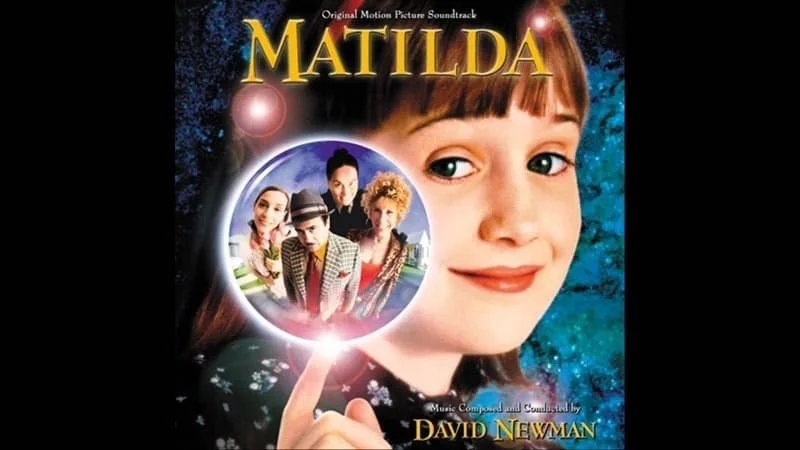
Image Source: i.ytimg.com
In the realms of horror, one of the hardest things horror film characters face is the concept of a young child being the villain of the story or a pawn. Considered to be the embodiment of innocence, no one wants to face the possibility of the child dying because of an evil force or the child being evil themselves. Born into a family that never understood nor appreciated her, Matilda maintained a cheerful and optimistic outlook on life. In spite of the many hurdles she faced, Matilda used her abilities to take care of herself and help others. However, it’s easy to forget Matilda punishing her father under the guise that “when a person is bad, that person needs to be taught a lesson”. In the film, this slip-up Mr. Wormwood made “introduced” Matilda to the “revolutionary idea” of punishing adults “only when they deserved it”.
While Matilda’s punishments toward her father were on the comedic side, with creative thinking, Rhys and Twisted Childhood have a near-perfect foundation for revenge against perceived wrongs, valid or not. Rhys has the potential to pull a bait and switch. Trunchbull returns to enact revenge on Matilda and Miss Honey for running her out of town. In a crazed rampage, Miss Honey is murdered, resulting in Matilda being left alone and put into the foster system. With her biological family still on a “permanent vacation” and her maternal figure taken away, Matilda grows up broken and eager to avenge Miss Honey. Grief-stricken, she remembers her powers manifested from her family’s and other authority figures’ insults and verbal abuse. Thus, she hones her telekinetic powers to punish those who wronged her, torturing them in Crunchem Hall. Viewers will see the return of the infamous Chokey and witness its full potential.
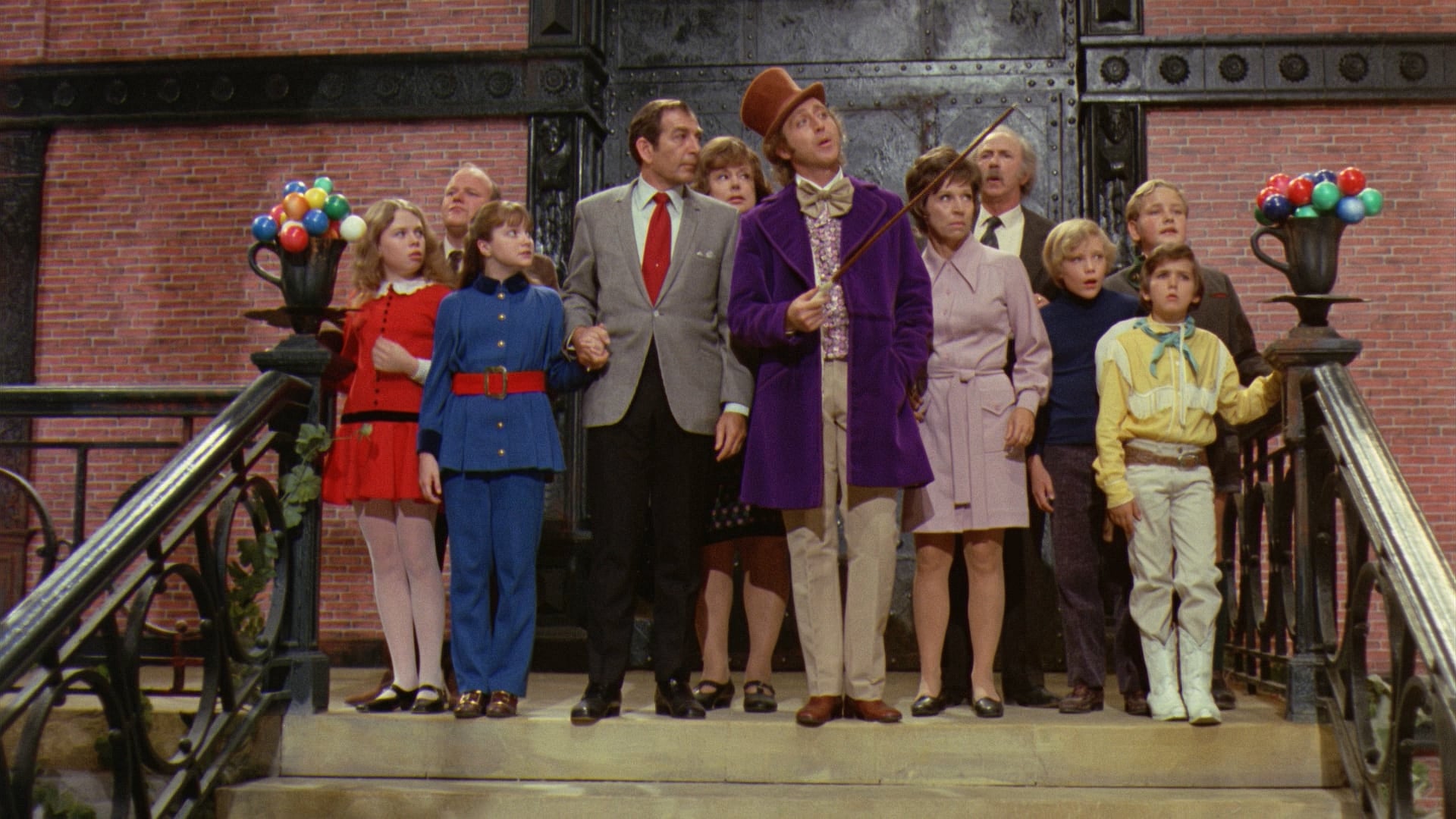
6. 'Willy Wonka And The Chocolate Factory' (1971)

Image Source: image.tmdb.org
Entering a world of pure imagination is not always delicious candy, boat rides, and golden tickets. Instead of inheriting a profitable candy empire, the golden tickets are the “winner’s” ticket to whether or not they will make it out of the chocolate factory alive. The children find the golden tickets in a sort of lottery-style game, but what if the tickets were not won by chance? The golden ticket "winners" are a test Wonka gives to the world as he sees fit, just to see who will play his game. Each ticket holder comes from different realms of the globe with limited connections outside of family, and they attend with their child. It's the perfect crime; easy and prone to adapt with the times.
Like Jigsaw, Willy Wonka makes each room and wing of his factory to cater to each person's vice. Augustus, Violet, Mike, Veruca, and Charlie were meant to be the golden ticket winners. Even Charlie and Grandpa Joe were tempted by Fizzy Lifting Drinks, only to be saved by dumb luck. Had Charlie and Grandpa Joe met their end due to Fizzy Lifting Drinks, Charlie's death could rival that of the other children's probable demises, whether their fates are referenced from the film or the book.
Augustus drowns in the chocolate river, but to amp up the horror, his body is rendered down to make the delicious fudge Willy Wonka mentions when Augustus gets stuck in the pipe. Violet is turned into a blueberry, but the attempts to squeeze the juice out of her are a veiled way of squeezing her to death. Veruca falls down the garbage chute (or is pushed) and is burned alive in the furnace. Mike is shrunk and transported into a television. Some creative licensing is allowed, as Mike can be killed while in the television or not all of the "million little pieces" of him were put back together. If Rhys wants to reference the book, Mike can be stretched on the rack until dismembered.
In Willy Wonka's Golden Ticket lottery, he is the only victor. The house, or factory, always wins. If all of the children and their respective parents happen to be killed during the tour, Wonka is rich enough to cover his tracks. He can pay off his Oompa Loompas to keep quiet and offer hush money to the rest of the children’s families. If Charlie and Grandpa Joe were to die, Wonka’s hush money would get them out of poverty at the cost of losing the family member who seemed to be the one who kept them all together.
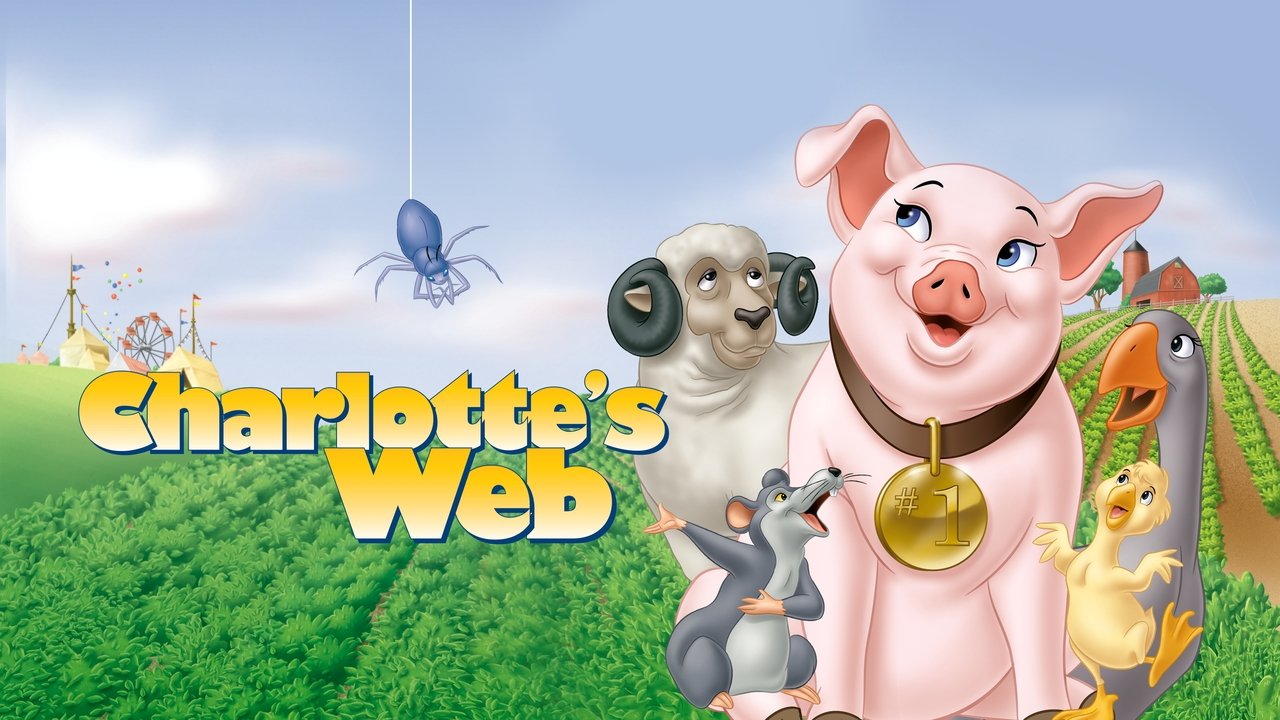
5. 'Charlotte’s Web' (1973)

Image Source: image.tmdb.org
Animals in horror films are nothing new, especially when the animals in question are the ones inflicting the atrocities. While Rhys’s debut film had humans taking on animal-like appearances and behaviors to inflict and invoke horror on those around them, a horror retelling of Charlotte’s Web removes the guest work of having humans to become the animals to be scary. Relying on the dark side of an animal's baser instincts, the horror element will have a stronger base in reality.
Wilbur, having nearly lost his life as the runt of the litter, felt heartbreak all over again upon discovering he would be destined to be slaughtered once older and bigger. Without Fern to protect him, Wilbur will need a friend just like in the animated film. Enter Charlotte, but this Charlotte is a cunning misanthrope whose webs weave more than Wilbur’s faith in her saving him. Charlotte’s webs are her tools to expose Wilbur to the dark side of human nature and his baser instincts. Already given the knowledge of his impending doom by accident, Wilbur will be susceptible to Charlotte’s philosophy and influence. As a spider, Charlotte is prey to humans and hides in the shadows for protection. Within the shadows, Charlotte witnesses how brutal humans can be, especially farmers. Relaying what she sees, exaggerated or truthful, Rhys allies with Wilbur Charlotte, making him a reluctant participant, allowing the story to maintain a cohesive plot. This can also test his friendships with the rest of the farm animals, despite the “lots” they have in common.
The other animals will appear, some will join Charlotte, such as Templeton the rat and Samuel the sheep. Some will be on the fence or bystanders like Ike the horse, but one will try to save the humans. Gussy the Goose, remembered for the way she repeated the last word of everything she said three times, tries her best to warn those who come to the farm. Only her cries go on deaf ears as no one understands her. Lured by Charlotte (and possibly assisted by Wilbur), Gussy works through her speech impediment to reveal Charlotte’s dark doings. The first coherent thing she says can be the word “Run.” However, it will be too late. Templeton can feast on the remains of Wilbur and Charlotte’s victims, and Charlotte can keep him alive so long as it benefits her.
4. 'Shrek' (2001)
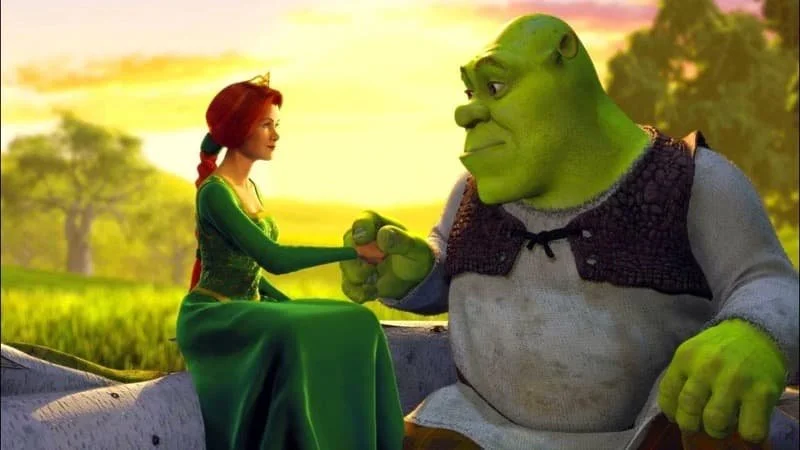
Image Source: YouTube
Shrek entered into the world subverting fairytale expectations, mocking the concepts of “happily ever after” and “true love”. Possessing great strength and the desire to be left alone, Shrek is content living in a swamp, feasting on whatever bugs, rats, and fish he finds. Enjoying the practice of scaring away villagers trespassing in his swamp with the horrors of what he was to do with their bodies, Shrek was able to enjoy his life of solitude until he quest to save Princess Fiona. However, what if the ways Shrek described using a human’s body were true?
An ogre can only live so long on bugs and fish. After another day of scaring off villagers, one could try to stand their ground, eager to take Shrek in and claim the reward. In the end, the villager ends up dead. Rhys can leave it up in the air if Shrek kills the villager out in self-defense or not. Nonetheless, this triggers Shrek’s bloodlust and desire to consume human flesh. In the aftermath, Shrek uses what he cannot eat for everyday use (i.e., suits made out of skin). When he decides to go on his quest to save Fiona, Shrek meets someone also cursed with turning into an ogre. The only difference is her desire to rid herself of turning into a beast. Shrek can show Fiona how much “better” it is being a monster feared by everyone by choice than a princess cursed to be alone due to circumstances out of her control. In the end, the two become a match made in hell. A bloodthirsty, murderous duo.
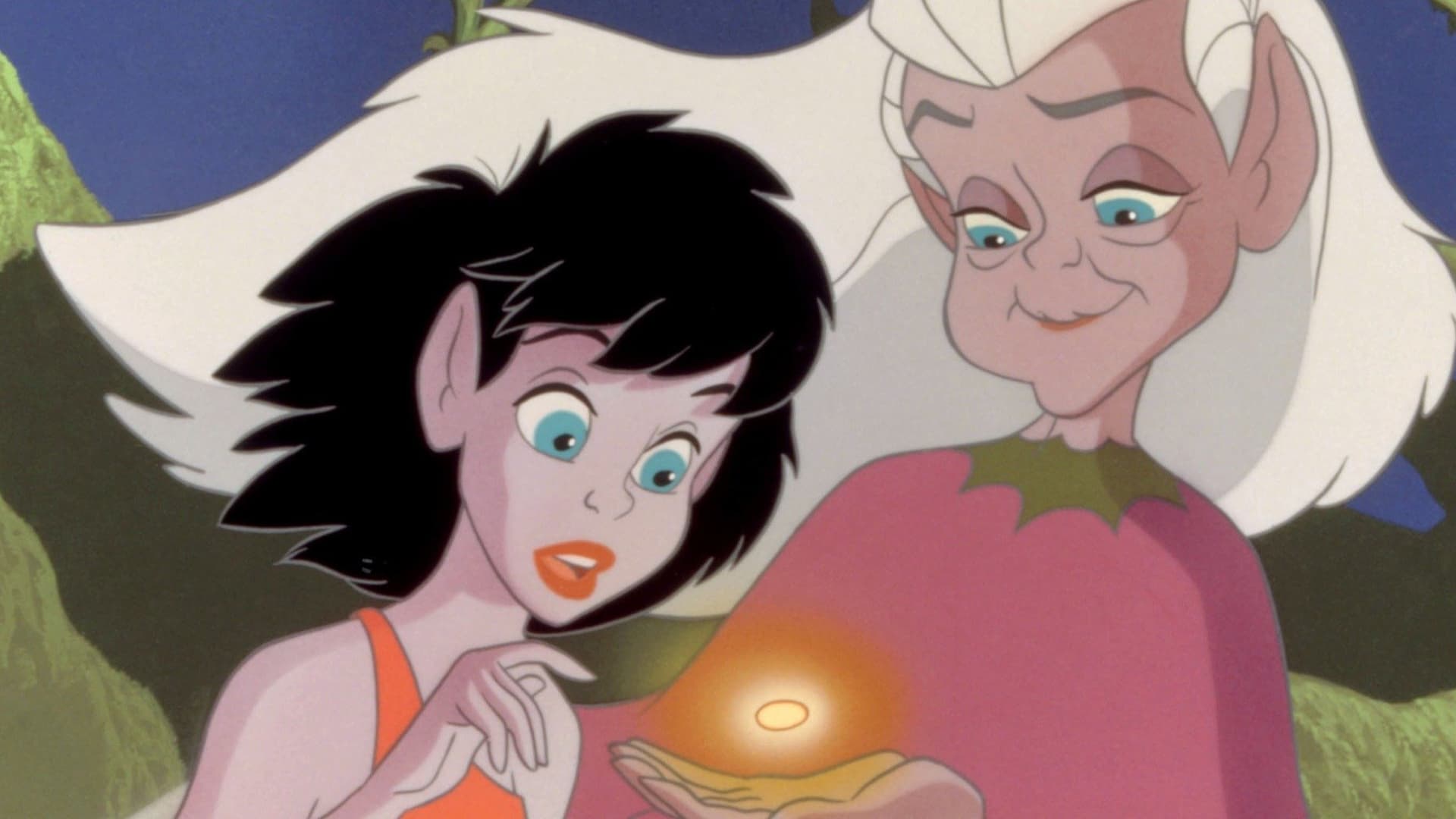
3. 'Ferngully: The Last Rainforest' (1992)
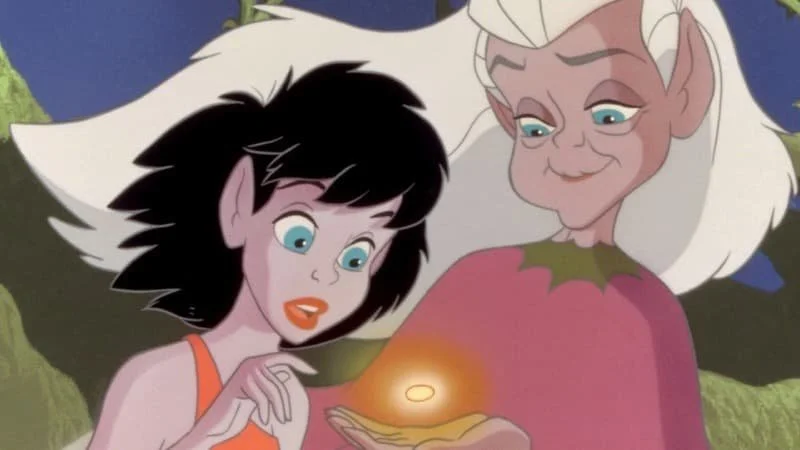
Image Source: tubitv.com
In childhood, fairies were marketed as jovial winged creatures spreading joy and delight. Depicted as beautiful and traditionally good, fairies fell under a spectrum; the term fairy covered a variety of “ethereal creatures or sprites” such as goblins, pixies, and gnomes. The fairies of FernGully: The Last Rainforest fell under the typical category of beautiful, anthropomorphic creatures, using their magic to protect their home against loggers and their primary villain, Hexxus, the embodiment of pollution and destruction. Film Producer Wayne Young made a film “blatantly environmental” without being too “preachy.” A beloved childhood classic, Rhys has the chance to make the film horrifying.
Mount Warning is the perfect name for a burial ground. Crysta and the other fairies of FernGully might have lived in harmony with humans, but the reality of the situation is that the fairies are the true villains. The story of Crysta saving Zak from being crushed was merely a story; Zak was crushed and buried on Mount Warning. The fairies of FernGully have the potential to disguise themselves as traditionally beautiful creatures to lure their victims, similar to that of sirens, but behind their beauty lies an evil rivaling that of Hexxus. Of course, Hexxus will reappear. What will change is his allegiance to the fairies of FernGully.
Powered by the pollution of human machines, the fairies changed Hexxus’s power source not from the human machines but rather from the human corpses. The lack of machine emissions weakened him, but out of desperation (or curiosity), Hexxus garnered his strength from humans the fairies killed. Possessing them was nothing new to him, but Hexxus gaining a new strength from the emissions from corpses can evoke new feelings of unease and fear in viewers. Body horror doesn’t have to be restricted to the living. Hexxus can drain the corpses for power, and the fairies can turn what remains into the trees of FernGully, their bodies becoming the fairies’ homes. No rest for the dead if the fairies of FernGully are bloodthirsty goblins underneath the false beauty. Let’s have the “world and all the people in it” see Hexxus “suck [humans] dry, and spit them out like spinach.”
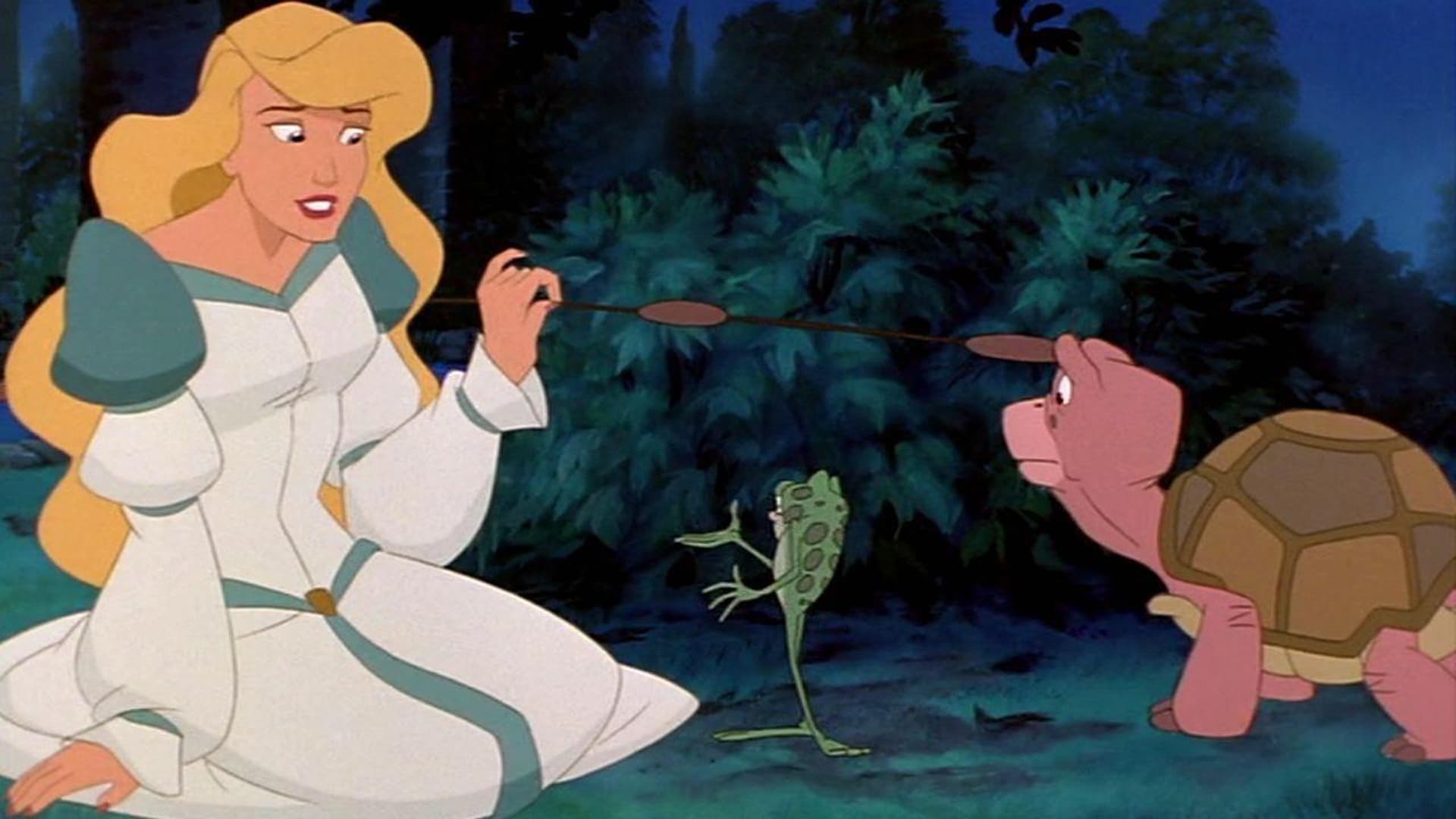
2. 'The Swan Princess' (1994)
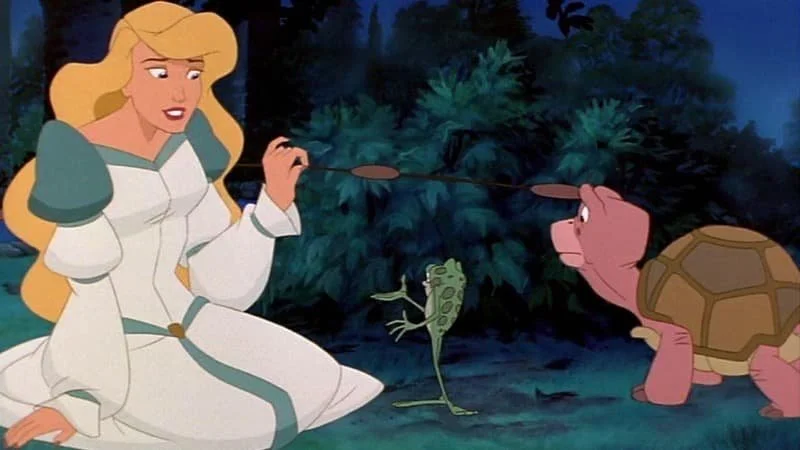
Image Source: image.tmdb.com
When “beauty is all that matters”, the lengths someone will go to obtain that beauty make for a perfect setup for horror and social commentary. Odette grew up being told she was beautiful and not much else. Despite moments in “This Is My Idea” where Odette is shown to be intelligent, funny, and strong-willed, Derek is unable to think of another reason outside of her beauty for marrying her once the two are grown. The summers the two were forced to interact mean nothing, and this breaks Odette’s heart. Being kidnapped by Rothbart should be a bad thing, but Odette sees this as her way of becoming what she believes Derek wants. A game hunter, Derek was told that a “Great Animal” took and killed Odette, and thus vows to avenge her. In Odette’s broken-hearted mind, all she is to Derek is something beautiful he can stare upon. In response, she will become a “Great Animal”; one of beauty and grace. A swan through Rothbart’s magic.
Little by little, Rothbart contorts Odette’s mind and body to become a swan. With the help of the forest animals—Jean-Bob the frog, Speed the turtle, and Lieutenant Puffin—they tend to the wounds they helped cause in Odette’s quest to become a swan. The harsh reality is that the transformation warps Odette into a monster. Whether this realization reaches Odette or not, the result is Odette destroying herself to become what she thought was someone else’s view of beauty, only to be remembered as a monster in folklore. Jean-Bob, Speed, and Lieutenant will be the only friends she will have in her life as her kingdom crumbles, and Derek lives a life without the love of his life, other than her tears and (maybe) her blood on his hands.
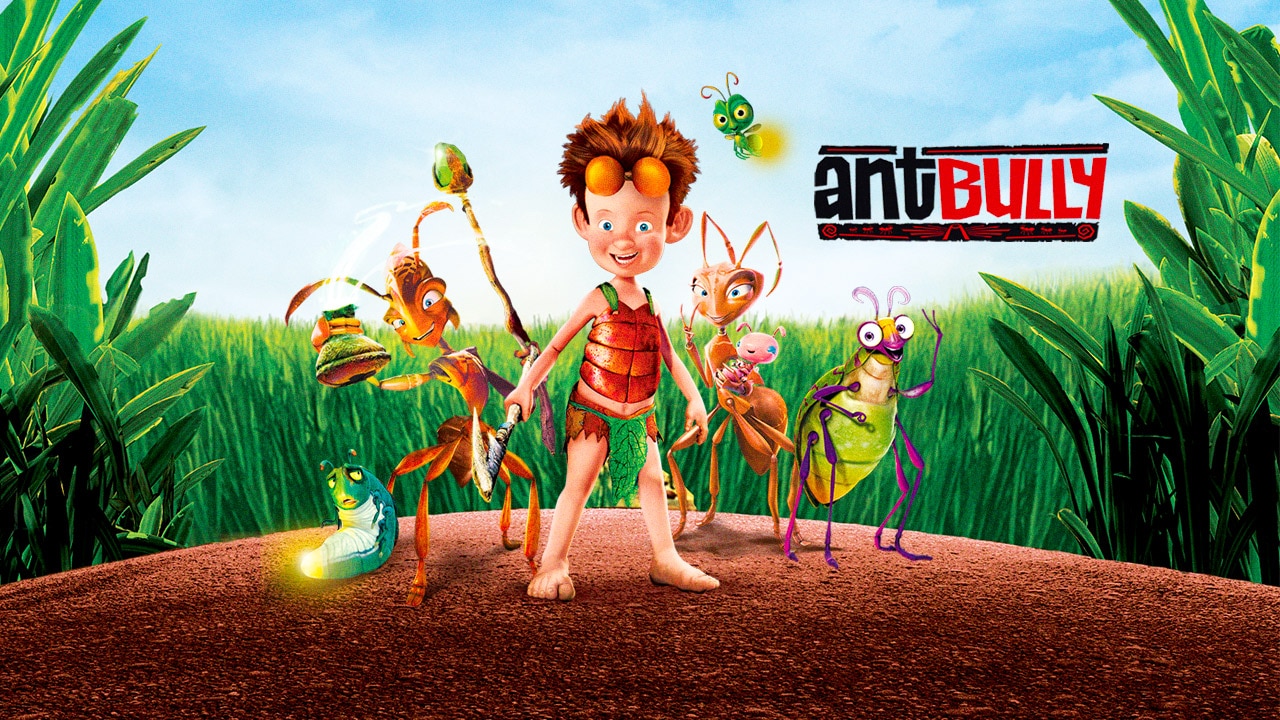
1. 'The Ant Bully' (2006)
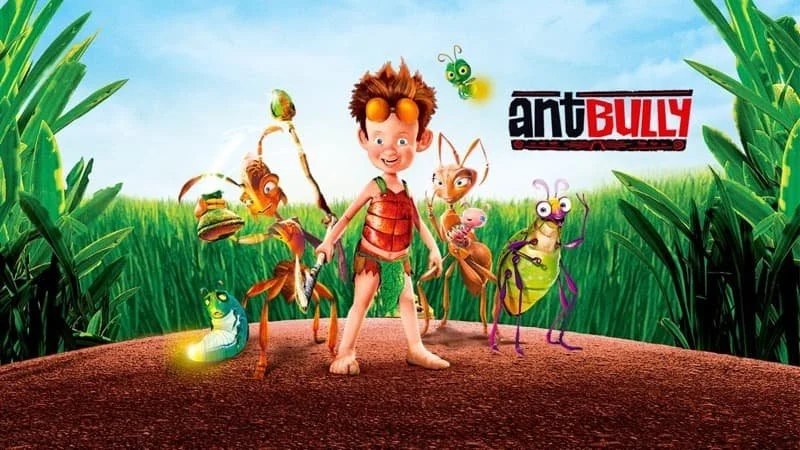
Image Source: v3img.voot.com
Another movie where a character is shrunken to come to terms with how their actions affect the lives of those they wronged, The Ant Bully has the potential to further explore shifting power dynamics. In the original film, Lucas learns the importance of community, the consequences of his actions, and the value of being more than what meets the eye. When hurt people hurt people, bloodshed is all but inevitable. Lucas destroying the ant hill after being bullied and being shrunken is a given, but where the queen gives Lucas the chance to rebuild in exchange for going home unharmed, Rhys’s The Ant Bully doesn’t have to make such a promise.
Combining the common fear of bugs with body horror experimentation, Lucas having to fix the damage he has done to the ant hill will have dire consequences. Drawing inspiration from The Fly, the consequences Lucas faces will be how much of his humanity will be lost if he rebels against the ants. Lucas defying the ants’ orders will result in slowly turning him into an ant. Perhaps the first offense causes Zoc to cut off one of Lucas’s hands and replace it with part of an ant’s leg so it can still function as a hand. The punishment for talking back can be the removal of his teeth, and Zoc using his magic to fill in the gaps with mandibles. Sadly, simple obedience won’t be enough for Lucas to maintain his humanity.
Hova was Lucas’s catalyst for wanting to do better in the original film, but Rhys has the potential to make her a force of quiet evil. Seeing all the atrocities Zoc is inflicting on Lucas for destroying her and her community’s home allows her to influence Zoc into trying new ways to break Lucas’s spirit. Where Zoc inflicts pain on the body, Hova hurts Lucas mentally. Dangling the promise of returning Lucas home first sounds like a dream come true, but the concept of returning home with parts of himself replaced with ant anatomy turns the dream into a nightmare. Lucas is trapped as a monster for his anger, never returning home and never part of the colony; just the sum of his remaining human parts.
Conclusion
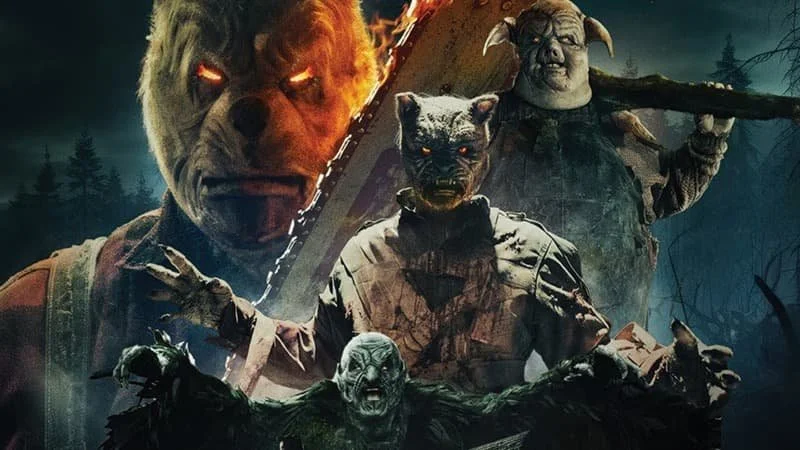
Image Source: i.ytimg.com
Horror movies are opportunities not only to test viewers’ ability to handle blood and gore, but to push the boundaries to make the mundane something to be feared. From dolls to technology, anything and everything has the potential to be turned against us. This is especially effective when utilizing icons from childhood. In an ideal world, both the childhood fixture and the person who loved them survive, but the horror genre forces us to confront just how far its characters and viewers will go to survive. What good is it to allow our love of Winnie-the-Pooh to live when he couldn't care less about it?
Less and less is becoming sacred in horror movies, and the Twisted Childhood Universe has more chances to test how far loyalty to a fictional character will go if lives hang in the balance.
READ NEXT:
Sources: YouTube, wikiwand.com, FernGully.fandom.com, imdb.com
Latest News
Featured


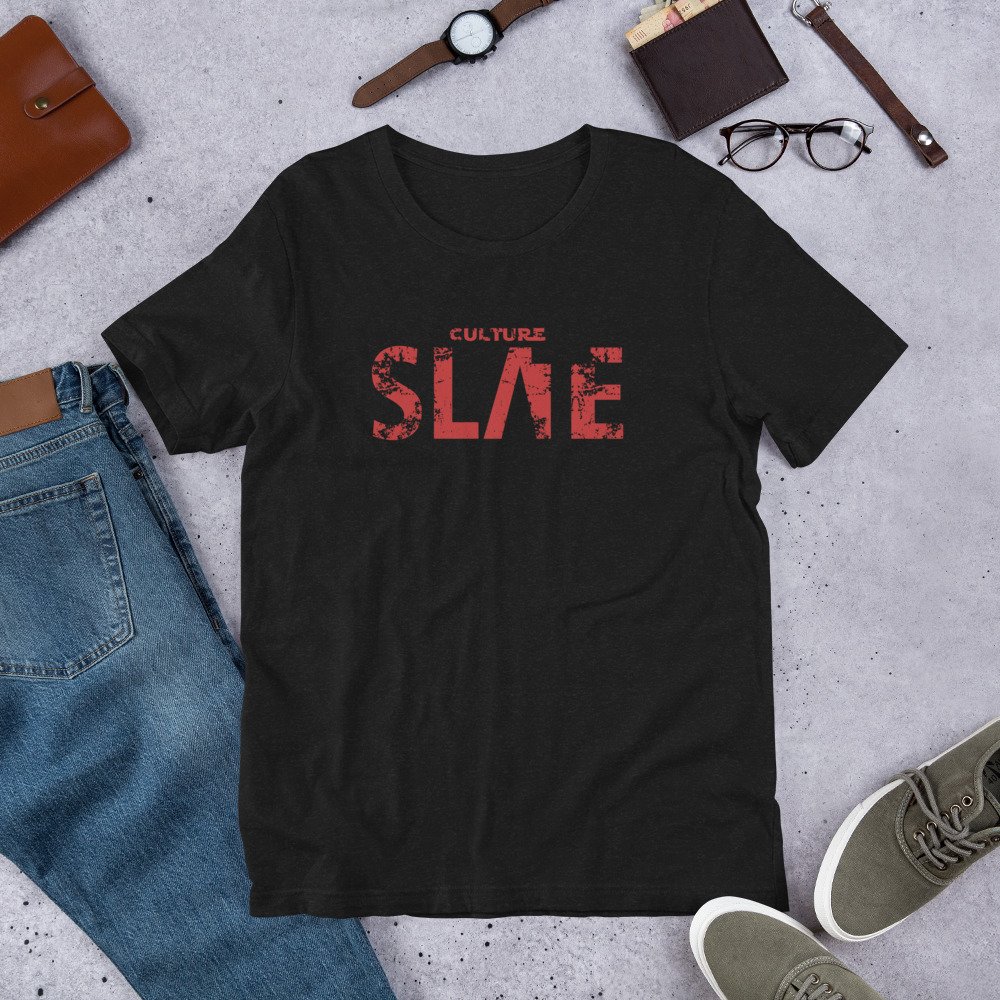
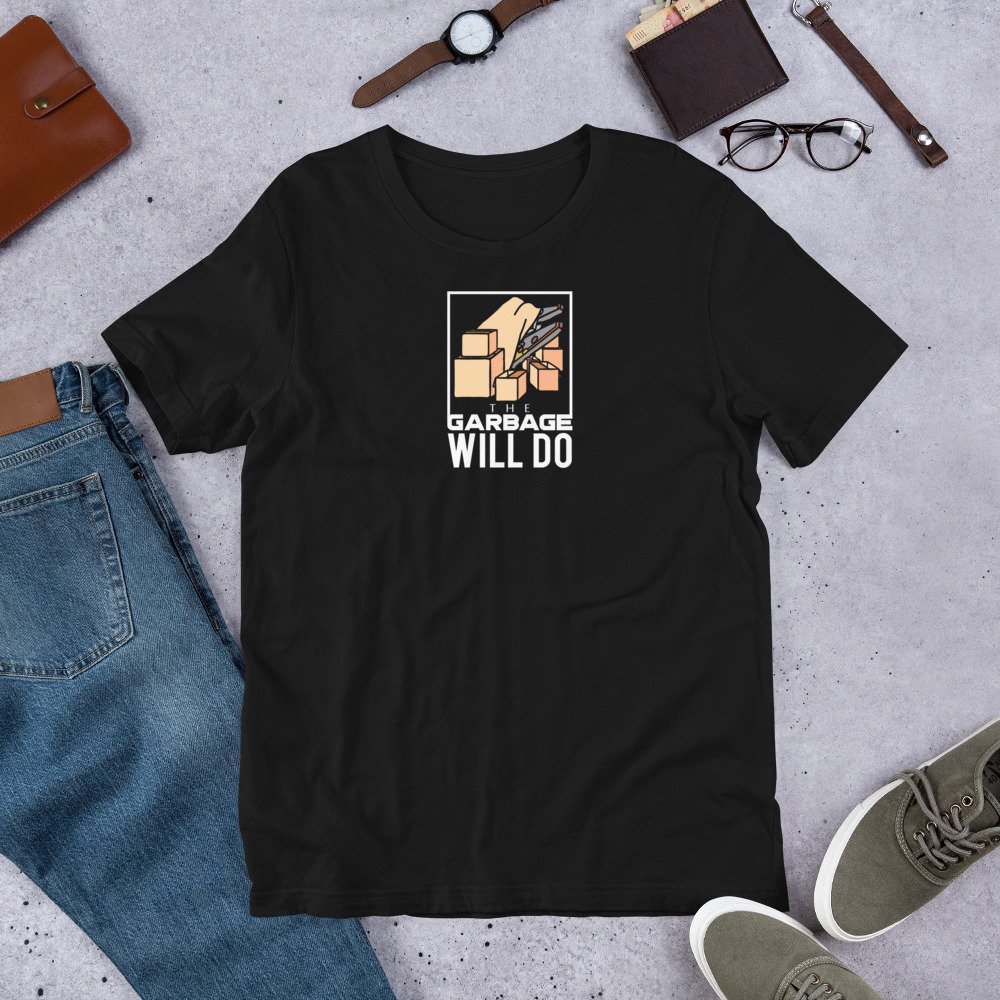


• All sizes are adult unisex
• Printed art on the front
• 100% cotton
• Pre-shrunk fabric
• Shoulder-to-shoulder taping
• Culture Slate Exclusive Design
See more products here