
The Disappointment Of CGI In Horror Films
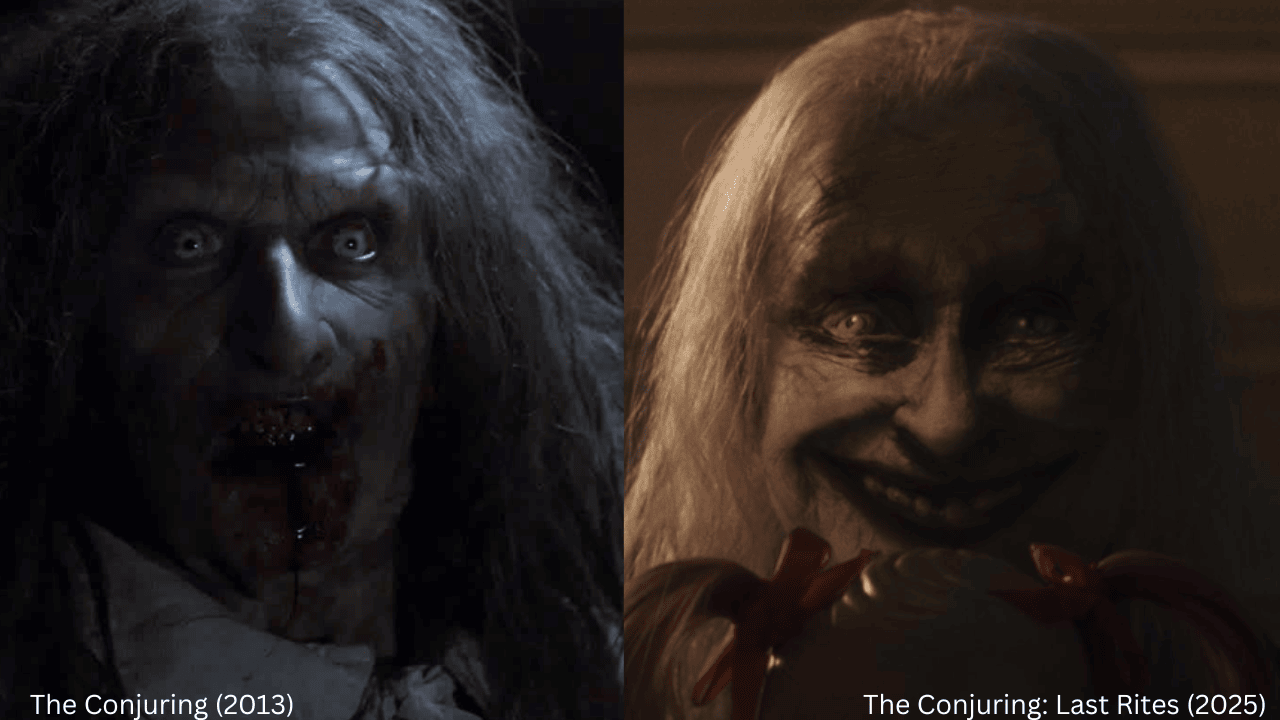
Image Source: CultureSlate
It is no secret that CGI has ruined more than one otherwise great film. We have seen this happen in action, sci-fi, and comedy films where costumes, locations, and monsters are done with CGI as opposed to using practical effects. The horror genre seems to have suffered the most from the boom in popularity of CGI. Rather than scary monsters and corn syrup with red food coloring, we are confronted by hysterically bad monsters that leave us laughing and disappointed. I have touched on this issue briefly in my History of Practical Effects article, but it seems like the genre has hit another low. A few months ago, we got our first look at The Conjuring: Last Rites, which is the final installment in the franchise, and we were left stunned and disappointed. One of the evil spirits makes an appearance in the trailer, and they are not only a prime example of horrible CGI, but they also left most of us feeling incredibly disappointed. For a franchise that has provided some phenomenal examples of practical effects, I personally can’t wrap my head around why they chose to go in this direction. Let’s take a look at both successful and unsuccessful examples of CGI in the horror genre.
CGI is not a new tool that filmmakers have at their disposal. CGI or computer-generated imagery has been around since the 1960s, and the first use of it in film can be traced back to Alfred Hitchcock’s 1958 film Vertigo, where they used computer animation in the opening. When Hollywood began leaning into the use of it in the 1970s, it was mostly used in sci-fi films like Star Wars and Alien. Directors like George Lucas and Alfred Hitchcock helped to evolve CGI into what it is today. It was originally used as a way to amplify practical effects, make people portraying monsters or aliens seem more real, and help space ships to actually soar through the air. There is no denying that there have been some incredible uses of CGI, like the dementors in Harry Potter, the creatures in Cloverfield, or practically everything from character design to locations in Avatar. Unfortunately, filmmakers have begun to lean too heavily into CGI, and it has led to horrible creations that ruined otherwise good films.
RELATED:

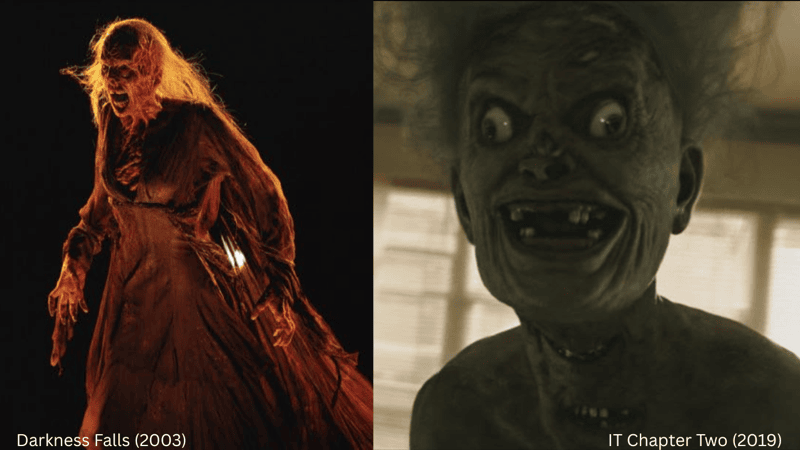
Image Source: CultureSlate
As CGI has evolved and become more popular, we are seeing more and more horror films that feature 100% CGI monsters. While this could be an opportunity to create something incredible, it is instead being used to create terrible versions of monsters that could easily be portrayed by actual actors. A great example of good CGI is the tooth fairy in 2003’s Darkness Falls. I saw this movie when it first came out when I was 11 years old, and it scared me so badly that I refused to put my teeth under my pillow and didn’t actually see the entire film until I was in my 20s! I had already seen movies like Jaws and A Nightmare on Elm Street, so I wasn’t new to the horror genre, but that creature terrified me. Even as an adult viewer, she is one of the best horror creatures I have seen in any horror film, and most of her appearance is achieved through CGI. The reason she is so effective, though, is that she is being portrayed by an actual person in a costume with SFX makeup, and then her movements are done through CGI.
By combining both CGI and practical effects, the filmmakers are able to achieve something realistic enough to be scary while also being larger than life. In IT Chapter Two, which was released 16 years after Darkness Falls, we are given one of the most poorly executed creatures in any Stephen King film. The old woman that Beverly is visiting turns into a zombie-like creature, and it's so bad that the entire theater was laughing. The biggest difference is that this creature was created using only CGI, so there is nothing real or scary about it. If horror filmmakers continue to trend in the direction of CGI-only creatures and monsters, we are going to end up with a genre that produces flops 100% of the time. Horror has been huge in revolutionizing practical effects, so seeing CGI taking over is more disappointing than seeing it take over almost any other genre. I really hope that the filmmakers realize how badly we don’t want this and begin to lean back into practical effects before they completely ruin the genre.
READ NEXT:
Source(s): StudioBinder

Latest News
Featured



• All sizes are adult unisex
• Printed art on the front
• 100% cotton
• Pre-shrunk fabric
• Shoulder-to-shoulder taping
• Culture Slate Exclusive Design
See more products here