
A World Without Jedi: How 'Andor' Proves That 'Star Wars' Doesn't Need the Force
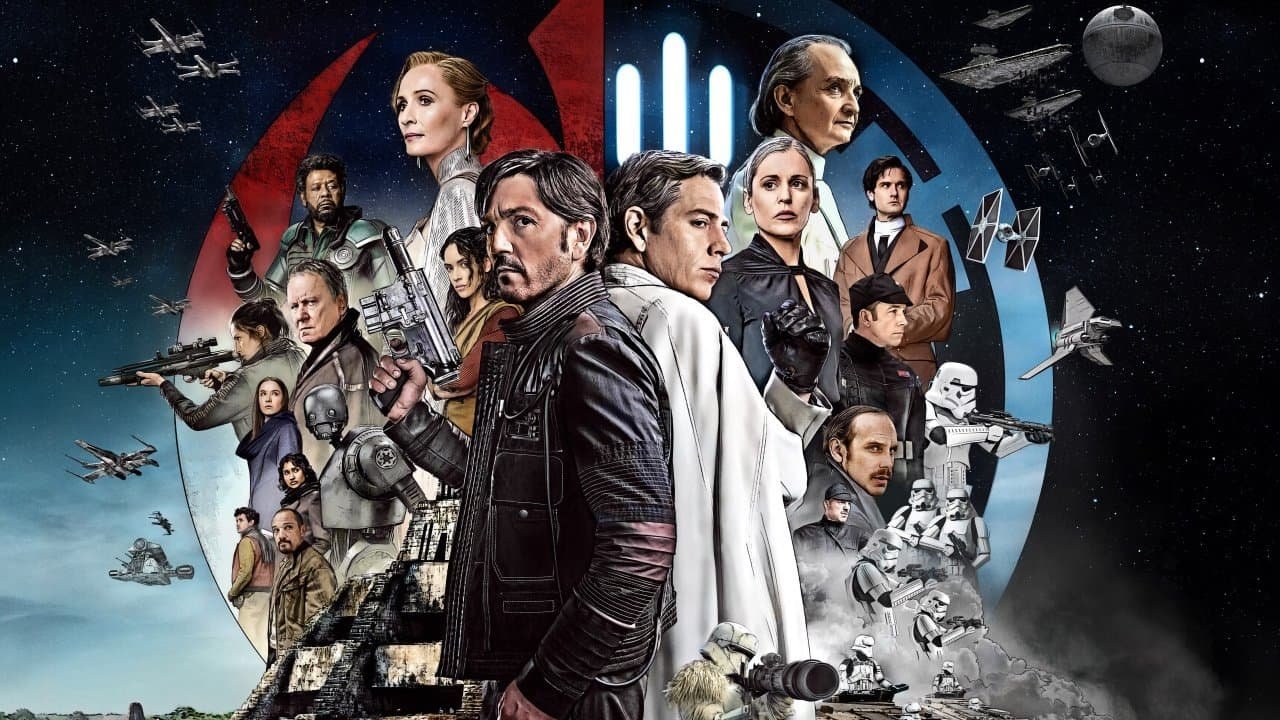
Image Source: starwars.com
If you were to ask any random person about what makes up the DNA of Star Wars, you'd very likely get at least one of the following answers:
Jedi
the Force
space battles
And these three ingredients of a successful Star Wars project probably haven't changed since 1977.
Strangely enough, Andor doesn't include any of these (although you could argue that Luthen Rael smashing the TIE fighters with the laser beams of his Fondor Haulcraft in season one counts as a space battle), the series still got rave reviews from the critics, a bunch of Emmy nominations and is widely regarded as one of the best Star Wars projects of the Disney era.
So, is the above no longer true? Does Star Wars no longer need Jedi and the Force?
The Original Trilogy presented the Jedi as mysterious beings who could somehow connect with and even control this strange energy field called the Force to influence the weak-minded or lift rocks or even space ships with their minds. True, you needed some (or a lot of) training to embrace and control it fully, but it seemed as if one's ability to ever become a Jedi was a coincidence or pure luck.
The fact that by that time only a very few Jedi still existed in the galaxy added to their mystery even more.
RELATED:
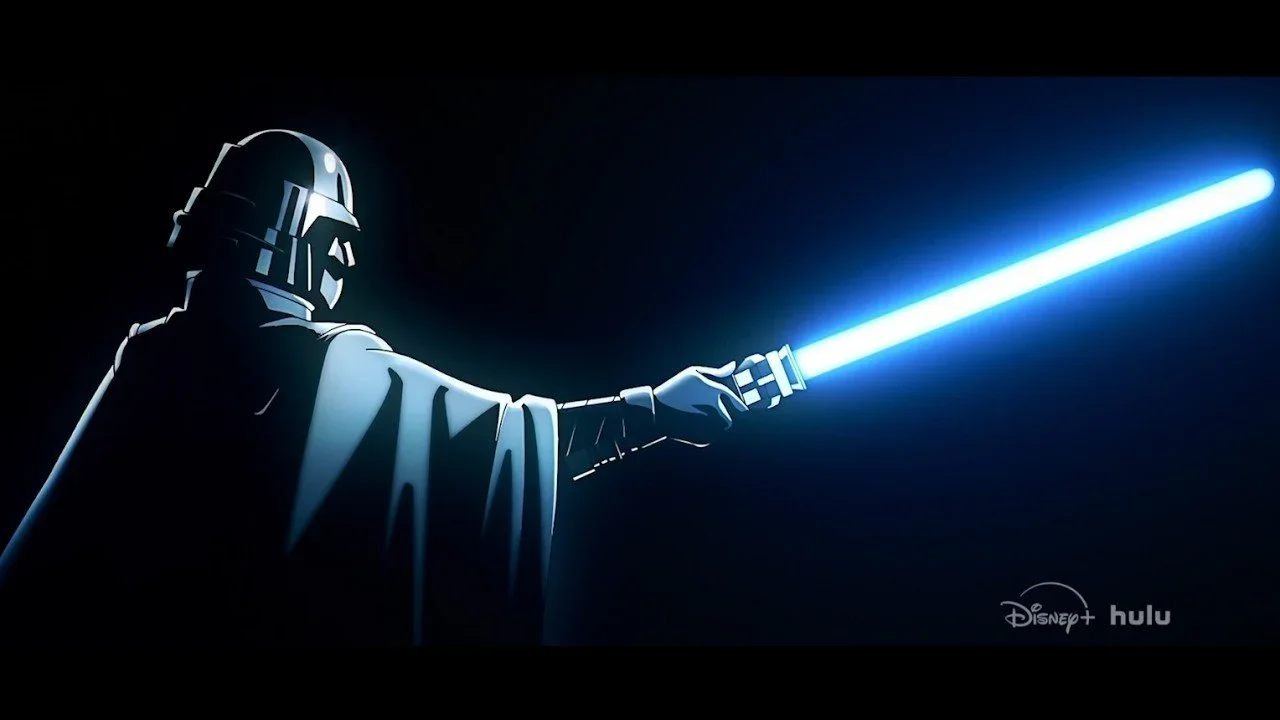

Image Source: D23
The Prequel Trilogy introduced the midi-chlorians, microscopic life forms that existed within every cell and constantly communicated with the Force, substituting coincidence and luck (and a lot of the mystery) with a somewhat scientific explanation. On the other hand, Episodes I to III introduced dozens of Jedi at their prime, doing things that were unimaginable before, and they also presented them not as these unstoppable and unfailing superheroes, but as deeply flawed and blind to the obvious truth that they were manipulated to do the bidding of the Sith.
The Disney era then returned the Jedi to a kind of folklore, oscillating between "everybody can use the Force and become a Jedi" (the broom boy from The Last Jedi) and "all you need is enough training, no matter your m-count or your connection to the Force" (Sabine Wren in Ahsoka).
While Force powers and lightsaber skills were still cool to watch, a Jedi now needed to have something really special (like the cuteness of Grogu or the way Luke Skywalker effortlessly sliced through the dark troopers in the season two finale of The Mandalorian) to leave a lasting mark on the audience's consciousness. The "rematch" between Obi-Wan and Vader at the end of Obi-Wan Kenobi was ok, but it also had nothing that we hadn't seen "faster, more intense" during the battle of the heroes on Mustafar.
So, creators started to come up with stories that didn't have to rely on the presence of the Force or the Jedi to be captivating. If Grogu were just a normal infant without any Force powers, The Mandalorian would still be a very good show, about a lone ranger who tries to make his living in a cruel galaxy and protect the other member of his clan.
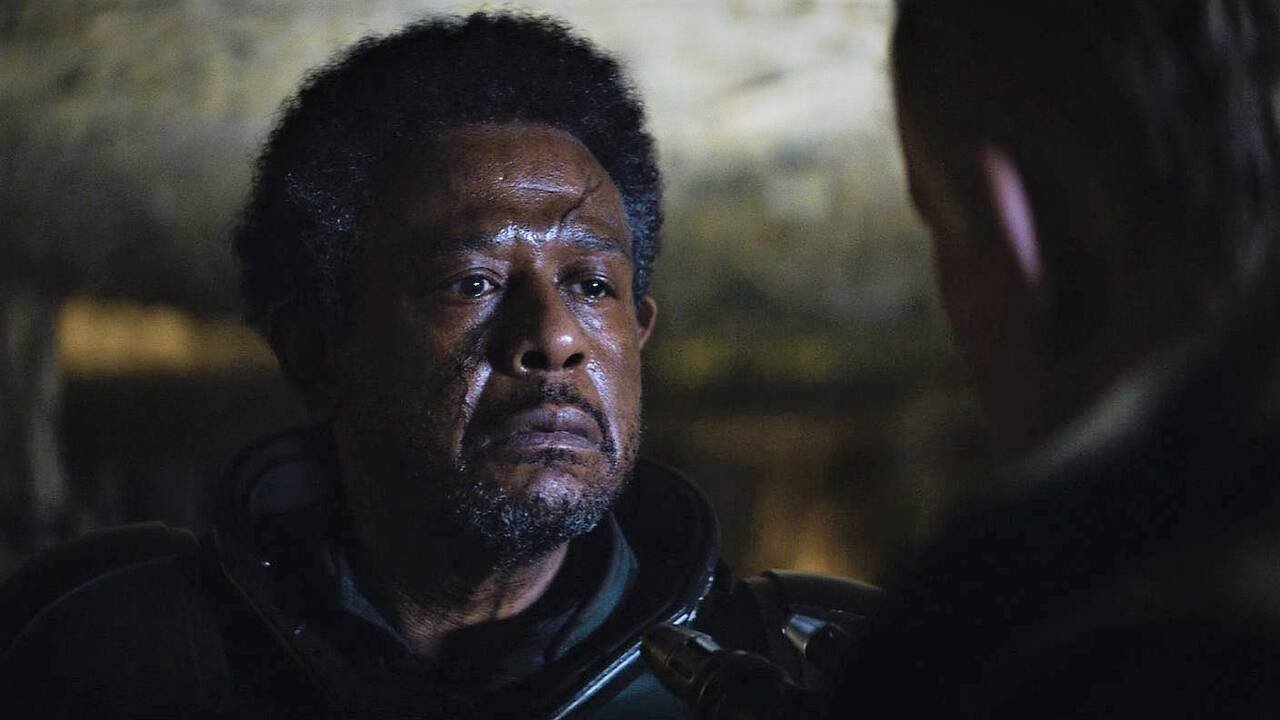
Regarding Andor, the show is not so much a Star Wars story as a story set in the Star Wars universe. A show about the suppression and cruel behaviour of a tyrannical regime, the rising resistance against this cruelty, and the story about the rise of a man who started as a non-caring street rat and became one of the most important members of the Rebel Alliance. The plot and the characters of Andor were so strong, so relatable, so "down to earth" that it simply needed no Jedi to steal money from the Empire or to spy on imperial bureaucrats. It needed no lightsabers, no Force pushes, and no mind-tricks. Ultimately, you would not have to change too much to have Andor taking place in our universe on our planet.
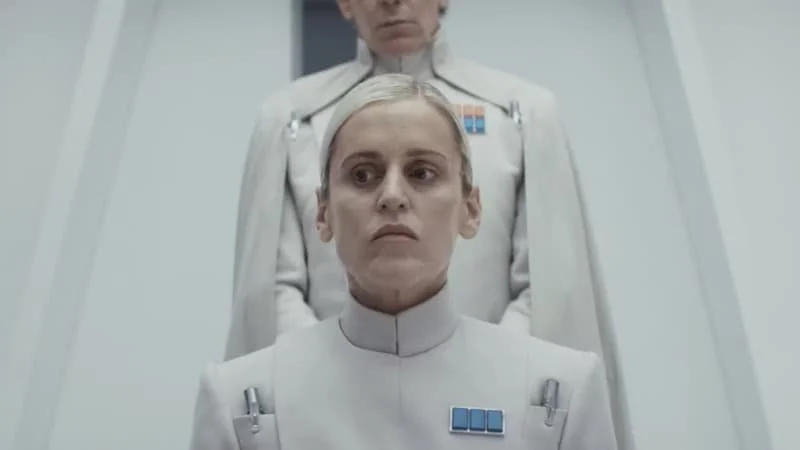
Image Source: Collider
Would the show still have worked if it had included Cal Kestis, Ahsoka, or some other Jedi? Probably yes, as it would have worked if it had included Darth Vader or the Inquisitors.
But Andor simply didn't need those. The show succeeded because it had exceptional writing, great directors, and a story that, in most cases, feels so "close to home" that it also appealed to non-Star Wars fans, who don't know or don't care about (to quote Han Solo) a "mystical energy field that controls my destiny".
Even before the Clone Wars, there were very few Jedi compared to the trillions of beings living in the galaxy, and although many of them probably knew about their existence, only very few had ever encountered one. So Andor proved that there are plenty of compelling stories to tell in the Star Wars universe that involve neither the Jedi nor the Force. They may be less epic than, let's say, the duel on Mustafar or Luke redeeming his father. Less epic, maybe, but still worth telling.
Lastly, it always boils down to: "It's the story, stupid."
It remains to be seen if future Lucasfilm projects will rely less on the Jedi and the Force, although it doesn't look like that. The Mandalorian and Grogu will surely show the little green guy even stronger in the Force, it would be surprising if Starfighter didn't include at least some element of the Force and, of course, James Mangold's Dawn of the Jedi and Rey's New Jedi Order film(s) will rely havily on this "ancient relegion".
But Andor is the living proof that Star Wars can be thriving and successful without Jedi, Force powers, and lightsabers.
READ NEXT:


Latest News
Featured





• All sizes are adult unisex
• Printed art on the front
• 100% cotton
• Pre-shrunk fabric
• Shoulder-to-shoulder taping
• Culture Slate Exclusive Design
See more products here