
Best Depictions Of Mental Health In TV And Film
Image Source: The Hill
In the early days of Hollywood, mental health situations were often treated as jokes, with the mentally unwell used as comic relief. Thankfully, this trend has decreased with many films and shows using their medium to portray the issues with compassion. This change led to some media becoming learning tools for those seeking to understand mental illness. One important thing to remember is that it’s not just the diagnosed that have to learn how to navigate the condition. Friends and family must learn too, so they can provide the best environment. While it takes more research than sitting down and watching a film, these can be great starting points to pique interest and inspire learning. Here are some of the best depictions of mental illness on the big and small screen.
6. Extremely Loud And Incredibly Close
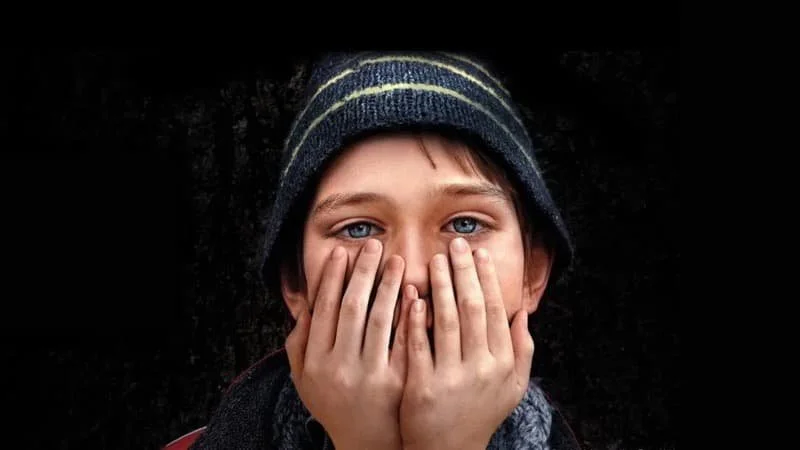
Image Source: The Movie Database
Extremely Loud and Incredibly Close is about an autistic boy dealing with the aftermath of the terrorist attacks of September 11, 2001. The boy lost his father in the attacks, but was left a key. The main character, Oscar, discovers a key that he thinks was a message from his father, leading him on an odyssey through New York City while everyone is struggling through the situation. His mom plays a large role and, of course, is struggling with her own grief. A few characters from the city join Oscar and create a kind of village for him. Rather than forcing him out, they enter his world carefully and show genuine compassion for the boy.
RELATED:

Oscar’s autism is displayed expertly through mannerisms rather than just exposition. The shot of him covering his ears and wincing in pain as planes and subways pass by, juxtaposed with the destruction of the Twin Towers, gives a whole new layer to the suffering the country endured on that day. At first, his lack of social skills encourages people he meets in New York to ignore or avoid him, but some people find a way to see past the nuisance and see the boy’s suffering. The title refers to the chaotic noise of the city, but also to how the characters surrounding him form a bond with the boy.
4. Still Alice

Image Source: IGN
Still Alice depicts an elderly woman struggling with dementia. The film focuses more on her daughter as the nature of dementia makes it difficult to tell from the suffering person’s point of view. But the film reveals the struggle of watching someone you know quietly slip away with a memorable descent into violence. This film is one that approaches dementia and Alzheimer's with compassion and empathy. At the same time, it doesn’t back away from the difficult conversations and leads Alice’s daughter and the audience on a journey learning how to navigate the condition.
3. A Beautiful Mind

Image Source: Alternate Ending
A Beautiful Mind tells the story of a math genius suffering from schizophrenia. The film brilliantly opens at Princeton with the protagonist Nash and his roommate Charles. After being employed by the Massachusetts Institute of Technology, Nash is recruited to decrypt Russian messages. After this, Parcher approaches him for a side decoding project. Later, it is discovered that neither Charles nor Parker exists.
The beauty of the film is that the audience experiences the same delusions as Nash. We fully believed that those characters were real until the revelation that they weren’t, and our perspective was shattered. While it is not a perfect replica of schizophrenia, the film offers an eye-opening insight into the condition.
2. Black-ish
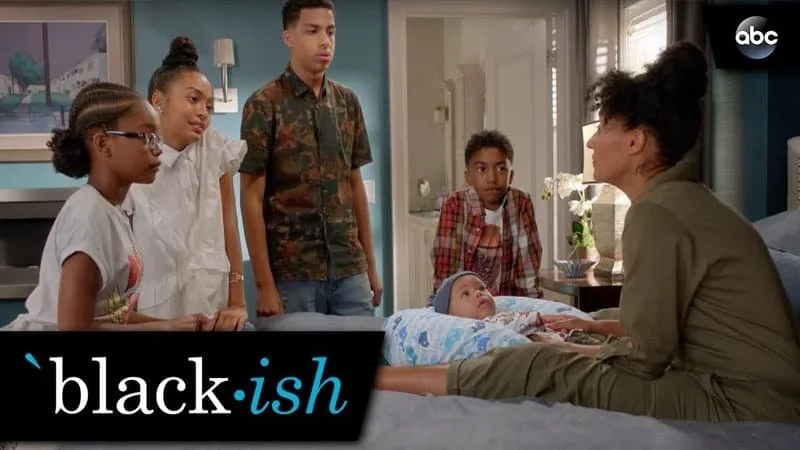
Image Source: ABC
Not all mental illnesses are permanent. After the birth of Dante, Rainbow Johnson spirals into a depression, revealed to be Postpartum Depression. As a sitcom, some of this is still played for laughs like her son Junior trying to take on a motherly role. But the key part of this arc is how the whole family steps up to take care of the baby and to be there for Rainbow. The show does an excellent job illustrating how her family, trying to provide for her needs, leads her to feel guilty and makes her depression stronger. The Postpartum isn’t anyone’s fault, and everyone is doing the right things, but the struggles are there regardless. At the time of its release, many women who had struggled with Postpartum praised the series for spreading awareness and sparking the conversation.
1. Adolescence
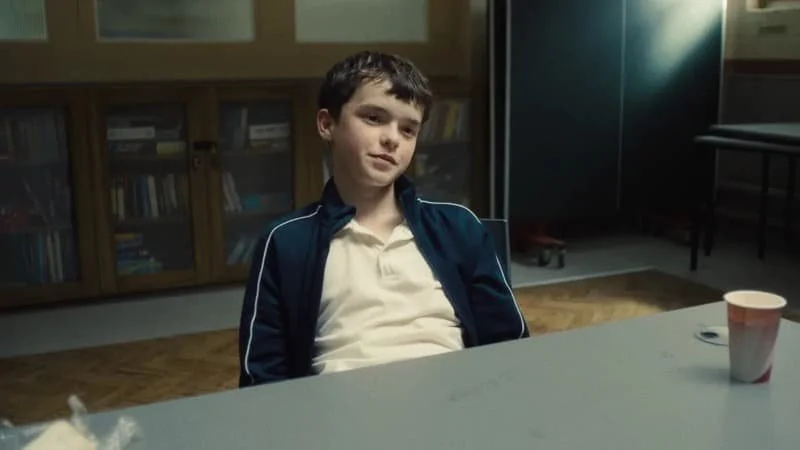
Image Source: Vogue
Adolescence is a short-form television series that explores the deadly combination of loneliness and a world inundated with social media. The subject is Jamie, a 13-year-old who is being questioned under suspicion of stabbing a female classmate. The boy’s access to social media, especially fringe groups like incels and pickup artists amplifies his destructive, sometimes psychopathic, tendencies and shapes his impressionable mind.
Adolescence is an excellent reminder that too much screen time presents a clear and present danger not just for children but for adults as well. Often, extended screen time increases stress and anxiety, while the dopamine levels we get from it mask those symptoms. We have to choose our online communities with caution, and most importantly, we need to set boundaries on how we use our screen time.
Honorable Mentions
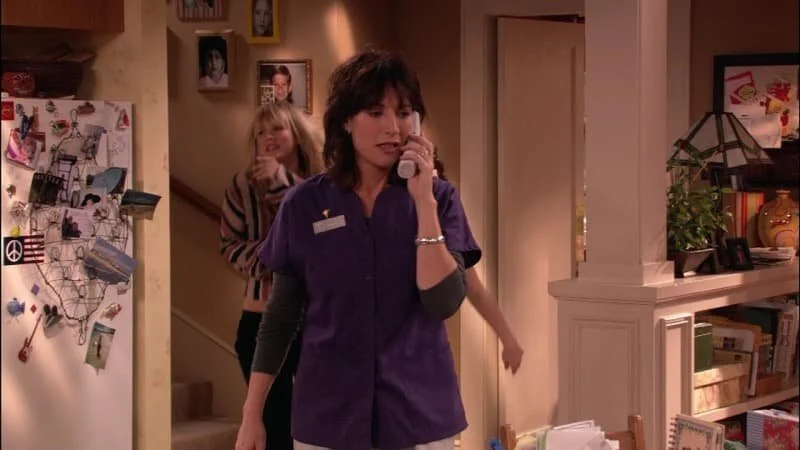
Image Source: der450
While it’s not considered a mental illness, 8 Simple Rules had a two-part episode diving into the rawness of grief. The episode coincided with John Ritter’s actual death, making it an extremely difficult but worthwhile watch. Another piece of media worth mentioning here is Psychonauts 2. The video game lets you enter people’s minds, and these varied mental landscapes offer abstract representations of the mental illnesses that lend to understanding. For example, an isolated man’s mind is full of scattered islands and bottles, depicting his loneliness and alcoholism.
Some of these programs can be hard to watch because they require us to face difficult truths about human psychology. But once you encounter that truth and witness the struggles and the triumphs, you’ll be ready to learn more about these conditions and lend aid where you can.
READ NEXT:


Latest News



Featured






• All sizes are adult unisex
• Printed art on the front
• 100% cotton
• Pre-shrunk fabric
• Shoulder-to-shoulder taping
• Culture Slate Exclusive Design
See more products here