Art And Pop Culture In Capitalism
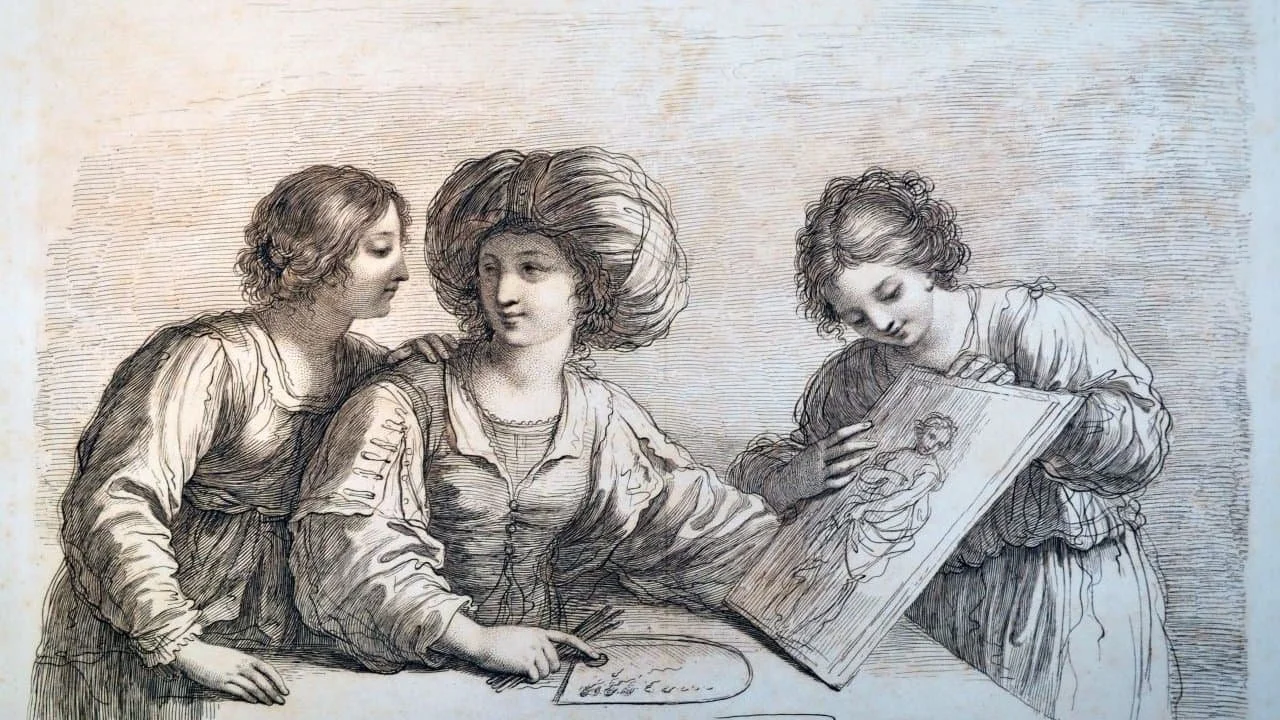
Image Source: Courtald
Rome. Machu Picchu. Teotihuacan. Angkor Wat. Civilizations long passed. Their skeletons remain, emerging from the jungles, both concrete and arboreal, while we, their descendants, crawl over them to treasure the one thing that underlays these remains and still lives on inside us: identity.
Not their wallets. Not their yachts. None of the shit no one cares about. It’s all lost to time and irrelevance.
Sure, money and wealth have always been something that humans have been preoccupied with since hunter-gatherers found a good patch of land and decided to claim it for their own. The second our ancestors decided to possess something, it became necessary to defend it from others trying to possess it. This led to hierarchies, and thus began the great story of the class struggle of humanity.
RELATED:
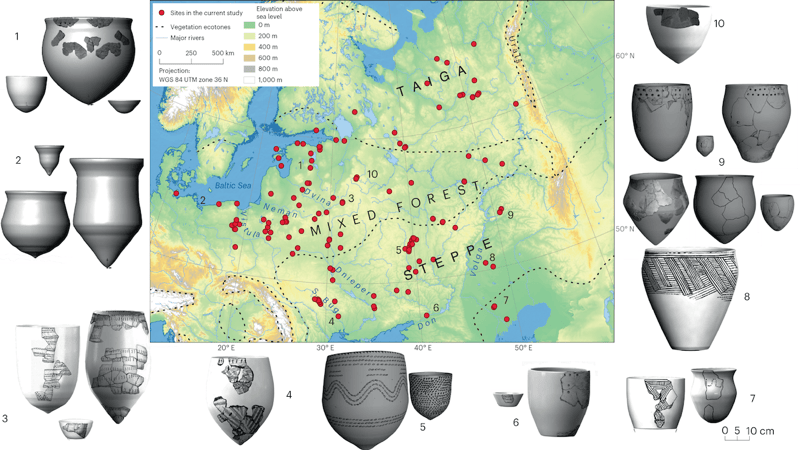
Image Source: Nature
But one thing carried over. The story of humanity is one of identity, the constant quest to understand who we are. Moving from a nomadic life to an agrarian and sedentary life may have been the start of our species’ unfortunate obsession with material possessions, but their identity, their ways of life that allowed them to survive on a planet constantly seeking to erase them, persisted. Pottery to carry their food, patterns to illuminate their protective clothing, and the way they crafted their tools and weaponry. These are the markers of who they are, the ways we can identify the Hopi compared to the Japanese. All of these elements were carried with them into the foundations of civilization.
Civilizations rise. Civilizations fall. Time is the Great Humbler. One day, Elon Musk will die, and the only thing that will remain of him is what he did. It will tell a story. But it will not be the story he would want to tell. It’s the story the facts will tell. The actions he took, recorded for posterity in text on the timeline. He can embellish all he wants on social media and present a persona on TV as much as he wants. When he’s gone, only the facts will remain. The same will be said of Bezos, Zaslov, Trump, etc. Their money and their shareholders will not.
Now, before you crucify me for giving Elon and the others too much credit, think about this. Elon’s story will be told with the facts that he nearly destroyed PayPal, or that he was ousted from ChatGPT, or that he bought one of the greatest social media platforms of all time, and it plummeted in value despite monetizing it, and it became a right-wing hellscape. Those are the facts. That’s what he’s built. His wealth? Time doesn’t give a shit about that. Trumps wealth? Time doesn’t care. Time will tell the story of his destructive and fascist policies and their effects. Their rotting corpses in the ground won’t be able to say shit about it.
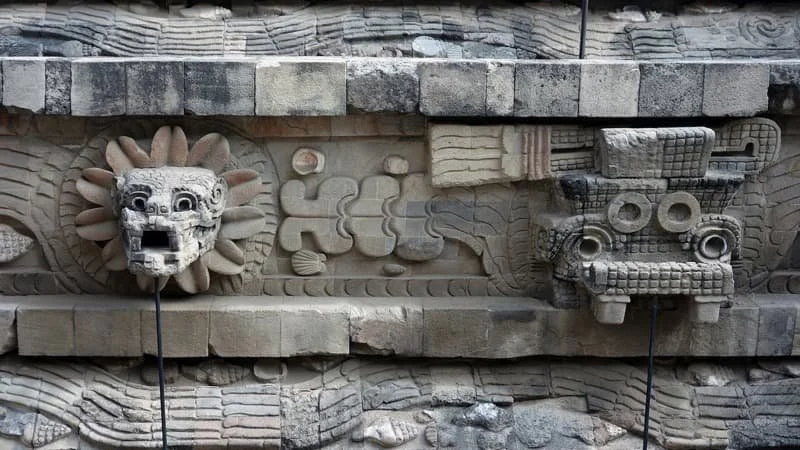
Image Source: Smart History
Why? Because all that remains through time is what we’ve done and what we build. Everything we know about the Roman Empire, about the Mexica, the Inca, the ancient Cambodians is from what they left behind, and what they left behind is not an obsession with how much money the wealthy made, but art.
Look at the letters on this page. They are perhaps the greatest legacy of the Roman Republic and Empire, a language that has dominated the world. Each of these little symbols that are associated with sounds can be traced back to that city that grew on a series of hills along a river on the Italian peninsula. We’re not sitting here talking about their ultra-wealthy and licking their boots for how much money they made. They’re dead. Their money? Gone. Instead, we have co-opted their people’s language, and we have preserved their people’s architecture. If there’s anything of the long-dead rich we still care about, it’s the art they incorporated into their buildings. We marvel at the technological prowess of the ancient Egyptians, Sumerians, Cambodians, Meso-Americans, and so many more. No one gives a shit about how much money and jewels their ultra-wealthy had, because none of that matters. Instead, we talk about how they made the Pyramids, how they made the jewels the Pharaohs were buried with. We talk about the endurance of the Qu’ran, for its persistence throughout the centuries, for being unchanged.
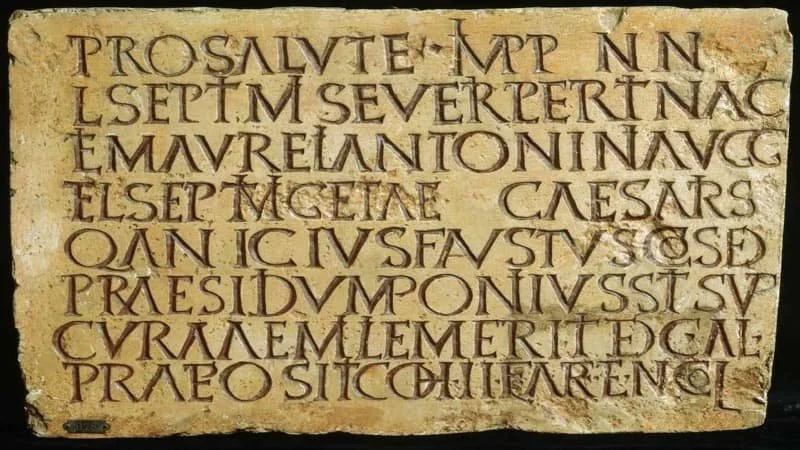
Image Source: ThoughtCo.
These lessons are the ones we need to preserve, promote, and internalize today. Our civilization (and I’m mostly talking about the broader Western Civilization concept here, with an emphasis on the American Empire) has become so obsessed with the acquisition of wealth that it endangers the most important thing that will outlive us all.
On a nearly daily or weekly basis, we read about a new game flopping, a TV show being canceled after a season or two, or a movie being considered a flop even though it is a critical success, so a CEO decides to do less of them. Even the book industry, one of the oldest and most integral parts of human culture, is a victim of the same forces that cancel shows and turn out broken games: capitalism.
The greatest evil that threatens culture is the obsession with money. Capitalism is a plague on the potential of humanity. It is obsessed with consumption. It kills humans in the pursuit of wealth. It destroys more often than it creates.
What does it say about us, as a society, when a story is written or told on the screen, they force it off the air, or out of print, or terminate support for the game, all because shareholders don’t like the numbers of people that absorbed it (and thus their stock portfolios)? What confidence does that instill in the populace to be the one to make the next great story, film, or game? What does it say about a society that its collective works of art are unfinished? Culture is part of the identity process. A society and its people can’t truly know who they are if their stories go unexpressed or unfinished. If we think an identity crisis is bad for a person, think about what it would do for a society. It’s no wonder everything feels horrible right now.
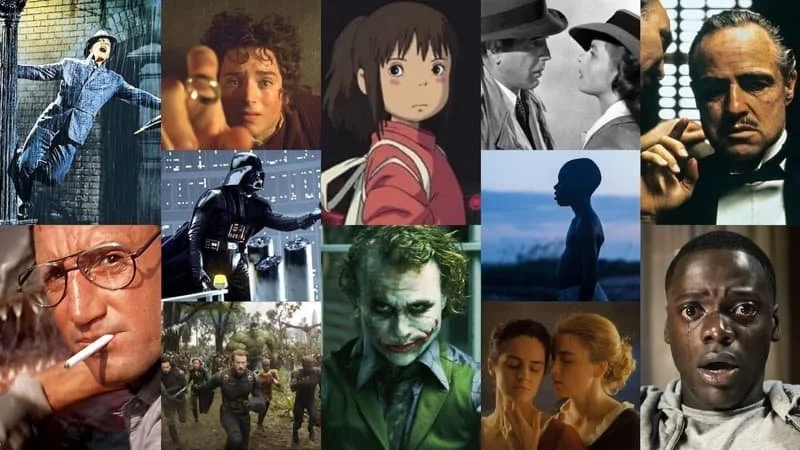
Image Source: Empire
Art is the antithesis to the machinations of capitalism. It illuminates humanity. It celebrates our kinship. It inspires us to improve. All of this, in the pursuit of making things better for us, not acquiring more stuff. It’s why the Oscars - say what you will about them - celebrate not the movies that made billions, but the ones that illuminate the human condition and celebrate the achievements of those who made them. It’s why a game like Balatro is celebrated across game awards.
It is not immune to the interests of money, however. Yes, art has always needed patrons and money to be made, this is clear, but the need for the art was something the sources of that money knew and pursued. It may have been in their own self-interest, but the focus seemed to be on leaving a legacy, something for future generations to build and learn from. There is nothing to learn from shareholders and venture capitalists acquiring more and more wealth for themselves, and destroying art in the process, because it does not advance their portfolios.
Nefarious forces know the power of art as well. Propaganda and mindless entertainment are subsets of art that are used to increase power and wealth for those who have no interest in the purpose of art. TV shows promoting the worst parts of human nature in the guise of “entertainment” are more destructive in their means than supportive. Dehumanizing posters encouraging people to turn on each other in the pursuit of some power-hungry fascist’s agenda bring out the worst in us.
But again, time is the Great Humbler. When the dust of the American Empire and Western Civilization is caught in the wind, all that will remain will be the stories we wrote down, of our struggles and our victories and our imaginations and hopes. All that will remain standing are the Frank Lloyd Wright houses, celebrating the capabilities of the creative mind and our connection to nature. Even films and digital media will remain, particularly the ones we celebrate, not necessarily the ones that made a few billion. King, Sanderson, Spielberg, Lucas, Streisand, Knowles, Miyazaki, Kojima. These are the names that will continue for ages to come. Their art and contributions will build the identity of humanity in the future more than any Ken Griffin or Elon Musk ever will.
READ NEXT:

Latest News
Featured