
Corruption In The 'Star Wars' Galaxy: The High Republic

Image Source: CultureSlate
As Duchess Satine Kryze of Kalevala highlighted in The Clone Wars Season 3’s Corruption, and as Ahsoka Tano emphasizes in the follow up episode The Academy, corruption is an insidious force that so often works against forces of good. It can lead to chaos, negligence, and even death, and it is fueled by personal greed for all kinds of things, both material and immaterial.
Corruption has also been seen across the stories of Star Wars, and today, we’ll tackle how this force impacted the High Republic era of the Galactic Republic. This is an interesting story, since we are shown a better time, and get hints at what might have led to a worsening of conditions that end in the Galactic Republic of the Prequel Trilogy, which we will discuss more in a future article. For now, let us see the nature of corruption in the High Republic.
RELATED:
Better Days
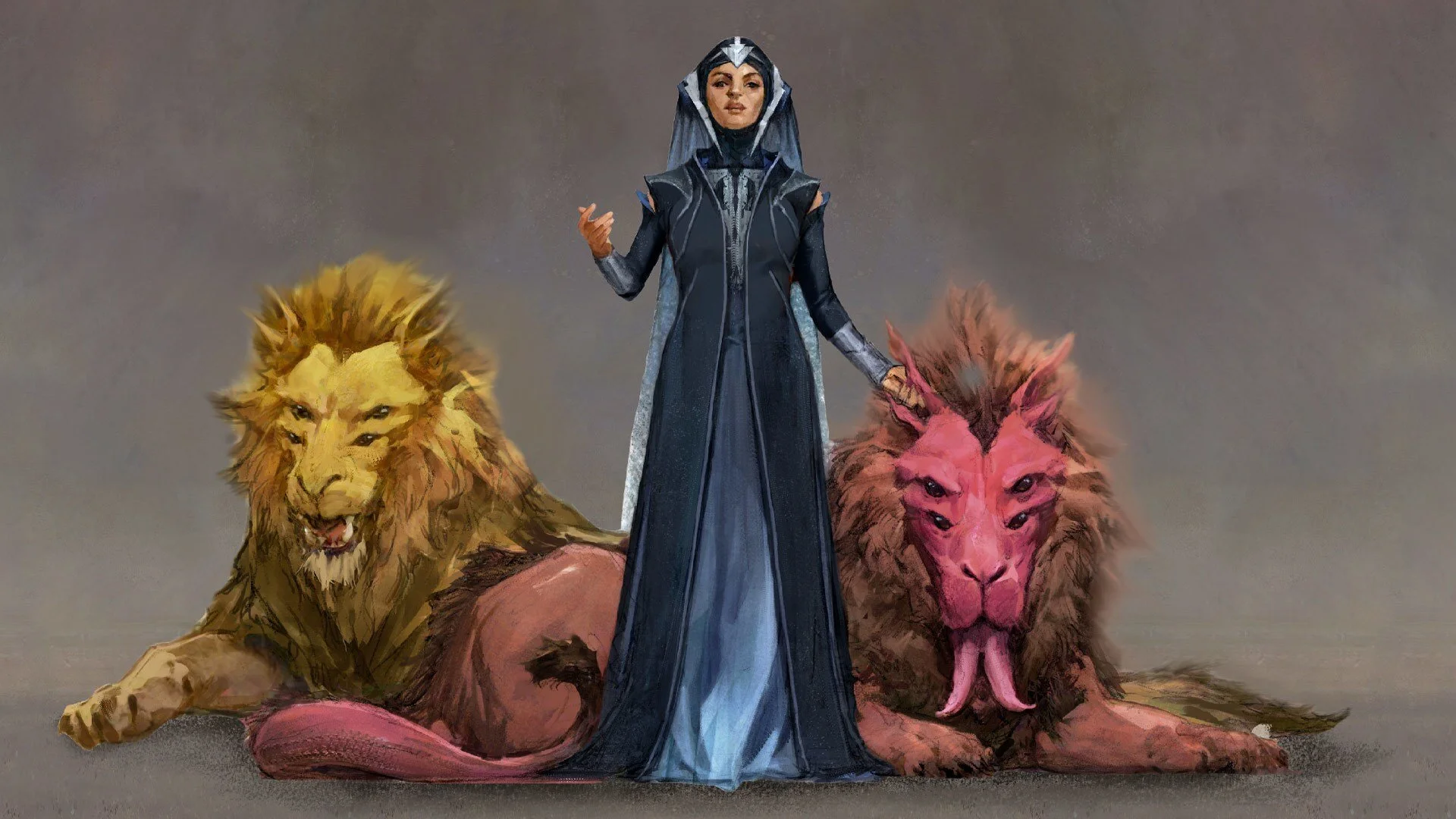
Image Source: StarWars
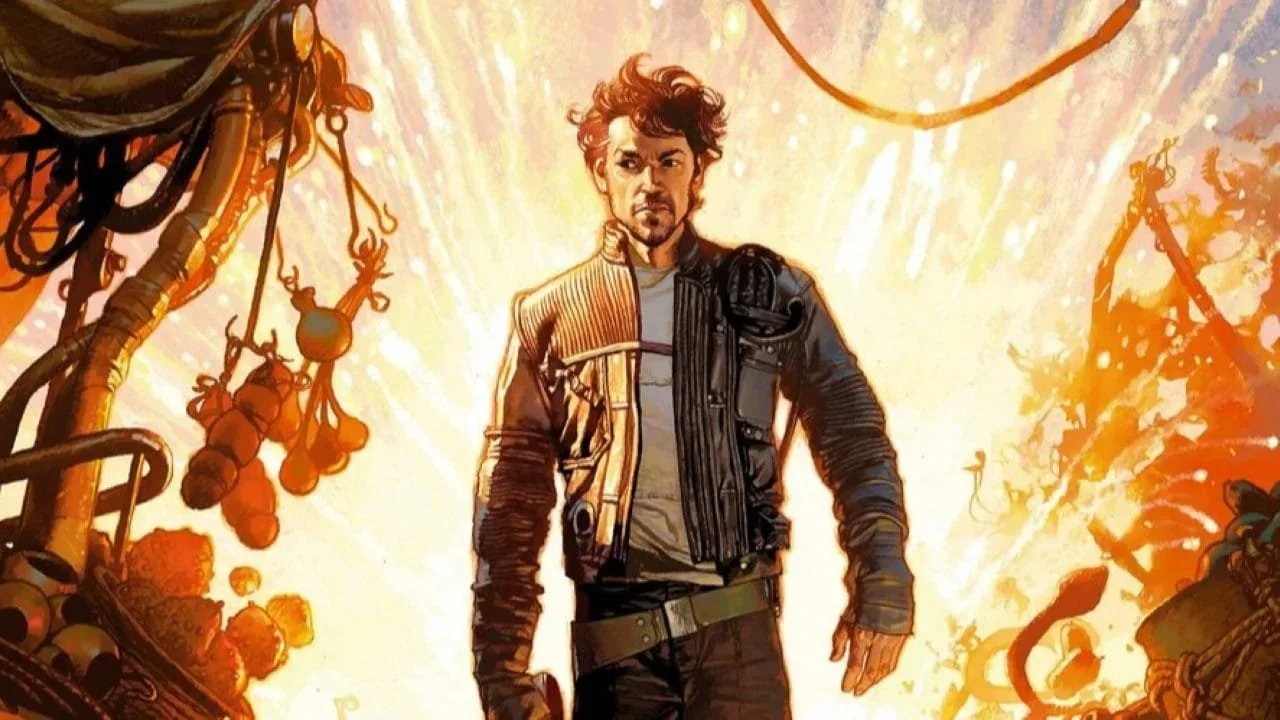
The Galactic Republic is in a much better place during the High Republic era than it is in later centuries. During the leadership of Lina Soh in particular, corruption, greed, and exploitation by the Republic or its Senators is at a very low level. Some might argue this is because we see very little of the Republic’s politics in this era, with only the executive branch of Lina and her advisors the center of focus. Even within this group, we also find two Nihil allies, a senatorial aide who is leaking information back to Marchion Ro, and the other is Senator Ghirra Starros, a woman seduced by Marchion yet who also genuinely believes that the Nihil are a way to push change on the Galactic Republic. Both are engaging in corruption and treason against the Republic. We also have the example of the Graf family and their main corporation which aided the Nihil extensively, with the scientist Chancey Yarrow using those Graf resources to build weapons like the Gravity’s Heart and the Stormseeds that generate the Stormwall.
But there are examples from the wider galaxy that show these situations are in the minority. For instance, there is Senator Tia Toon, a Sullustan who strongly disagrees with Lina Soh’s efforts against the Nihil and wishes for a more formalized defense response than the Republic Defense Coalition. When he is offered a weapon that can aid him in his quest for peace, yet also disables lightsabers and relies on an unstable power source, he rejects the suggestion and affirms that he stands with the Republic and the Jedi Order despite his public critiques. Then there are the examples of various corporations who do show compassion for their workers, employees, and those under their care. In opposition to the Grafs, we have the San Tekkas, who helped settle numerous locations during the Hyperspace Rush. However, when locations did not pan out along possible trade routes, the San Tekkas sold the corporately owned land to the people, and left trusted people like the Sparkburns who could help the citizens in those regions due to their distant links to the San Tekkas.
There are also less monolithic corporations, such as Garello Technologies, which tried to safely transport its employees and their dependents away from a world struck by an Emergence when the Great Hyperspace Disaster began, only for the Nihil to attack and devastated the attempted evacuation. Next, there’s the case of the Byne Guild, a corporation which drew a number of its employees into indentured servitude and enticed them to perform dangerous operations to reduce their debt. Some of these employees died attempting to reduce that debt, Affie Hollow’s parents among them. When Affie approached the Republic authorities, they immediately responded by dissolving the Guild and arresting its founder and leader, Scover Byne. Litigations against the Grafs meanwhile, while slow, did still impact the family and corporation, though the formation of the Stormwall proved a significant disruption to the possible full extent of Republic actions against the entities involved.
Finally, there is the character of the Galactic Republic government during the High Republic era. Some have stated the Republic is imperialist and colonialist in this era, but this writer would disagree. The creation of hyperspace lanes and infrastructure during Phase 2 of The High Republic is done out of benevolence and a true desire to aid people rather than any sort of transaction or expectation of a future returned favor. We see in Quest for the Hidden City that the Republic freely gives technology to the Katikoot to help them with their power issues, hoping for good relations but not expecting anything in return. Lina Soh’s tenure a century and a half later relies on cooperation and fellowship between many different parts of the galaxy, with her Great Works bringing together people for the benefit of all.
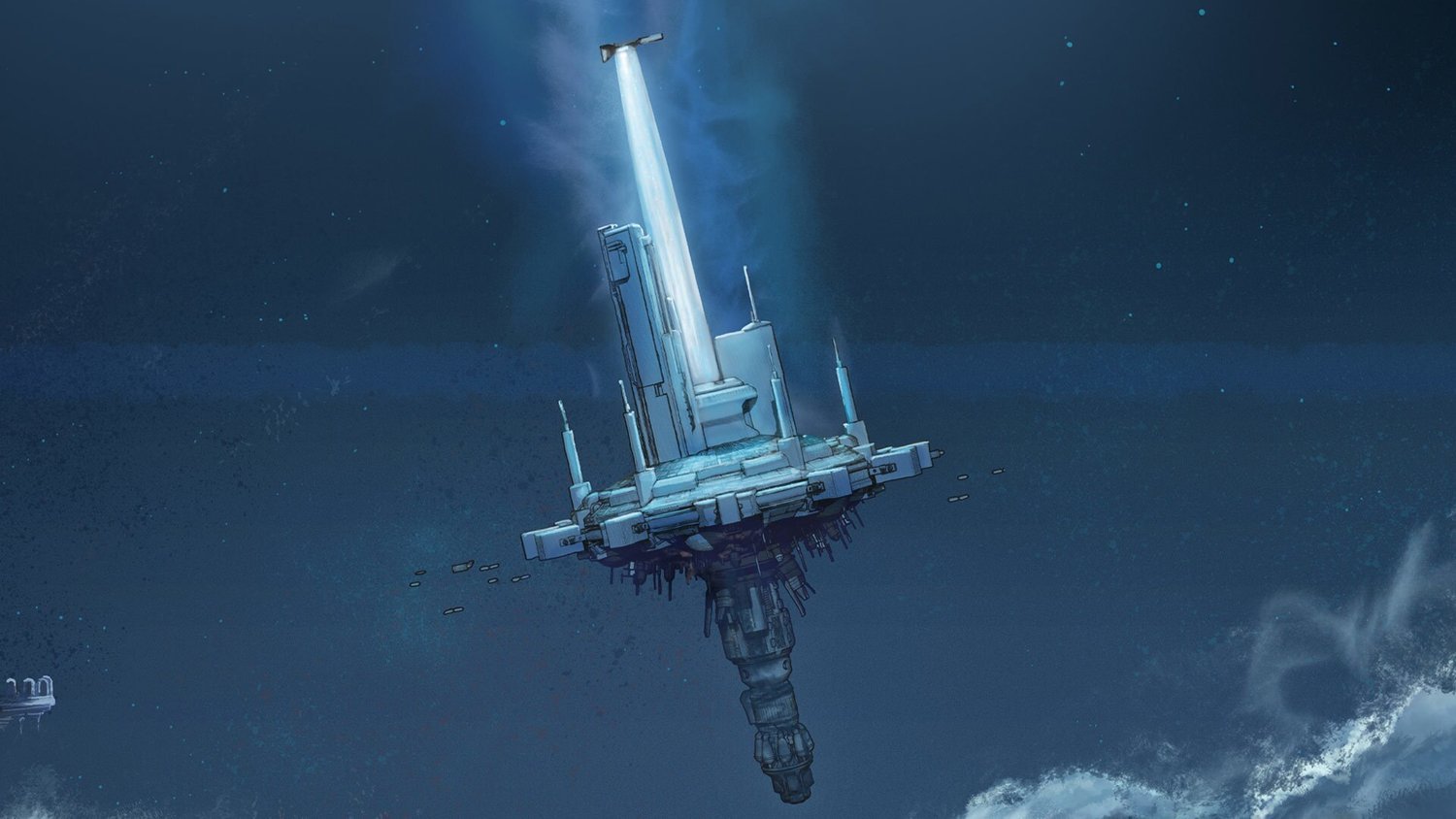
Image Source: StarWars
The Great Renewal on Kwen was to clean up the environment, create a stable economic model, and build beautiful works, all as an example for the galaxy to show what people can do when they come together. A similar mindset was behind Starlight Beacon, which looked to connect people from across the galaxy, and would have been part of a series of stations reinforcing the ideas of intergalactic community. Starlight was built without any overt tax burdens or resource extraction on the nearby worlds of Eiram and E’ronoh that jointly hosted the station’s presence, and the very heart of Republic defensive efforts was a coalition of volunteers who served the Republic out of their own desire to help protect others. This was simply a better time, where lofty ideals were truly embraced by large swaths of the population.
The Slide and The Jedi
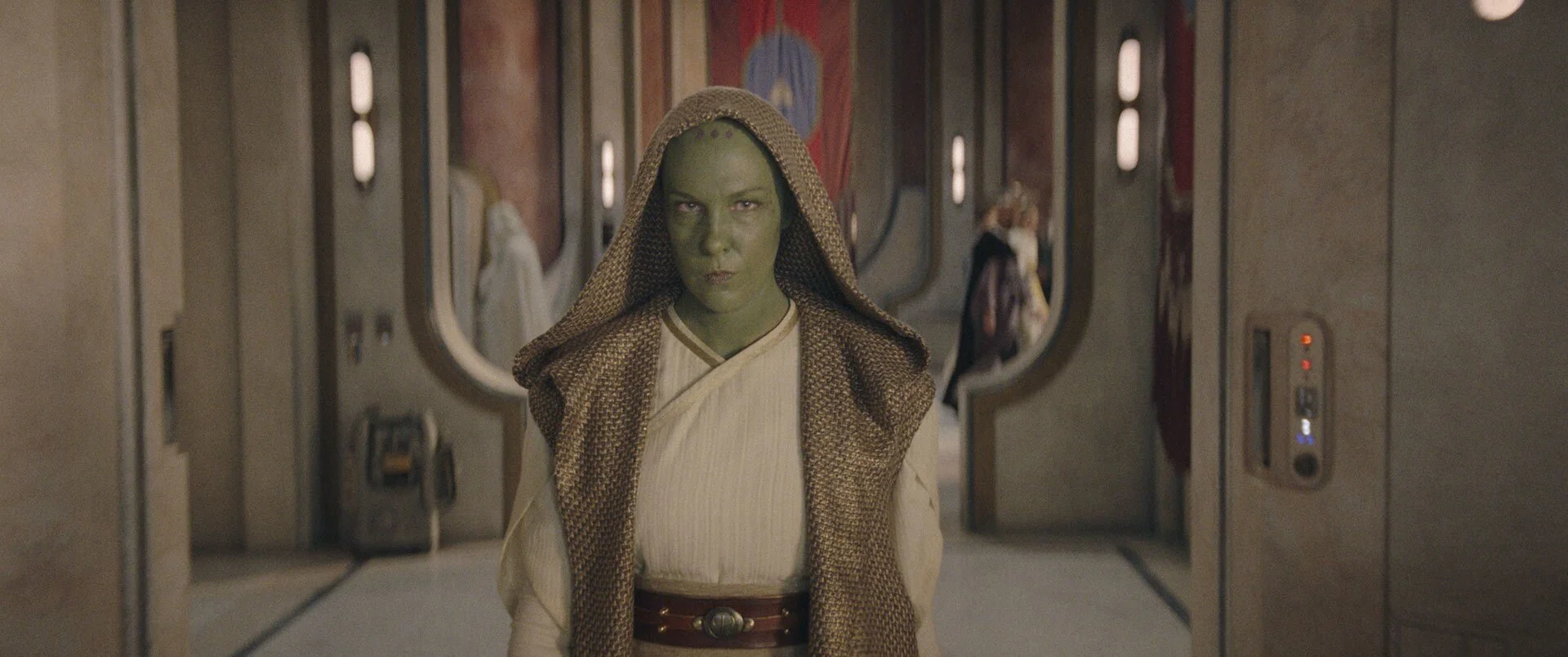
Image Source: StarWars
We don’t know how The High Republic will end as a formal publishing initiative, and we have seen few stories between those novels and the first pieces of media linked to the Prequel Trilogy. But, we do have The Acolyte, and its surrounding material placed at a midpoint between The Phantom Menace and Light of the Jedi. Wayseeker, in particular, helps to highlight the growing decay of the Galactic Republic through mention of a particular Senator who is enormously corrupt, yet who is still supported by his constituents and frequently re-elected.
The parallels to very recent political history aside, we might map this figure to a man like America’s Huey Long, a politician of Louisiana who was incredibly corrupt but who genuinely helped thousands across his state during his tenure in different political offices. Populism works, and it would seem that since the days of Lina Soh, public trust has shifted from the Republic as a whole to more local figures who can provide them with security and safety in an era of increasing danger. Piracy is highlighted by Vernestra Rwoh as a rising problem, and one which the Republic post-Nihil seem unable to effectively combat. How this has become such an issue a mystery, but the decline of the galaxy is also seen in the Jedi Order.
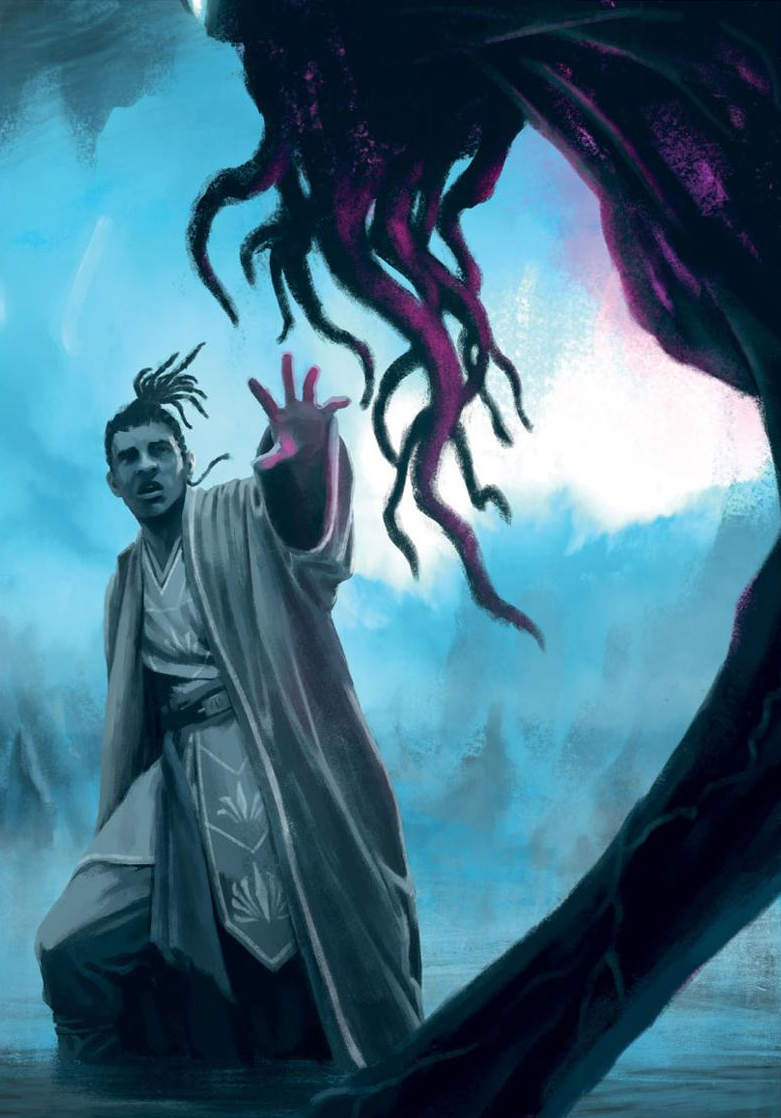
Image Source: Wookieepedia
We will not deny that we hold sympathy for the position of the Jedi Order in the wake of The High Republic’s stories. From the savagery of the Nihil to the primal hunger of the Drengir to the deadening chill of the blight to the overwhelming terror of the Nameless, the Jedi went through a lot of trauma, and suffered in all manner of ways. As a response to the events of Phase 1, the Jedi instituted the Guardian Protocols, a variety of regulations and doctrinal changes that saw them centralize on Coruscant. We know that in the wake of The High Republic, at least some of these regulations remain in place, as the Jedi outposts once so key to Republic expansion and exploration are gradually closed one by one across the galaxy.
The Jedi also slowly began to shift their doctrines, possibly as a result of all that loss and trauma, leading to more placid, even cold interactions, with outsiders as the Jedi shrunk away from their emotions. At the same time, they became deeply involved in the Republic’s politics, despite their protests to the contrary. This began in The High Republic, with the Jedi initially taking a very cautious, measured stance on aid to the Republic in Light of the Jedi, before Phase 3 showing the Jedi strongly linked with the Republic’s efforts across the galaxy. As the priorities of the Republic began to shift then, so too did those of the Jedi. No longer did they join relief missions sent out to worlds in need simply because it was doing good, but because that world’s Senator called in political favors, or critical resource extraction on the planet was deemed valuable to the Republic. The Jedi had been caught and pulled into the growing whirlpool whether they realized it or not, and everyone was being dragged toward a point of terrible transformative oblivion.
READ NEXT:

Latest News
Featured




• All sizes are adult unisex
• Printed art on the front
• 100% cotton
• Pre-shrunk fabric
• Shoulder-to-shoulder taping
• Culture Slate Exclusive Design
See more products here