
Corruption In The 'Star Wars' Galaxy: The Twilight Of The Galactic Republic
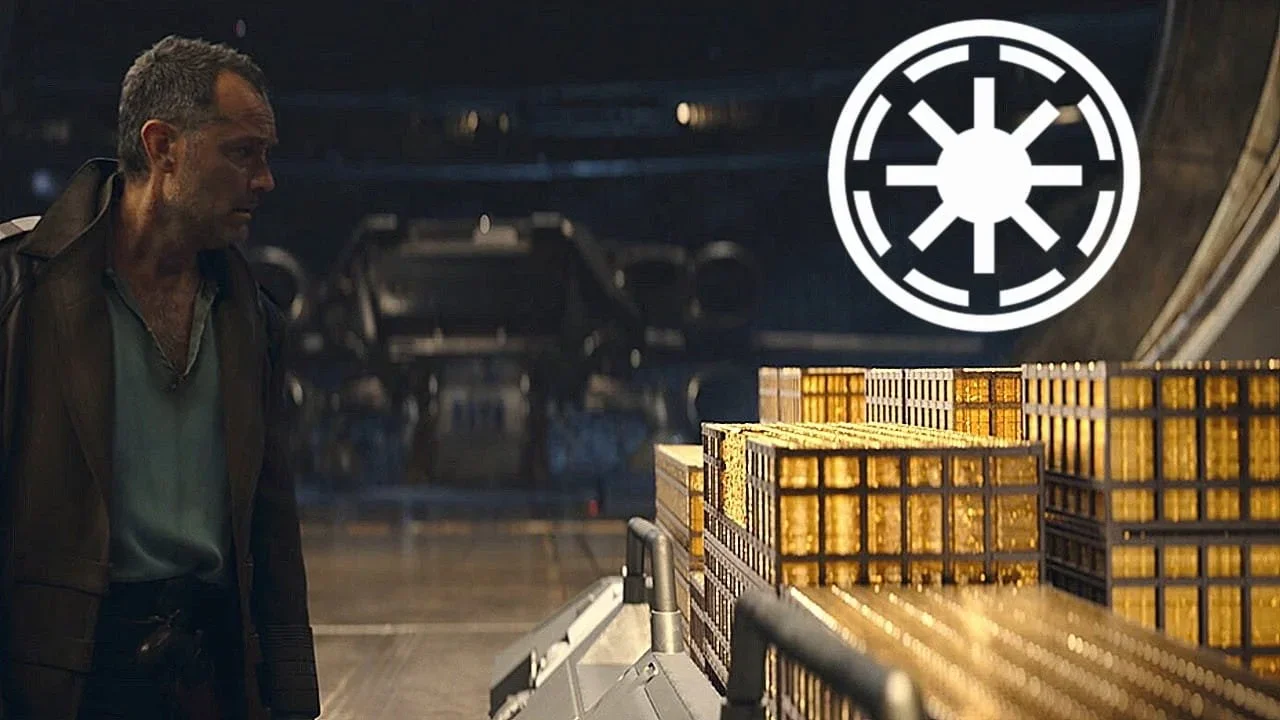
Image Source: CultureSlate
As Duchess Satine Kryze of Kalevala highlighted in The Clone Wars Season 3’s Corruption, and as Ahsoka Tano emphasizes in the follow up episode The Academy, corruption is an insidious force that so often works against forces of good. It can lead to chaos, negligence, and even death, and it is fueled by personal greed for all kinds of things, both material and immaterial.
Corruption has also been seen across the stories of Star Wars, and today, we’ll tackle how this force impacted the final years of the Galactic Republic. Compared to the High Republic, this later era shows a clear decline in government accountability and prestige as the power dynamics between sectors dramatically shifted. The Galactic Republic of the Prequel Trilogy was a stumbling power in the galaxy that ultimately met its death at the machinations of the Sith.
RELATED:

No More Altruism
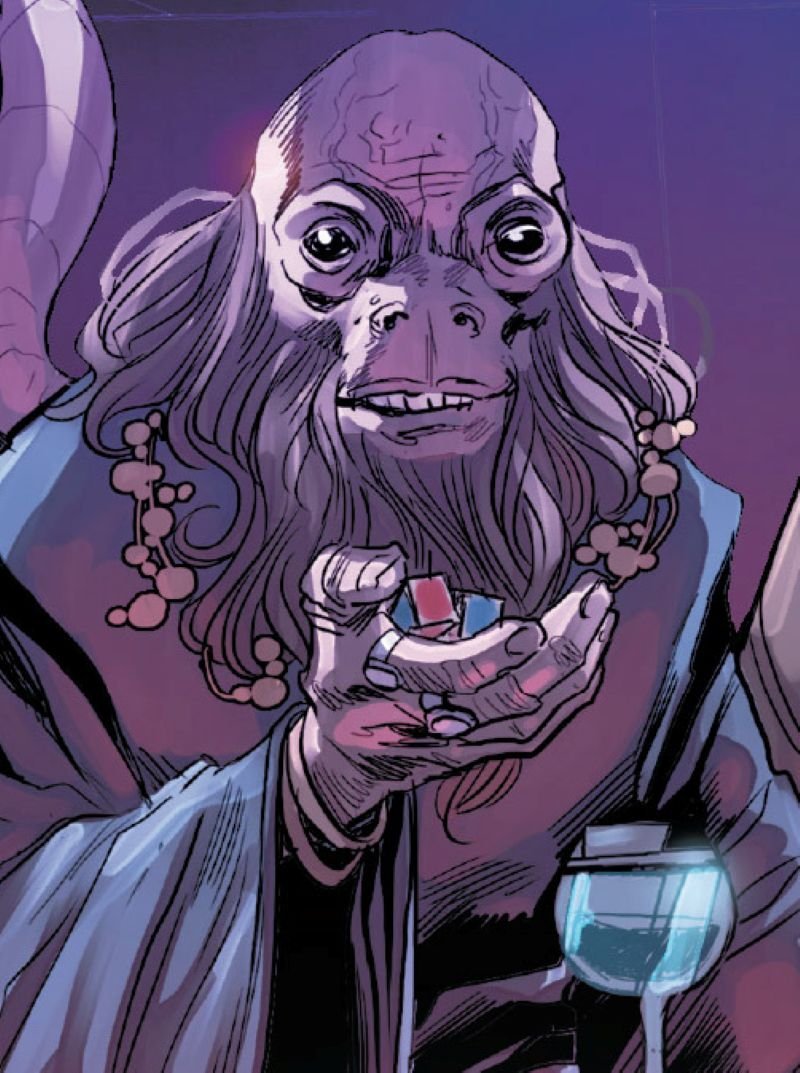
Image Source: Wookieepedia
The days of the Republic helping worlds and peoples simply for the sake of good, to bring people together, and to unite the galaxy, is over during the years approaching the Clone Wars. We see it through multiple examples in Prequel-era storytelling, and we also see it in the kinds of people who now populate the Senate. Certainly, there were probably always corrupt and selfish people in the High Republic Senate, but generally speaking, Lina Soh kept things together, and these figures were not as numerous as we see during the Prequel Trilogy. For example, in Obi-Wan & Anakin, Palpatine shows Anakin the gambling-filling lifestyle of a corrupt and very powerful Senator named Colandrus. The secret Sith lists the Tarsunt’s many crimes and helps persuade Anakin to use the Force to have the man lose at chance cubes. While the right thing, since the man loses a vast sum of money and is a terrible person, this act also gives Palpatine leverage over the Senator, though we do not know how things resolved themselves in that situation.
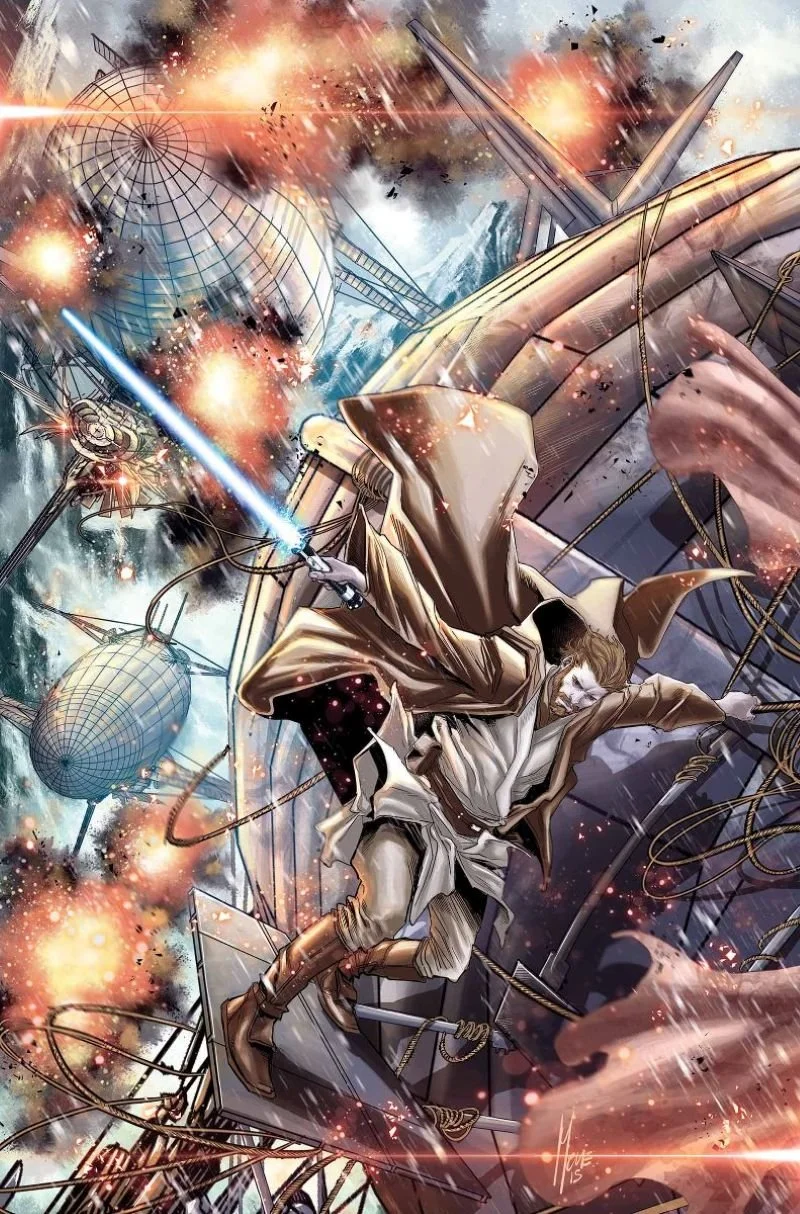
Image Source: Wookieepedia
The broader failure of Republic altruism, though, can be seen in both the same comic as the above example of Senatorial corruption, and another, Star Wars: Jedi Fallen Order - Dark Temple. In the case of Carnelion IV from Obi-Wan & Anakin, it was a planet that collapsed into civil war with no intervention by the Jedi or Republic during its fall. Exactly when this was is not clear, but it seems likely to have been sometime in the past 200 years. Sent to investigate a distress signal, Obi-Wan and Anakin get caught up in the ongoing civil war, and just as hope seems lost, the Republic suddenly arrives to intervene. They did not do it because two Jedi were in danger though, they only did it because Obi-Wan Kenobi claimed there may be valuable gases on the planet. This white lie forces the Republic to be involved where it otherwise would not have been.
The world Ontotho, meanwhile, is a different case study in Republic failures. The planet had one region which vehemently refused to join with the rest of the planet in unification with the Republic. A private company became involved in the situation, and layers of deception and lies obscured the truths behind the division and the motivations of both sides. When the Jedi were sent in to mediate, the separatist forces were annihilated in a brief conflict that also devastated the private company, and left the world with a path to peace as part of the Republic though at a cost. While Mace Windu claimed that the corrupt Daa Corporation would be dealt with by the Republic courts, these are the same courts that repeatedly tried Nute Gunray for his crimes during the invasion of Naboo, and failed, over a ten year period. Confidence in successfully completing this judicial endeavor is unfortunately quite low, and the entire situation shows that the Republic will only directly involve itself when corporate interests call for it.
The Collapse Of Jedi Outreach And Their Senate Subserviance
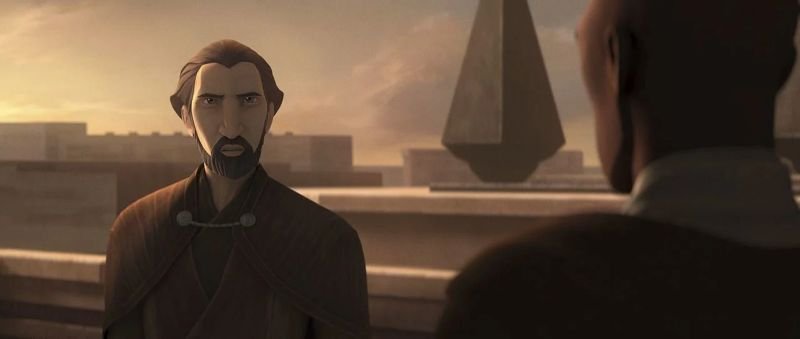
Image Source: StarWars.com
We’ve already seen hints of the Jedi’s weakened status during this article, and in our previous article, we discussed how the Jedi were beginning to decline at the end of the High Republic. But Prequel-era storytelling makes it clear how the Jedi have fallen. They profess a lack of political affiliation, but are now repeatedly called on by the Senate to investigate, and engage in matters of political importance over social importance. We see that in Tales of the Jedi, when Dooku twice encounters politically-involved situations he and others are set into at the behest of the Senate and the politics of the Galactic Republic. Corrupt hands now move the Jedi around boards of play they cannot see, and even when they do good work, it is limited in scope and does not rip out the root of the problems.
Gone are their days out amidst the galaxy too, as the unwieldy Republic slowly began withdrawing resources from sectors of space increasingly given over to corruption, lawlessness, and criminals. As a result of this, the many Jedi Temple Outposts established some 200 years earlier are gradually abandoned and left to become storage spaces for Jedi artifacts and knowledge. We see this occur in the novel The Living Force, when the High Jedi Council are roused to act as one, all traveling to the planet Kwen, the site of a Great Work of the High Republic which has since fallen on hard times with its Jedi outpost soon to close. While the Jedi Council broadly does help the planet arrest its decay while they are there, this was surely only a temporary event.
Palpatine was actively involved in the closure of Kwen’s temple outpost, secretly draining the location of valuable texts, assisted by the corrupt Temple Seneschal whose ability at lying to the Jedi was shockingly competent. He skillfully sends members of the High Jedi Council out on a wild mynock chase across the city, though Sidious and Maul ultimately finish the man off because he knows damning information that could get Palpatine in trouble with the Jedi. While these outposts would later become great hidden sites for Jedi on the run, and those looking for inspiration as late as the Sequel Trilogy, their decline starkly represents the similarly glandular retreat of the Jedi from the wider galaxy.
The Separatists Had A Point
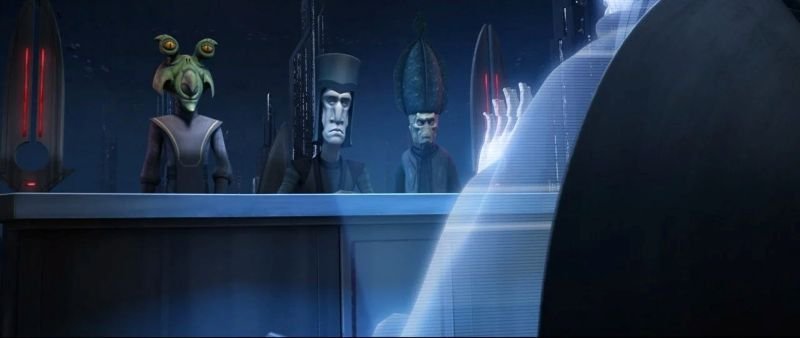
Image Source: StarWars.com
While the Separatists are not the worst people you know, they did have a point about one key factor of Republic governance: there was extensive, systematic corruption at the heart of the Galactic Republic by the time of the Prequel Trilogy. At the same time though, the Separatists have significant ties to the major corporations of the galaxy, many of whom have been part of the Republic’s corruption. In fact, by the war’s end, a number of these corporations had even outright joined the Confederacy of Independent Systems as can be seen during the Battle of Coruscant. Even when trying to pull away from the corrupt institution many of its member worlds hated, the Confederacy could not escape the rot, surely as part of the Sith’s ultimate plan, but also because it was so all-encompassing.
By the end of its lifetime, the Republic was a corrupted, and failed institution that badly needed reform it would not undertake. From that weakness came the end of galactic democracy as Palpatine became an emperor, and ushered in the Galactic Empire. Corruption helped pave the way for the Republic’s fall, and it would play a major role in the Galactic Empire as well.
CultureSlate: Made by humans, for humans
Please consider supporting our AI-free content via our Patreon page.
READ NEXT:
Source(s): The Living Force, Obi-Wan & Anakin, Star Wars: Jedi Fallen Order - Dark Temple, Star Wars: The Clone Wars
Latest News



Featured





• All sizes are adult unisex
• Printed art on the front
• 100% cotton
• Pre-shrunk fabric
• Shoulder-to-shoulder taping
• Culture Slate Exclusive Design
See more products here