
The History of The Monkees (Part 1)
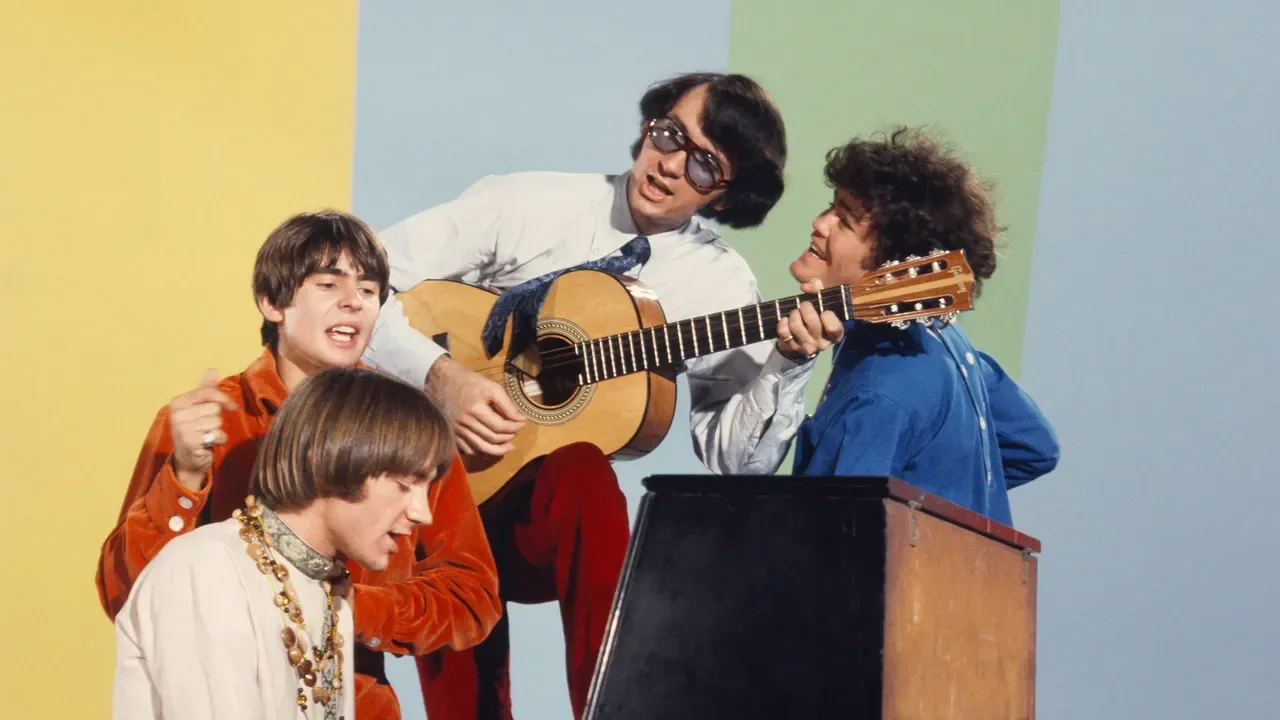
A shot from the music video for The Monkees’ “Daydream Believer”
Image Source: Vanity Fair
This past August marked 60 years since the made-for-TV band The Monkees burst onto the scene with their first single, “Last Train to Clarksville.” The “Pre-Fab Four,” as they were called, may have only had major success during the 1966-168 run of their self-titled television show, but they enjoyed a long on-and-off-again career for 55 years with reunions and partial reunions throughout the decades. Let’s take a look at how Monkeemania all began.
Before The Monkees
Though The Monkees were ultimately a project of several people, the main four band members were Micky Dolenz, Michael Nesmith, Davy Jones, and Peter Tork. Micky Dolenz was born George Michael Dolenz to Jamelle and George Dolenz on March 8th, 1945, in Los Angeles, California.
RELATED:
Peter Tork was born Peter Halsten Thorkelson to Virginia and John Thorkelson on February 13th, 1942, in Washington, DC. Michael Nesmith was born Robert Michael Nesmith to Bette and Warren Nesmith on December 30th, 1942, in Houston, Texas. Davy Jones was born David Jones to Harry and Doris Jones on December 30th, 1945, in Manchester, England
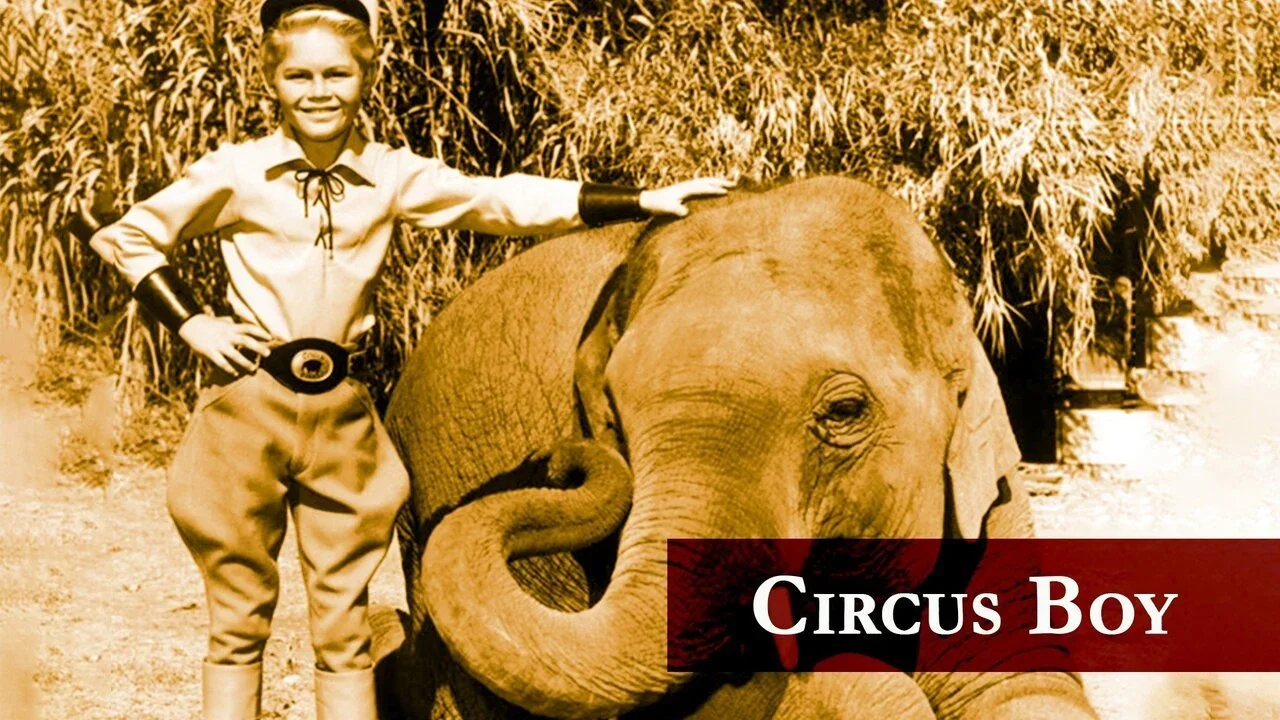
Image Source: TV Insider
The Nesmith family already had a claim to fame even before The Monkees, as matriarch Bette Nesmith invented Liquid Paper in 1956 and founded The Mistake Out Company to market the invention in 1958. However, Nesmith was not the only one with a small amount of fame associated with them before being placed in a rock and roll band. Micky Dolenz and Davy Jones were both child actors. Micky Dolenz debuted in his own series, Circus Boy, in 1956 at eleven years old, playing the lead boy Cork and billed under Micky Braddock.
Davy Jones, meanwhile, began his acting career in earnest in the early 60s, appearing on shows such as Coronation Street and Z-Cars. However, it was his debut on Broadway as The Artful Dodger in Oliver! when he was just 16 that truly put himself on the map, leading him to leave his apprenticeship at Holland House under Basil Foster (who even encouraged him to do so). In fact, it was his run with Oliver! that caught the eye of Screen Gems and Columbia, the companies behind The Monkees television show. During this run, Jones had the chance to perform with the cast on The Ed Sullivan Show on February 9th, 1964, the same night The Beatles made their American debut on the show.
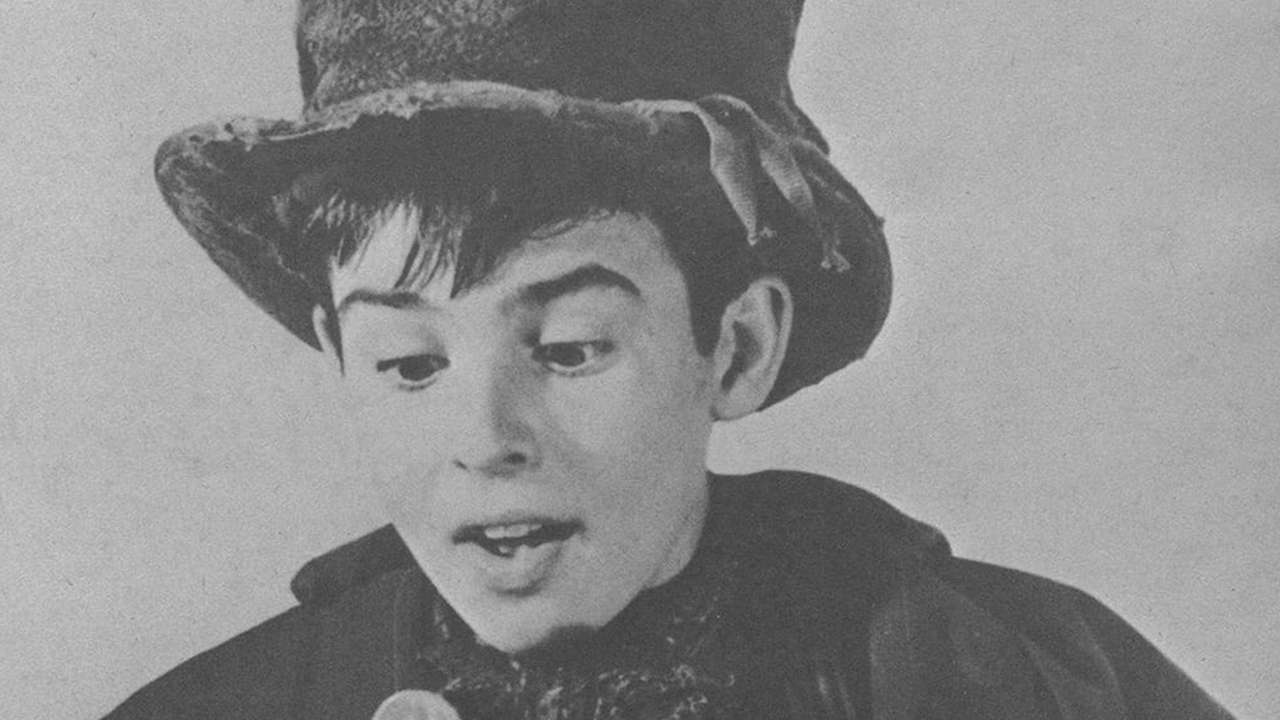
Image Source: Sunshine Factory
“I thought: Is that what happens when you’re a pop singer?” Jones said to The Palm Beach Post in 2004. “I want to be part of that!”
Jones signed a record deal with Colpix soon after. His pop debut was in 1965 with the single “Dream Girl.” Behind the scenes, the people at Screen Gems and Columbia were working toward a vehicle for the pint-sized Englishman to thrust him into superstardom.
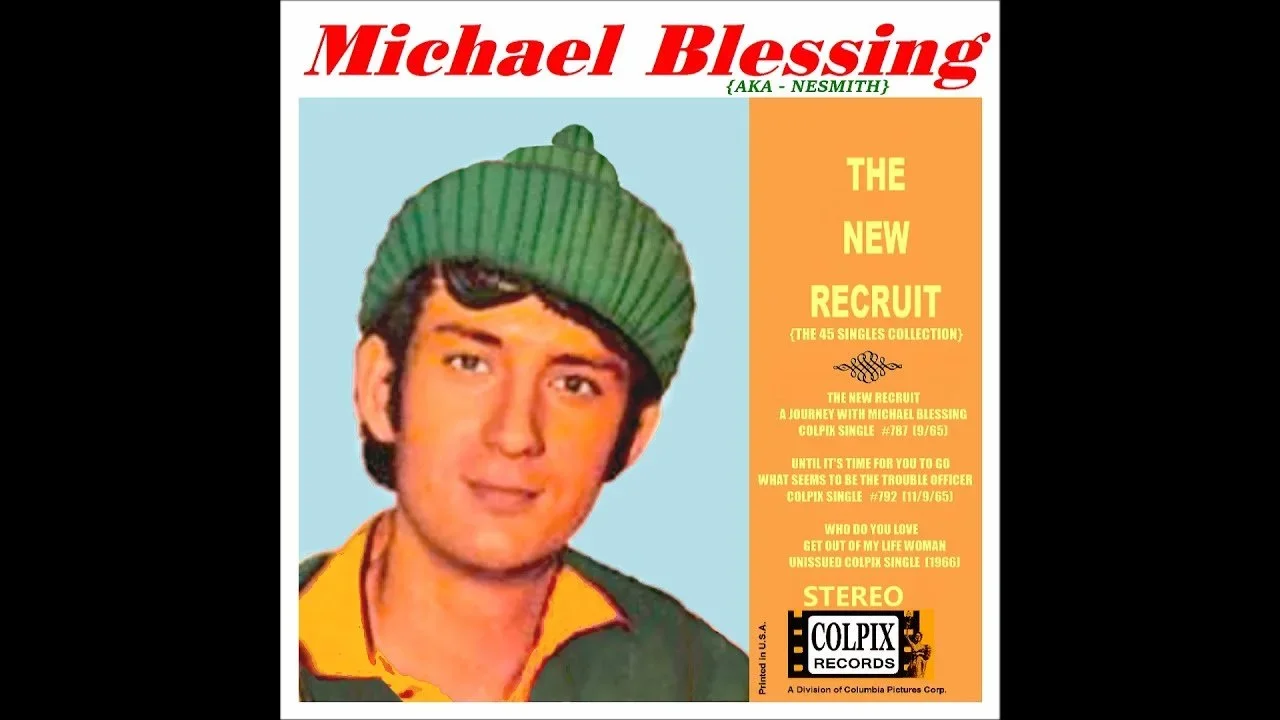
Image Source: YouTube
Michael Nesmith, meanwhile, was making small waves of his own during this time under his name and the name Michael Blessing. He began working with bassist John London and released a few one-off singles, including “The New Recruit,” which was released in 1965 under the Colpix label. He also performed at a variety of clubs, including the Troubadour, where he served as “Hootmaster” and tested out his songs. The audience reacted extremely well to them, but even then, Nesmith knew that something big was coming.
Peter Tork's pre-Monkees career wasn’t quite as exciting as the other three. He began taking piano lessons at age nine and spread his musical aptitude to other instruments, including banjo, acoustic bass, and guitar. He attended Carleton College in Minnesota but soon moved to New York City, where he quickly became part of the Greenwich Village folk scene and even befriended guitarist Stephen Stills.
The Origin of The Monkees
The Monkees television show was ultimately the brainchild of Bert Schneider and Bob Rafelson. Rafelson had the idea for the series as far back as 1962, pre-dating The Beatles’ film A Hard Day's Night that later is cited as an inspiration. Rather, Rafelson sold it as a show about a “folk-rock group” inspired by his travels as a musician in Mexico.
“We were itinerant musicians,” Rafelson recalled, “and I [later] used many incidents that happened to me in Mexico in The Monkees episodes.”
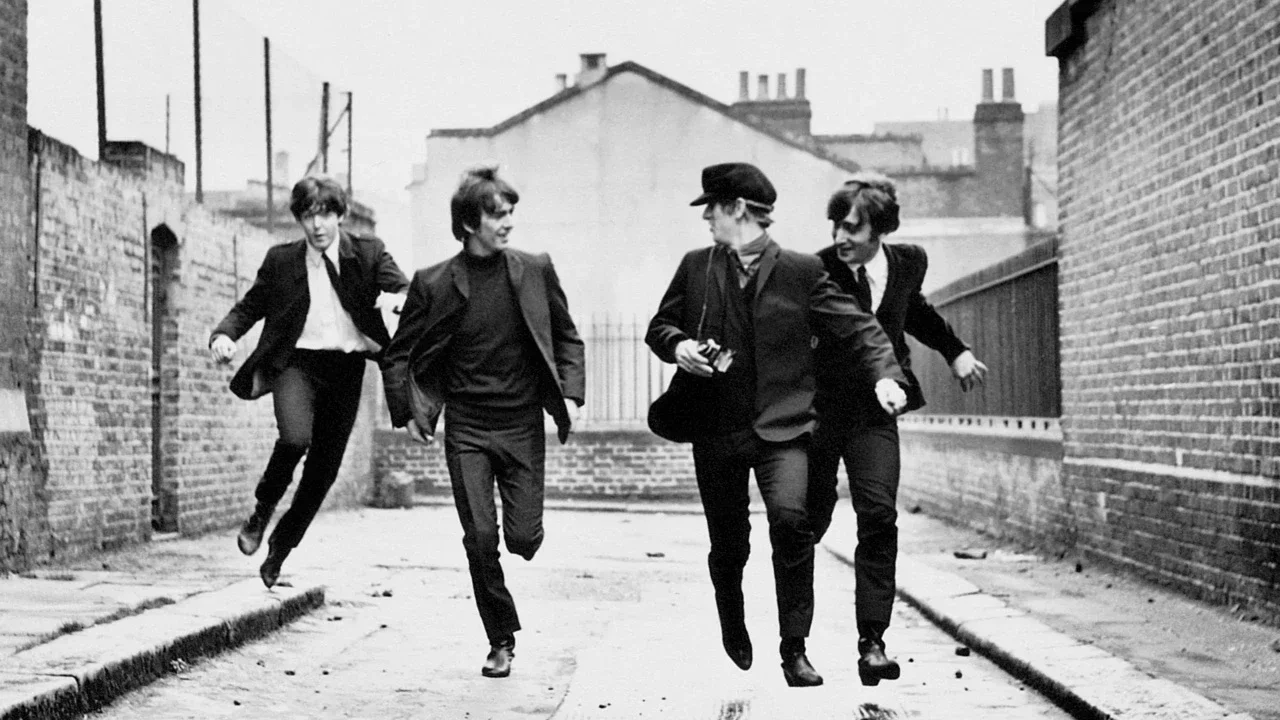
Image Source: MUBI
He pitched the idea to Revue, the television division of Universal Pictures, but was unsuccessful. Years later, after several television projects, Rafelson was brought on to Screen Gems to work on television projects for the company in 1964. It was around this time that he met Bert Schneider, who was then the treasurer for them. In July of that same year, The Beatles’ first film, A Hard Day's Night, was released, and its success reignited and legitimized the idea for The Monkees.
Rafelson and Schneider formed Raybert Productions and sold the idea for The Monkees television show in 1965 to Screen Gems. Earlier that same year, Davy Jones had signed on to Screen Gems as an actor for film and television, and he was soon eyed for the project. Seemingly, the “band” was being built around him (though there were plans initially to recruit 60s group The Lovin' Spoonful), and he was brought to scout performers before the initial auditions. It was during this scouting that the name was discussed. Jones recalled that because of similar animal-themed groups like “The Beatles, The Animals, The Byrds, The Turtles,” they leaned toward animal names. One suggestion was The Parrots, with the idea that their gimmick could be parrots on their shoulders. Davy Jones did not like that idea, as he had concerns over the birds relieving themselves on his clothes. It was then suggested the group have a mascot like a monkey.
“Suddenly, we knew we had it.” Jones recalled, “'The Monkees'–spelt rong, like Beatles, Byrds. Everybody was excited about it.”
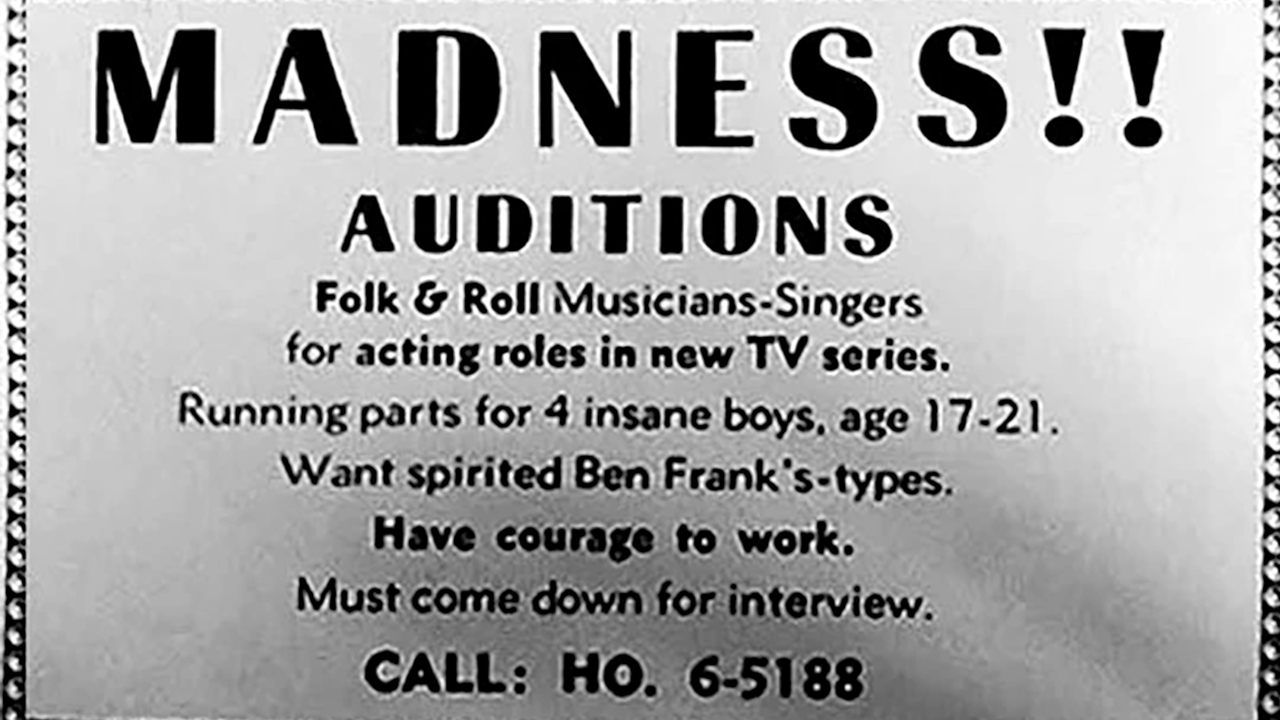
Image Source: Meanwhile, in Peoria
It was also around this time that a cattle call was published in Variety that read as follows:
“Madness!! Auditions. Folk & Roll Musicians-Singers for acting roles in new TV series. Running parts for 4 insane boys, age 17–21. Want spirited Ben Frank's-types. Have courage to work. Must come down for interview.”
437 young men auditioned, including Peter Tork's friend Stephen Stills. However, Rafelson and Schneider didn't think he had the right look, so he recommended Tork to them. The producers liked him. Micky Dolenz (who was scouted earlier) was also chosen. There was one more piece of the puzzle: Michael Nesmith. He was actually the only one chosen who saw the advertisement. Nesmith recalled that when Barry Friedman, an employee at the publishing company Nesmith worked with at the time, told him about it, he saw;
“That latticework, that star field, and a distant star twinkling through the mind’s eye. I didn’t understand it or know where it would lead, but I felt I knew it now that I saw it,” Nesmith recalled.
Nesmith came into Screen Gems' office with his laundry, as if he were in a hurry. He introduced himself under his stage name at the time, “Michael Blessing,” and wore his soon-to-be trademark green wool hat. The producers loved him, but Jones didn't at first.
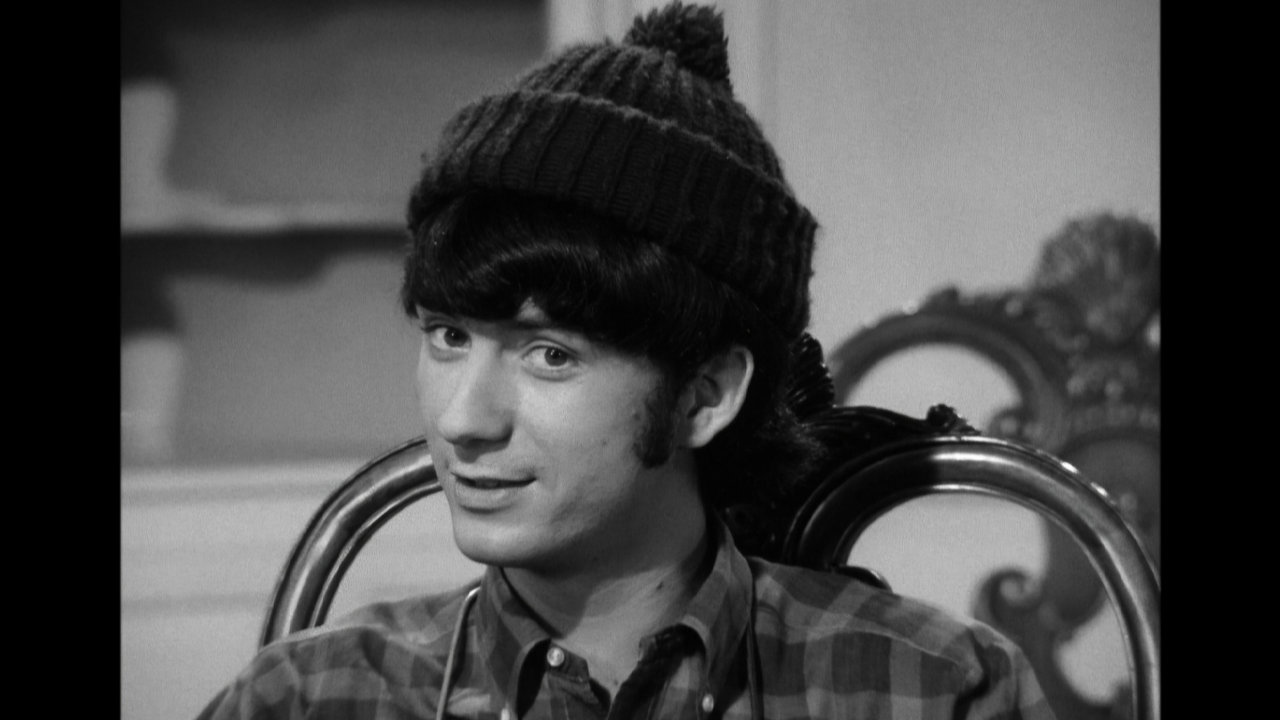
Image Source: Culture Slate
Nesmith was “slim, dark-haired and good-looking” and answered a flurry of questions with a sharp wit, winning over the producers with his laid-back demeanor. So, the lineup was in place: Micky, Davy, Mike, and Peter. Davy didn't like the arrangement, feeling like he “was the odd one out,” expressing to the producers, "Look, I feel weird. This is not 'The Beatles Mk. II'–this is three six-footers and a short kid!”
However, Rafelson and Schneider had a good argument. They wanted to make The Monkees so different from each other, “that if you stuck their heads in the sand with their arses sticking up, you'd know who was who.”
Here They Come…..
Production on the pilot soon began. It was filmed on a rather large private estate and on a very shoestring budget. It didn’t do well with test audiences at first, but Rafelson re-edited it with each of The Monkees’ screentests attached, and it performed so well that it got a two-season order from NBC.
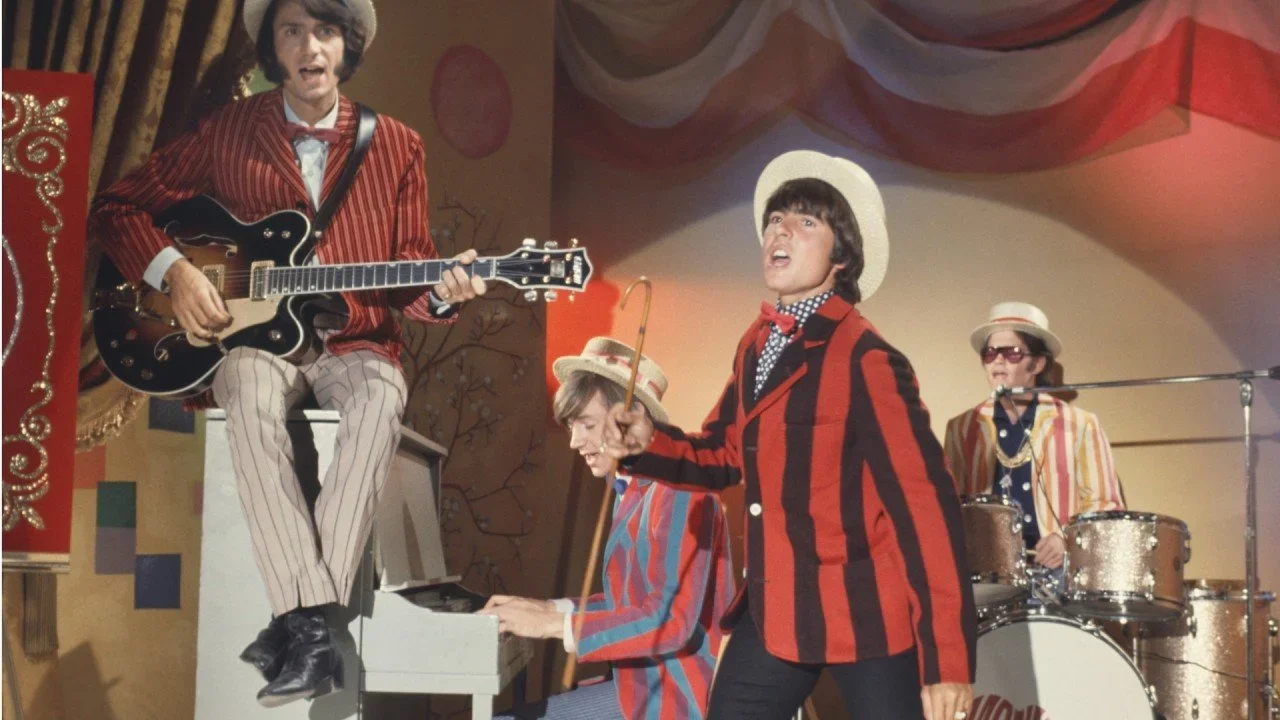
Image Source: AOL
Soon, filming began in earnest, and it was rather chaotic. Various setups required frequent breaks in filming. These bursts, or “romps,” are considered proto-music videos. Each of The Monkees also had a tendency to wander off when they weren’t needed, so in between takes, they were locked in a repurposed meat locker. Not all guest stars tolerated the chaotic nature of the show, as Micky Dolenz recounted:
“We had one episode with Hans Conried, a wonderful old-school ‘30s/’40s character actor. He learnt his lines and came on set and we were just winging it, throwing these lines around until he couldn’t take it anymore and screamed ‘I hate these fucking kids!’ I couldn’t blame him!”
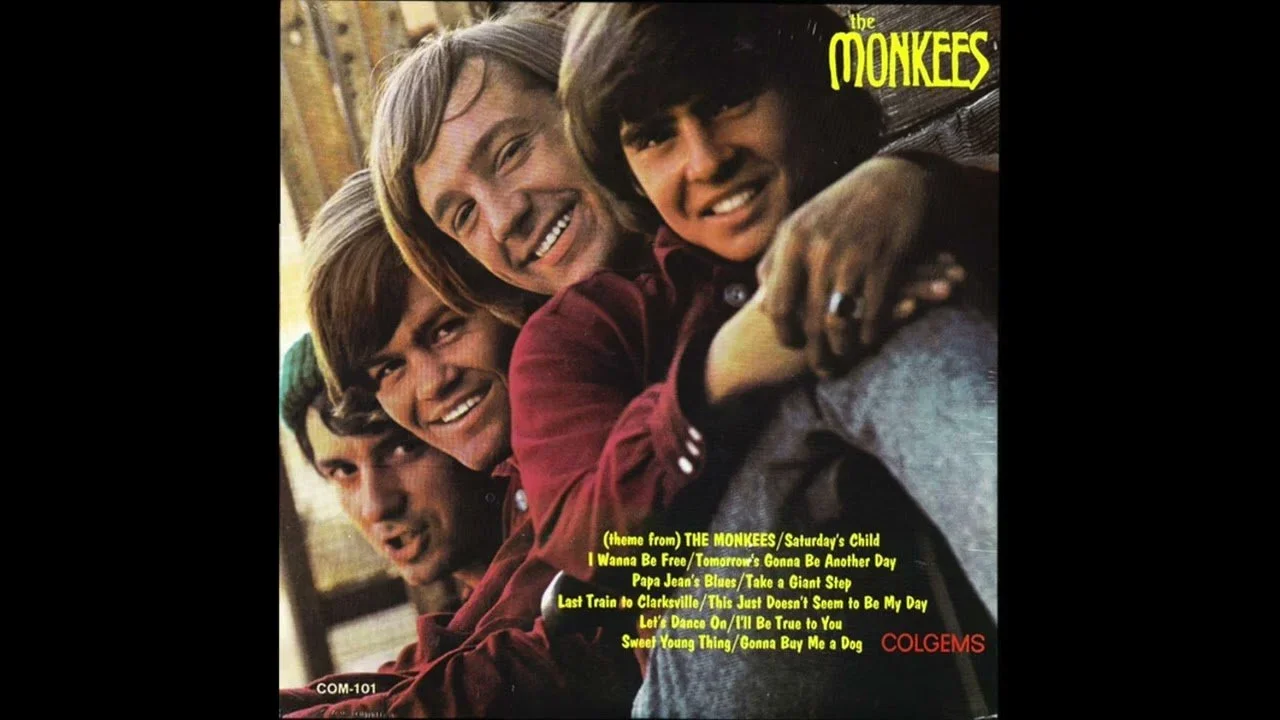
Image Source: YouTube
Things were falling into place on the television side, and now it was time to record the music. Three key people were put in charge of this task: Don Kirshner and the songwriting team of Tommy Boyce and Bobby Hart. Don Kirshner, dubbed “the man with the golden ear,” was a music publisher who worked with songwriters often associated with the Brill Building, such as Boyce and Hart, Gerry Goffin, and Carole King. Tommy Boyce and Bobby Hart were a songwriting team that also had a few hits of their own, such as “I Wonder What She's Doing Tonight.” They wrote many of the group's first hits, including “Last Train to Clarksville,” and contributed four demos for use in the pilot.
The group did try to learn how to play as a band. Michael Nesmith and Peter Tork were already accomplished musicians, but Davy and Micky were actors first, with Micky having to learn how to play drums. Ultimately, the band wasn't ready in time for the premiere. Studio musicians were employed, and Boyce and Hart were brought on as the primary producers. The Monkees, therefore, were mainly brought in for vocals. Initially, the four of them were put in vocal sessions together, but all they would do was goof around and try to crack each other up, so they recorded separately. Michael Nesmith was allowed to produce some sessions but was not allowed to play on these tracks. He did start using the other Monkees on the tracks, particularly Tork on guitar. Nonetheless, it was a collaborative process from the start. Micky was invited to meet the songwriters, including the likes of Carole King and David Gates. Ultimately, Kirshner had the final say.
Their first single, “Last Train to Clarksville,” was released on August 16th, 1966, just weeks before the premiere of the show. The song quickly became a hit, peaking at #1 on the Billboard Top 100. The series premiered on September 12th, 1966, and it was an instant hit. Their self-titled debut album was released on October 10th, 1966, and it soon reached number one on the charts. However, not all of The Monkees were impressed with how the album was presented. Michael Nesmith didn't like how it presented them as a real rock and roll band, giving no credit to the other musicians involved. Regardless, the album spent 78 weeks on the charts, 13 of these being at number one. Monkeemania was in full swing.
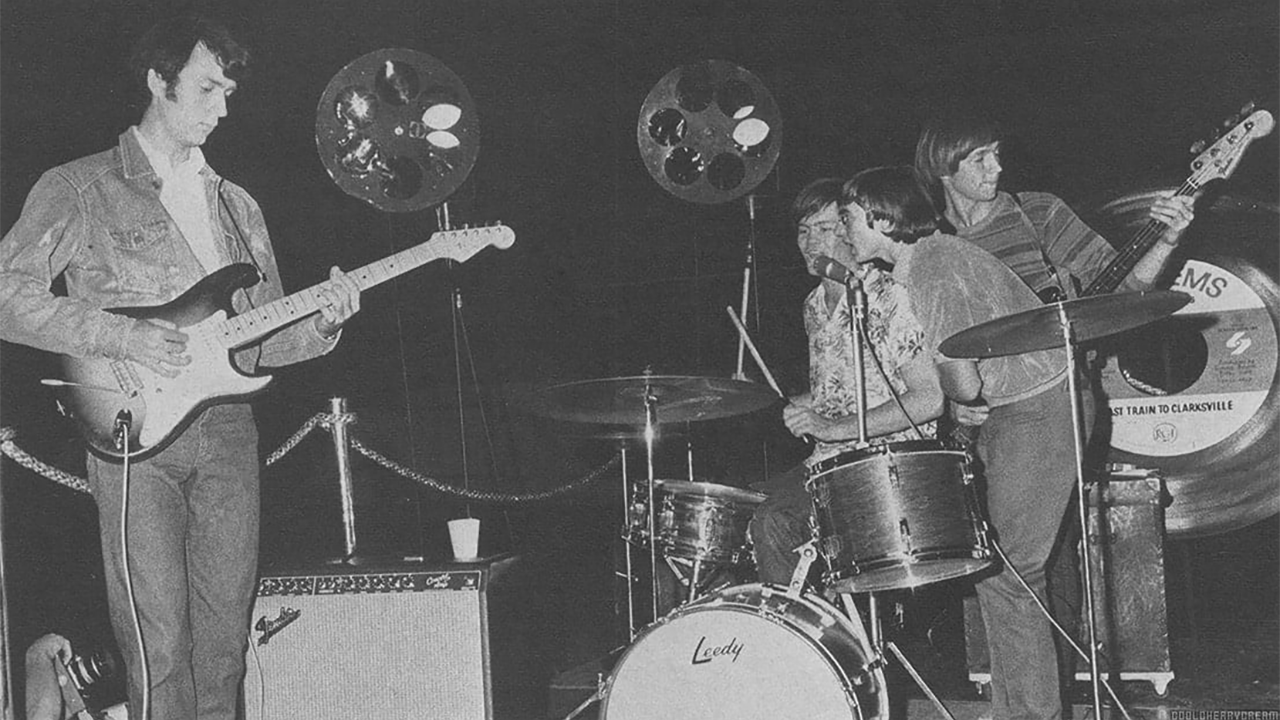
Image Source: YouTube
With all this success on the small screen and the charts, Screen Gems, Columbia, and Colgems (formerly Colpix) all wanted to take The Monkees on the road. Against Kirshner's wishes, they made their official debut performance on December 3rd, 1966, in Hawaii at the Miss Teenage Hawaii pageant (though they did perform live on a train as part of an early promotion), and it was mass hysteria reminiscent of Beatlemania. The tour was also mounted to refute the critics who thought The Monkees couldn’t actually play. In fact, Michael Nesmith once said to a reporter who asked him if they actually played their instruments two minutes before they were to go onstage, “Wait a minute! I’m fixin’ to walk out there in front of 15,000 people, man. If I don’t play my own instruments I’m in a lot of trouble!” Despite initial trepidation, their first tour was a massive success, but all was not well in the barrel that was The Monkees.
“We Gotta Be Free!” The Monkees Fight for Musical Freedom
Word was getting out that The Monkees did not play on their first two albums. Both Dolenz and Nesmith told reporters that session musicians did the backing tracks, with Nesmith being vehemently against the process for how their music was made, saying in the January 28, 1967 issue of Saturday Evening Post, "Do you know how debilitating it is to sit up and have to duplicate somebody else's records?... Tell the world we don't record our own music.”
img
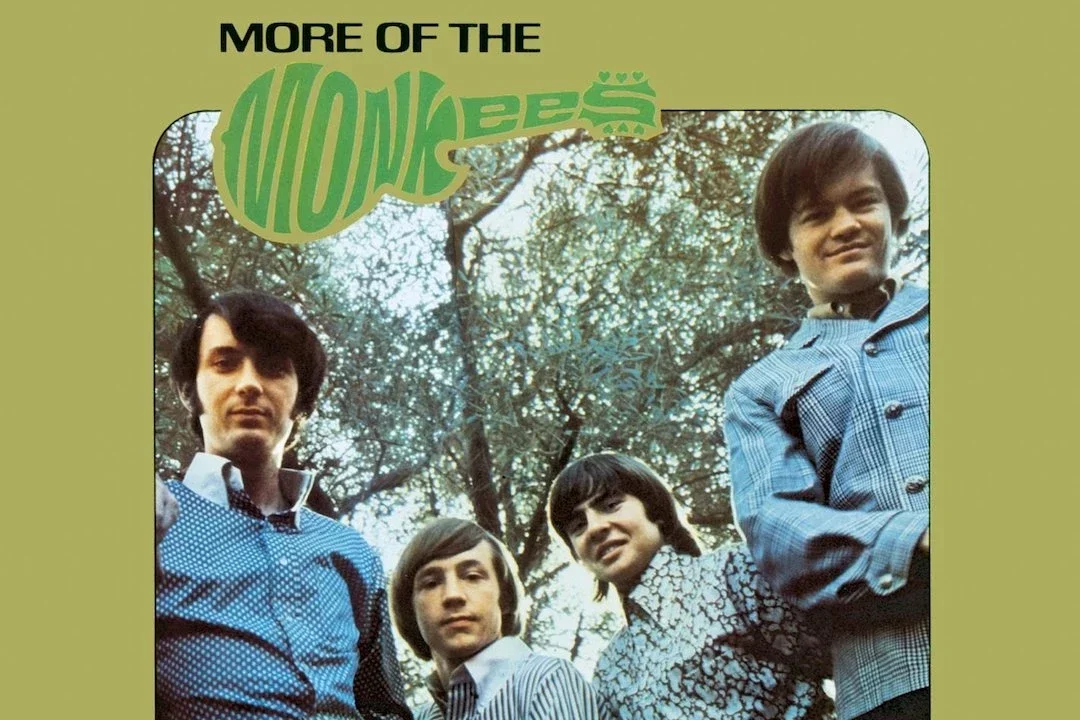
Image Source: Ultimate Classic Rock
The Monkees grew tired of not being allowed to play on their records or contribute much of their own compositions. Adding to this displeasure, Kirshner moved track recording from California to New York, which left the band out of the process until they were called upon to add their vocals. Mike and Peter both wanted more creative control, and Micky and Davy simply fell in line. The powers that be relented, and they had their first session as a self-contained group on January 16th, 1967, recording early versions of Nesmith’s “The Girl I Knew Somewhere,” “All of Your Toys,” and “She’s so Far Out, She’s In.”
However, on January 9th, More of The Monkees was released without even alerting the band themselves. They didn’t even get an advance copy, having to buy it from a record store themselves. The group also despised Don Kirshner’s liner notes that praised his team of songwriters but mentioned The Monkees almost as an afterthought. Nesmith was also furious about the songs that were selected from the 34 that had been recorded, saying to Melody Maker magazine that the record was “probably the worst album in the history of the world.”
The conflict came to a head during an intense argument among Nesmith, Kirshner, and Colgems' lawyer Herb Moelis at the Beverly Hills Hotel in January 1967. The group was presented with royalty checks and gold records, but Nesmith again gave an ultimatum demanding a change in how music for The Monkees was chosen and recorded. Moelis reminded Nesmith of the clauses in his contract, but it angered Nesmith, and the confrontation ended with him punching a hole in the wall.
“That could have been your face!”
They did, however, accept the royalty checks, and an agreement was reached between The Monkees and Colgems that barred any Kirshner-produced material from being paired with any of the group’s self-contained efforts, though a compromise was reached at one point, with “The Girl I Knew Somewhere” being the B-side to the Neil Diamond-composed and Kirshner-produced “A Little Bit Me, A Little Bit You,” as Diamond was promised by Kirshner that it would be the next Monkees single. Kirshner violated this agreement, however, by releasing "A Little Bit Me, A Little Bit You” paired with “She Hangs Out” as a single in Canada without anyone knowing during the last week of February 1967. The group was outraged, and Kirshner was fired, freeing them to record their next album, Headquarters, on their own, with Chip Douglas of The Turtles acting as producer. In between all this “Monkee business,” an important meeting occurred: the meeting between The Monkees and The Beatles
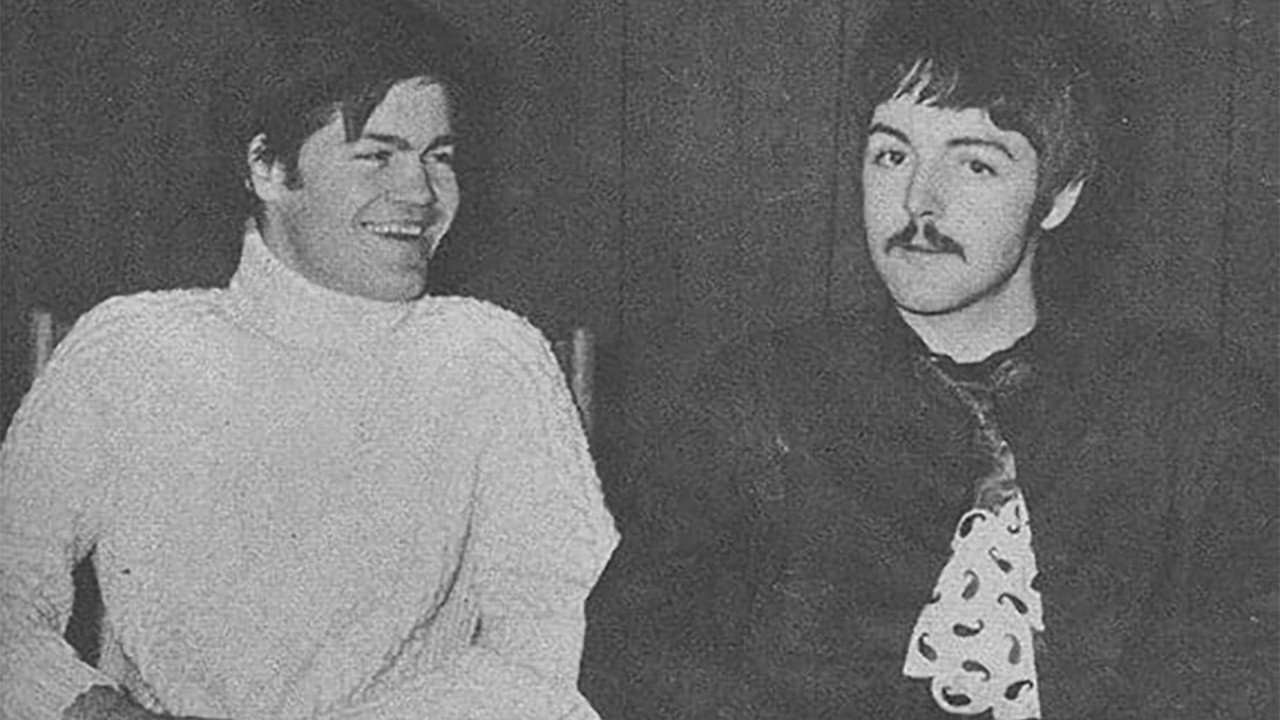
Image Source: Sunshine Factory
The Four Kings Of EMI: How The Monkees Met The Beatles
Micky Dolenz skipped out on a Kirshner-produced session in New York in solidarity with Nesmith and Tork and flew across the pond to London, England, on a press junket. Despite questions regarding their authenticity, it didn’t make a dent in the group’s popularity. Dolenz was soon invited to meet Paul McCartney. The two instantly hit it off. The next day, he was invited to a recording session. This was the thrill of a lifetime for Dolenz! He didn’t know what to expect, building it up in his head with a variety of psychedelic images. Dolenz even dressed in “tie-dye underwear and paisley bell-bottoms,” thinking it would be some sort of “crazy Beatlemania, fun-fest, freak-out, love-in, be-in, psycho-jello.” However, when he walked in, he recalled that it looked like his “high school gymnasium.”
“There was florescent lighting, nobody there but the four guys sitting in little folding chairs and Ringo behind the kit,” Dolenz continued, "and just jeans and t-shirts just playing. And I’m, like, ‘Where are the girls?’ I must have looked like such an idiot. I looked like a cross between Ronald McDonald and Charley Manson.”
The Beatles, however, thought nothing of it. John Lennon looked up at Micky and said, “Hey Monkee Man!…You want to hear what we’re working on?” Beatles producer George Martin pressed a button on the tape recorder, and “Good Morning, Good Morning” began to play (which was later used in the last Monkees episode). They sat around drinking what Micky described as “God-awful tea,” with the other members asking Dolenz, “What’s it like, The Monkees?” Then, either John or Ringo (depending on the source) called the group back to work, saying, “Right lads, down in the mines.”
The day before, Mike Nesmith and his then-wife Phyllis arrived in London, and they met up with Micky and Paul in the evening at the Bag O’Nails Club. The two appeared on Top of the Pops, and Mike and his wife attended a five-hour recording session for The Beatles’ “A Day in the Life.” The session was centered on recording a 40-piece orchestra that would serve as an overdub for the song’s climactic finale and was also filmed by seven handheld cameras, and Nesmith is even seen in the song’s promo film next to John Lennon.
It was at these sessions that Nesmith asked Lennon what he thought of The Monkees and if he thought they were “ a cheap imitation of the Beatles, your movies and your records?", to which he replied, "I think you're the greatest comic talent since the Marx Brothers. I've never missed one of your programs.”
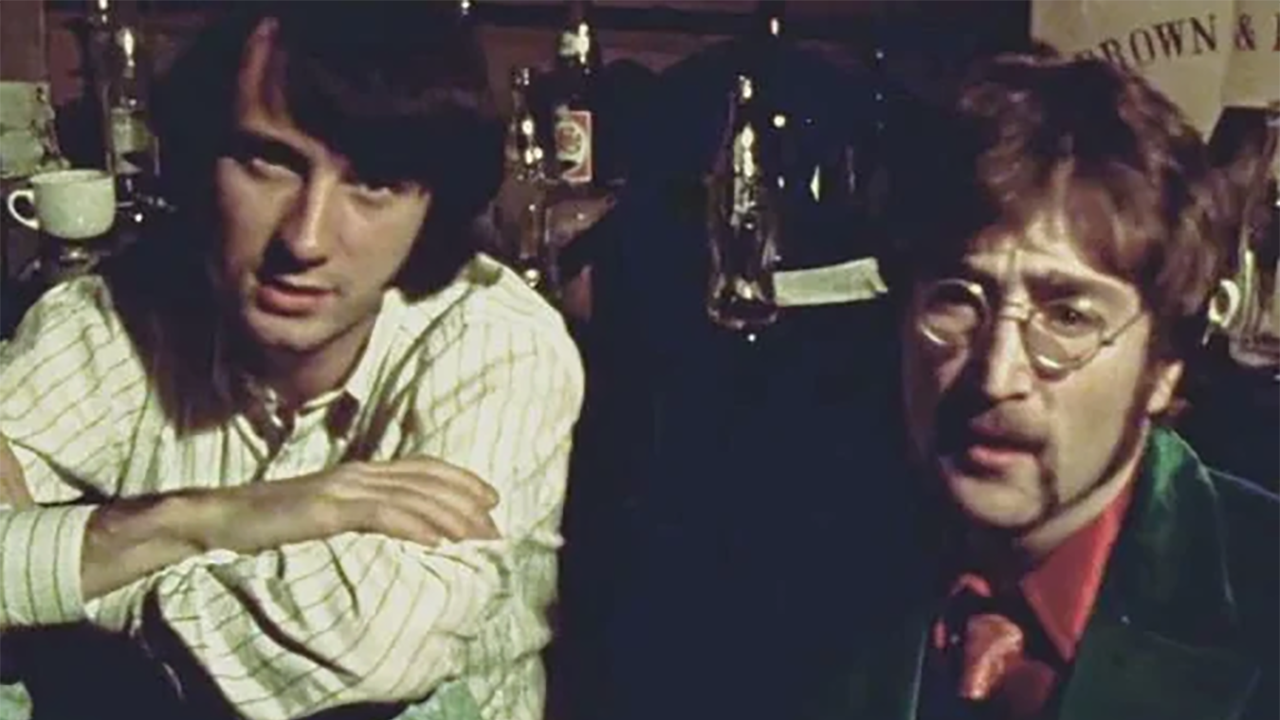
Image Source: Reddit
Nesmith and Lennon were rather close while he was in London, with Lennon inviting him to stay at his residence. The two hit it off, sharing a very similar sense of humor. It was through Lennon that he was introduced to Jimi Hendrix, who would later open for The Monkees during their Spring 1967 tour. In between all of this, The Beatles partied with Mike and Micky often during this time, and it was these experiences that would inspire one of Micky’s first original compositions for the group, “Randy Scouse Git.”
The Beatles had a high opinion of The Monkees. McCartney is quoted as saying, “This is no here today and gone tomorrow group. The Monkees are going to surprise everyone.” George Harrison praised the group for their efforts toward musical freedom, saying they were “still finding out who they are, and they seem to be improving as performers each time I see them. When they've got it all sorted out, they may be the greatest.” Harrison even invited Peter Tork to play on his Wonderwall Music, playing Paul McCartney’s five-string banjo. Once Micky and Mike returned home, work soon began on their first self-contained album, Headquarters.
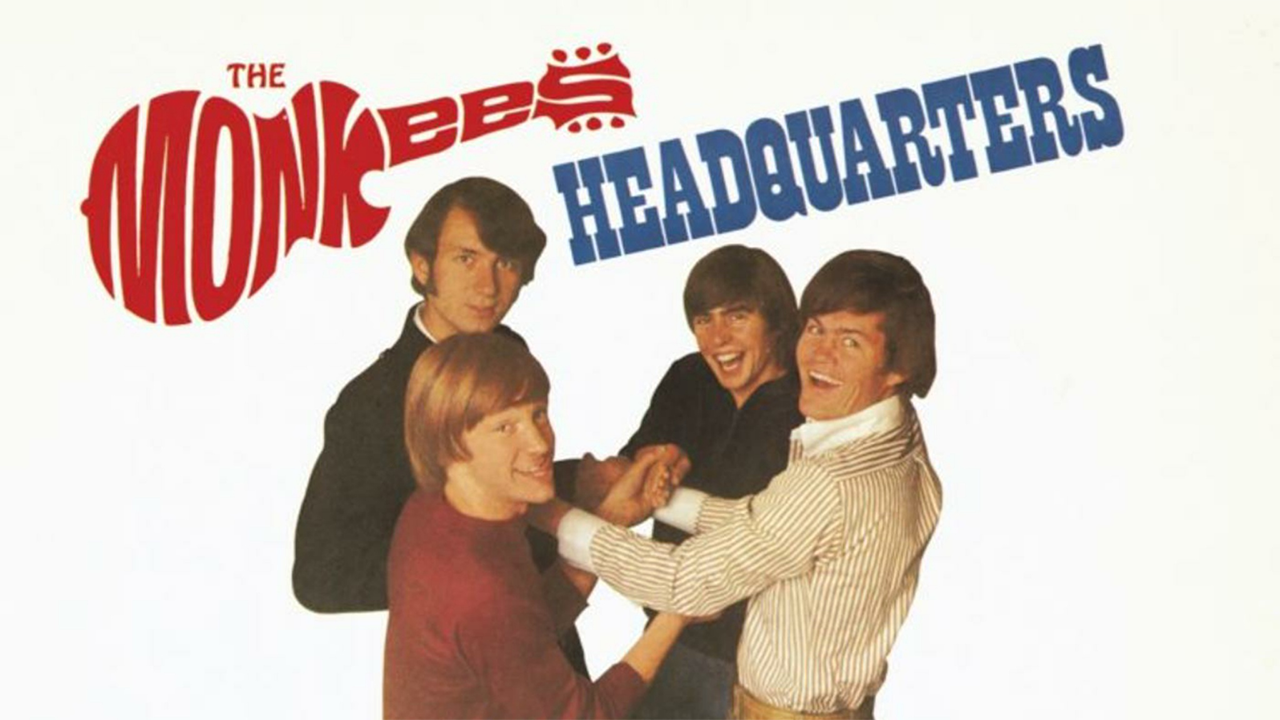
Image Source: Rock and Roll Globe
Headquarters and the Journey to a Real Band
Recording for Headquarters began on February 23rd, 1967, with more time being dedicated to it following Kirshner's firing. This album set out to prove the critics wrong, and it succeeded. Headquarters was released on May 22nd, 1967, and was a critical and commercial success. It reached number one but was quickly replaced the following week by The Beatles’ Sgt. Pepper’s Lonely Hearts Club Band. It spent 11 consecutive weeks, and it and Sgt Pepper became the two top-selling records of 1967’s “Summer of Love” period. However, it would be the last time for nearly 30 years that the group would record purely as a whole band unit.
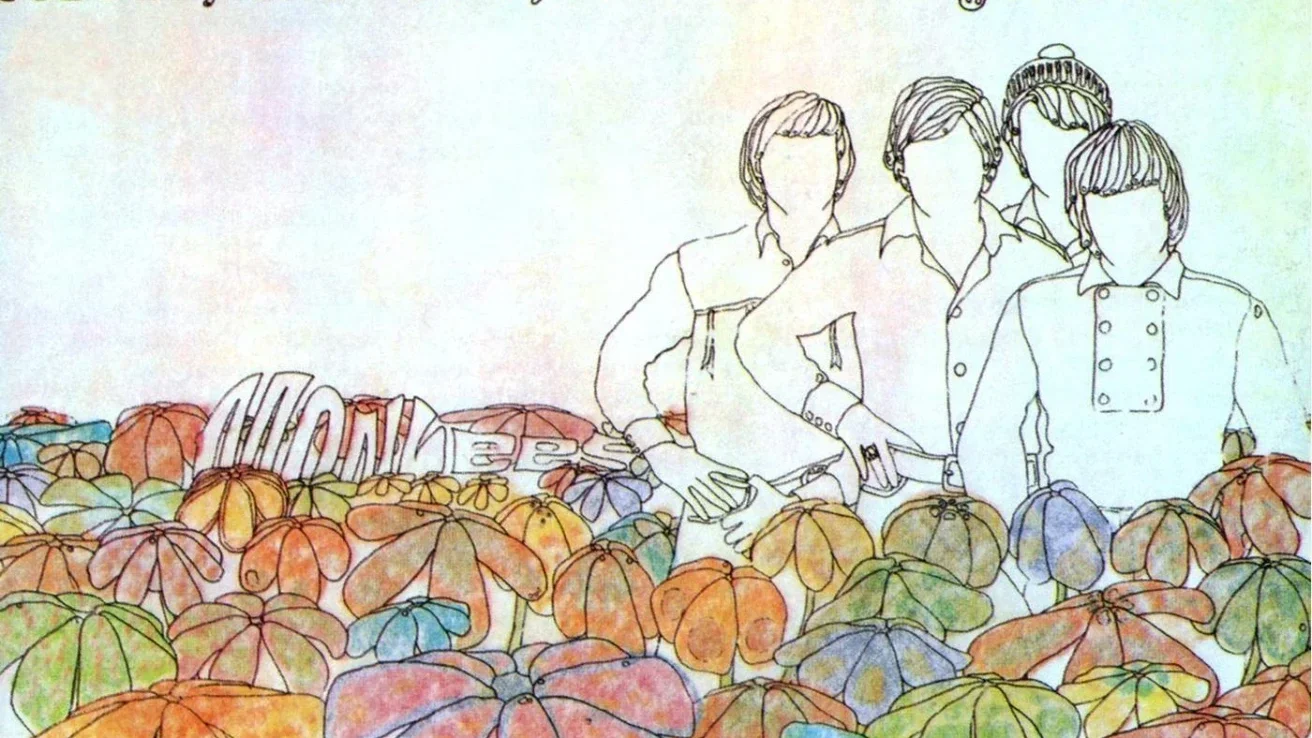
Image Source: Goldmine
Recording began for their next album, Pisces, Aquarius, Capricorn & Jones Ltd, shortly after finishing work on Headquarters. Though they still had complete control over the music, this album returned to the formula of the previous two, albeit with more contributions from The Monkees themselves. Nesmith commented on this approach later on, saying that their full band sound turned out to only be “marginally okay,” which influenced their decision to “go back to the original songwriting and song-making strategy of the first albums except with a clear indication of how (the music) came to be.” Tork, however, didn't like this, thinking that it wasn't as “groovy” as Headquarters.
“Technically it was much better, but I think it suffers for that reason,” Tork stated.
Dolenz had a difficult time drumming on the previous album and soon lost interest, so he stepped back from percussion duties for most of this album, with session drummer Eddie Hoh taking over. Producer Chip Douglas later admitted that Dolenz’s drumming was “shaky” and required extensive editing. The final album features a mix of instrumental contributions from The Monkees themselves and session musicians, and the songs are similarly a mix of their own compositions and those by professional songwriters. It also features an early use of the Moog synthesizer on a pop album, with Dolenz playing it on “Daily Nightly.” The album is an interesting mix of psychedelia, experimental sounds, and early country rock. Pisces, Aquarius, Capricorn & Jones Ltd was released on November 14th, 1967, and it peaked at number one on the Billboard Top 100 chart.
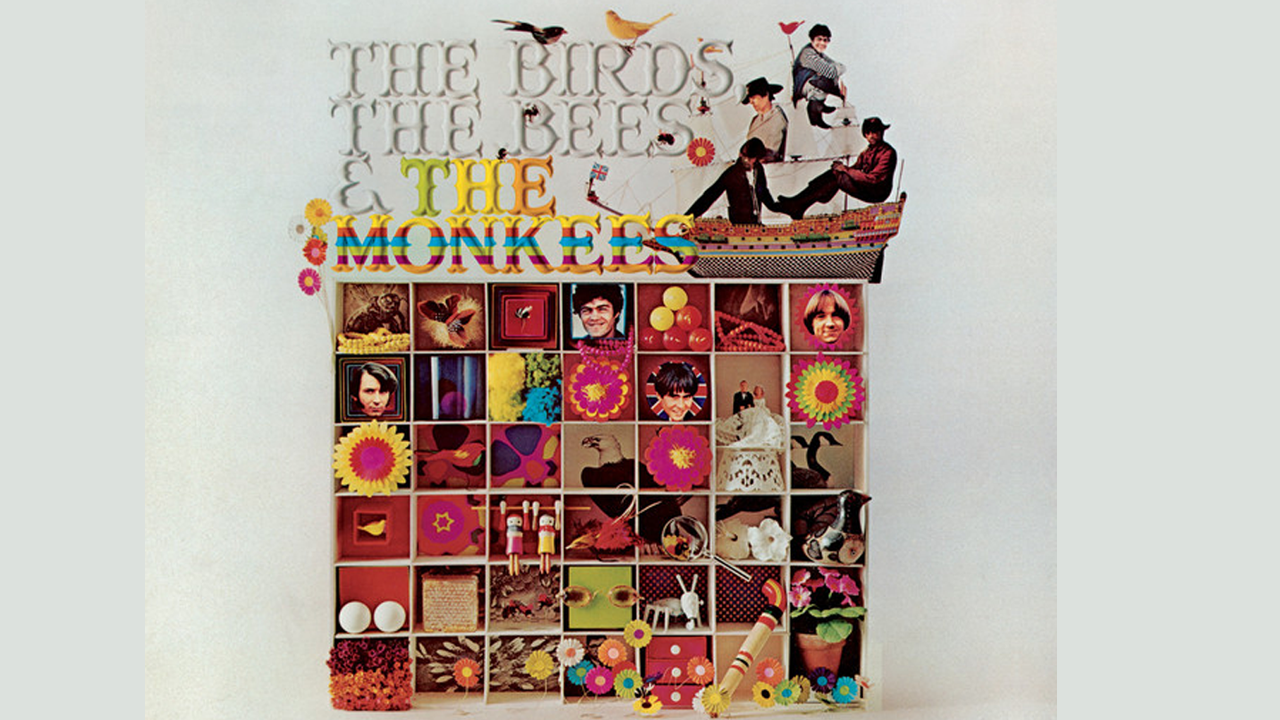
Image Source: Spotify
The Birds, the Bees & The Monkees: The Dissolution of the Group Dynamic
Recording sessions for their next album, The Birds, the Bees & The Monkees, were scattered between mixing and recording for Pisces, but it was around this time that The Monkees started working less as a group and more like individual artists. Chip Douglas was largely dropped as producer around this time, with each Monkee opting to produce their own sessions. The individual styles of each member were becoming more and more apparent, with Nesmith leaning toward country rock, Jones toward Broadway, and Dolenz toward soul and rock. Notably absent from this album are any compositions from Tork. Though he submitted many, none were included on the final release, with his sole contribution being piano on “Daydream Believer.”
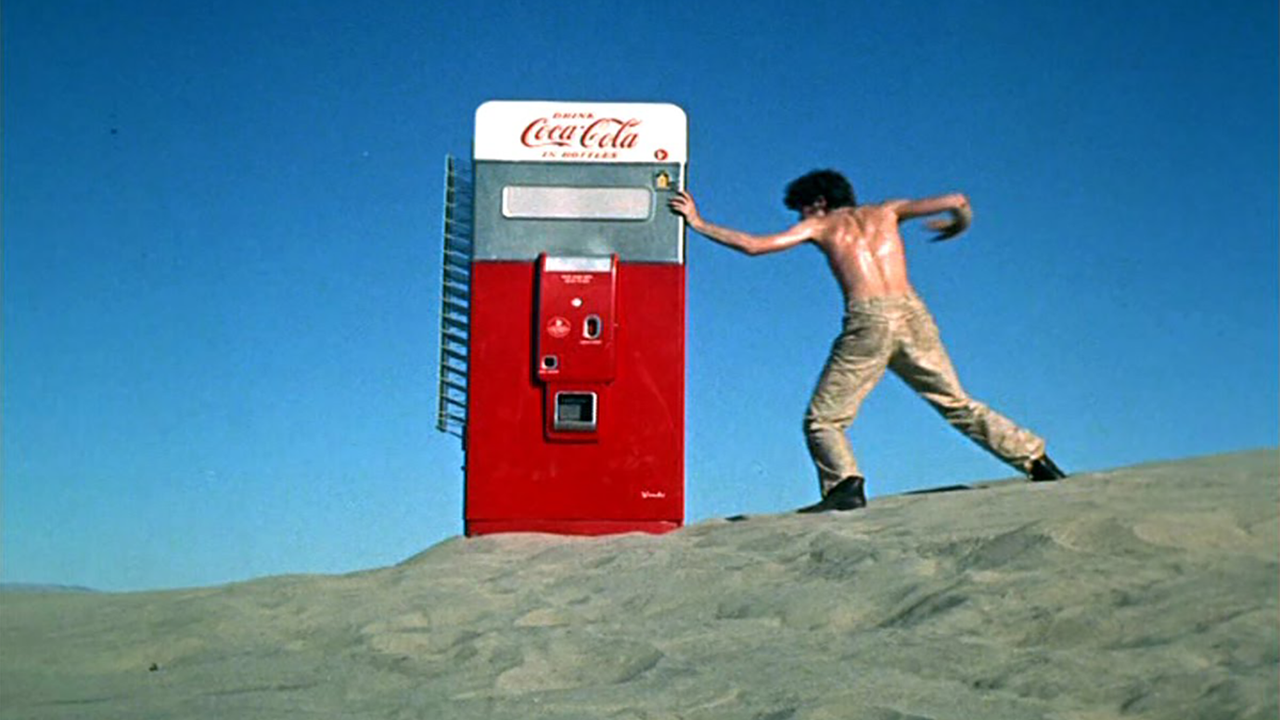
Image Source: The Dissolve
The Decline of the TV Series and Head
In between all of this, The Monkees still had a show to film. The show’s second season was retooled slightly, with the group’s clean-cut looks replaced by attire more akin to the hippie movement. A lot of the episodes still followed a similar formula to the first, but the cracks were starting to show, and it started to stray from its formulaic nature toward the end of the series, even abandoning the laugh track. Dolenz directed the series finale, “The Frodis Caper,” and it is an overall satire of the industry. Both the group and NBC thought the show had run its course in its current format. The Monkees wanted to retool it as a variety show or sketch comedy series similar to the likes of Laugh-In, but it was ultimately canceled in 1968.
Around the same time they were finishing up filming the series, planning was underway for The Monkees feature film, which had ultimately been in progress since the beginning. After a stoned-out planning session between the band, Schneider, actor Jack Nicholson, and Monkees assistant Brendan Cahill, Rafelson and Nicholson completed a “final draft script” of the film on December 15th, 1967, which was called Changes at the time. The film was later called Head and was meant to be completely different from the series.
Head ultimately became a series of loosely connected sequences that act as the antithesis of The Monkees television show, meant to kill it off effectively, and in that regard, it succeeded. The film was released on November 6th, 1968, and was a critical and commercial failure, spelling Monkemania's end. However, the film later gained quite a cult following.
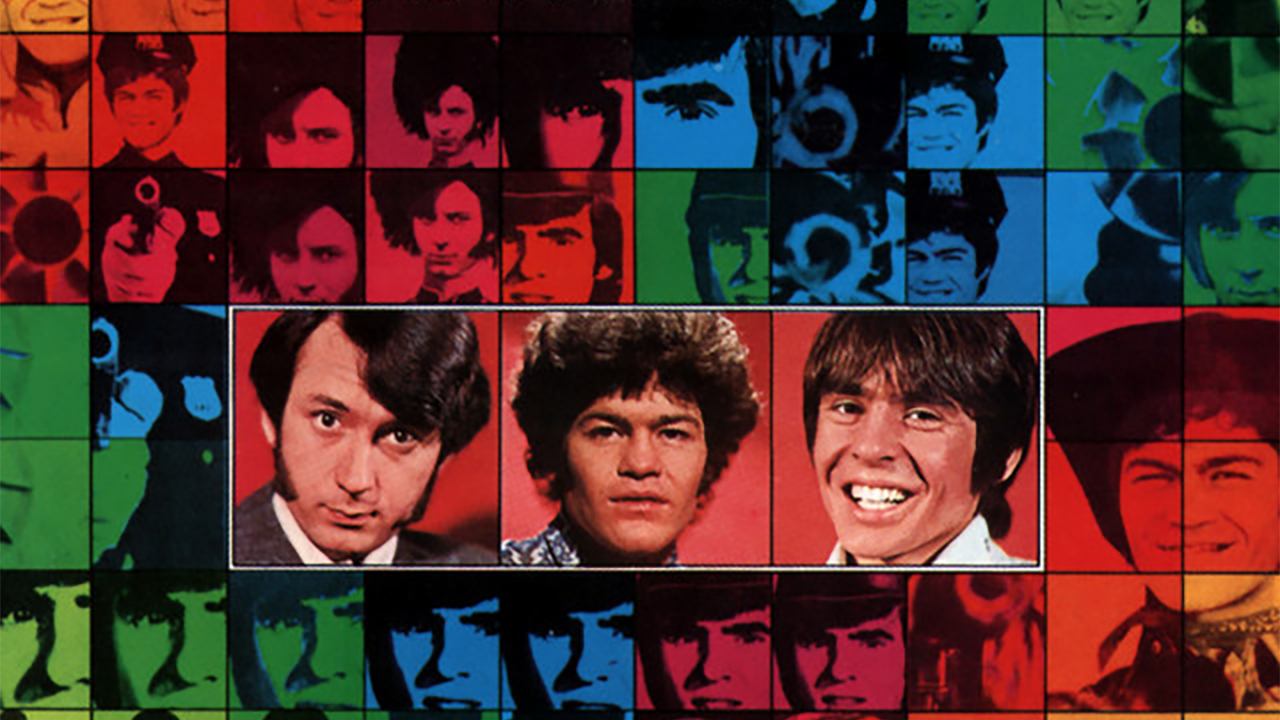
Image Source: Spotify
33 ⅓ Revolutions Per Monkee and Tork’s Departure
The final production that featured all four Monkees during this period was the 33 ⅓ Revolutions Per Monkee television special. Recording for the musical numbers began on November 11th, 1968, with filming beginning on the weekend of November 23rd. The special was a deconstruction of The Monkees, similar to Head. It was broadcast on NBC on April 14th, 1969, and was met with a largely negative reception. After production on the special ceased, Peter Tork exited the band, citing exhaustion. Nesmith gave Tork a gold watch as a going-away present, engraved with “From the guys at work.”
The Monkees were now the trio of Micky Dolenz, Michael Nesmith, and Davy Jones, but the group was essentially on life support. The group released two more albums, Instant Replay and The Monkees Present, before Michael Nesmith left, leaving the group shortly after filming a Nerf commercial (fittingly ending with Nesmith saying “Enerf’s enerf!”). The final album during the original period of the group. Changes featured solely Micky and Davy. Jones stated that this was his least favorite Monkees project, and by this point, it was pretty obvious that The Monkees were over.
Continued in Part 2
CultureSlate: Made by humans, for humans.
Please consider supporting our AI-free content via our Patreon page.
READ NEXT:
Sources: Wikipedia, [1], [2],[3], [4], [5], [6], [7], [8], [9]Infinite Tuesday by Michael Nesmith, They Made a Monkee Out of Me by Davy Jones, I'm a Believer: My Life of Monkees, Music, and Madness by Micky Dolenz, The Monkees: The Day-By-Day Story Of The 60s TV Pop Sensation by Andrew Sandoval, Rolling Stone, [1], [2], Uncut, Ultimate Classic Rock, [1], [2], AZ Central, Express, MonkeesRule43,[1], [2], UK Music Reviews, Musoscribe, YouTube, X, LA Times, Variety, Setlist.fm, Morning Call, IMDB, UPI, NorthJersey.com, The Guardian
Latest News
Featured



• All sizes are adult unisex
• Printed art on the front
• 100% cotton
• Pre-shrunk fabric
• Shoulder-to-shoulder taping
• Culture Slate Exclusive Design
See more products here