
The Starships And Starfighters Of The New Republic
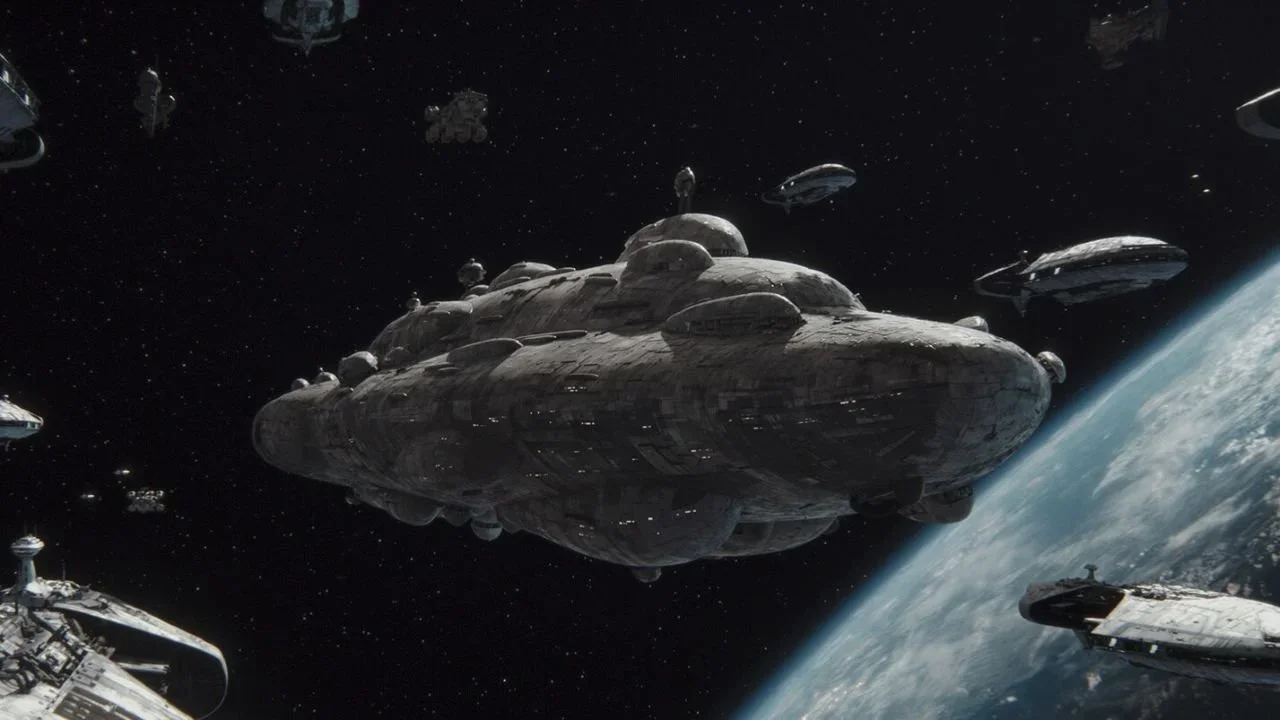
Image Source: StarWars.com
The Star Wars galaxy is full of iconic starships, from the huge, imposing Star Destroyers of the Galactic Empire to the nimble, sleek N-1 starfighters of the Naboo and the familiar shape of the Corellian CR90 corvette. However, each era has its design elements, ideas, and legacies, and some of the most significant in this regard are the starships of the New Republic.
A state reaching into from the original trilogy era into the sequels, the New Republic was a rebirth of democratic government in an authoritarian-ravaged galaxy, and so needed its own symbols and iconography to distinguish it from the Empire that came before. CultureSlate will explore those ideas as they relate to the starships and starfighters of the New Republic, to understand what was built and why in the nearly 30 years the state existed before its devastation at the hands of the First Order.
RELATED:

Iterating on Icons
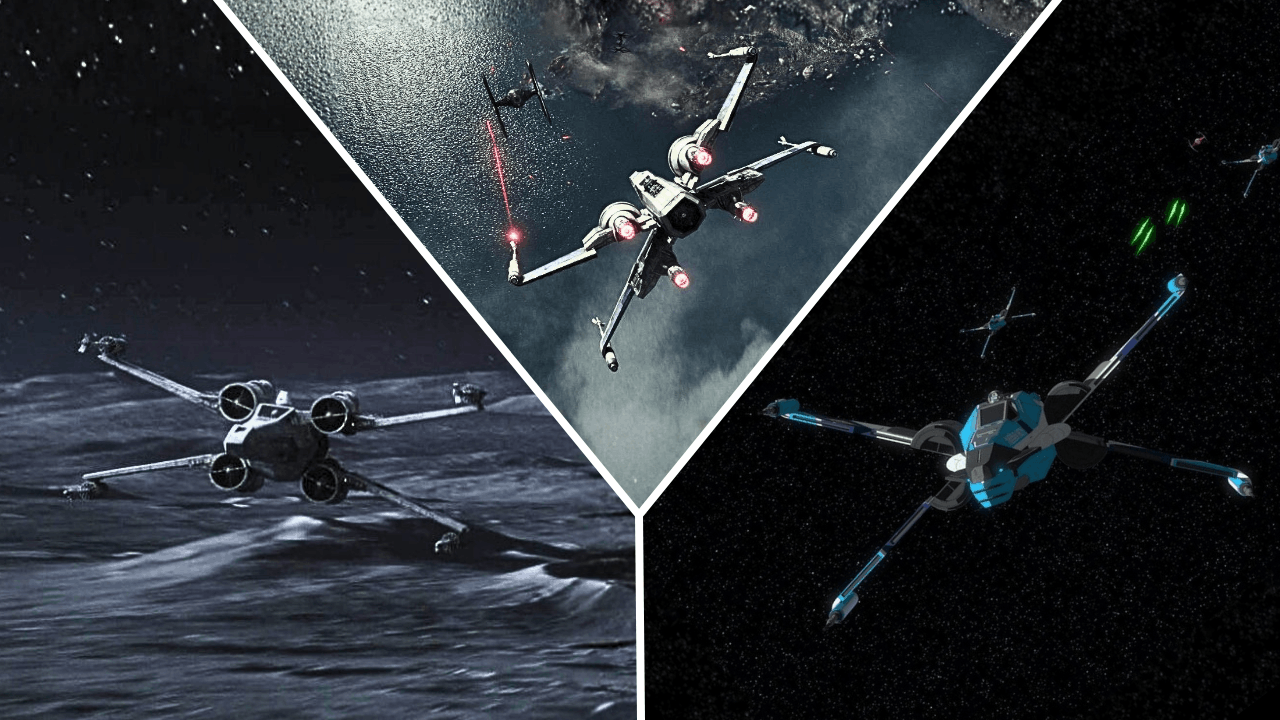
Image Source: CultureSlate
The New Republic was born from years of effort by the Alliance to Restore the Republic to bring the defunct government and system of democracy back to the galaxy. As part of that effort, a handful of notable ships, some from years prior to the Galactic Civil War, and others built specifically for it, became iconic vessels of the Rebel Alliance. These were the A-wing, B-wing, U-wing, Y-wing, and of course, the X-wing.
In the years following the defeat of the Galactic Empire, many of these starfighters remained in service for several years, but over time, were replaced by newer vessels in the same lines, increasing their abilities and adjusting their appearance to suit the changing tastes of the era. For example, the X-wing saw the T-65 of the Rebellion era become the T-70, T-85, and perhaps others, and these were used by the ever-decreasing New Republic military. That decrease resulted in many older vessels falling into private hands, such the Resistance, led by Leia Organa. By the time of the open war against the First Order, those vessels were outdated compared to the First Order’s finely-tuned ships.
The New Republic’s heavy use of a fleet so key to the Rebel Alliance represented an intent to show continuity of two kinds. First, they sought to revive a former state and its methods of government, thoroughly discarded or transformed by the Galactic Empire. Second, they wanted to remind people of what ships had ultimately won a victory over that Empire. We do not see much visual continuity from what is being called the “old Republic” by the era of the Sequel Trilogy, suggesting that the Galactic Republic’s legacy was complex, and it was better to draw from something more easily established and shown to be good (such as the Rebellion and its fight for galactic freedoms) than to recall a state that had become corrupt and weak before the rise of the Empire destroyed it.
Something New
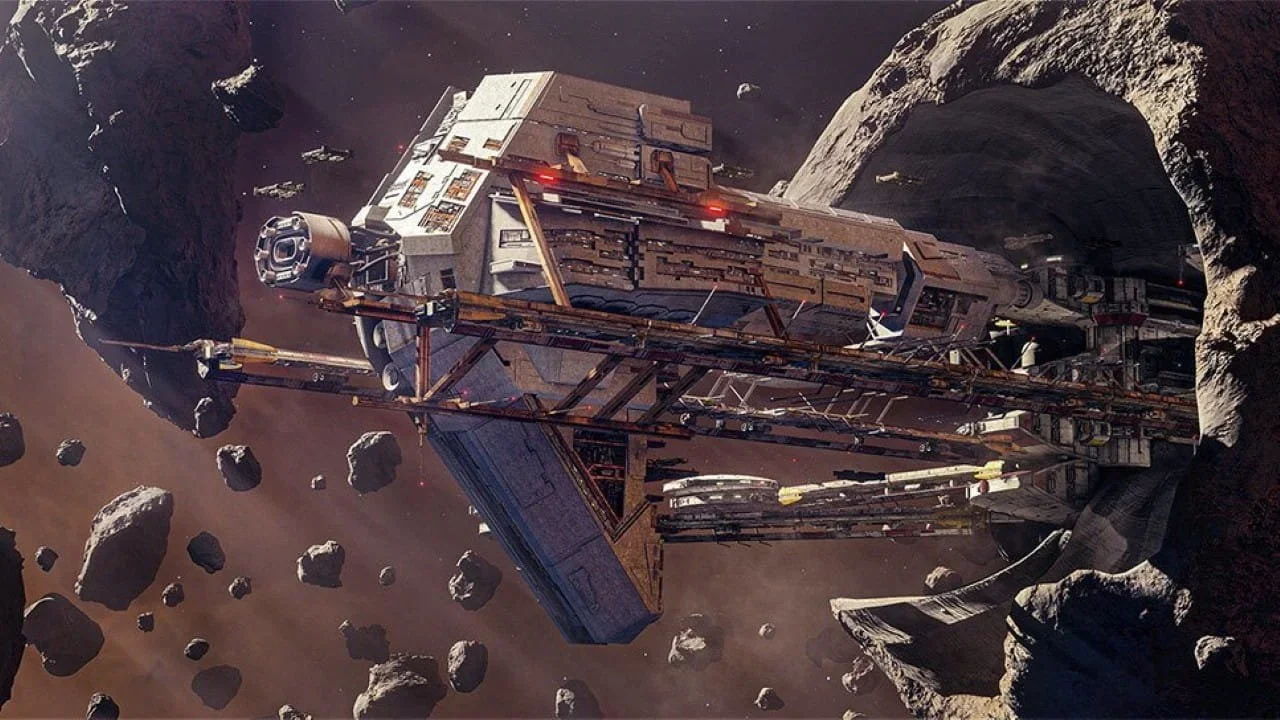
Image Source: StarWars.com
Despite the aforementioned deference to the lineage of the Rebel Alliance, the New Republic was not completely devoid of new starships or starfighters during the years following its formation. For example, one of the most earnest crash-course shipbuilding programs in the existence of Star Wars followed the Battle of Endor, when the newly formed New Republic sought to create an entirely new ship to help them fight their scattering Imperial foes. The Starhawk capital ship was a result of these efforts, created from parts of broken-down Star Destroyers and in possession of a powerful tractor beam. Yet almost as soon as the first ships of this type were built, there came a halt to the construction of new ones.
Led by voices in the New Republic government like Mon Mothma, the newly formed state sought to decrease their military presence in the galaxy to show that peace was the way of the future, and warfare the past. While we don’t know what fully happened to the Starhawks, their lack of mention or appearance in the Mandoverse, let alone the Sequel Trilogy era, suggests they were more than just mothballed; they were probably fully decommissioned and disassembled within just a few years of exiting the shipyards.
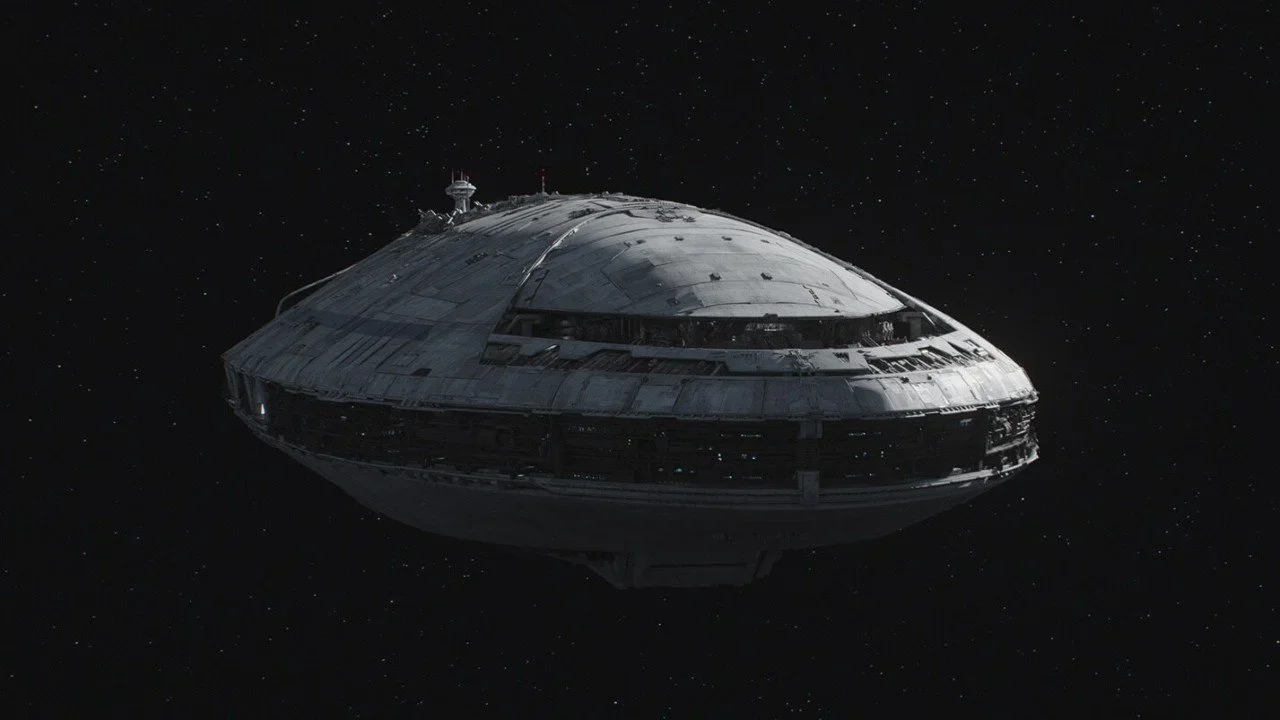
Image Source: StarWars.com
In their place came new vessels, smaller and more flexible than capital ships. The Defender-class, a smooth starfighter carrier, was built in some numbers during the New Republic’s early years, and likely still served the government many years later, given their small size and efforts to exude the ideals of exploration and diplomacy.
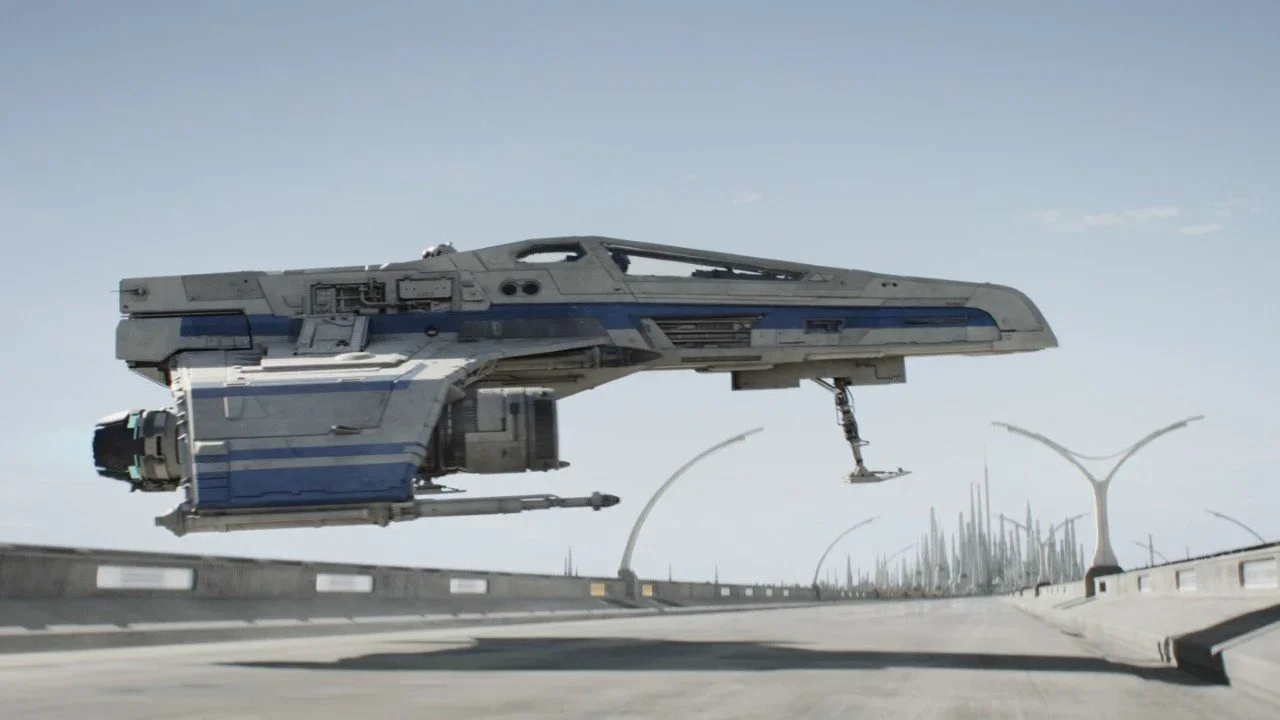
Image Source: StarWars.com
Alongside these ships we can see a new type of starship, the E-wing, mirroring its Legends role as part of the Rebels’ return to democratic government. However, the E-wing appears to have had very limited deployment within the New Republic, with Defender-class vessels instead still carrying small compliments of the more familiar and iconic vehicles mentioned earlier.
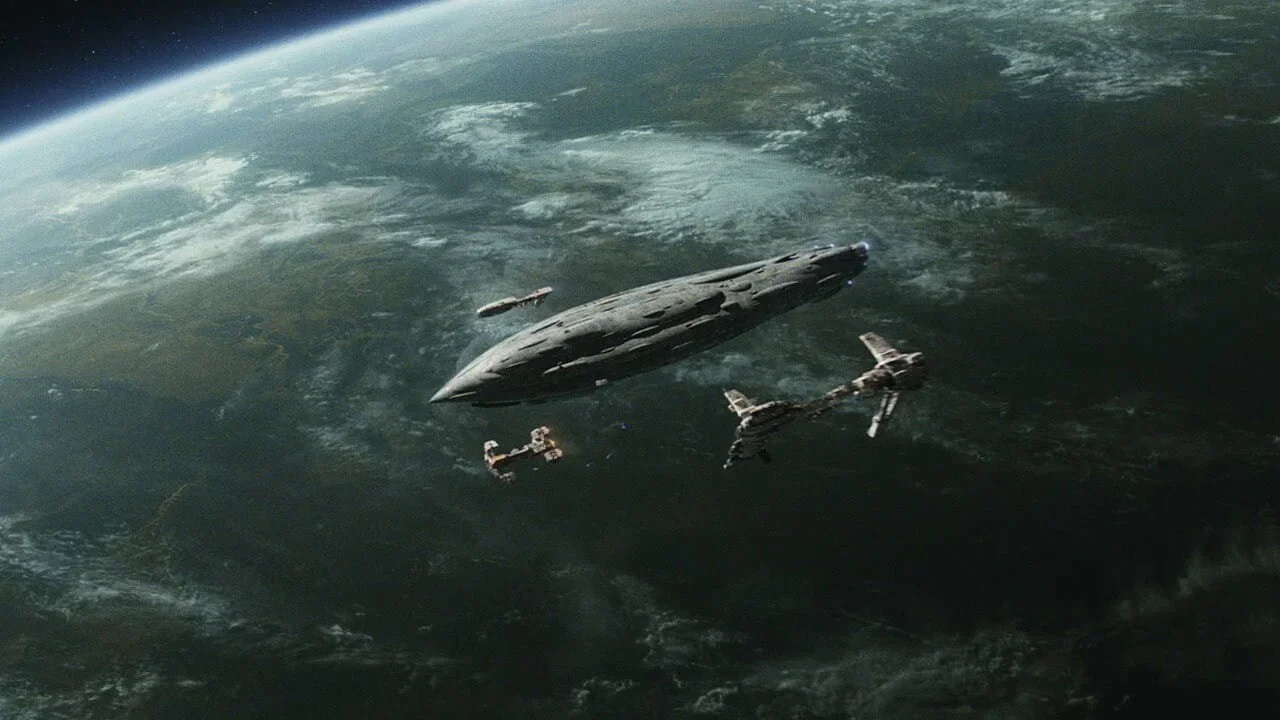
Image Source: StarWars.com
The one exception to this decrease in military might is the Raddus, a colossal purpose-built starship with advanced shield technology which came into service during the early years of the New Republic. Initially called Dawn of Tranquility, this ship and others of its kind likely suffered a fate similar to the Starhawk line, but the ship seemingly survived long enough to be acquired by the Resistance. This suggests, perhaps due to its overt links to the essential Mon Calamari people who helped support the Rebellion and the New Republic, that the ship survived as a symbol of an older time for years, and could be something we see on the small screen in Ahsoka or whatever finale the Mandoverse might build for itself. We certainly see Home One still in operation during the return of Thrawn, showing the strength of symbolism and political connections at play in maintaining such a formidable ship as the lynchpin of the New Republic’s military.
Conclusion
The New Republic was engaged in a balancing act for much of its life. Many interests and factions, internal and external, exerted their pressure to compel a result they preferred. In the area of the government’s defensive efforts of maintaining or building new interstellar craft, we see strands of continuity woven into the less prominent presence of innovation and efforts to move past the familiar. Symbolism is a powerful force in this era, as is the political will of certain parties looking to downsize the armed forces, but not all of it was so quickly cleared away. Ahsoka Season 2 is certain to give us a good look at the forces the New Republic can pull together in a moment of crisis, but future storytelling (such as the upcoming Starfighter film) might also tell us more about what sort of military force was left by the time the First Order annihilated so many of the starfighters and starships of the New Republic.
CultureSlate: Made by humans, for humans.
Please consider supporting our AI-free content via our Patreon page.
READ NEXT:


Latest News

Featured




• All sizes are adult unisex
• Printed art on the front
• 100% cotton
• Pre-shrunk fabric
• Shoulder-to-shoulder taping
• Culture Slate Exclusive Design
See more products here