
The History Of The Galactic Civil War
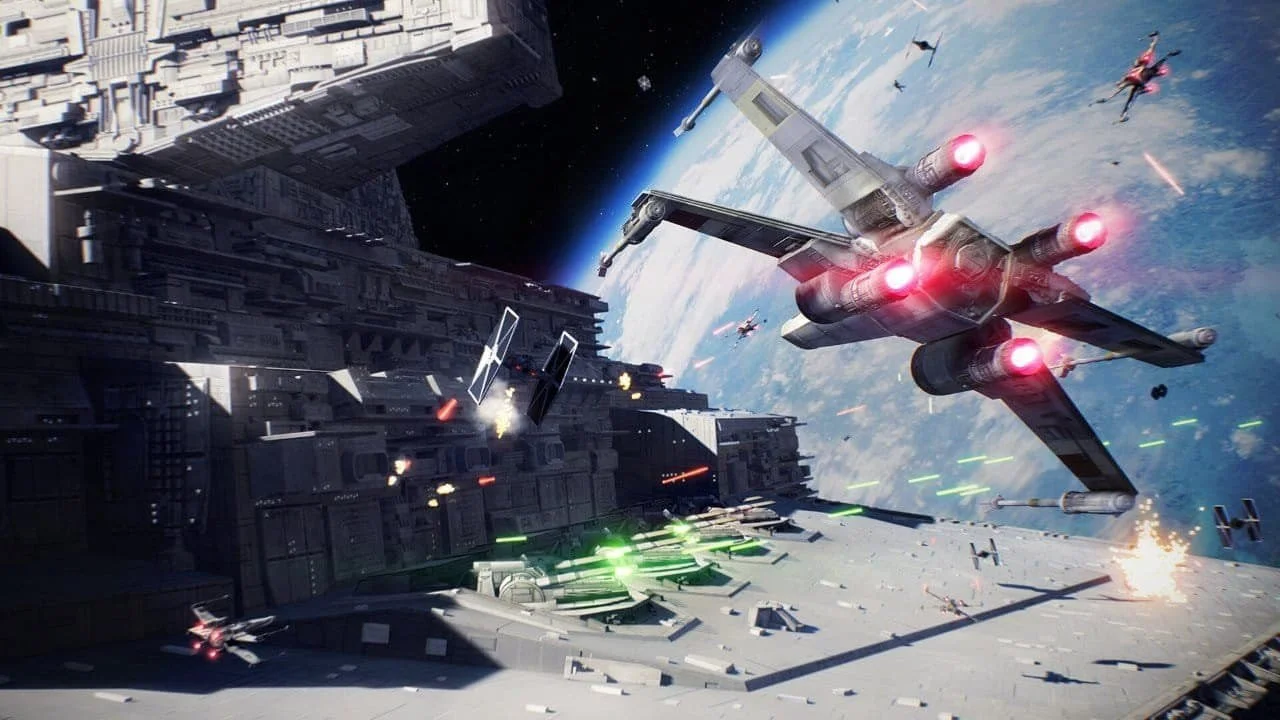
Image Source: StarWars.com
The Galactic Civil War is, so far, the biggest conflict seen in the Star Wars galaxy. The Rebel Alliance fought against the Galactic Empire for years, across myriad worlds, and using a range of weapons, ships, and vehicles, all to topple an authoritarian state. The Galactic Empire was evil from its inception, and would kill billions in the name of an oppressive peace and order to the galaxy. But the Rebel Alliance stood against that oppression, and today, we’ll explore a broad history of the entire Galactic Civil War to understand the course of that conflict.
Early Rumblings
The galaxy far, far away did not formally enter a period of civil war until the Battle of Scarif, when the first major pitched battle between the united Rebel Alliance and the Galactic Empire took place. But for years prior to this, insurgent activities and smaller battles had gradually grown the power of the Rebellion. There were no large-scale military activities, no grand pitched battles between hundreds if not thousands of pilots and crews and soldiers.
RELATED:

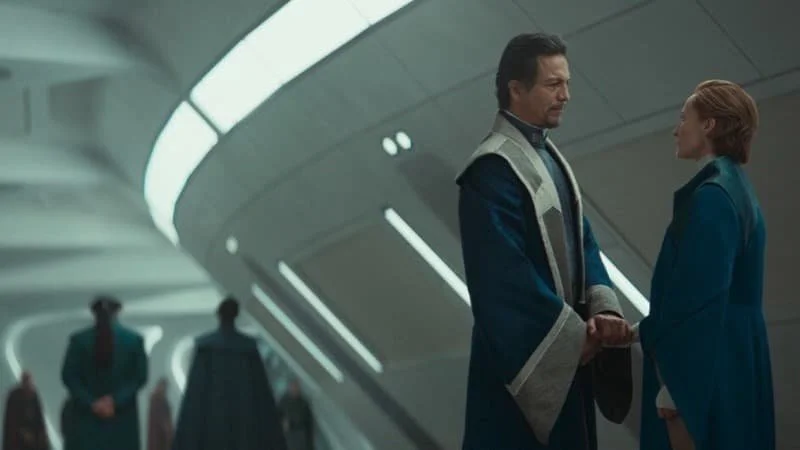
Image Source: StarWars.com
Instead, quiet defections from the Empire, networks of resistance, and single-event insurrections were the norm. Mon Cala, under urgings from a twisted Jedi Padawan, entered into a brief conflict with the Empire that was handled brutally in the aftermath. The Hidden Path, though currently unknown if they had connections with the burgeoning Rebel Alliance, still resisted the Empire’s authoritarian reach by evacuating the targets of their manhunts against Force users and their allies. Then, there were former Separatist worlds, who remained defiant or at least confrontational with the new Galactic Empire that swept over their largely deactivated droid forces.
Over time, cells of resistance across the galaxy began to slowly pull together and organize themselves. Much of their organization came from the efforts of the likes of Bail Organa and his Fulcrum network, but there was also Luthen Rael and his Axis network that worked alongside, but also sometimes in opposition to, Bail’s plans. The ultimate beneficiary for all of this were the likes of the Phoenix Cell, Saw Gerrera and others, who performed acts of sabotage, disruption, or fought small skirmishes to limit Imperial expansion.
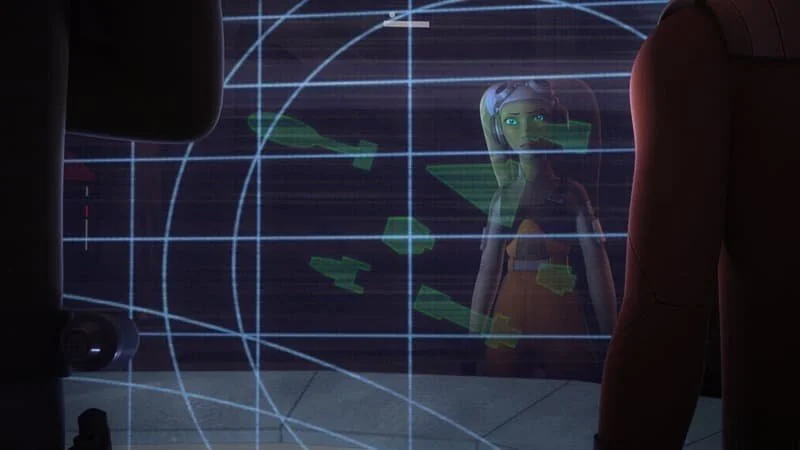
Image Source: StarWars.com
The Phoenix Cell and Saw Gerrera also represent a spectrum in the Rebellion’s resistance to the Empire, from small, controlled attacks on military targets and events, compared to savage conflict full of collateral damage. This fragmented approach allowed the Empire to paint all Rebels as terrorists seeking only chaos, and eventually led Saw Gerrera to split off from the Rebel Alliance, despite being one of its three secret original founders, alongside Bail Organa and Mon Mothma.
After nearly two decades of Imperial rule, the Rebel Alliance had grown formidable, but it was not undefeated. The threat created by commanders like Grand Admiral Thrawn and the Empire’s vast resources were dangers the Rebels only overcame through luck and twists of fate. Thrawn was removed from the board by the sacrifice of Rebel and Jedi Padawan Ezra Bridger, while the Empire’s vast resources were being funneled into a singular superweapon of terrifying power that had nonetheless been delayed for years by a crafty, secretly turncoated scientist instrumental to the project, Galen Erso.
With this weapon, the Death Star, almost complete, leaks and rumors intensified about its scale and power. Initially hesitant to believe such rumors, the Rebel Alliance was ultimately brought into conflict with the Empire at the Battle of Scarif in defense of the truth that this weapon did exist. While a material loss for the Rebel Alliance, with dozens of pilots and ships lost alongside a number of elite ground troops, it was a strategic victory, undercut by the fact that Leia Organa’s starship had a malfunction, and was thus traceable through hyperspace in her escape from the battle.
The Rough Road of Hope
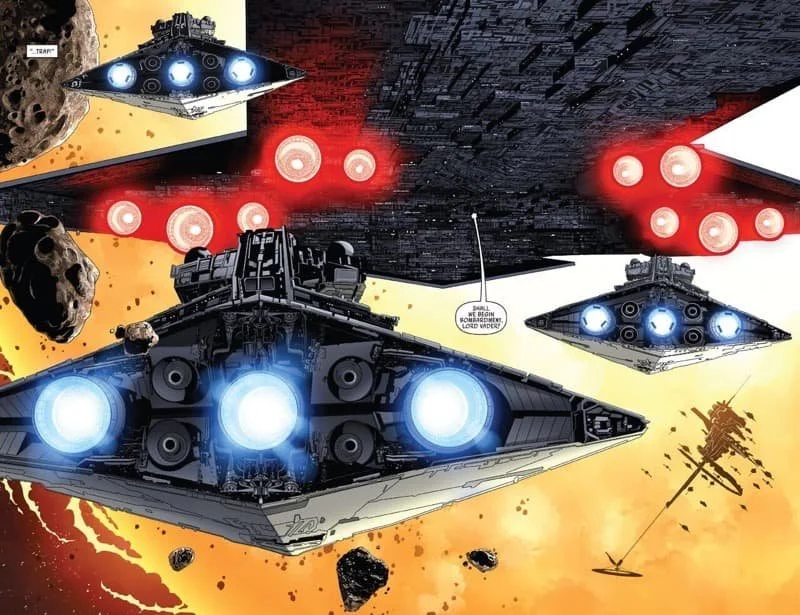
Image Source: Wookieepedia
The sudden appearance of the Death Star to the galactic stage was met by its almost just as quick disappearance as the vast space station was destroyed in a daring attack to save the Rebel Alliance’s principal base on Yavin 4. The shock that such a vast facility could be destroyed, and that few Imperial assets of sufficient strength were nearby able to respond without taking risks themselves, saw a pause that allowed the Rebels to frantically evacuate their home of several years.
Now in open warfare with the Galactic Empire, the Rebel Alliance kept to their tactics of guerilla warfare, infiltration, and skirmishes, avoiding pitched battle at all cost. For example, at Cymoon-1, the Rebels tried to sabotage “state of the art automated factories” run by the Empire, only for the situation to grow more complex when Darth Vader arrived, and the factories were shown to actually be run on slave labor. The slaves were freed, and the Rebel heroes involved in the mission escaped, going on to further exploits against the galaxy’s ruthless oppressors.
It was over the blasted ruins of Jedha that hope for the galaxy, formerly in limited albeit growing supply, seemed to grow exponentially. Leia Organa met and seemingly befriended Queen Trios of Shu-Toran, who offered her resources and insider Imperial knowledge for the ongoing war. Thanks to this help, the Rebel Alliance dramatically increased its naval capabilities, helped both by new ships built exclusively within the partnership and the recruitment of a number of Mon Cala ships to the cause after the Rebels showed the Mon Cala how their king had been treated by the Empire in captivity.
The crowning achievement of these efforts was seen at the Mako-Ta Shipyards a short time later. Multiple large capital ships, staffed with dozens if not hundreds of starfighters, set to make the Rebel Alliance a formidable force in the galaxy. Except that they were betrayed. Trios had faked her rebellious streak, instead serving Vader’s goal of gathering and destroying the Rebel Alliance. Many notable military commanders were lost in the following Battle of Mako-Ta, and the once formidable Rebel Fleet was scattered to the winds in the desperate escape from the Empire. They would have to start from scratch.
The Rebellion’s greatest heroes were briefly cut off from the Fleet, but by the time they returned to the fold, a plan to cripple the Empire’s industrial might had been well plotted out by Leia Organa. This sabotaging of Shu-Toran’s industrial capabilities was a success, and the Empire lost a competent ally in Trios, who also died in the attack though that had not been Leia’s direct intention. Once again returning to the Rebels, the heroes now joined in the critical task of scouting out possible locations for a new major base. Over time, the Rebel Alliance’s military assets recovered, and they healed after the disaster that had been Mako-Ta.
Divided but Unconquered
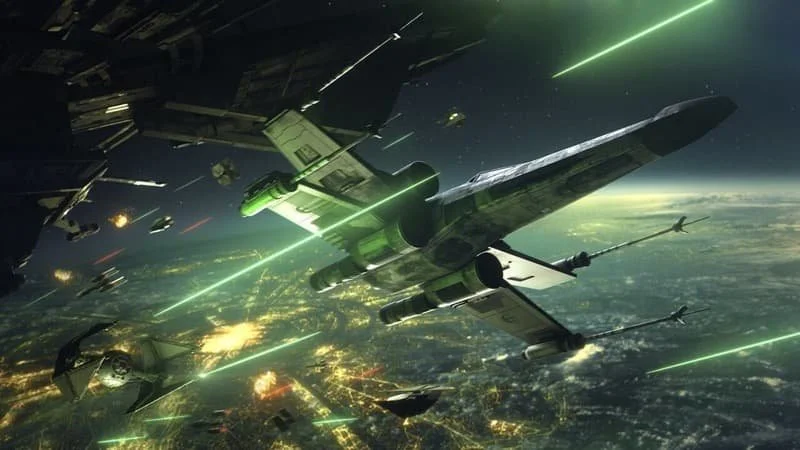
Image Source: StarWars.com
Another military defeat like Mako-Ta, though, was in the cards. Scouring hundreds of planets for the Rebel Alliance, their task made harder by the daring sabotage of Doctor Aphra, the Galactic Empire did eventually discover the new main Rebel Base on the planet Hoth. However, tactical failures meant the fight initially seemed to be a loss for the Empire, as the Rebel Fleet again scattered across the galaxy. Yet unknown to the Rebels, they were now being hunted, as Rebel codes had been cracked and the Empire knew exactly where to strike against them. Through operations overseen by Commander Zahra, many of the Fleet’s divided segments were attacked. Some were destroyed, but others survived and regrouped together. The Rebels also succeeded in generating a new series of codes that were virtually unbreakable, giving them security into the future.
Once again thrust into recovery mode, the Alliance sought resources and alliances, particularly from the galactic underworld even as considerable criminal-based conflict spread across the galaxy. Spurred on by the machinations of Qi’ra and the returned Crimson Dawn, the roiling underworld and its manipulations allowed the Rebels to put an end to Zahra and regain its footing. But for the Galactic Empire, this added yet another headache and substantially complicated their military presence across the galaxy as agents of the Dawn worked to sabotage the Empire, or Imperials were killed under the merest suspicion of their alternative loyalties.
While Crimson Dawn and the chaos they had unleashed was ultimately snuffed out by the actions of Darth Vader and Sidious, a new, brief kind of chaos also caused issues for both sides of the conflict: the rise of the Scourge. A terrible droid intelligence bent on ascension through the consumption of droid minds, and the inclusion of organic bodies and minds through cyborgs, the Scourge infected countless droids, resulting in murderous and abnormal activity. Its plot was ultimately defeated, and the galaxy went on, unaware of the true cause of what had gone wrong with the droids.
The Emperor’s End and Operation: Cinder
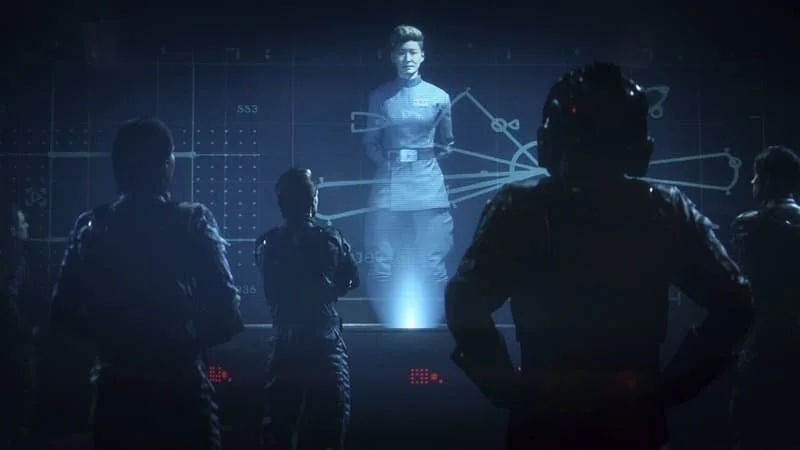
Image Source: StarWars.com
During their dealings with the criminal underworld, and as a result of the growth of Luke Skywalker as a Jedi, the Rebel Alliance’s leadership became aware of the construction of the second Death Star. Kept a closely guarded secret, the plan to move against the station was eventually hatched and the Rebel Alliance began a strategic withdrawal across the galaxy. Appearing to fool the Empire on multiple levels, from Leia Organa purposefully allowing the Empire to chase her as a distraction, to Rebel forces staging conflicts to appear to be in retreat, these missions culminated in the gathering of the greatest Rebel Fleet seen in years for an attack on the new Death Star.
After the heroes of the Rebellion successfully saved Han Solo and killed Jabba the Hutt in a rescue mission, these same heroes then began the infiltration of the Endor system. Despite the days following revealing that Emperor Palpatine had set a trap for the Rebels and had been aware of their plans, his overconfidence in converting Luke Skywalker to his side and overconfidence in the strength of his defenses both on the moon and hidden in orbit, meant that the galactic leader died in a stunning reversal of fortunes.
The destruction of the galaxy’s second and last Death Star saw immediate ramifications as the Galactic Empire began to crumble. While Palpatine had hidden leaders emerge to begin steering his now-failing state, the Emperor’s vindictiveness knew no bounds as his Messengers declared Operation: Cinder. Worlds loyal and disloyal, the sites of mysterious black sites and major population centers, were all targeted by uniquely devastating weapons prepared to destroy in the name of the Emperor’s final orders.
Operation: Cinder was also a crucible through which the loyalists of the Empire would either break and grow stronger for the plans of Gallius Rax, acting out his master’s final will. While a number of worlds like Vardos suffered, others like Naboo were saved, and the Empire was torn apart by these kinds of orders as well as the cults of personality that emerged as Imperial leaders cut themselves off from other forces. Even when the Empire’s forces were able to strike a blow against the ex-Rebels, now New Republic, it was only a delaying action. This can be seen when the remnants of the Empire destroyed the Starhawk prototype starship, only to lose considerable assets in the mission while the ship’s builders and creators escaped to build further Starhawks in the near future.
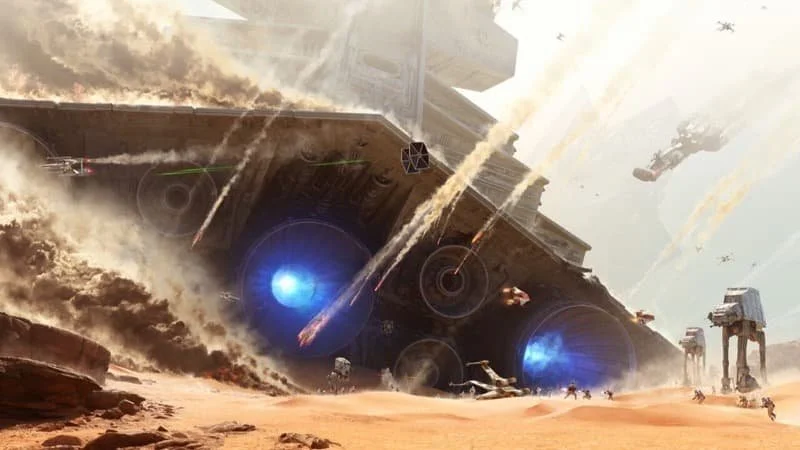
Image Source: StarWars.com
The war ultimately culminated at the world of Jakku, Gallius Rax’s homeworld and the final strike in the ever-forging crucible. While he proclaimed the world to be the place to reforge the Galactic Empire and drag the Rebels, now the New Republic, into a protracted war, his true intentions were to detonate the planet, destroying hundreds of ships and killing thousands, on both sides. But Rax didn’t expect the arrival on-planet of former Grand Admiral Rae Sloane, who killed the Counselor, taking his place in the scattered retreat of certain Imperials into the Unknown Regions. Jakku was not destroyed, and instead became a graveyard of largely Imperial ships, as the last vestige of centralized public Imperial power was destroyed. Viceroy Mas Amedda, kept a prisoner on Coruscant, escaped his captives and became a figurehead for peace, ultimately signing the document that formalized the end of the Galactic Civil War.
Aftermath
The formal end did not mean a total end to hostilities. The New Republic had a fragile galaxy to govern, and remnants of the Empire who rejected the terms of the treaty that ended the conflict would not go quietly. Many became warlords and petty tyrants, seeking to retain their grip on power or manipulating events in their favor from the shadows. The Shadow Council, initially formed under Rax, evolved and became stuffed with these figures, loosely coordinating their schemes but not above grasping at significant power.
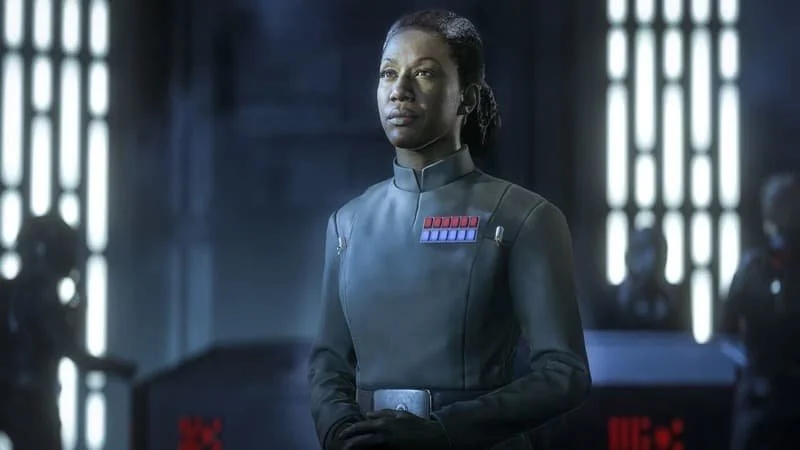
Image Source: StarWars.com
For the New Republic, a series of choices was made that would have long-term consequences. Many former Imperials were returned to the fold of public life through an amnesty program, yet some among these many thousands if not millions, were insincere in their professions of loyalty to the new era of the galaxy. These people would eventually become spies and saboteurs to the New Republic’s long-term goals, some existing at the highest levels of power in the democratic government. The military of the New Republic, rapidly built up and expanded in the wake of Endor, was then rapidly downscaled. Rebel leaders like Mon Mothma wanted to present an image of peace to the galaxy and signal an end to the war, but this would leave the young government unable to properly respond to threats against its member worlds.
In the end, the Galactic Civil War lasted, depending on one’s count, either two decades or about five years, and saw widespread destruction. Whole worlds were destroyed or significantly devastated, innocents perished, and the guilty were allowed to walk free. At the same time, as innocents survived and went on to live in a changed galaxy, the guilty were punished. Some places were never the same again, others remained almost unchanged, and in this conflict, the seeds of the next were planted to later sprout into the conflict between the Resistance and the First Order.
CultureSlate: Made by humans, for humans.
Please consider supporting our AI-free content via our Patreon page.
READ NEXT:


Latest News
Featured





• All sizes are adult unisex
• Printed art on the front
• 100% cotton
• Pre-shrunk fabric
• Shoulder-to-shoulder taping
• Culture Slate Exclusive Design
See more products here