
Why Are There So Few Droid Characters In 'The High Republic'?
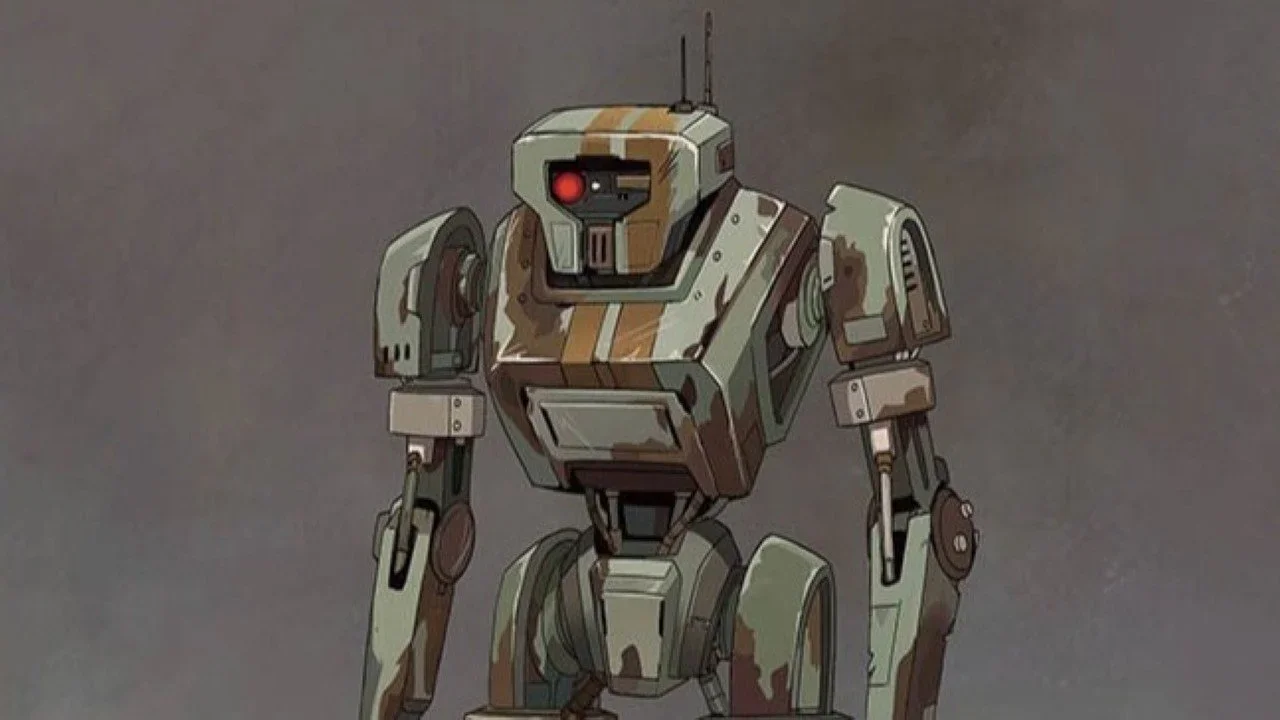
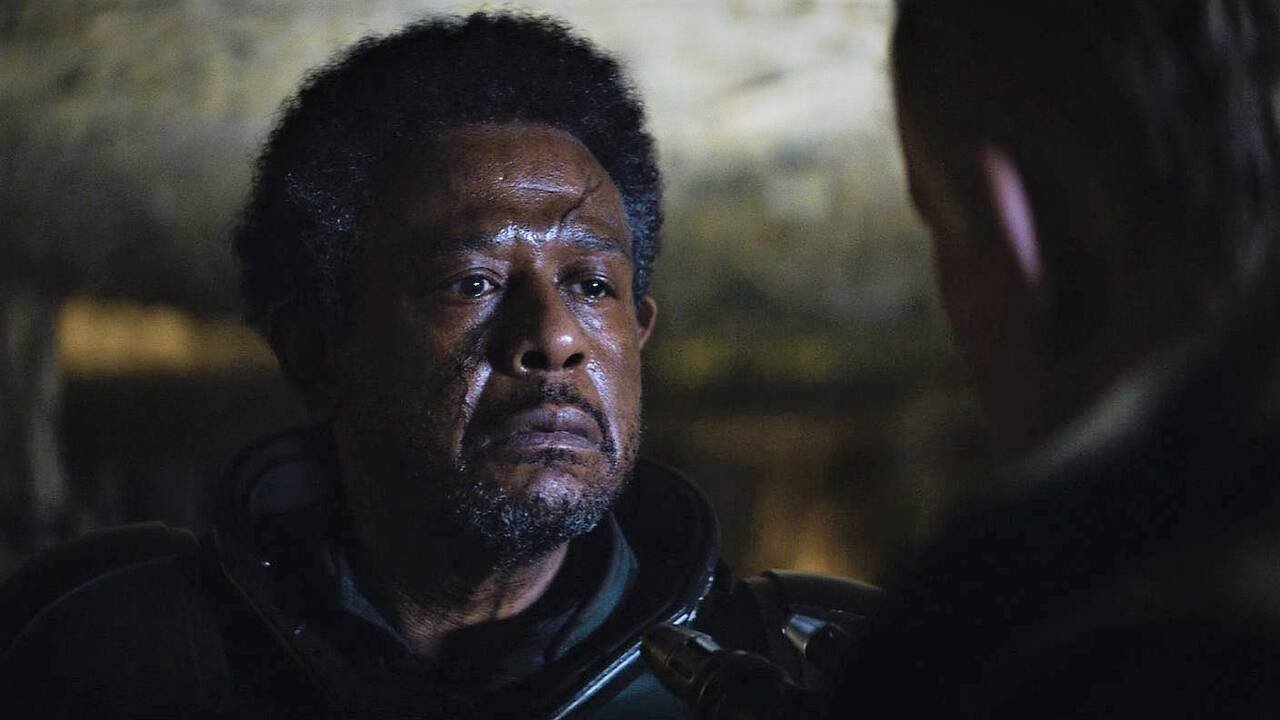
The rusted security droid M-227
Image Source: StarWars.com
The High Republic publishing initiative was an expansive, detail-rich world of fun characters, locations, and more, which CultureSlate has explored extensively in the year since the initiative’s conclusion in the summer of 2025. However, for all of its Star Wars DNA, The High Republic was absent one key part of the Star Wars formula: droids.
Now, they weren’t entirely absent, but the lack of highlighted droid companions, with many instead being relegated to brief segments of the story, leads to some questions. In today’s article, we’ll explore the droid characters we do see in The High Republic, and look to understand why they might have a more understated role in the initiative than elsewhere in the galaxy far, far away.
RELATED:
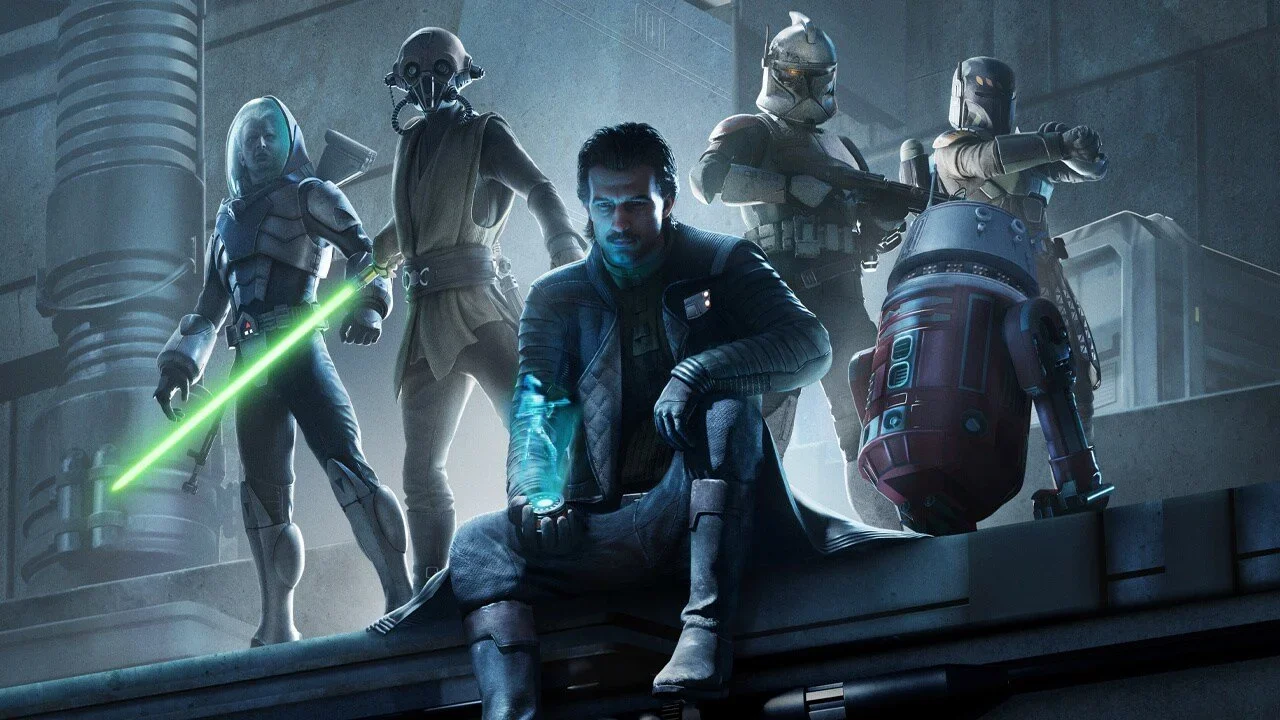
Phases 1 and 3
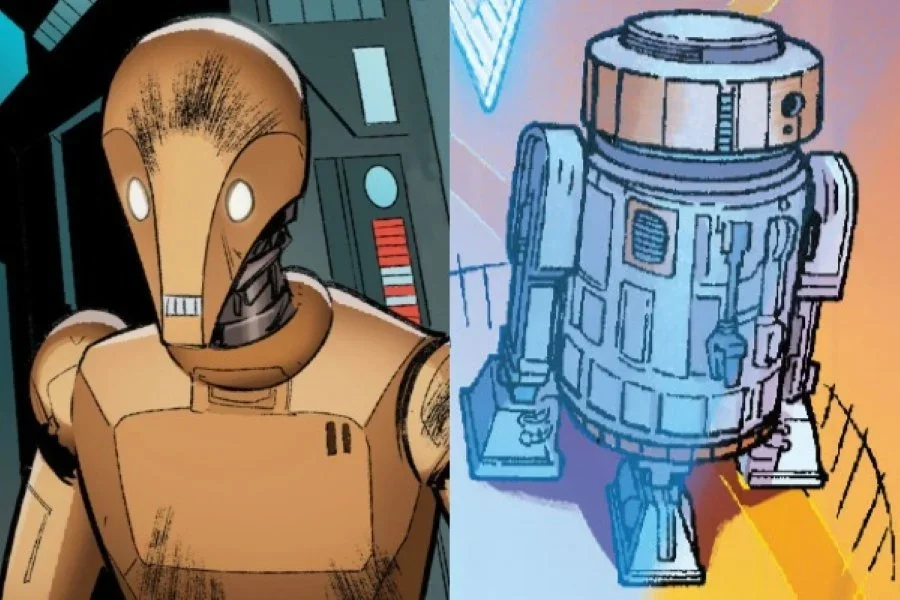
The droids JJ-5145 and KC-78 seen in Phases 1 and 3 of The High Republic
Image Source: CultureSlate
Given Phases 1 and 3 represent a united era of a few years in the Star Wars galaxy, the appearance of multiple droids over that material makes sense. But it is intriguing to note how the presentation of droids shifted in the initiative as Phase 1 went forward, before one considers Phase 3. Phase 1 introduced a number of droids, from J-6 as a caregiver to Avon Starros who was hopelessly out of her league trying to contain the young genius, to the astromech KC-78 paired to Estala Maru on Starlight Beacon. Other droids in the first two waves of Phase 1 include M-227, an old droid owned by Sylvestri Yarrow, and then V-18, a droid friend to Ram Jomaram. At the very end of Phase 1, and into Phase 3, we then see JJ-5145, a logistics droid owned by Stellan Gios and transferred to Elzar Mann’s ownership.
All of these characters, save JJ, have one thing in common: they rarely appeared after their initial introduction. V-18 all but vanishes after Race to Crashpoint Tower, despite the large role Ram came to play in the High Republic Adventures line of comic storytelling, while J-6 is not present as a significant character when Avon is next seen in danger in Mission to Disaster. Their absence, and the absence of others, is notable when compared to the continuous presence and partnerships seen in famous droids of the franchise like BB-8, C-3PO, and K-2SO. In Phase 3, the only droid in the above list to appear repeatedly is JJ, as all the others mentioned and what few new droids appeared in the final Phase largely again function almost like cameos, or are only present for short periods of time.
Phase 2
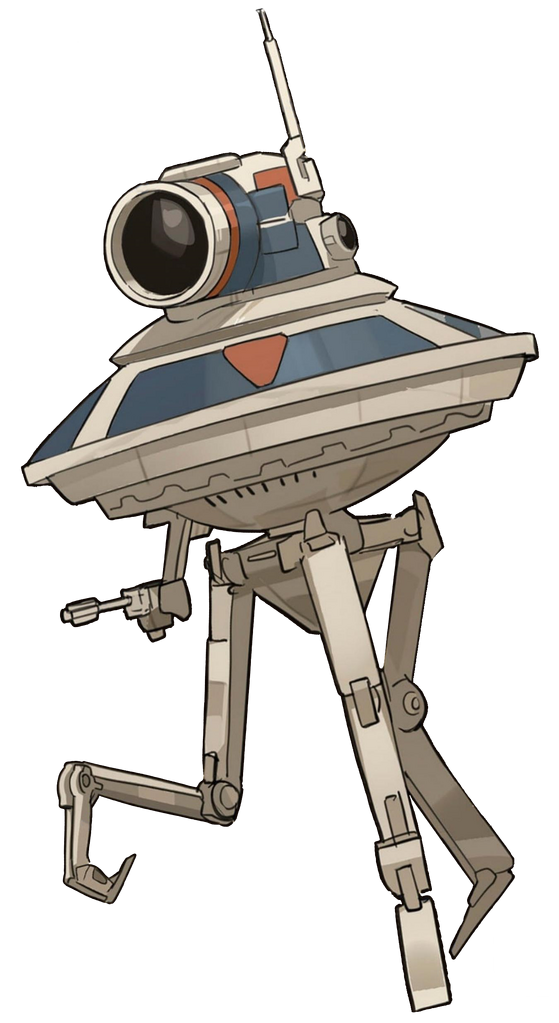
An EX communication droid
Image Source: Wookieepedia
Theoretically, Phase 2 should have had more droid characters in prominent roles compared to Phases 1 and 3. Content prior to Phase 2’s release spoke about Pathfinder teams and their droid companions essential for expanding communications across the galaxy. The short animatics for the Phase even repeatedly showed EX droids scouring exotic worlds as an end-card. But, this was not to be, as Pathfinders ended up playing a very limited role in the overall storytelling of Phase 2.
Besides droids seen with Pathfinders and prospectors, the only notable droids are P3-7A, a droid who can only speak in religious quotes, and the enforcer droids supplied to various parties to help stoke violence. When compared against Phase 1’s droid characters, the drop off going into Phase 2 is very noticeable.
Why So Few Droids?
We come back around to the central question of this article: why? Why are there so few key droid characters when the initiative forms part of a franchise like Star Wars so renowned for creating iconic and beloved droids? There are various possible reasons, with the first being that their absence is purposeful storytelling about this era. The lack of prominent droids might speak to a galaxy which doesn’t need as many of them. Jedi Vectors do not need astromechs, the Galactic Senate is fully staffed with flesh and blood people who work tirelessly out of a sincere belief in the Republic’s values, and the galaxy is one where people go boldly, and live their lives in community with others. While droids have a place in those communities, they are at the fringes, helpful but not core and essential to life at the “cost” of a human expert or human experiences.
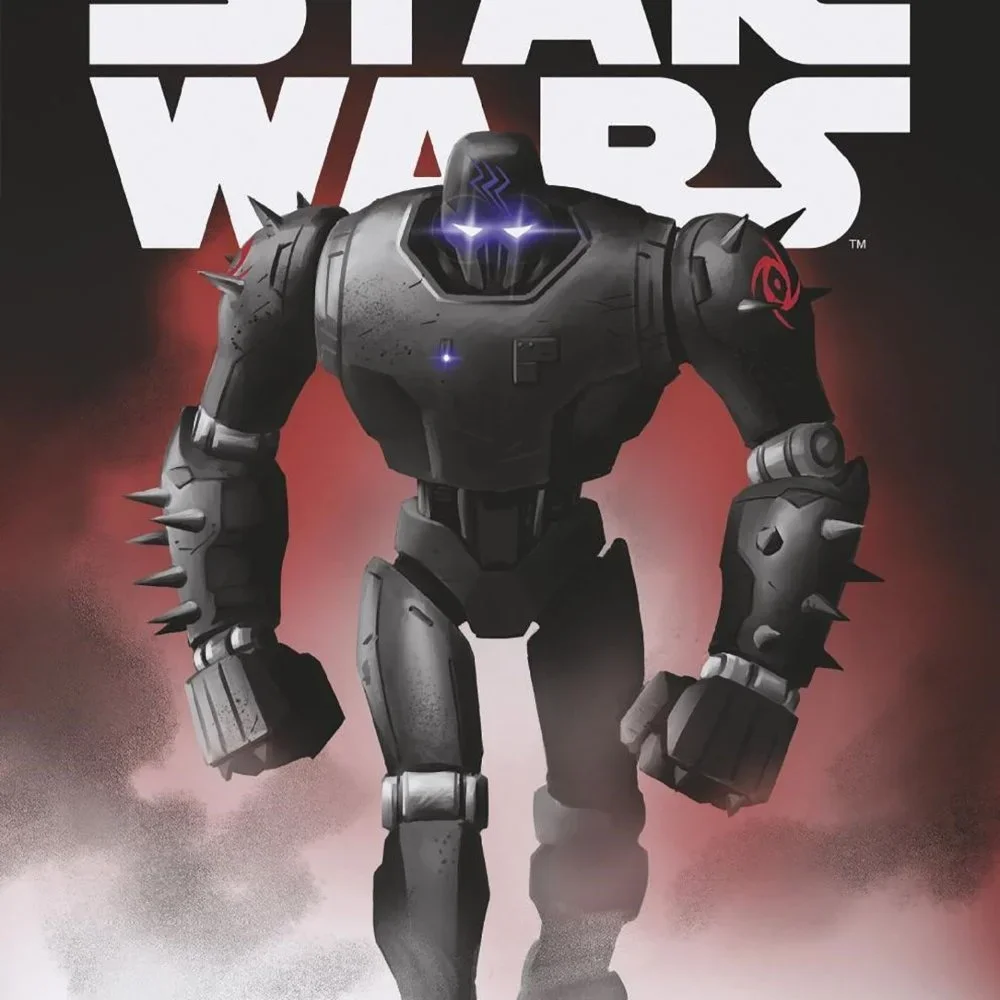
The cover of Star Wars (2020) 30th issue, which depicted the No-Space Nihil droids
Image Source: Wookieepedia
But it may also be due to significant story shifts across the different Phases. For example, M-227 was seemingly set up to have a role involving Phase 2 with a specific date of being 200 years old in Phase 1, only for them to not appear in either Phases 2 or 3 after their introduction. Then, there is the mystery of the Nihil enforcer droids. Phase 1 ends with Marchion Ro acquiring a number of old enforcer droids, and using them to staff the Gaze Electric, with the text seemingly hinting these droids have some greater connection to ongoing events.
In Charles Soule’s Marvel Star Wars comics, we get a look at what those droids might look like in an arc where the heroes travel to No-Space, the former Nihil homebase. Huge, spiked, and very much fitting the Nihil aesthetic, these droids look nothing like the droids seen in Phase 2 as being sold to the Path of the Open Hand by Tilson Graf, and also depicted to be serving their allies, the Dank Graks. It seems very likely that the transition between the Phases, if not changes within each Phase’s storytelling, resulted in some disjointed handling of the role droids would have in the narrative.
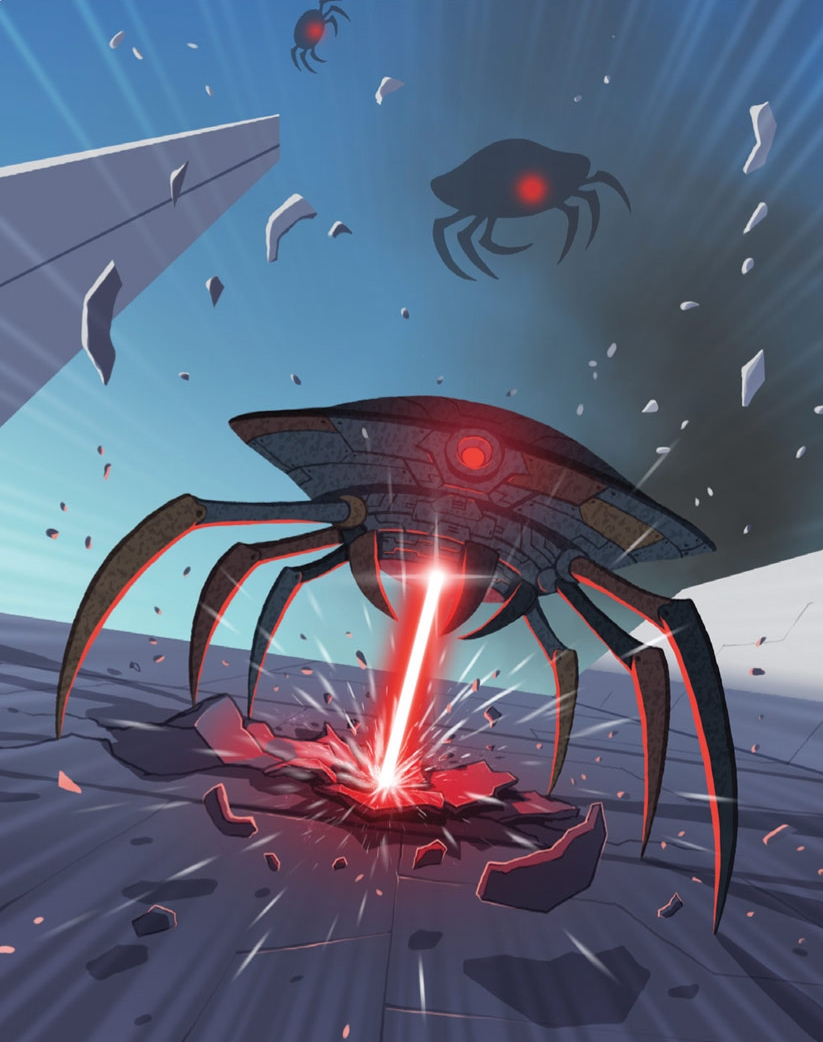
A Nihil scav droid
Image Source: Wookieepedia
Lastly, we have to consider how Star Wars has told stories with droids. Droid POVs have been exceptionally rare in storytelling over the years, even in Legends, though canon recently took a major step in having ND-5 as a main character in Low Red Moon. Droids have often functioned in the role of companion and pet, or in menacing threat be it as bounty hunters or combat models, and rarely have their own stories. Their “absence” could simply be a cost of the printed word, of authors choosing to feature more easily written flesh and blood characters and to focus on the connection between those figures, rather than the appearance of droids, other than to provide some comic relief, information, or to create a diverse line-up.
Anonymous, mass-produced droids also play largely antagonistic roles, through serving the Nihil or the aggressors of Phase 2, closely fitting their role in the Prequel Trilogy. Droids in The High Republic were, therefore, in the roles they have often occupied in Star Wars, and that was deemed sufficient in terms of their inclusion.
Conclusion
Regardless of the reason, the presence of droids is still lesser in The High Republic than many other areas of Star Wars. We cannot point to any particularly strong relationships between several different Jedi and their droid companions, or between some gunslinging rogue and their droid best friend, from across the dozens of comics and books released in the initiative. Some do exist, we do not deny that, but for how big the publishing initiative got, the fact we didn’t have droids like R2-D2 or 4-LOM to point to as stand-outs in this class of character make it one of The High Republic’s few failings. Hopefully, in future storytelling about the era now that the formal initiative is done, we do get prominent droid characters, or have the existing droids play a bigger role in the storytelling, to our benefit as fans of this diverse and complex universe.
CultureSlate: Made by humans, for humans.
Please consider supporting our AI-free content via our Patreon page.
READ NEXT:

Latest News

Featured





• All sizes are adult unisex
• Printed art on the front
• 100% cotton
• Pre-shrunk fabric
• Shoulder-to-shoulder taping
• Culture Slate Exclusive Design
See more products here