
Why France? An Exploration Of The Boom Of French Culture in Storytelling Media
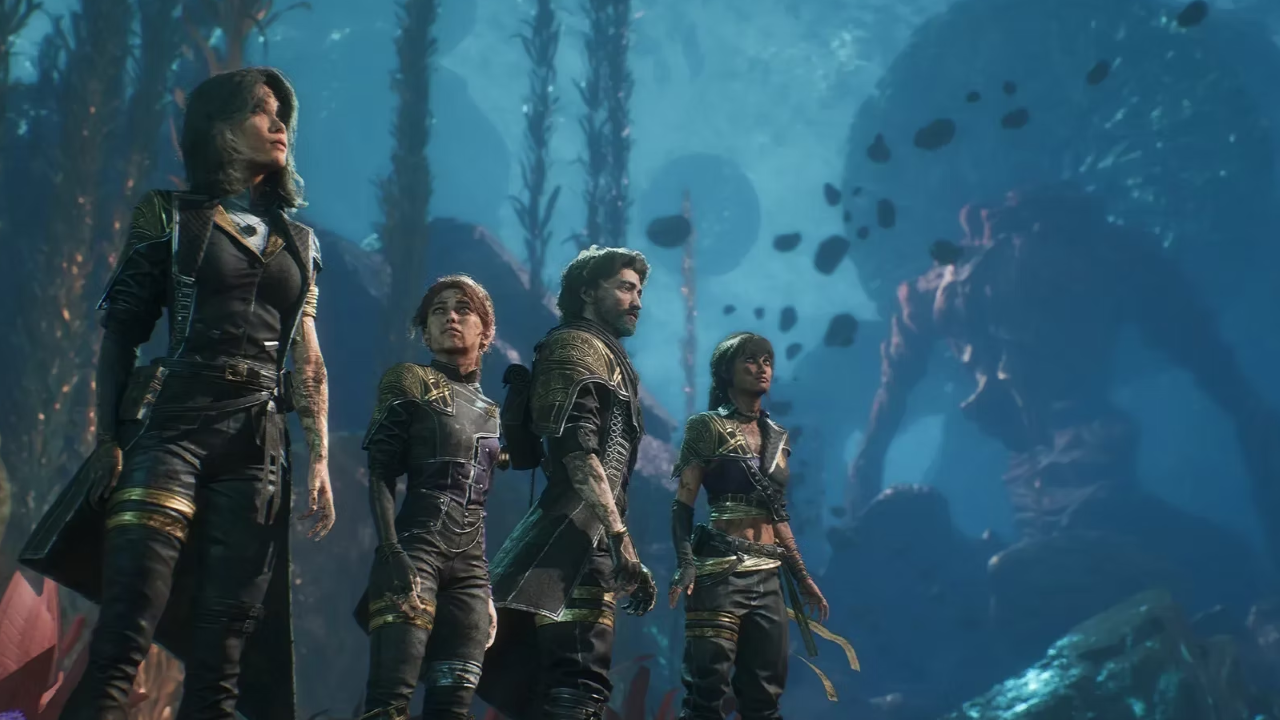
Image Source: Expedition33.com
Gamers and general audiences might have recently seen that French President Emmanuel Macron praised the game studio Sandfall Interactive for the recent success of their first game, Clair Obscur: Expedition 33. He called it a “shining example of French audacity and creativity" and he has good reason to be impressed.
The game sold 500,000 copies, then 1 million copies, in a matter of days, and continues to receive major attention and success. But, it isn’t the only piece of major storytelling media to have seen major success, while also having elements of French history and culture. There seems to be a trend developing, and Clair Obscur might be a new peak to a developing mountain range. So, today, join CultureSlate as we take a look at this developing trend, and explore just why French culture is so populaire!
RELATED:

Video Games
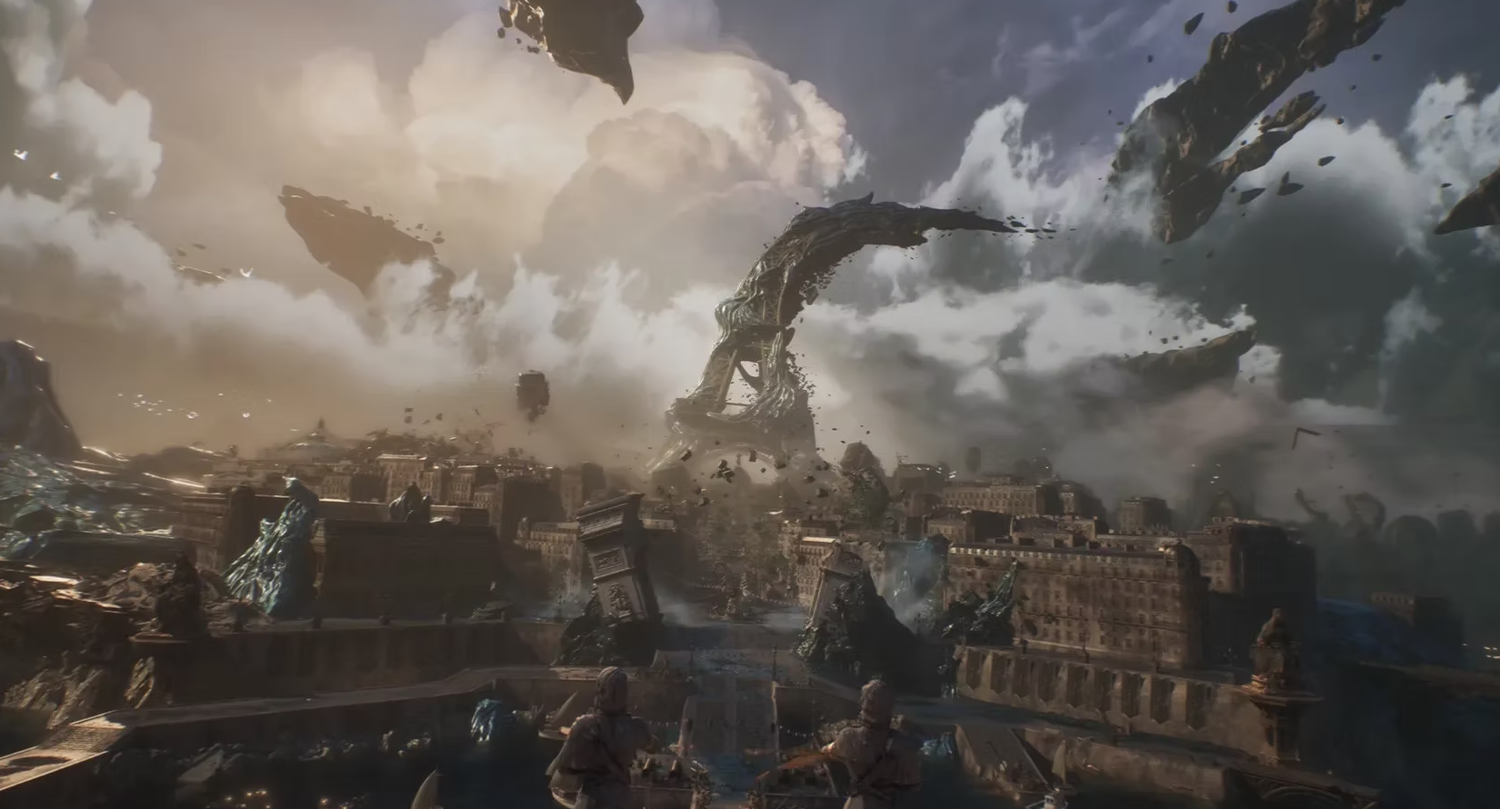
Image Source: Expedition33.com
This trend is most present in the realm of video games, so we’ll begin our examination there. The aforementioned Clair Obscur: Expedition 33 is from a French gaming studio, and uses copious French language with enemy names, character names, and contains many visual elements drawn from French culture. However, while its inspiration appears to be broadly eclectic and extremely fantastical, if not surreal at points due to its unique story, other games are more anchored to specific eras of French history.
Lies of P, while it was made by a Korean gaming studio, is still steeped in French culture. Set in the fictional city of Krat, and based on the Italian story Pinnochio, Lies has a strong Belle Époque architectural style and many other French cultural links. One of the biggest is the Grand Exhibition that the city was set to host before the Puppet Frenzy disrupted the city.
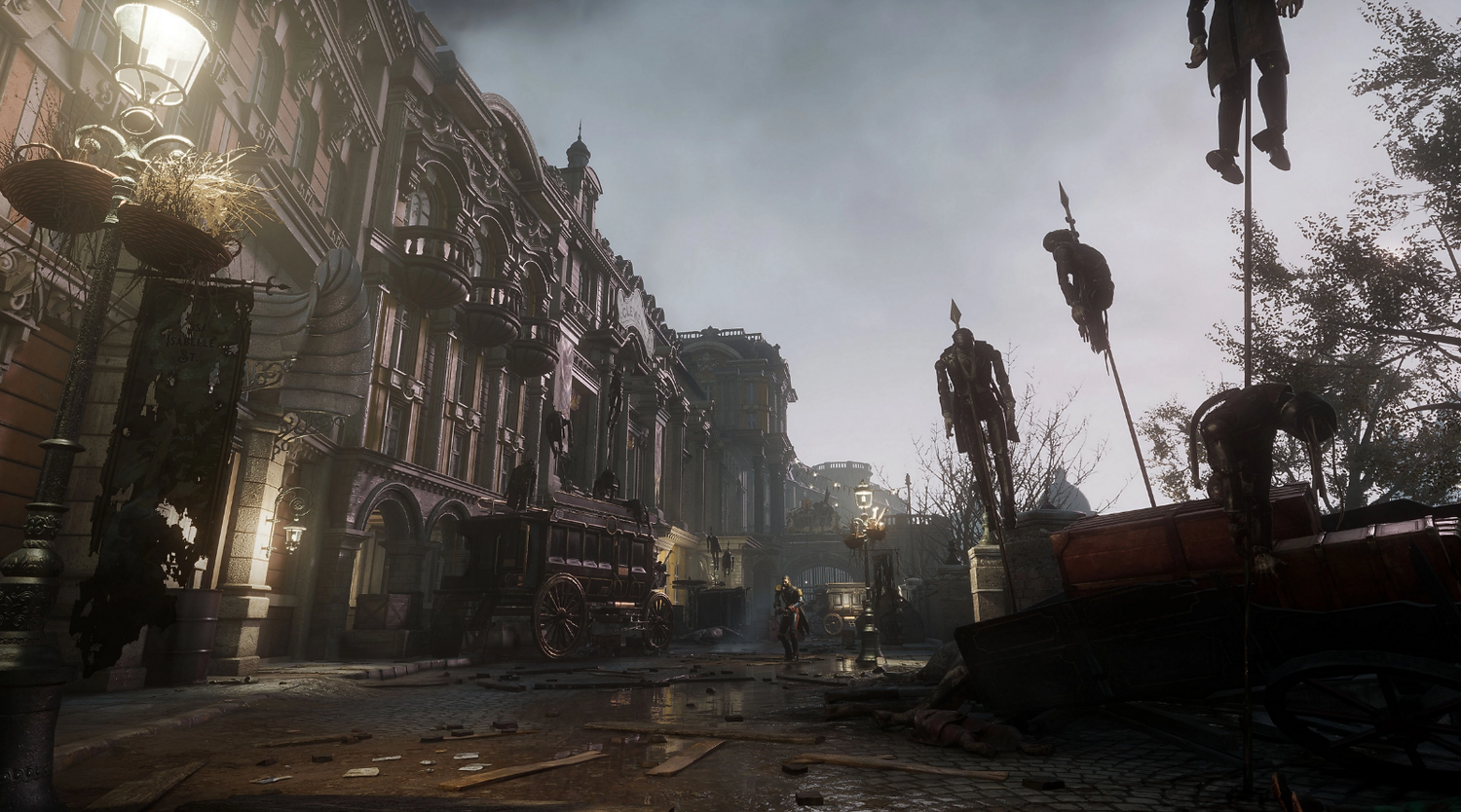
Image Source: Playstation
But to quickly explain some terminology, the Belle Époque refers to a specific era of French history following the Franco-Prussian War that lasted until World War 1 when France, under its third republic, was considered to be in a cultural golden age. High fashion, art styles like Art Nouveau, technological advancement, and so much more came to the fore of international views of French society. Technological advancement in particular took center stage at the Exposition Universelle of 1900, a World’s Fair hosted in Paris that saw a number of inventions shown off for the first time, mimicked by the event prepared for the world in Lies of P.
The third recent game of note is Steelrising, which is another Souls-like just like Lies of P, and also featured mechanical enemies, though it set its game in an alternative history French Revolution. In an alternative world, Louis XVI replaces many jobs with machines, turning the citizenry against him, and causing his wife to send out her own personal automaton named Aegis on a mission to learn the truth about the death of the prince. Along the way, many historical figures of that period appear and talk with Aegis, while the game’s aesthetics mimic and replicate the real world historical period, though often with a steampunk twist.
Other Media
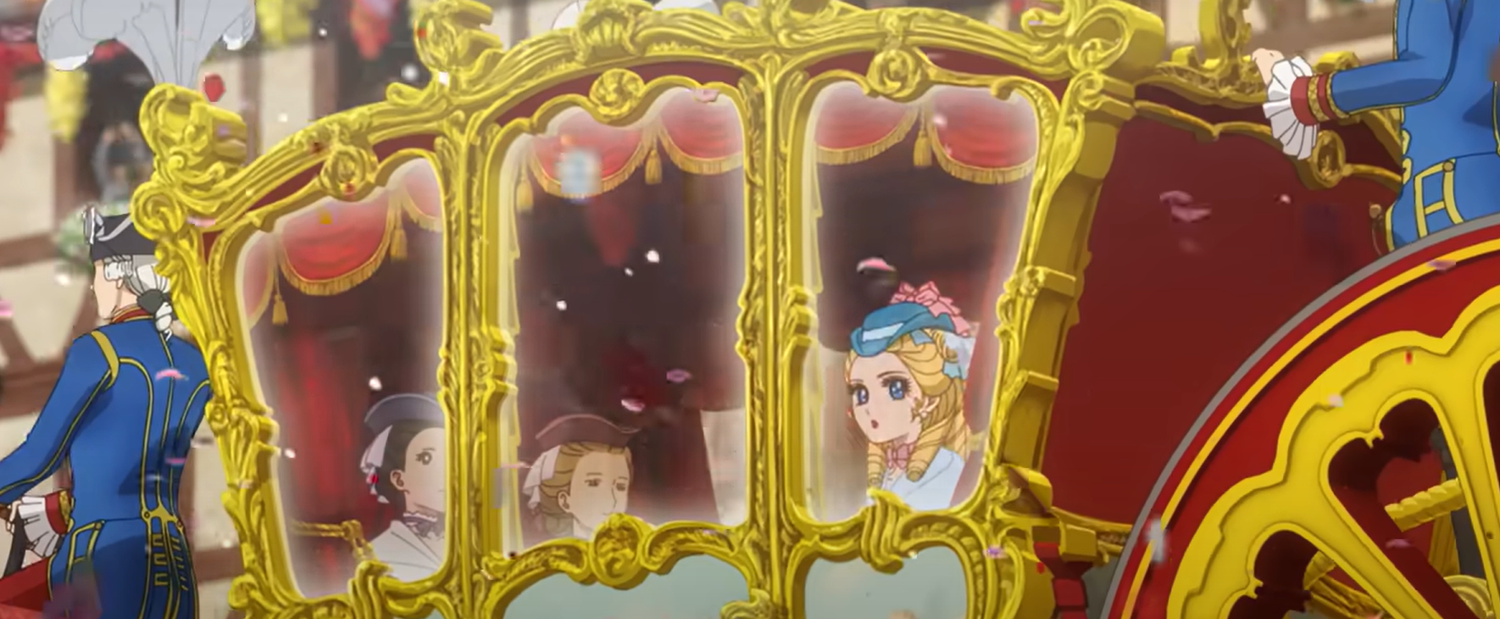
Image Source: YouTube
It would seem that the era of the French Revolution is a very popular way of exploring French culture in the media, as the next example demonstrates. Castlevania: Nocturne is a spin-off story continuing the world of Castlevania as established in the anime series on Netflix. Nocturne is set well into the future of the Castlevania world, dealing with a descendant of the Belmont family battling against vampires who wish to stop the ongoing French Revolution while also fundamentally transforming the world with their dark power, as you do when you have the Vampire Messiah on your side.
The next example is another unique take on the French Revolution, and is also an anime project. The Roses of Versailles, which was based on a manga from the 70s, was a film released early in 2025 in Japan and was given a global launch through Netflix in the spring of 2025. Focusing on Queen Marie Antoinette and the fictional female head of the Royal Guard, Oscar François de Jarjayes, the story follows their development in their respective roles, and as they mature, with events told passing from before the Revolution, to during its events. The manga recently saw a resurgence in the modern day, which likely led to the film’s creation and release, but its creation at all still speaks to the prevalence of French-inspired media in an international context.
Then, much like Clair Obscur, we have another product out of France which has gained popularity with audiences. Belfort & Lupin is an animated series that explores the fictional exploits of real animals that were kept on the grounds of the Palace of Versaille for the menagerie of King Louis XIV. This particular project is not set during the French Revolution (as Louis XIV ruled over 50 years before Louis XVI), but instead explores French society and history through machinations at the royal court, and various storylines involving the diverse animals.
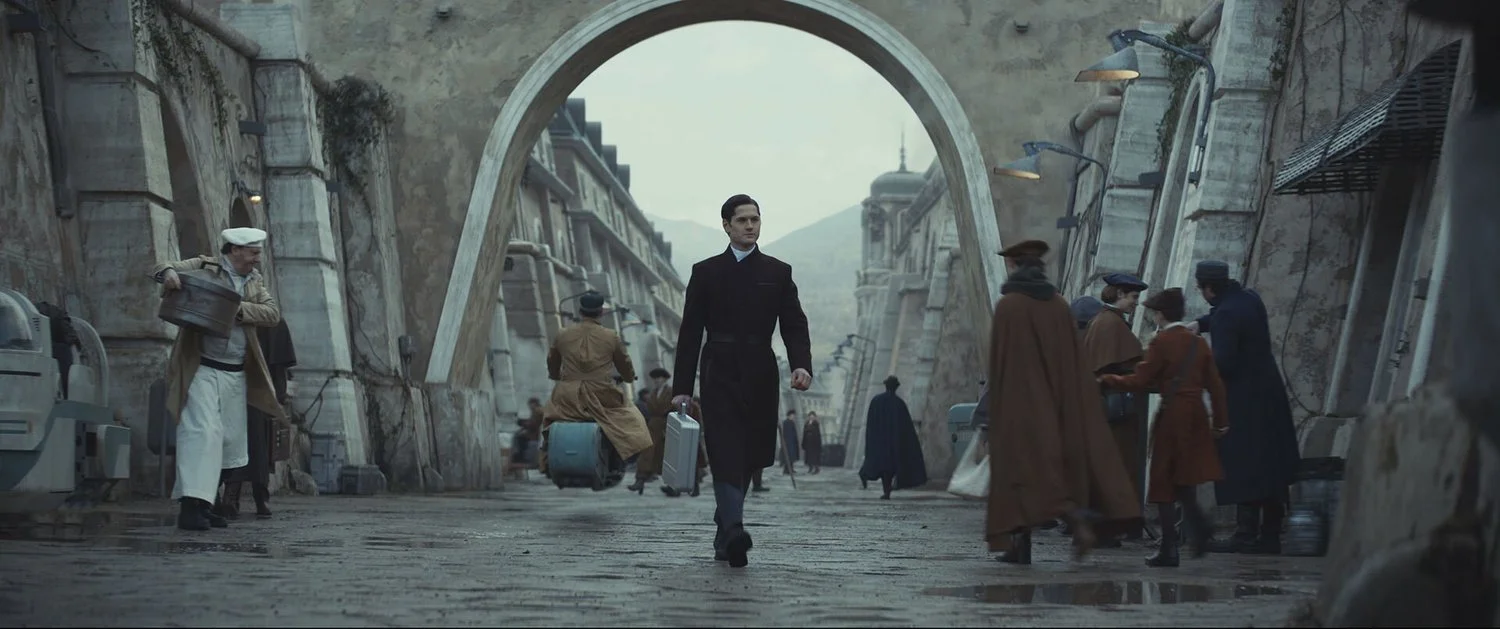
Image Source: StarWars
Lastly, we cannot forget the significant contribution of Star Wars to this discussion with Andor Season 2. Ghorman, previously barely shaped by other canon media, was given a huge amount of detail in the second season, and much of it was French in character. While the behind-the-scenes content for the series mentions international influences, and northern Italy as well, French elements remained incredibly prominent if not dominant. The main cast of the native Ghormans were all French actors, and while the native language of Ghor blends languages from our real world, it has a distinct French element that is easily heard. The streets of Ghorman’s capital city, Palmo, are intensely French, with shots no doubt purposefully replicating imagery seen in countless other pieces of media surrounding France. There are a number of other details, but suffice to say, in the correlations between countries or cities to planets in Star Wars, Ghorman would be Planet France, or perhaps Planet Paris.
Mais Pourquoi?
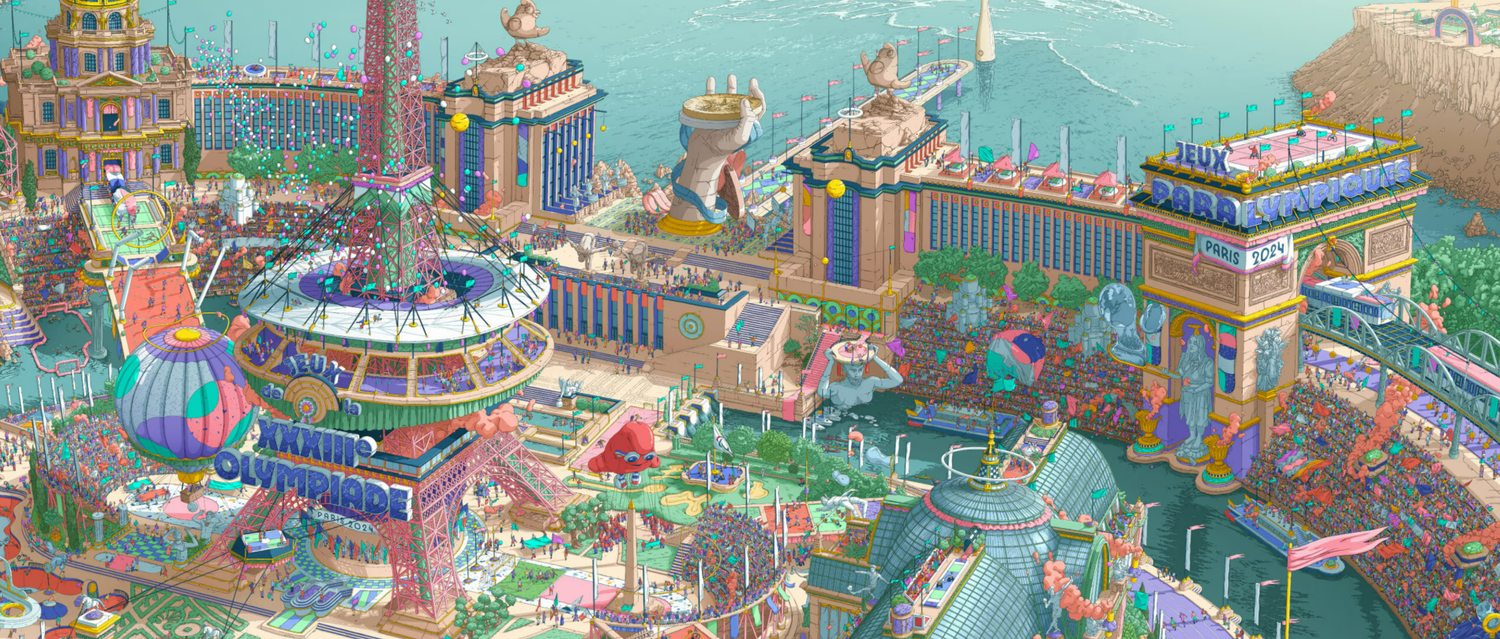
We’ve outlined seven notable projects either heavily influenced by French culture, or from France itself which have gained popularity overseas. But now we want to ask: why? What is it about this part of the world and its creations that has spurred this recent spate of projects? As we see it, there are three possibilities. The first option? It is because of the 2024 Paris Olympics. The host countries for each Olympic Games are known years in advance of the event, and it may be the case that this major spotlight on France, announced a number of years ago, got creative minds thinking about that region. They slowly gestated their ideas, and suddenly, we have interest in French culture from international audiences all releasing at once to roughly coincide with the Olympics.
The second idea, which could also factor into the first, are the political shifts within the EU and across the globe. Under Emmanual Macron, France has pushed more than ever to be viewed as a leader of the European Union, despite issues at home and with its international relations. In the wake of the ongoing war in Ukraine, Macron has also urged that Europe cooperate a great deal more on security and military matters. While some of these policies cannot be the sole route of gaining attention for France, since many creative endeavors take years of time to plan and bring to life, Macron has been President since 2017 and has remained in the spotlight for years. Policies around tourism, and the promotion of French culture, have likely been similarly ongoing for years even before he took office. But, with the Olympics, and recent crises, perhaps that is just enough to get people thinking about France, causing an influence in their storytelling.
The last idea connects to the mindset of recent years, which uniquely factors in French history. The French government has been notoriously unstable as a western democracy, currently on its fifth republic, but also has strong ties to the ideas of liberty, freedom and more in the minds of many due to its many past revolutions and the events of World War 2. The deepening wealth gap in society worldwide, the divisions between groups of people, and many other concerns, speak to people who understand the growing inequality of the world and who want to do something about it. The ideas of revolution and the imagery of the French Revolution are familiar to many because of the aforementioned associations, and the ostentatious wealth of the French royalty and nobility can also be an item of fascination or comparison for many looking at the ways the wealthy have lived over the centuries. It may be that in looking to capture the desire for change, creative minds all turned to the same inspiration.
It's also possible that CultureSlate has missed one piece of French media that released or regained prominence several years ago, and attracted a load of attention from creative minds across the world. But regardless, much like our discussion regarding the spread of cosmic horror in video game storytelling, there is clearly an ongoing pattern with both global taste and inspirations. Keep your eyes peeled for many French-influenced games, shows, films and more to release over the coming months and years, they’re almost sure to continue their popularity.
READ NEXT:
Latest News
Featured



• All sizes are adult unisex
• Printed art on the front
• 100% cotton
• Pre-shrunk fabric
• Shoulder-to-shoulder taping
• Culture Slate Exclusive Design
See more products here