
Top 10 Japanese Composers
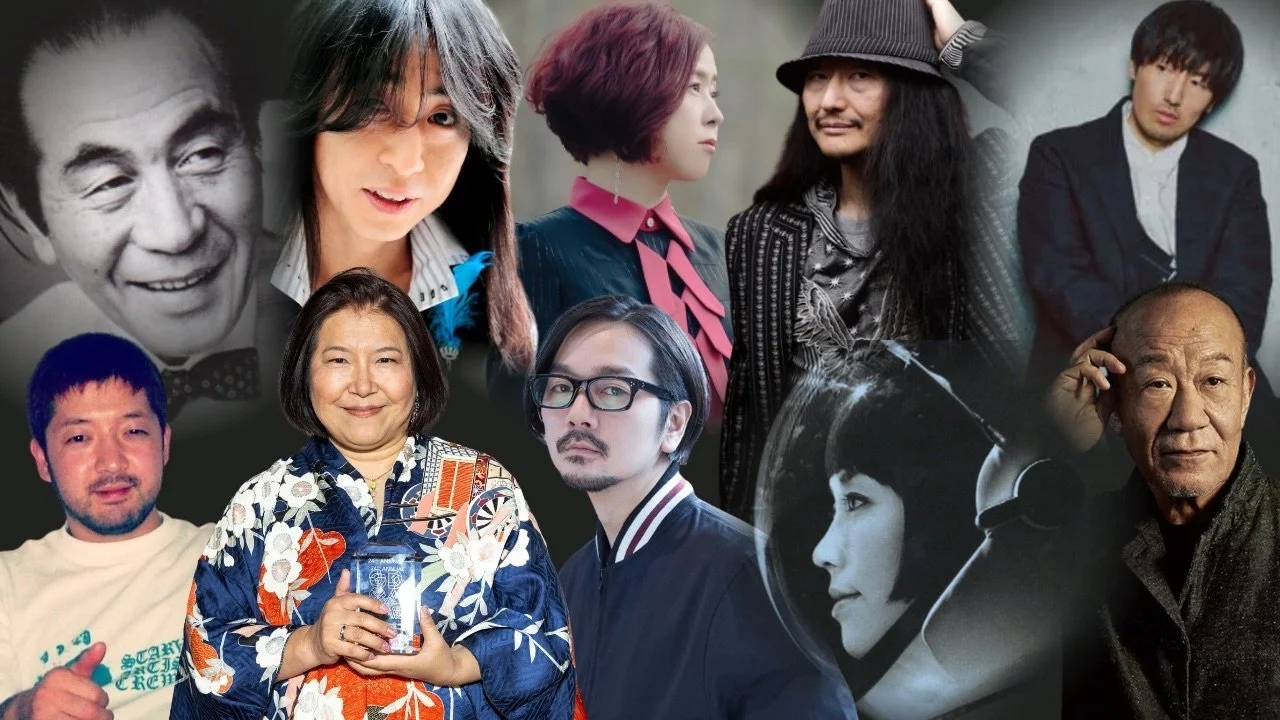
Image Source: CultureSlate
For anyone privy to Japanese media, you’ll find that music is a core component to TV, Film, and Video-Games, giving their projects a distinct flavor drawing inspiration from a variety of sources.
However, not many are familiar with the minds behind these sounds that make up their favorite anime, movie, or games.
RELATED:
These are ten of Japan’s finest composers.
10: Nujabes (1974-2010)
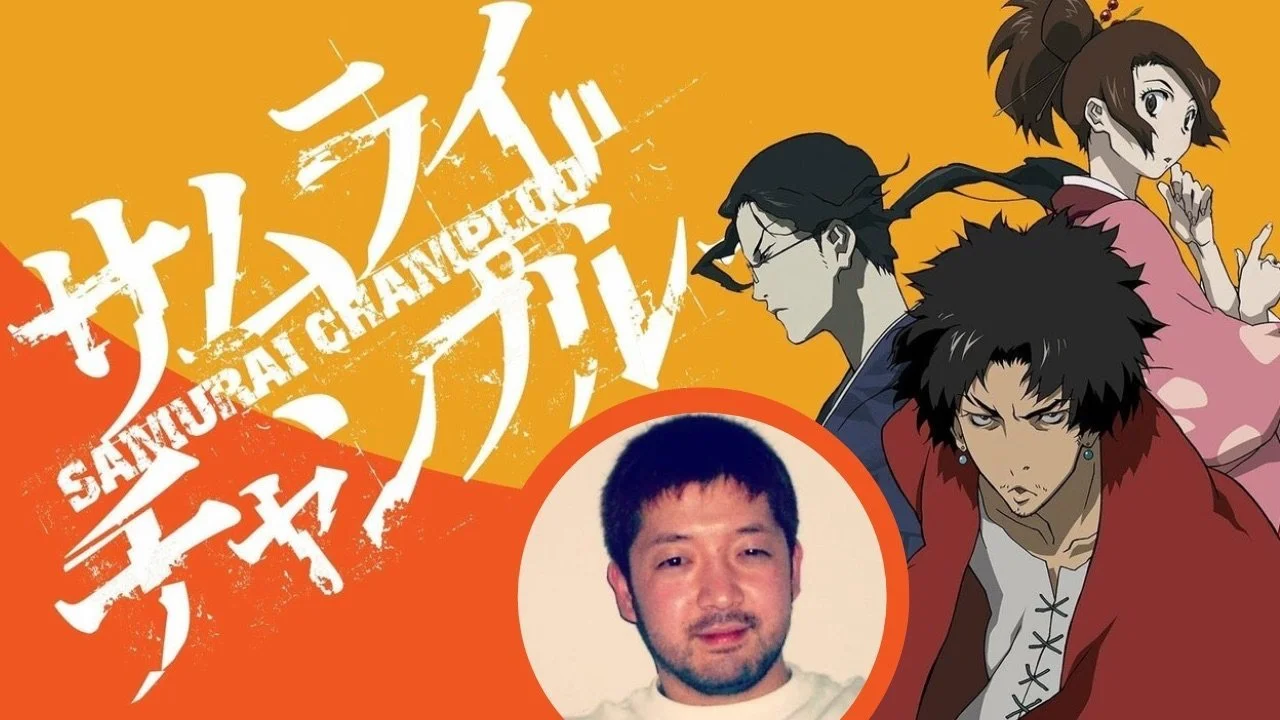
Image Source: CultureSlate
The best composers are often the ones who draw inspiration from different places, and this will be a recurring theme throughout.
Starting this list off with one artist who not only left a mark on the anime music industry, but the hip hop industry worldwide, Jun Seba aka Nujabes was a composer and producer who would draw heavy inspiration from 90s Hip Hop, Soul, and Jazz music from the West.
While he released a handful of albums alongside rapper Shing02, Nujabes most well-known work is his score for Shinichiro Watanabe’s 2004 anime Samurai Champloo. Unlike most other anime in its genre, the score is almost entirely comprised of a fusion of Hip-Hop, Jazz, Rap and traditional compositions to create a brand new genre of music that we now call LoFi.
While Nujabes sadly passed away in 2010 at 36, his impact and presence can still be felt not only in the works of music producers worldwide, but even in anime, with series such as Yasuke (composed by Flying Lotus) and Lazarus (composed by Kamasi Washington, Bonobo & Floating Points) all drawing inspiration from and paying their respects to the Godfather of LoFi.
Nujabes' final album, Luv(sic) Hexalogy, was released posthumously in 2015, and is available to stream on Spotify.
9: Yasuharu Takanashi (1963-)

Image Source: CultureSlate
This composer is responsible for making the childhoods of many anime fans, including yours truly. Yasuharu Takanashi is a composer who’s best known for composing the music for some of the most iconic shonen and shojo anime of the 2000s and 2010s, and if there’s one word to best describe his work, it’s ‘Hype.’
Takanashi served as one of the co-composers of Naruto, and served as the lead composer for Naruto Shippuden, Boruto: Naruto Next Generations, Fairy Tail, Fresh PreCure!, Sailor Moon Crystal, and Record of Ragnarok. Something all of these anime have in common is that each of their soundtracks is filled to the brim with tracks that bring the bombast and energy that each of these franchises is known for.
Takanashi is set to compose the score for the upcoming Zombie Land Saga: Yumeginga Paradise movie, releasing in Japanese theaters this October.
8: Yoko Shimomura (1967-)
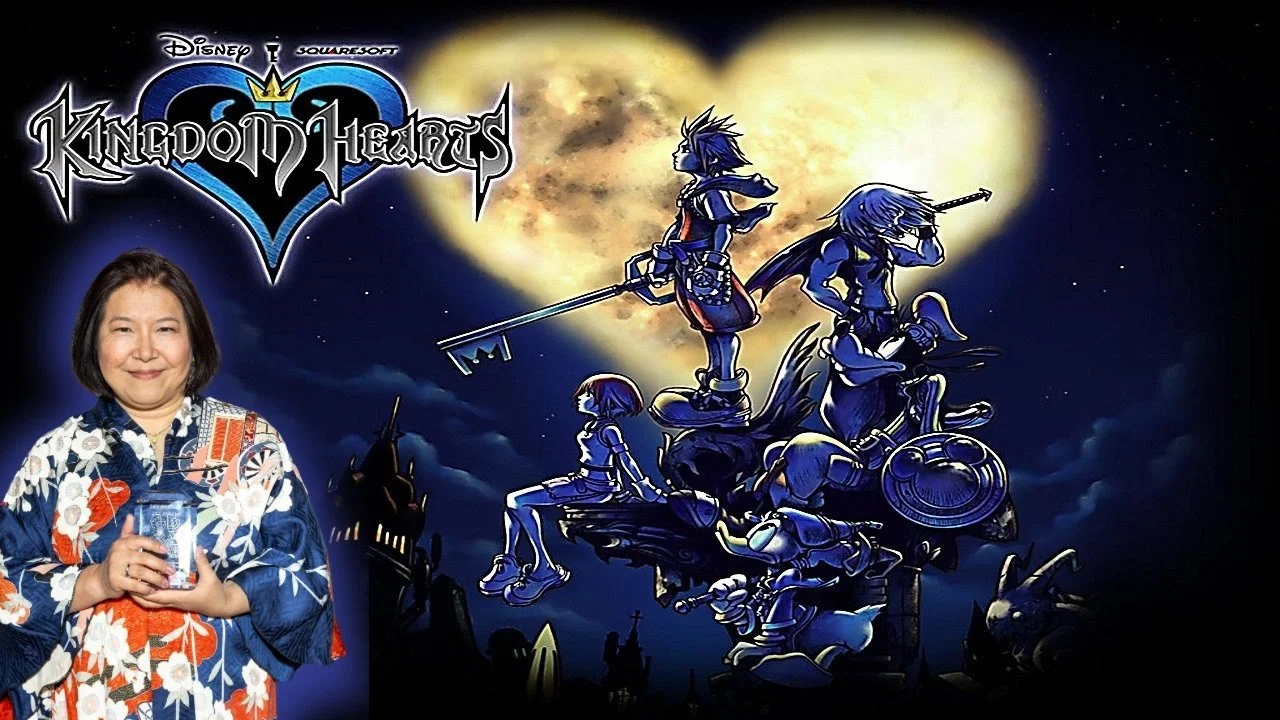
Image Source: CultureSlate
Also responsible for many childhood classics, Yoko Shimomura’s music is instantly recognizable to many '90s kids; it may also fly under the radar for many more, because for many, the only place to hear her work was through that old PlayStation 2.
Shimomura is the only composer on this list to work almost entirely in video games, first starting with Capcom in the 1980s, where she’d work on games such as Street Fighter II and Samurai Sword. In the 90s she would join Square Enix, where she would write the music for the iconic Kingdom Hearts series. Shimomura would also be involved in, or write the music for games such as the Xenoblade Chronicles, Mario & Luigi: Paper Jam, Final Fantasy XV, and Street Fighter 6.
Shimomura’s decades of work have been recognized by institutions around the world, with her recently receiving BAFTA Fellowship earlier this year, an incredibly prestigious award granted to the likes of Alfred Hitchcock, Maggie Smith, and Shigeru Miyamoto.
Yoko Shimomura is set to return to the world of Kingdom Hearts, composing the score for Kingdom Hearts IV.
7: Kensuke Ushio (1983-)
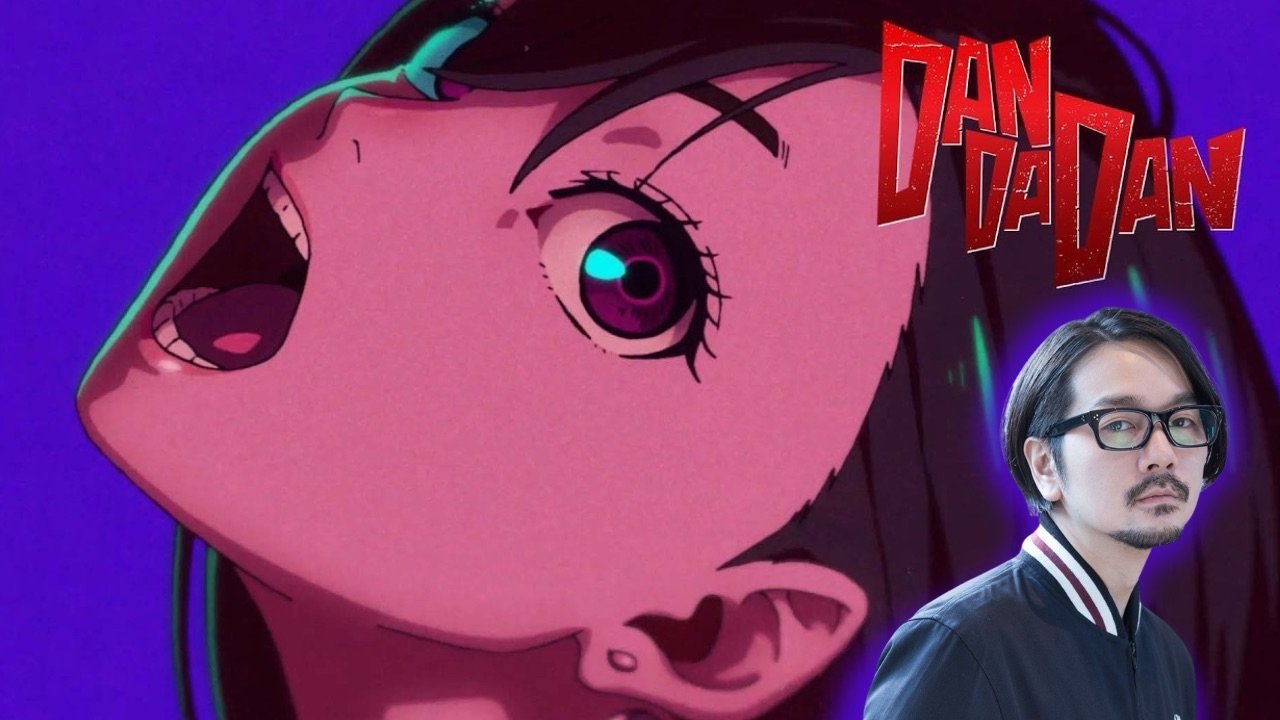
Image Source: CultureSlate
An artist who brings a modern twist to the mix, Kensuke Ushio is a composer, pianist and DJ best known for his fusion of soft piano tracks and bombastic electronic music, combining classical with Rock, EBM, and even subgenres of EDM such as Breakcore.
Ushio is best known for his work on anime such as Space Dandy, A Silent Voice, Devilman Crybaby, Chainsaw Man, and DanDaDan. Like mentioned above, a lot of his tracks carry a level of energy and vibe that wouldn’t feel too out of place in a club or rave, but much of his work includes softer, more subtle electronic tracks, or deeply soulful piano tracks (see episode 7 of DanDaDan) that only add to the raw emotions we see on the screen.
You can hear Kensuke Ushio’s works in DanDaDan: Evil Eye, which is currently in theaters and will begin streaming on Crunchyroll & Netflix this July. Additionally, Ushio will be returning to the world of Chainsaw Man for Chainsaw Man - The Movie: Reze Arc, which hits US Theaters this Halloween.
6: Yuki Kajiura (1965-)
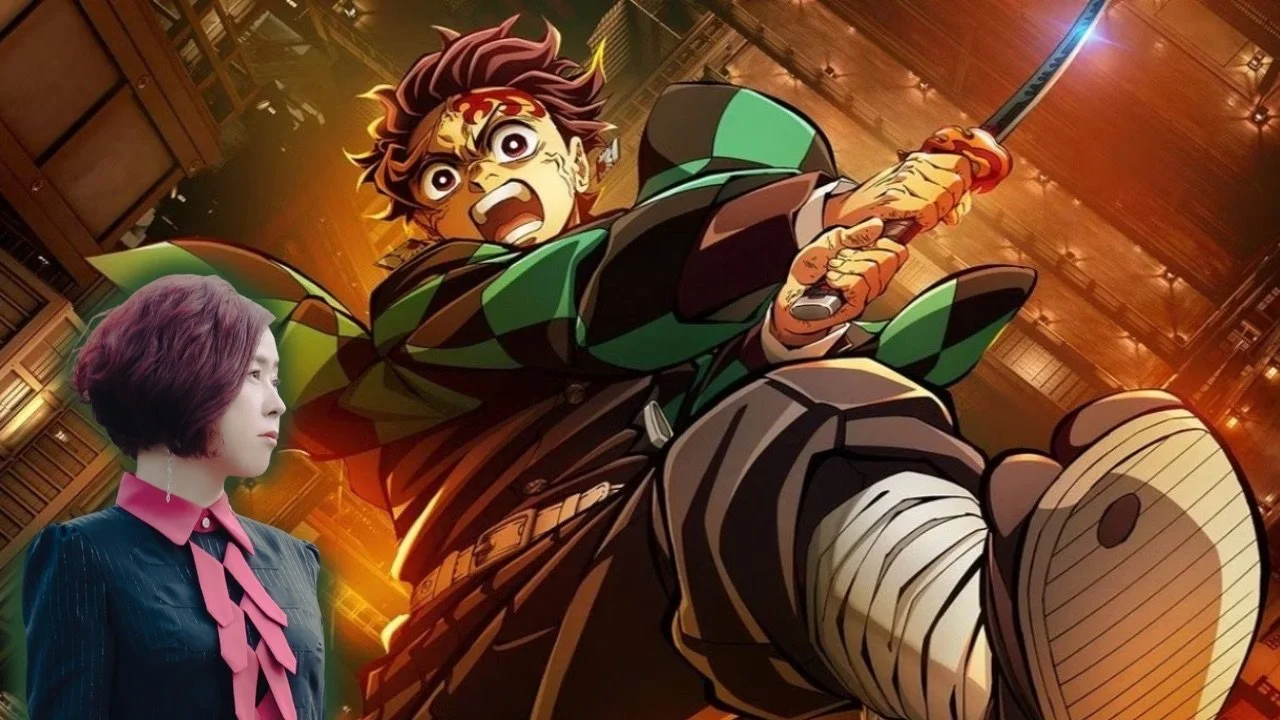
Image Source: CultureSlate
Known for her sweeping scores and uncanny ability to evoke strong emotion, Yuki Kajiura is an anime composer of a different breed, with her composing style taking on a more cinematic feel regardless of its scale.
Best known for her work on anime like Sword Art Online, Puella Magi: Madoka Magica, and one of the most popular anime in the world, Demon Slayer: Kimetsu no Yaiba, what sets Kajiura apart next to other composers on this list is her decision to compose music that aligns not only with characters, but the exact vibe and context of a scene in anime, which allows her to seamlessly weave different themes and character leitmotifs throughout her work. This is part of what has made her work on Demon Slayer particularly well-known. She also masterfully blends powerful orchestrals with electronic and even more traditional and cultural stylings, to the point where you can tell who’s in a scene before even seeing it.
While much of Yuki Kajiura’s work is hard to find streaming in the United States, fans will once again get to hear her music on the big screen in Demon Slayer: Kimetsu no Yaiba The Movie: Infinity Castle, which hits US Theaters this September.
5: Hiroyuki Sawano (1980-)
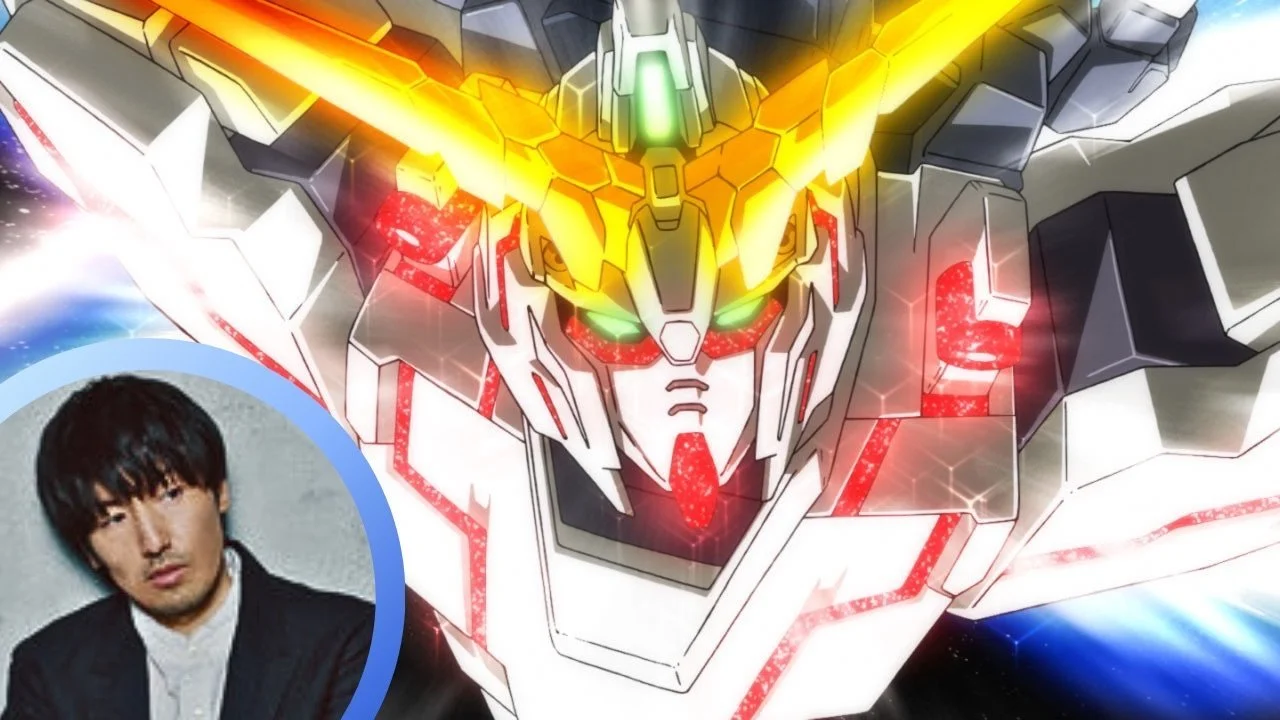
Image Source: CultureSlate
An artist who has become synonymous with the modern anime score, Hiroyuki Sawano is a composer and producer who experienced a massive rise in popularity in the early 2010s. He’s best known for his fusion of classical orchestras with electronic music and rock that can only be described as ‘epic’.
Sawano made his full soundtrack debut on the 2010 anime Mobile Suit Gundam: Unicorn, and has since worked on many critically acclaimed projects such as Kill la Kill, PROMARE, Mobile Suit Gundam: Hathaway, Solo Leveling, and Attack on Titan. Across each of these projects, Sawano has created more than just songs, but memorable anthems that carry his distinct sound and all of the power, hope, pain, or rage that comes with the story he makes them for. He oftentimes partners with fellow composer Kohta Yamamoto, with the two working together on the soundtracks for Attack on Titan: The Final Season, 86: Eighty Six, and Seven Deadly Sins.
You can hear Hiroyuki Sawano’s latest work in the latest season of Solo Leveling, the movie The Rose of Versailles, and the new series To Be Hero X. Additionally, fans may be able to catch him in concert in Los Angeles this November.
4: Yoko Kanno (1964-)
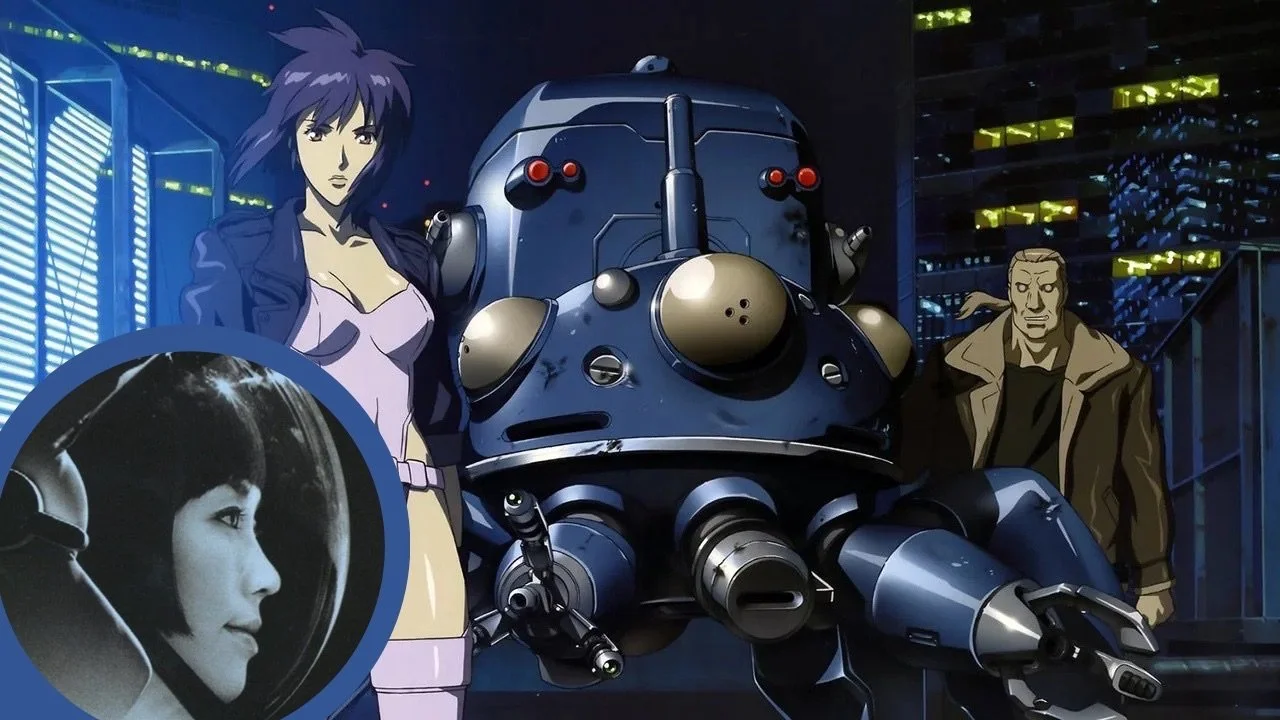
Image Source: CultureSlate
Remember how I mentioned fusions of styles and influences helping to set some artists apart from others? Yoko Kanno and her decades of work are a testament to that, in that she brings a new sound to each of the projects she’s been involved in.
Kanno is best known for her work on anime such as Ghost in the Shell: Stand Alone Complex, Wolf’s Rain, Turn-A Gundam, and the Shinichiro Watanabe’s Cowboy Bebop. None of these projects sound alike, and that is a testament to Kanno’s understanding of many different genres of music and her ability to switch between them and balance them. For example, Turn-A Gundam, a sci-fi series, has a score heavily rooted in sweeping orchestrals you’d expect from high fantasy, yet it feels right at home in the show’s Victorian-esque setting. However, her most well-known work, Cowboy Bebop, blends many different genres of Jazz, Soul, Rock and Blues to give this space western a wide palette of colors and sounds that feel right at home and keep audiences coming back.
While Kanno seems to be less active these days, you can still find her working on the occasional anime, as she arranged the opening theme for SpyxFamily Season 2. Most recently, she composed a soundtrack for the 2025 Osaka World Expo, titled ‘Under the Midnight Rainbow’, which is available to stream worldwide.
3: Shiro Sagisu (1957-)

Image Source: CultureSlate
When it comes down to sheer versatility, it’s hard to beat composer and producer Shiro Sagisu, whose works have repeatedly proven to be iconic across all eras of his work, blending various music genres even within the same projects.
Sagisu has been active in the film industry for over 40 years, and composed the score for anime such as Nadia: Secrets of Blue Water, Neon Genesis Evangelion, Kare Kano, Berserk: The Golden Age, Shin Godzilla, Magi: Labyrinth of Magic, and SSSS Gridman. His most well-known work, however, comes from the anime Bleach and its sequel, Bleach: Thousand Year Blood War. What sets his work in Bleach apart from many other anime is its fusion of cultural influences, implementing various genres within his work, including Grunge, Metal, EDM, Soul, R&B, and Flamenco. Even his orchestral work draws heavy influence from 19th and 20th-century Romanticism, or at times even military marches. His work even outside of anime carry these influences, with Sagisu also producing his own series of albums alongside various British artists, known as Shiro’s Songbook.
Shiro Sagisu’s most recent soundtrack was for the 2025 J-Drama Mr. Mikami’s Classroom. Sagisu is set to return to Bleach for its final season, Bleach: Thousand Year Blood War Part IV: The Calamity, which will begin airing sometime in 2026.
2: Joe Hisaishi (1950-)
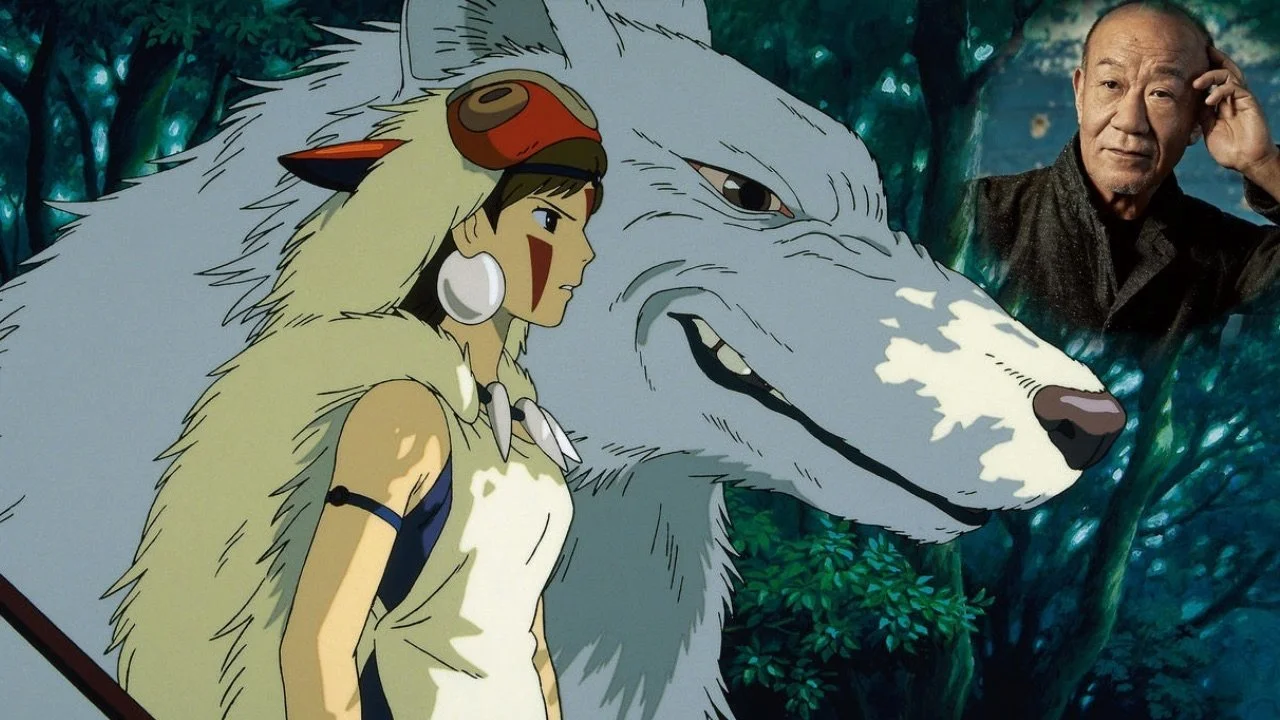
Image Source: CultureSlate
Another artist who made our childhoods countless times over, Joe Hisaishi is a composer and pianist best known for creating powerful experiences through classical music in a career that spans over fifty years.
Getting his start on the 1974 anime Gyatoruzu, Hisaishi is best known for his work alongside director Hayao Miyazaki, having composed the score for many Studio Ghibli films including Nausicaa of the Valley of the Wind, Princess Mononoke, Spirited Away, Howl’s Moving Castle, Ponyo, and The Boy and the Heron (for which he’d be nominated for a Golden Globe) to name a few. His soundtracks carry a soft, oftentimes surreal feeling that can invoke a strong sense of nostalgia, which gently eases audiences into the world of Miyazaki’s films. There’s no doubt that Hisaishi is not only one of the greatest composers to hail from Japan, but one of the best of our time.
Joe Hisaishi will soon be making his US Debut in the upcoming film A Big Bold Beautiful Journey, starring Margot Robbie and Colin Farrell. A Big Bold Beautiful Journey hits theaters this September. Additionally, depending on where you are in the world, you might catch Hisaishi in concert, as he begins his next world tour in the coming weeks.
1: Akira Ifukube (1914-2006)
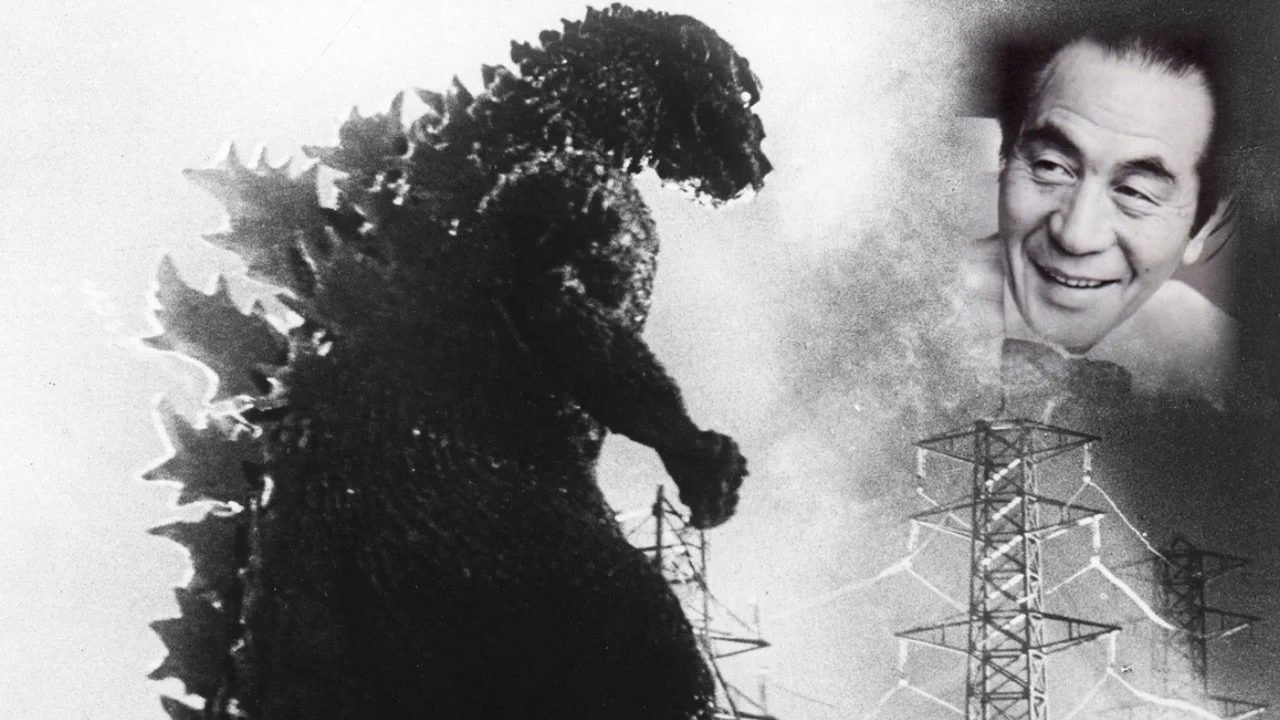
Image Source: CultureSlate
If you’re a fan of classic Kaiju and Tokusatsu films, there’s no way you’ve gone without hearing the work of one of the old masters in the music industry: Akira Ifukube.
With a career that spanned over seventy years, the largest credit to Ifukube’s name is that he is the first composer of the Godzilla franchise, creating the theme that is still used in the latest Godzilla films. Ifukube also created the first iteration of Godzilla’s legendary roar. Ifukube would write the music for just about every Godzilla film produced from 1954 to 1995. His work in these films continues to be utilized in new films, and composers such as Kan Sawada, Bear McCreary, and Naoki Sato have taken up the mantle to put their own spin on the theme.
While Ifukube passed away in 2006 at the age of 91, his work inspired multiple generations of composers and artists around the world, making him not only one of Japan’s best composers but one of the best film composers of all time.
READ NEXT:

Latest News
Featured




• All sizes are adult unisex
• Printed art on the front
• 100% cotton
• Pre-shrunk fabric
• Shoulder-to-shoulder taping
• Culture Slate Exclusive Design
See more products here