
Warner Bros Sale Causing Chaos In Hollywood

Image Source: Thomas Ruck on LinkedIn
As Netflix and Paramount vie to acquire Warner Bros., unions are speaking out. Netflix offered the legacy company $72 billion for Warner Bros. Discovery’s film and TV studio, Burbank lot, HBO, and HBO Max, along with taking on $10 billion of their debt. Paramount countered the offer with a bid to buy the entire company for $78 billion. Hollywood creators have issues with both companies. Netflix was the streaming pioneer and, as such, is seen as fundamentally opposed to theaters, to the point where many U.S. theaters won’t show Netflix movies. Netflix said they plan to “maintain Warner Bros.’ current operations and build on its strengths, including theatrical releases for films.” Others are more concerned about Paramount due to an alleged connection between Paramount Skydance CEO David Ellison and President Donald Trump. Ellison’s camera assistant described him as “right-wing billionaire Trumper” and claimed Netflix is less likely to micromanage production.
Meanwhile, Hollywood unions oppose both buyers because it will inevitably lead to one less buyer, which in turn means fewer projects, fewer jobs, and more cuts. Michele Mulroney, president of the Writers Guild of America West, explained the situation. She said, “We’ve seen this movie before, and we know how it ends. There are lots of promises made that one plus one is going to equal three. But it’s very hard to envision how two behemoths…can keep up the level of output they already have.” Mulroney also cited the theaters’ constant struggle for relevancy post-pandemic as a direct conflict with Netflix’s streaming-first philosophy.
RELATED:

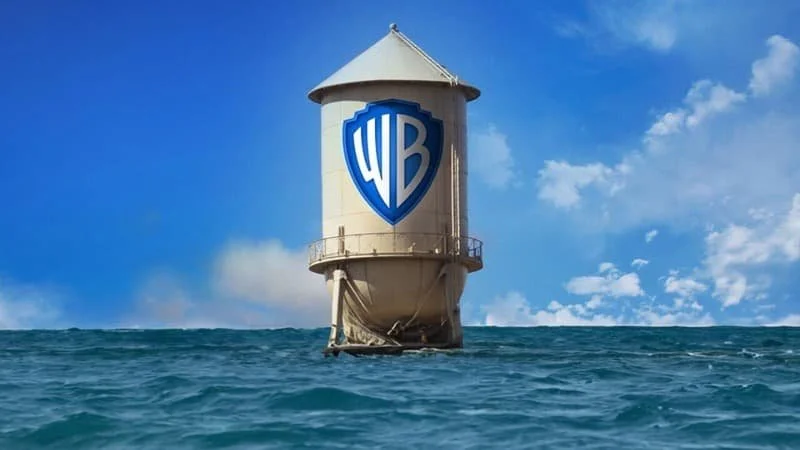
Image Source: JoBlo
Unfortunately, the unions are outmatched in power here, especially as some of their contracts are set to expire next year. David Smith, an economics professor at Pepperdine Graziadio Business School, laid out the situation. He explained, “They just don’t have a seat at the ultimate decision-making table. I expect their primary involvement could be through creating more awareness of potential challenges with a merger and potentially more regulatory scrutiny.” The view of the unions is clear: whoever wins the merger, the writers, actors, and other Hollywood creatives ultimately lose.
READ NEXT:


Source(s): BBC, Los Angeles Times

Latest News

Featured


• All sizes are adult unisex
• Printed art on the front
• 100% cotton
• Pre-shrunk fabric
• Shoulder-to-shoulder taping
• Culture Slate Exclusive Design
See more products here